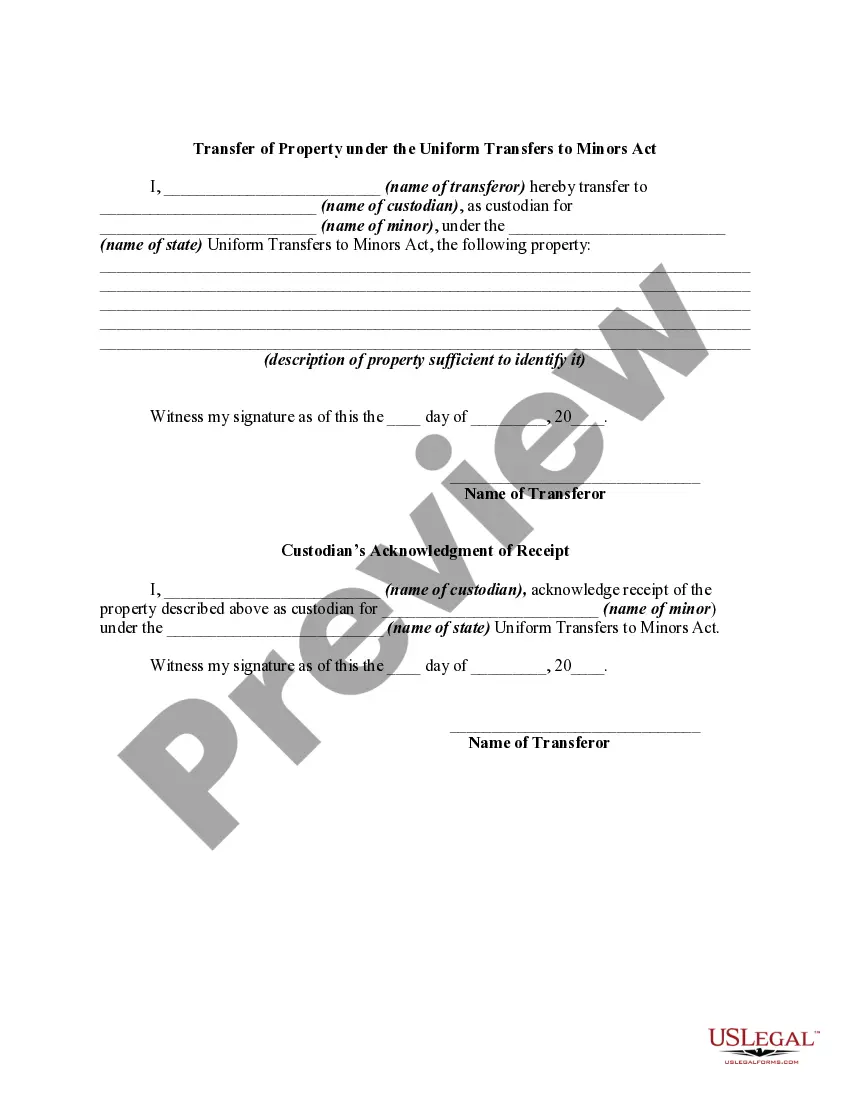
Transfer Of Property Act With Commentary
Description
Get your form ready online
Our built-in tools help you complete, sign, share, and store your documents in one place.
Make edits, fill in missing information, and update formatting in US Legal Forms—just like you would in MS Word.
Download a copy, print it, send it by email, or mail it via USPS—whatever works best for your next step.
Sign and collect signatures with our SignNow integration. Send to multiple recipients, set reminders, and more. Go Premium to unlock E-Sign.
If this form requires notarization, complete it online through a secure video call—no need to meet a notary in person or wait for an appointment.
We protect your documents and personal data by following strict security and privacy standards.

Make edits, fill in missing information, and update formatting in US Legal Forms—just like you would in MS Word.

Download a copy, print it, send it by email, or mail it via USPS—whatever works best for your next step.

Sign and collect signatures with our SignNow integration. Send to multiple recipients, set reminders, and more. Go Premium to unlock E-Sign.

If this form requires notarization, complete it online through a secure video call—no need to meet a notary in person or wait for an appointment.

We protect your documents and personal data by following strict security and privacy standards.
Looking for another form?







How to fill out Transfer Of Property Under The Uniform Transfers To Minors Act?
Utilizing legal templates that adhere to federal and state laws is essential, and the internet provides numerous choices.
However, why spend time searching for the appropriate Transfer Of Property Act With Commentary example online when the US Legal Forms online library already consolidates such templates in one location.
US Legal Forms is the largest online legal repository with over 85,000 editable templates created by attorneys for any business or personal circumstance.
Examine the template using the Preview tool or through the text outline to ensure it meets your requirements.
- They are simple to navigate with all documents categorized by state and intended use.
- Our experts stay updated with legislative changes, ensuring your documents are current and compliant when acquiring a Transfer Of Property Act With Commentary from our site.
- Obtaining a Transfer Of Property Act With Commentary is fast and straightforward for both existing and new users.
- If you possess an account with an active subscription, Log In and save the document sample you need in the correct format.
- If you are new to our platform, follow the steps below.
Form popularity
FAQ
Section 131 of the Transfer of Property Act addresses the power of a mortgagee to assign their rights to another party. This ensures that the interests of the original mortgagee are preserved even if the property changes hands. Understanding this section is key for anyone involved in a mortgage transaction. For detailed insights, our platform features comprehensive commentary on the Transfer of Property Act, helping you navigate these legal waters.
The doctrine of holding out involves a situation where a person represents themselves as having the authority to transfer property, even if they do not. This doctrine protects third parties who rely on that representation and enter into transactions in good faith. It's essential to understand this doctrine to avoid legal complications in property dealings. Our commentary on the Transfer of Property Act provides valuable insights into this doctrine.
Under the Transfer of Property Act, any person who is competent to contract can transfer property. This includes individuals who are of legal age and sound mind, as well as entities like companies. Understanding who has the authority to transfer property is vital for ensuring valid transactions. Our resources, including detailed commentary, can help clarify these legal prerequisites for you.
The modes of transfer of property under the Transfer of Property Act include sale, lease, mortgage, gift, and exchange. Each mode has specific legal requirements and implications for both parties involved. Familiarizing yourself with these modes can help you make informed decisions. Our commentary on the Transfer of Property Act elaborates on these modes, providing you with essential information to navigate property transactions.
Section 131 of the Transfer of Property Act pertains to the power of a mortgagee to transfer their interest in the property. It ensures that the rights of the mortgagee are protected during the transfer process. Understanding this section is crucial for both lenders and borrowers, and our commentary offers detailed explanations to clarify your rights and responsibilities. Reach out to uslegalforms for more in-depth resources.
Section 121 of the Transfer of Property Act addresses the concept of the transfer of property through a conditional transfer. It outlines how the property can be transferred based on certain conditions being met. This section emphasizes clarity in the terms of transfer, ensuring both parties understand their rights and obligations. For a deeper understanding, consider exploring our detailed commentary on the Transfer of Property Act.