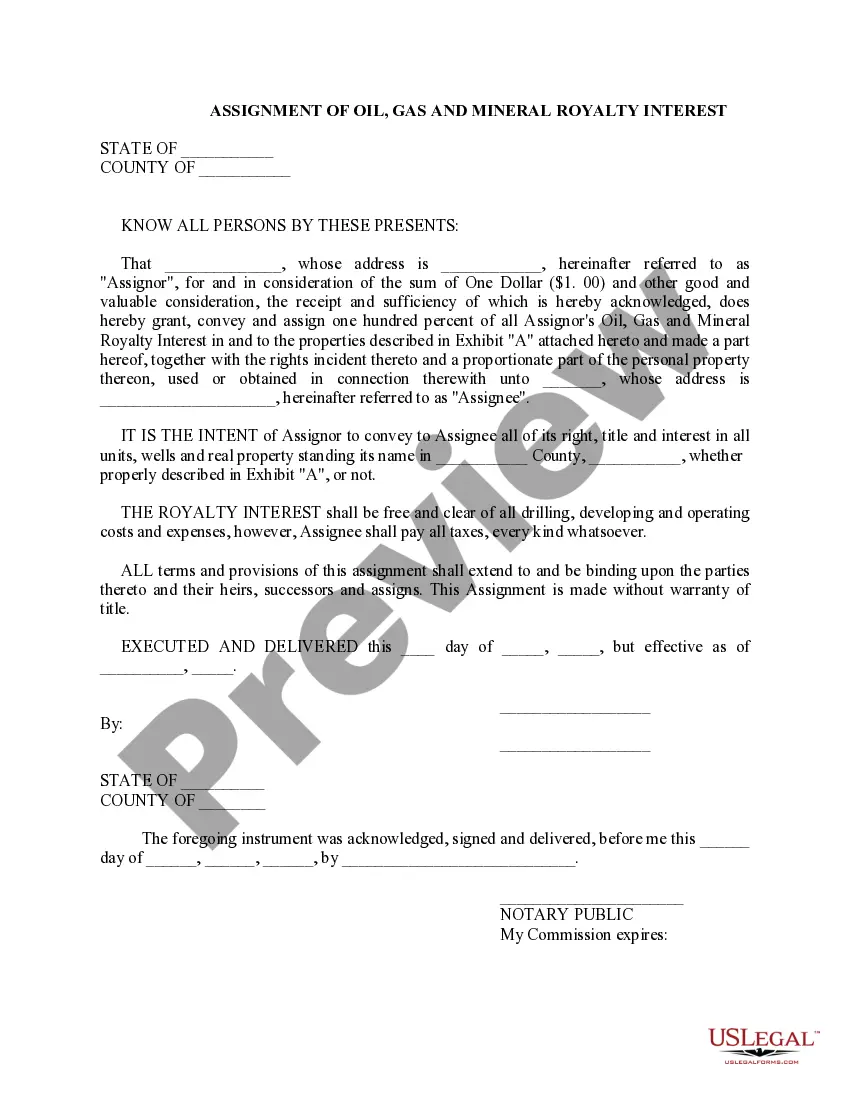
What Is The Difference Between Mineral Rights And Royalties
Description
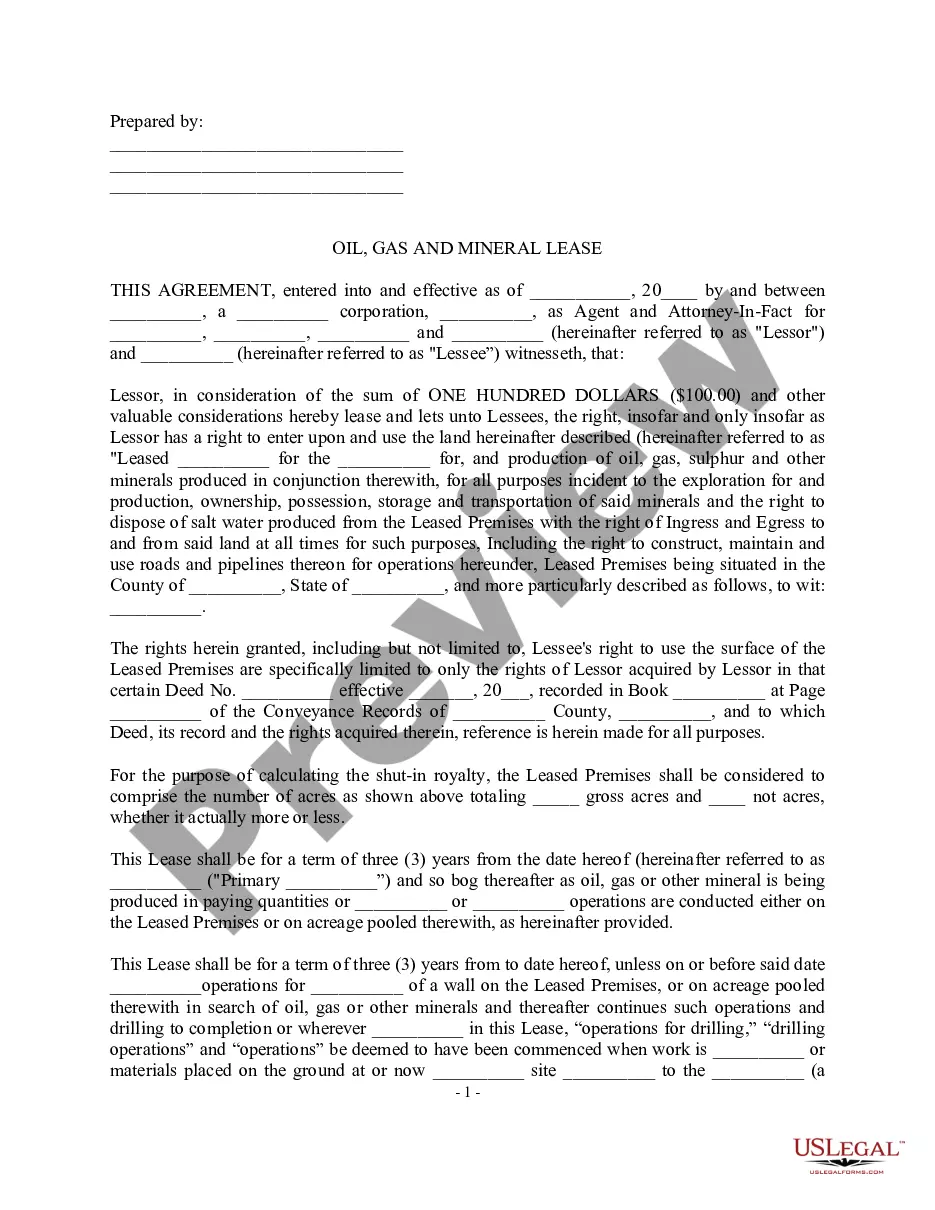
Get your form ready online
Our built-in tools help you complete, sign, share, and store your documents in one place.
Make edits, fill in missing information, and update formatting in US Legal Forms—just like you would in MS Word.
Download a copy, print it, send it by email, or mail it via USPS—whatever works best for your next step.
Sign and collect signatures with our SignNow integration. Send to multiple recipients, set reminders, and more. Go Premium to unlock E-Sign.
If this form requires notarization, complete it online through a secure video call—no need to meet a notary in person or wait for an appointment.
We protect your documents and personal data by following strict security and privacy standards.

Make edits, fill in missing information, and update formatting in US Legal Forms—just like you would in MS Word.

Download a copy, print it, send it by email, or mail it via USPS—whatever works best for your next step.

Sign and collect signatures with our SignNow integration. Send to multiple recipients, set reminders, and more. Go Premium to unlock E-Sign.

If this form requires notarization, complete it online through a secure video call—no need to meet a notary in person or wait for an appointment.

We protect your documents and personal data by following strict security and privacy standards.
Looking for another form?

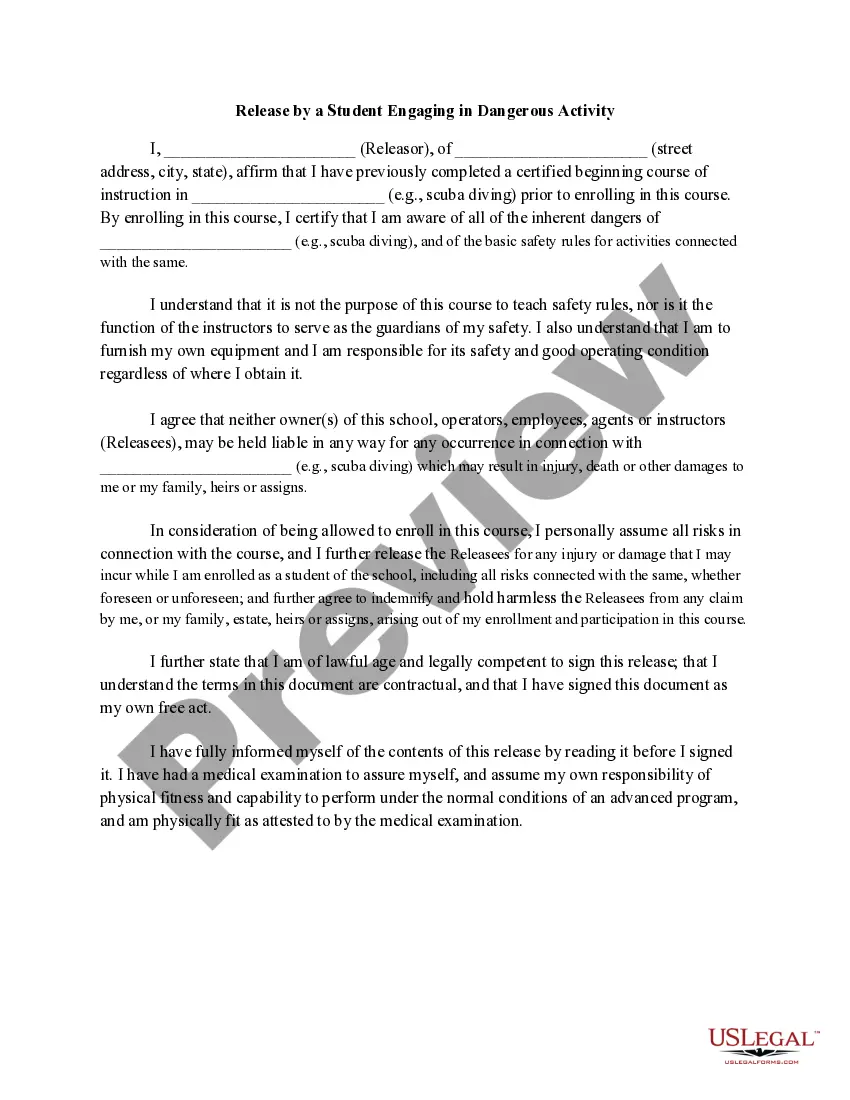



How to fill out Oil, Gas And Mineral Royalty Transfer?
- If you are an existing user, log into your account to access your form templates. Ensure your subscription is active and renew if necessary.
- For first-time users, begin by using the Preview mode to compare form descriptions. Choose the template that aligns with your legal requirements and local jurisdiction.
- In case you need alternative documents, use the Search function to find the appropriate template. Ensure it meets your specific circumstantial needs before proceeding.
- Select the desired document by clicking the Buy Now button, then pick a subscription plan that suits you best. Account registration is necessary for full access.
- Complete your purchase by inputting your payment details or using PayPal for convenience.
- Once your purchase is complete, download the template to your device so you can fill it out later. You can find it in your My Forms section anytime you need it.
US Legal Forms offers individuals and attorneys a streamlined way to access an extensive library of over 85,000 fillable legal documents. Each form is crafted for accuracy, ensuring users can navigate legal requirements confidently and efficiently.
Empower yourself with the right forms today! Explore our services at US Legal Forms and ensure your documents are accurate and legally sound.
Form popularity
FAQ
The difference between royalty and mineral rights lies in ownership and income. Mineral rights refer to the ownership of the minerals themselves, while royalties represent payments made to the rights holder when minerals are extracted. It is important to grasp this distinction to make informed decisions in land transactions and investments. Always refer back to what is the difference between mineral rights and royalties for clarity.
If someone owns mineral rights to your property, they hold the right to extract minerals from your land, regardless of your ownership. This means they may conduct drilling or mining operations, which can affect your property's use. It's essential to know how this interacts with your rights as the landowner, particularly when considering what is the difference between mineral rights and royalties.
If someone possesses mineral rights, they have the legal authority to explore and extract minerals from a specific property. This ownership can lead to profit through royalties or lease agreements when minerals are extracted. Understanding these rights helps clarify their financial implications. This is important when discussing what is the difference between mineral rights and royalties.
Your mineral rights may have considerable value, depending on the location and type of minerals present. If there's a market for those minerals, owners might receive offers for leasing or selling these rights. Evaluating your rights can help you understand their worth. This assessment ties back to what is the difference between mineral rights and royalties.
Yes, mineral rights are quite significant. They allow the owner to explore and extract minerals from below the surface of the land. This ownership can influence property value and potential income. Thus, understanding what is the difference between mineral rights and royalties is essential for landowners and investors.
Publishing rights refer to the rights associated with the publication and distribution of written works, while royalties are the income generated from those works. In the publishing industry, authors earn royalties based on the sales of their books, reflecting their share of the revenue. Understanding these differences aids in navigating issues related to compensation and ownership, and can connect back to the broader theme of what is the difference between mineral rights and royalties.
Rights and royalties encompass the legal permissions tied to creative works and the payments received for their use. Rights grant individuals or companies the authority to exploit their inventions, art, or other original works while royalties provide financial compensation for that exploitation. If you want to delve deeper into these concepts for personal or professional reasons, knowing the distinctions can enhance your grasp of what is the difference between mineral rights and royalties.
Another common name for mineral rights is subsurface rights. This term describes the legal rights to explore and extract resources from beneath the surface of a piece of land. These rights are essential for anyone looking to capitalize on resources such as oil, gas, or minerals. Understanding this terminology can further illuminate what is the difference between mineral rights and royalties in various contexts.
Music rights and royalties refer to the legal permissions granted to use music and the payments associated with that use. When a song is played, streamed, or purchased, royalties are collected for the copyright owner. This process ensures that creators are compensated for their work while helping listeners enjoy their art. Exploring these concepts can shed light on what is the difference between mineral rights and royalties, as both involve compensation for the use of resources.
A 7.5% royalty typically represents a share of the income generated from a resource, such as oil or gas. In the context of mineral rights, this means that if the resource generates profits, you, as the rights owner, receive 7.5% of those profits. It's essential to understand that this percentage does not reflect ownership of the resource itself, but rather a revenue share from it. This distinction ties back to the broader question of what is the difference between mineral rights and royalties.