Project Management For Dummies
Description
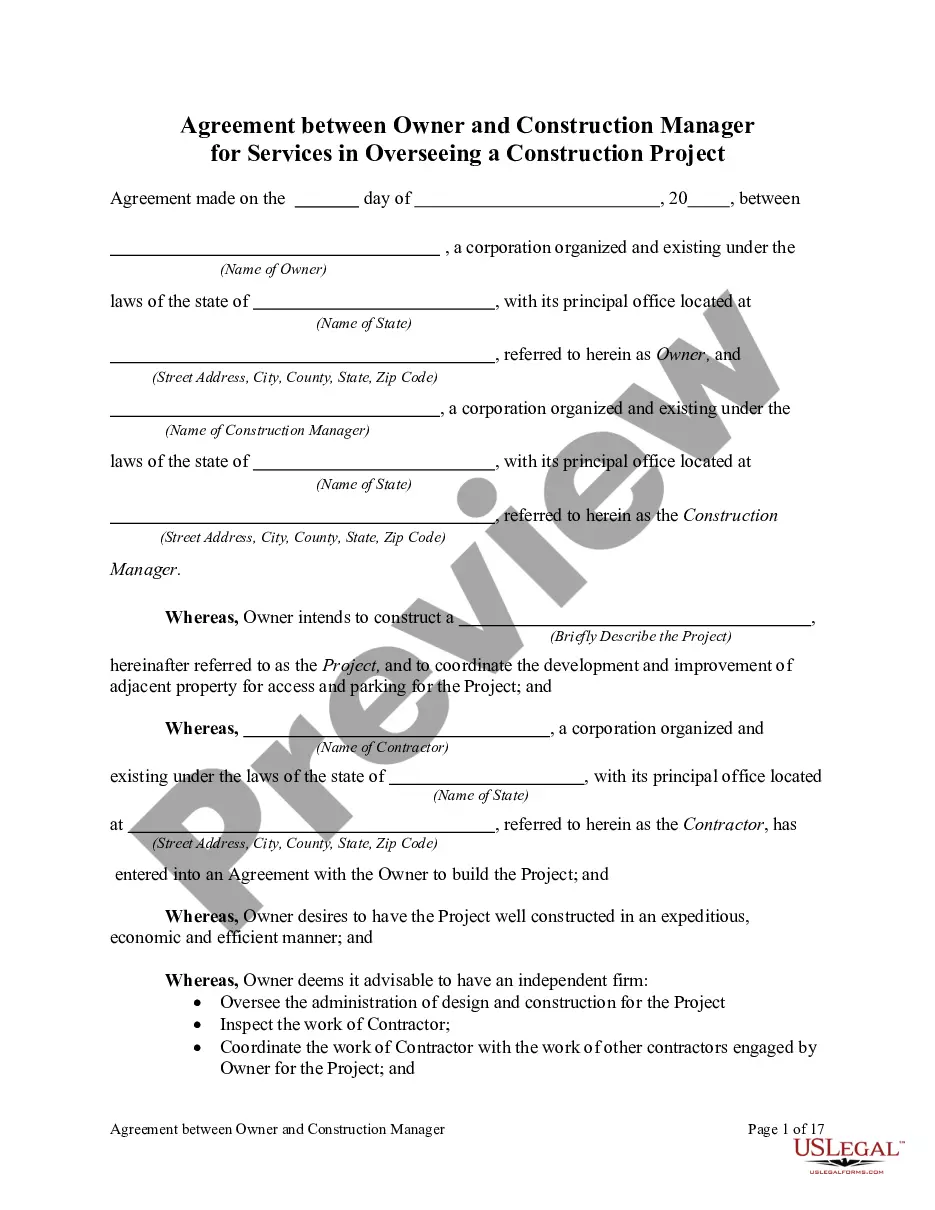
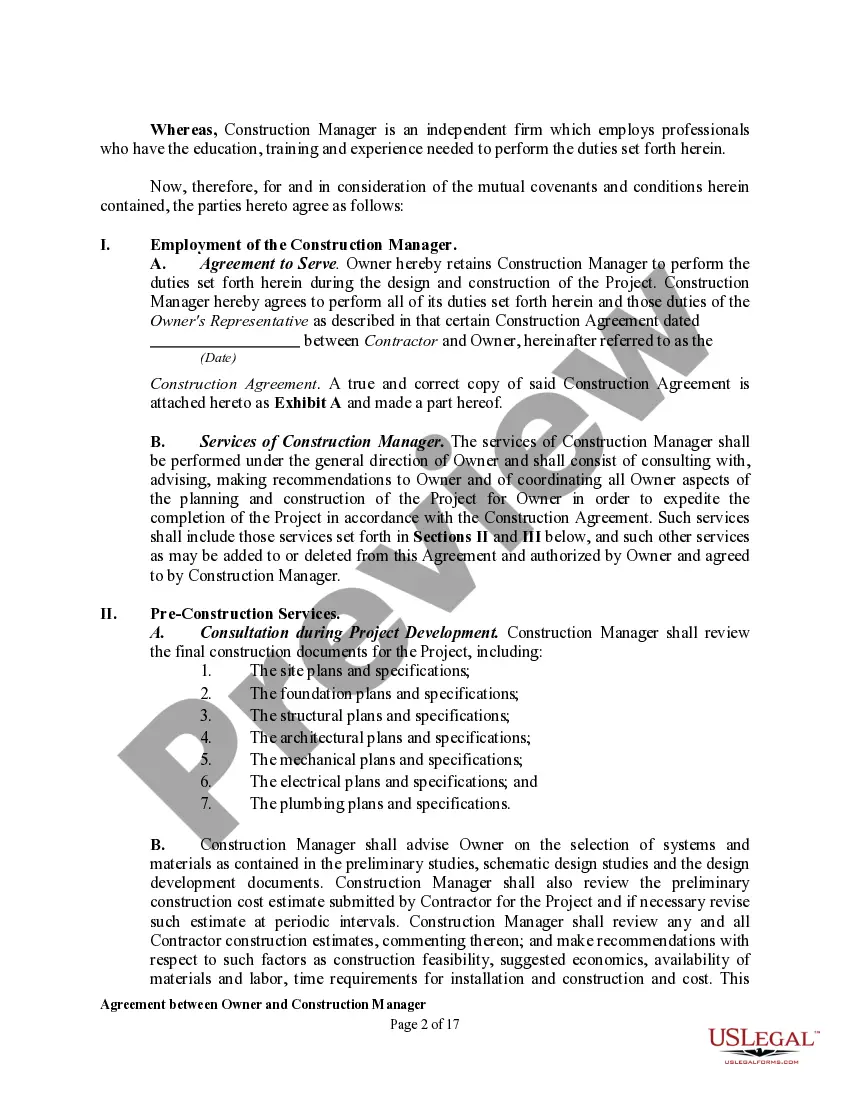
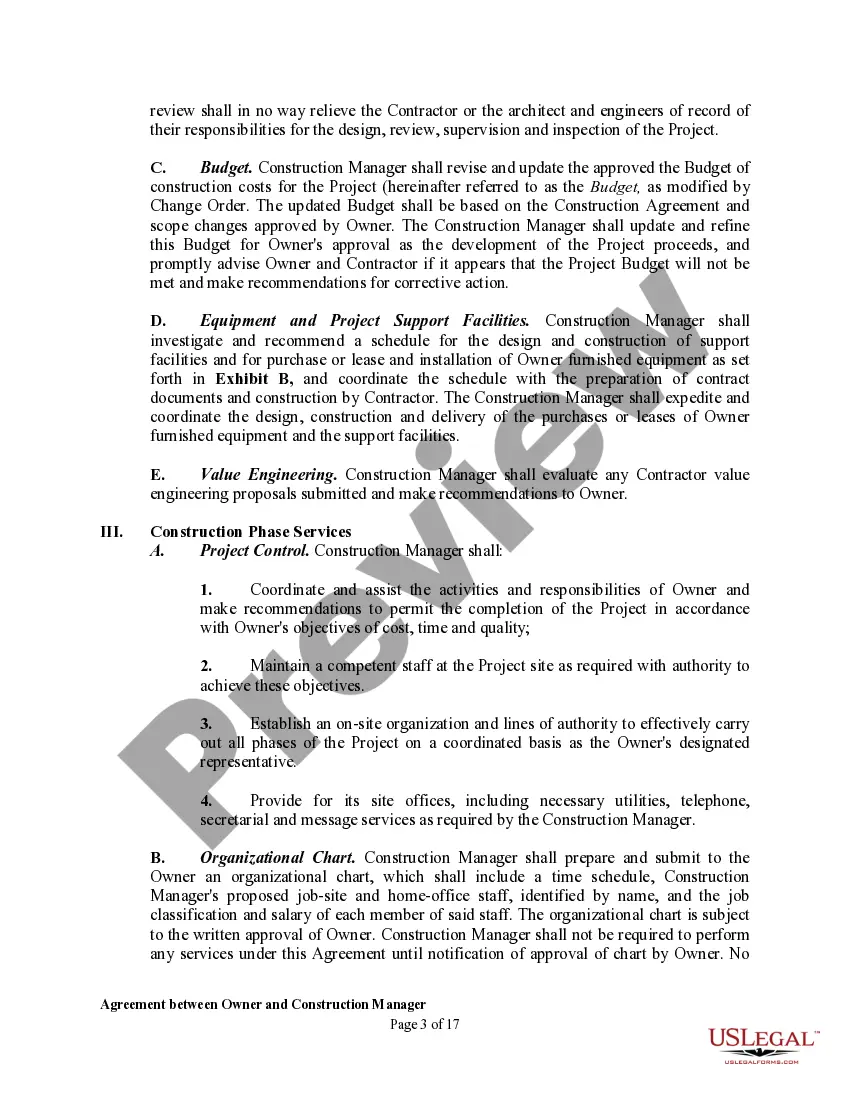
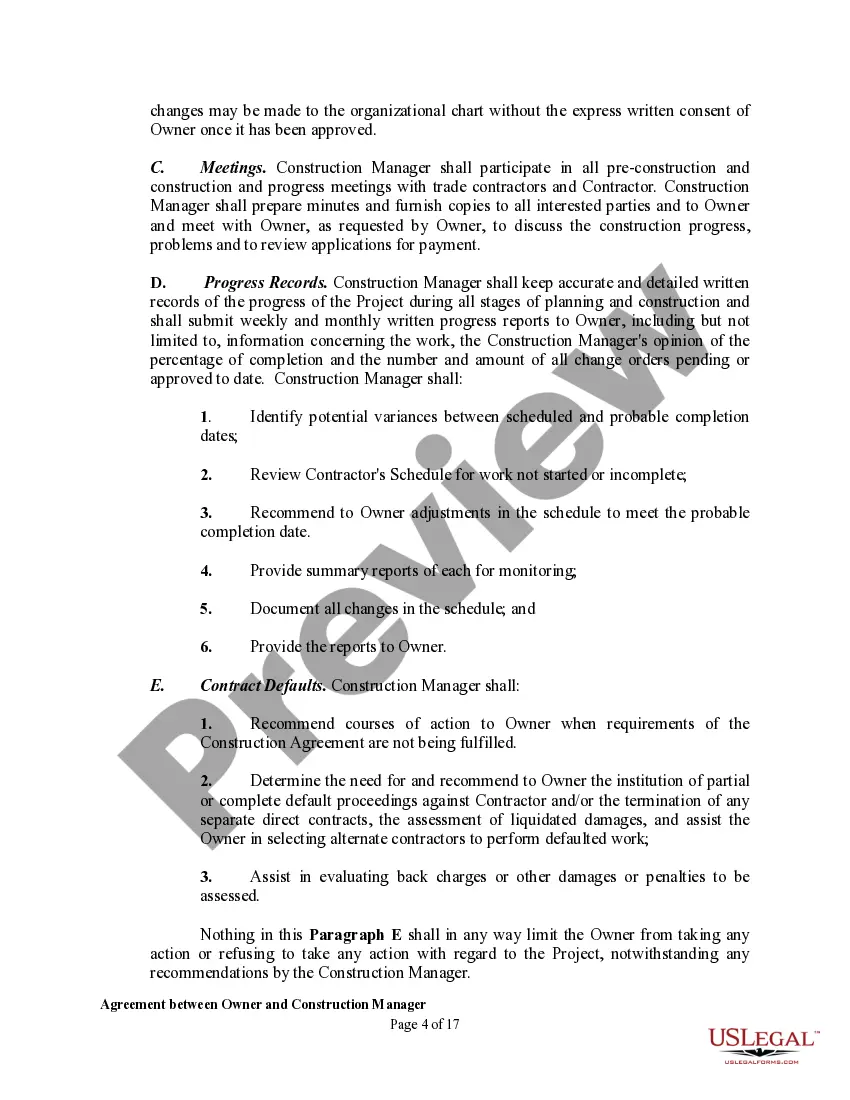

Get your form ready online
Our built-in tools help you complete, sign, share, and store your documents in one place.
Make edits, fill in missing information, and update formatting in US Legal Forms—just like you would in MS Word.
Download a copy, print it, send it by email, or mail it via USPS—whatever works best for your next step.
Sign and collect signatures with our SignNow integration. Send to multiple recipients, set reminders, and more. Go Premium to unlock E-Sign.
If this form requires notarization, complete it online through a secure video call—no need to meet a notary in person or wait for an appointment.
We protect your documents and personal data by following strict security and privacy standards.

Make edits, fill in missing information, and update formatting in US Legal Forms—just like you would in MS Word.

Download a copy, print it, send it by email, or mail it via USPS—whatever works best for your next step.

Sign and collect signatures with our SignNow integration. Send to multiple recipients, set reminders, and more. Go Premium to unlock E-Sign.

If this form requires notarization, complete it online through a secure video call—no need to meet a notary in person or wait for an appointment.

We protect your documents and personal data by following strict security and privacy standards.
Looking for another form?

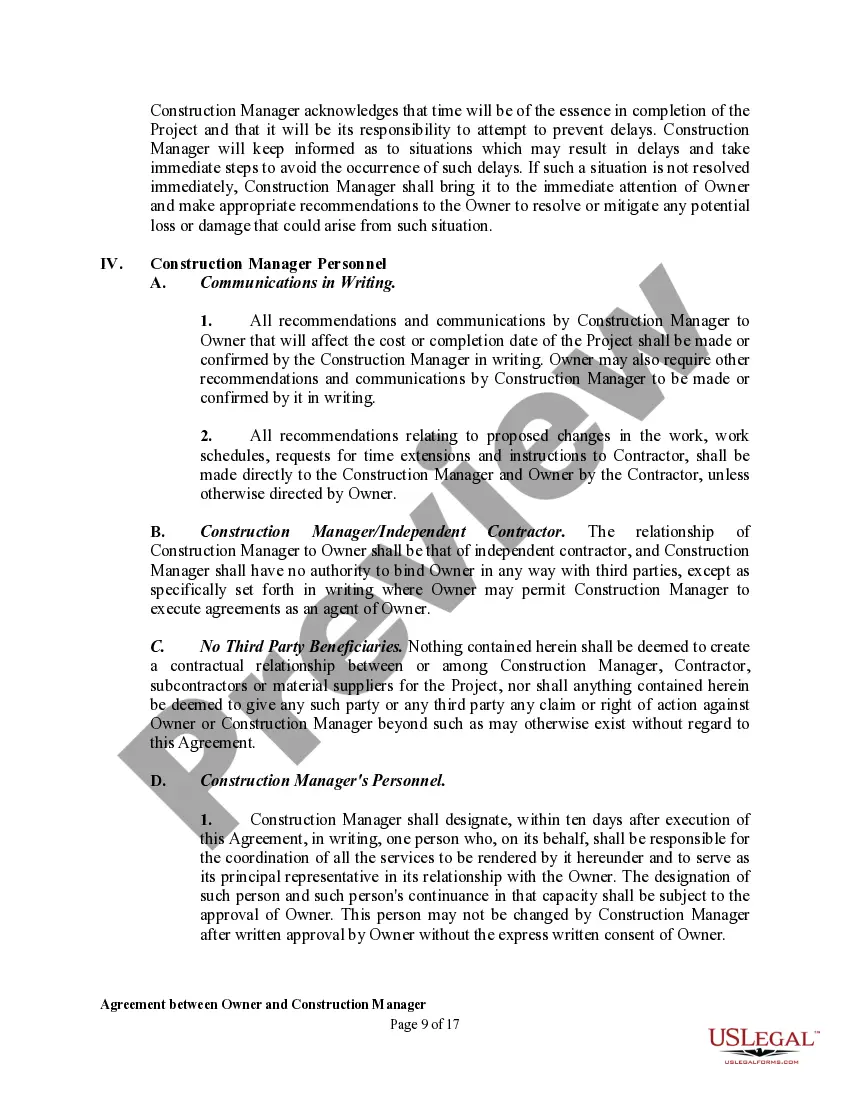
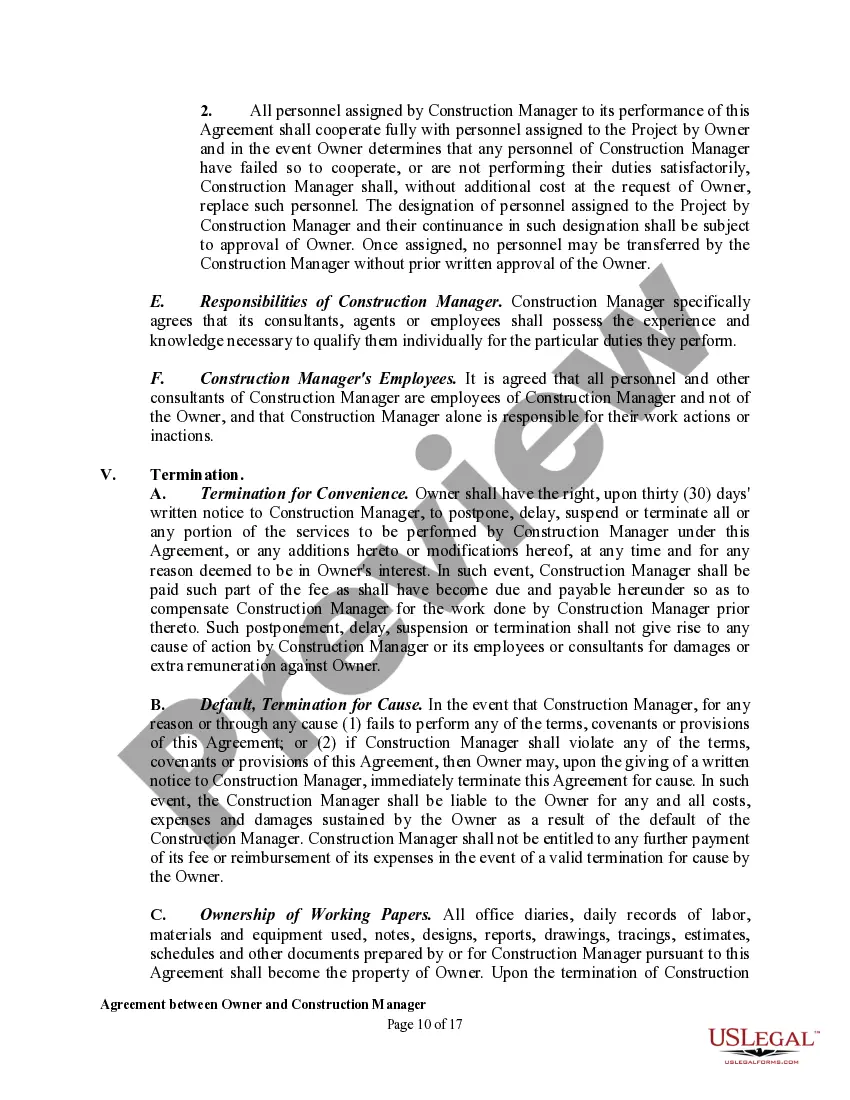
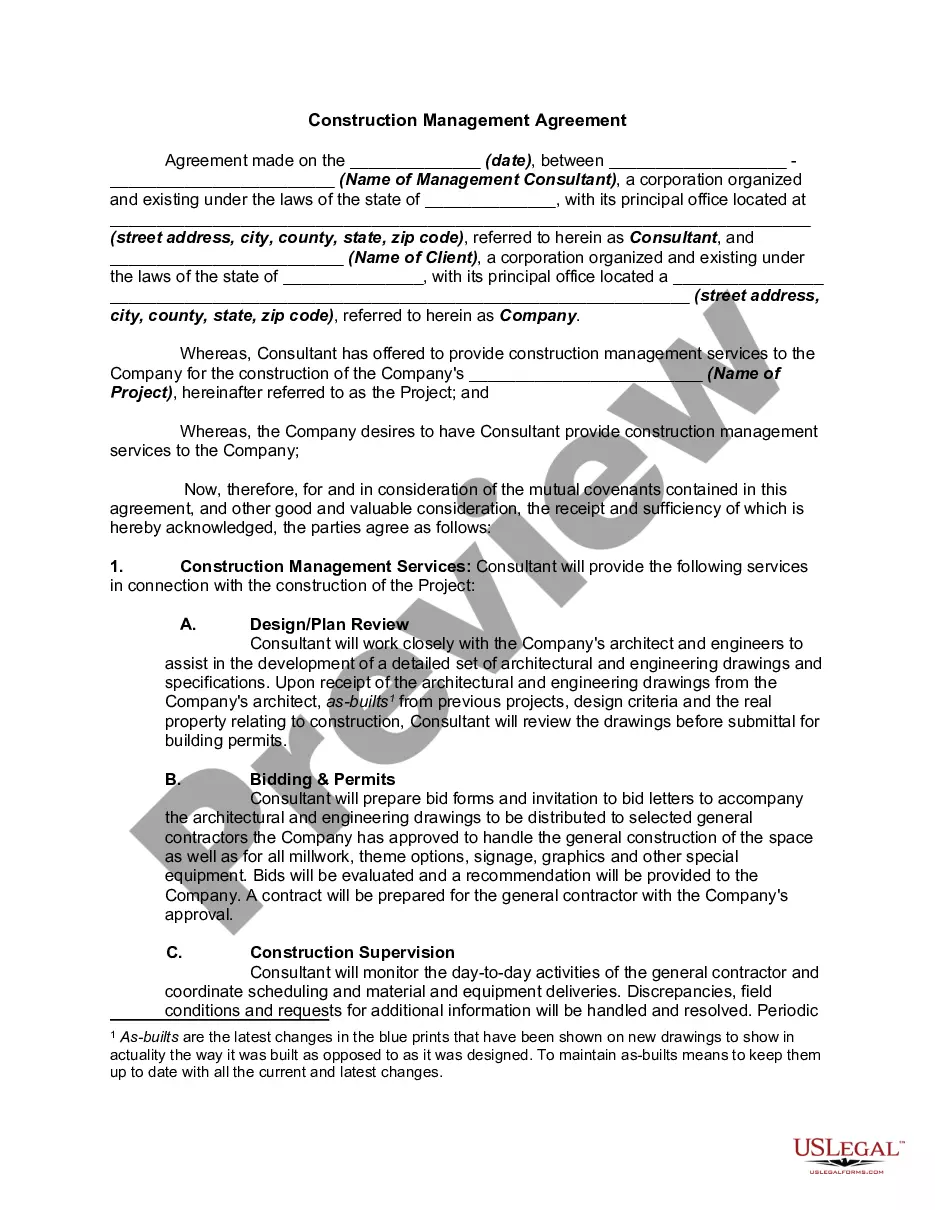
How to fill out Agreement Between Owner And Construction Manager For Services In Overseeing A Construction Project?
Whether for commercial purposes or for personal issues, everyone encounters legal matters sooner or later in their lifetime.
Completing legal forms requires meticulous care, starting with choosing the correct template.
After saving it, you can complete the form with editing software or print it and fill it out by hand. With a vast US Legal Forms catalog available, you won't waste time searching for the right template online. Utilize the library’s straightforward navigation to find the appropriate form for any event.
- Search for the example you require using the search bar or catalog browsing.
- Review the description of the form to confirm it meets your situation, state, and locality.
- Click on the preview of the form to view it.
- If it is the wrong document, return to the search feature to find the Project Management For Dummies template you seek.
- Download the template when it satisfies your criteria.
- If you possess a US Legal Forms account, click Log in to access previously saved templates in My documents.
- If you have not created an account yet, you can download the form by clicking Buy now.
- Choose the appropriate pricing option.
- Fill out the account registration form.
- Choose your payment method: using a credit card or PayPal account.
- Select the document format you desire and download the Project Management For Dummies.
Form popularity
FAQ
The 5 Whys is a problem-solving technique used to identify the root cause of an issue. By repeatedly asking 'why,' you can uncover underlying problems in your project. Understanding this method can greatly streamline processes, making it an essential concept in project management for dummies.
The 7s of project management refer to strategy, structure, systems, shared values, skills, style, and staff. Each 's' plays a vital role in the success of any project, as they contribute to effective project organization and execution. Learning about these 7s provides a solid foundation for project management for dummies.
The C's of project management include communication, collaboration, control, and commitment. Focusing on these elements enhances teamwork and project success. For those seeking to simplify their approach, these key C's can clarify the principles of project management for dummies.
The 7 C's checklist comprises clarity, conciseness, concreteness, correctness, completeness, consideration, and courtesy. Using this checklist ensures effective communication within project teams, fostering collaboration and understanding. Employing these principles makes project management for dummies much easier to implement.
The 5 W's of project management—who, what, where, when, and why—provide a framework for identifying key aspects of any project. Clearly answering these questions ensures that all team members are aligned and informed from the project's onset. This approach contributes to effective project management for dummies.
The 5Ws in project management refer to who, what, where, when, and why. These questions help clarify the essential elements of a project, ensuring all stakeholders have a clear understanding. This foundational framework is particularly useful for those practicing project management for dummies.
The five principles of project management include stakeholder satisfaction, a clear project plan, an effective team, quality control, and risk management. Adhering to these principles helps ensure that projects are completed on time and within budget. For beginners, learning these principles simplifies the process and makes project management for dummies accessible.
The seven phases of project management are initiation, planning, execution, monitoring, controlling, closure, and post-project review. Each phase plays a crucial role in defining the project scope and ensuring the project meets its objectives. By understanding these phases, you can navigate your project effectively, making project management for dummies more manageable.
Yes, project management can certainly be self-taught. By utilizing online courses, reading informative articles, and engaging in practical exercises, you can grasp basic concepts. For those interested in a hands-on approach, resources like US Legal Forms offer customizable templates that support your learning in project management for dummies. It is an accessible way to gain practical expertise and elevate your skills.
The 7 C's of project management consist of clarity, communication, commitment, competence, creativity, coordination, and customer focus. Understanding and implementing these concepts can simplify the complexities of project management for dummies. Each 'C' serves as a guiding principle for leading teams and driving projects effectively. Integrating these aspects can vastly improve project performance.