Difference Between Subscription Agreement And Contribution Agreement
Description
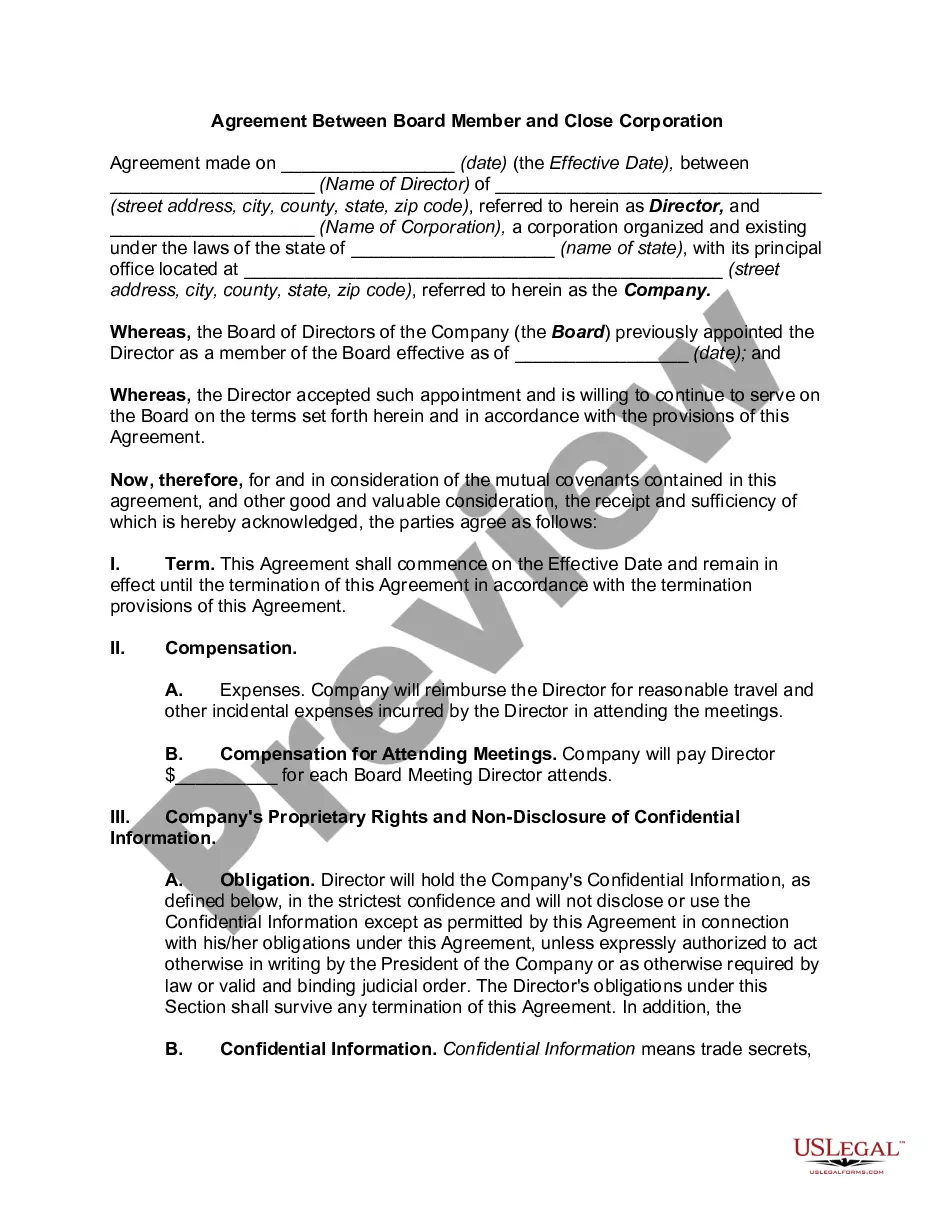
Get your form ready online
Our built-in tools help you complete, sign, share, and store your documents in one place.
Make edits, fill in missing information, and update formatting in US Legal Forms—just like you would in MS Word.
Download a copy, print it, send it by email, or mail it via USPS—whatever works best for your next step.
Sign and collect signatures with our SignNow integration. Send to multiple recipients, set reminders, and more. Go Premium to unlock E-Sign.
If this form requires notarization, complete it online through a secure video call—no need to meet a notary in person or wait for an appointment.
We protect your documents and personal data by following strict security and privacy standards.

Make edits, fill in missing information, and update formatting in US Legal Forms—just like you would in MS Word.

Download a copy, print it, send it by email, or mail it via USPS—whatever works best for your next step.

Sign and collect signatures with our SignNow integration. Send to multiple recipients, set reminders, and more. Go Premium to unlock E-Sign.

If this form requires notarization, complete it online through a secure video call—no need to meet a notary in person or wait for an appointment.

We protect your documents and personal data by following strict security and privacy standards.
Looking for another form?
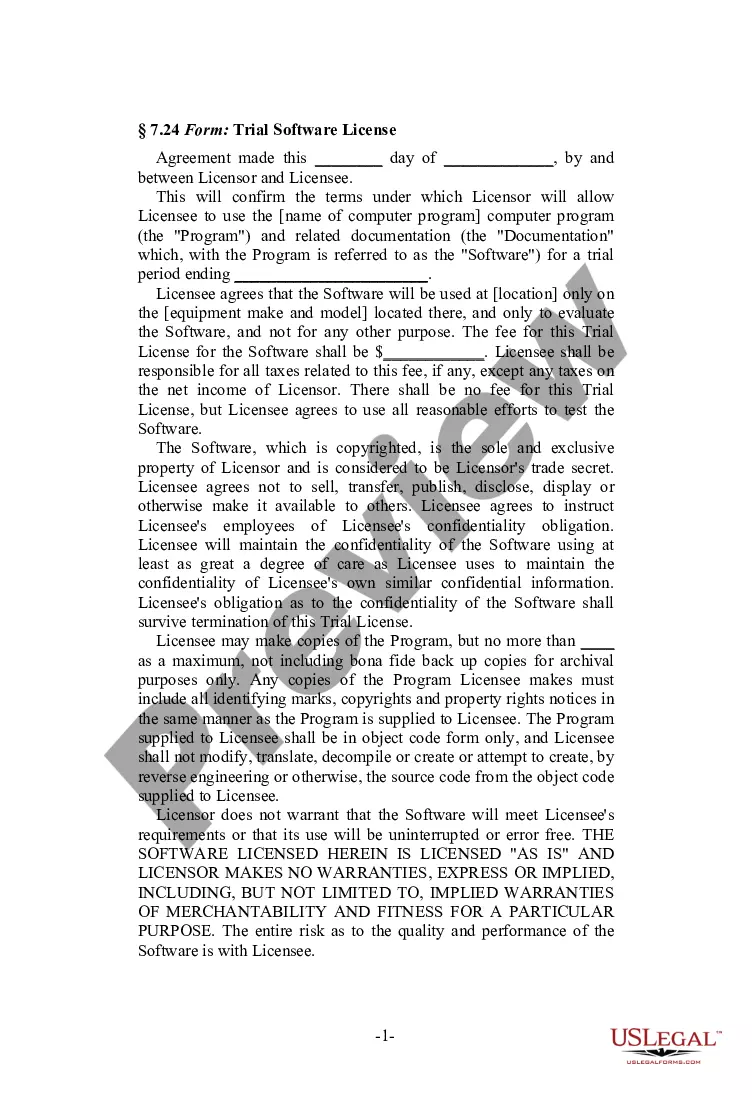
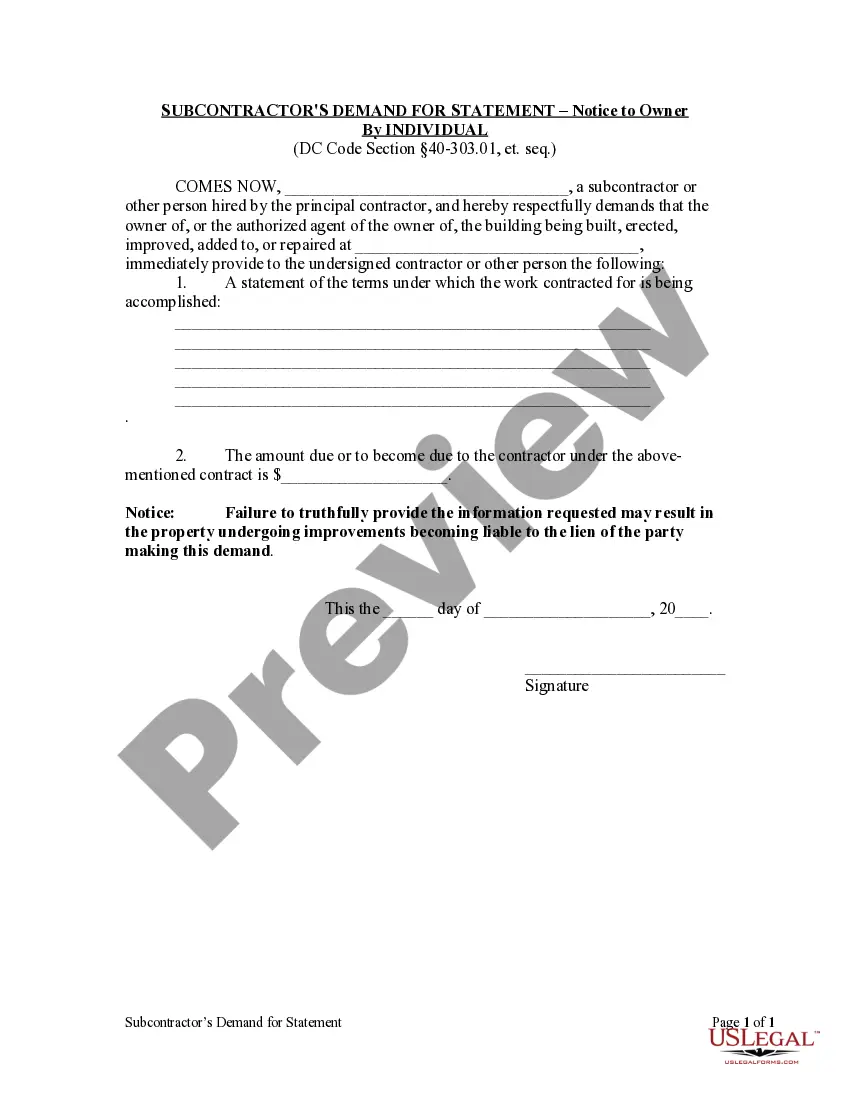
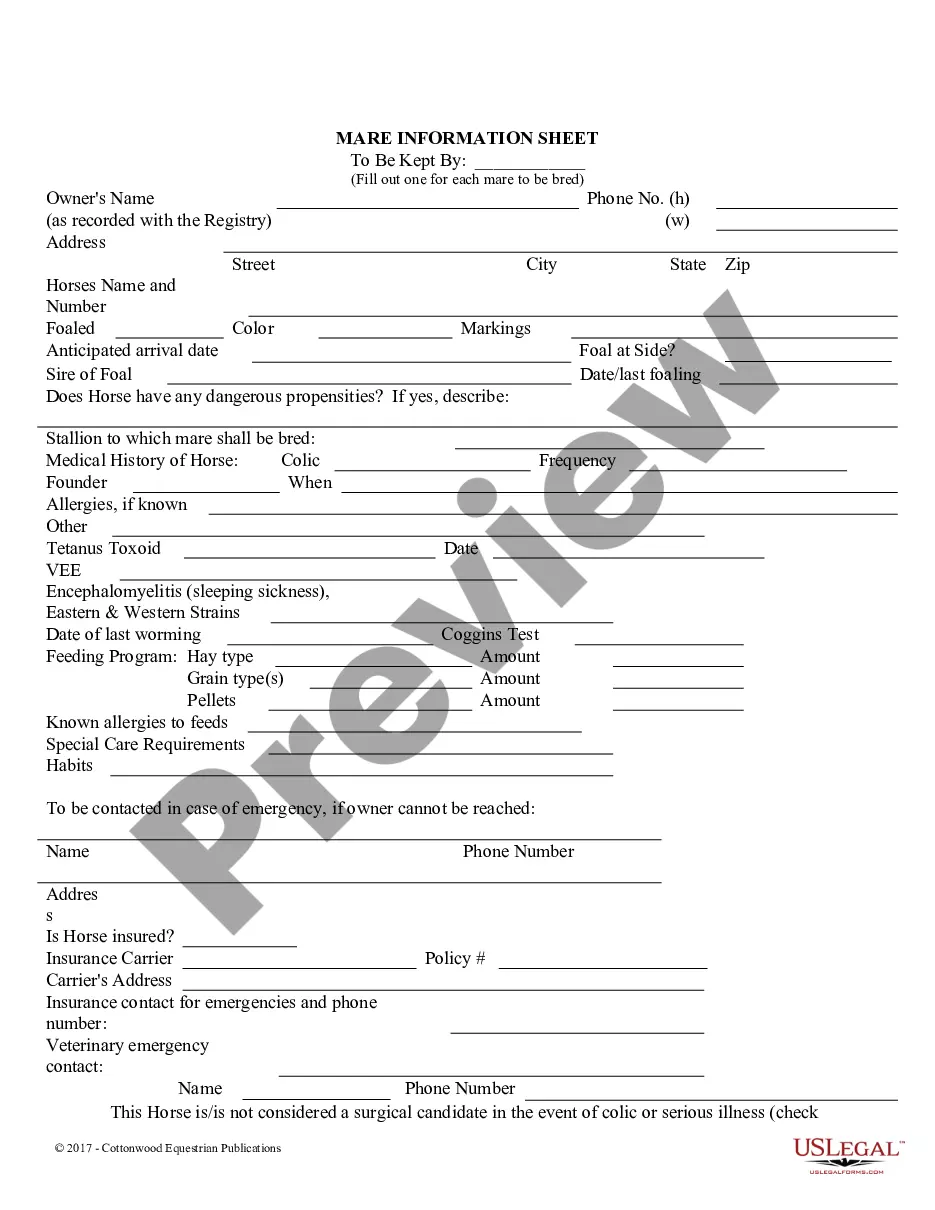
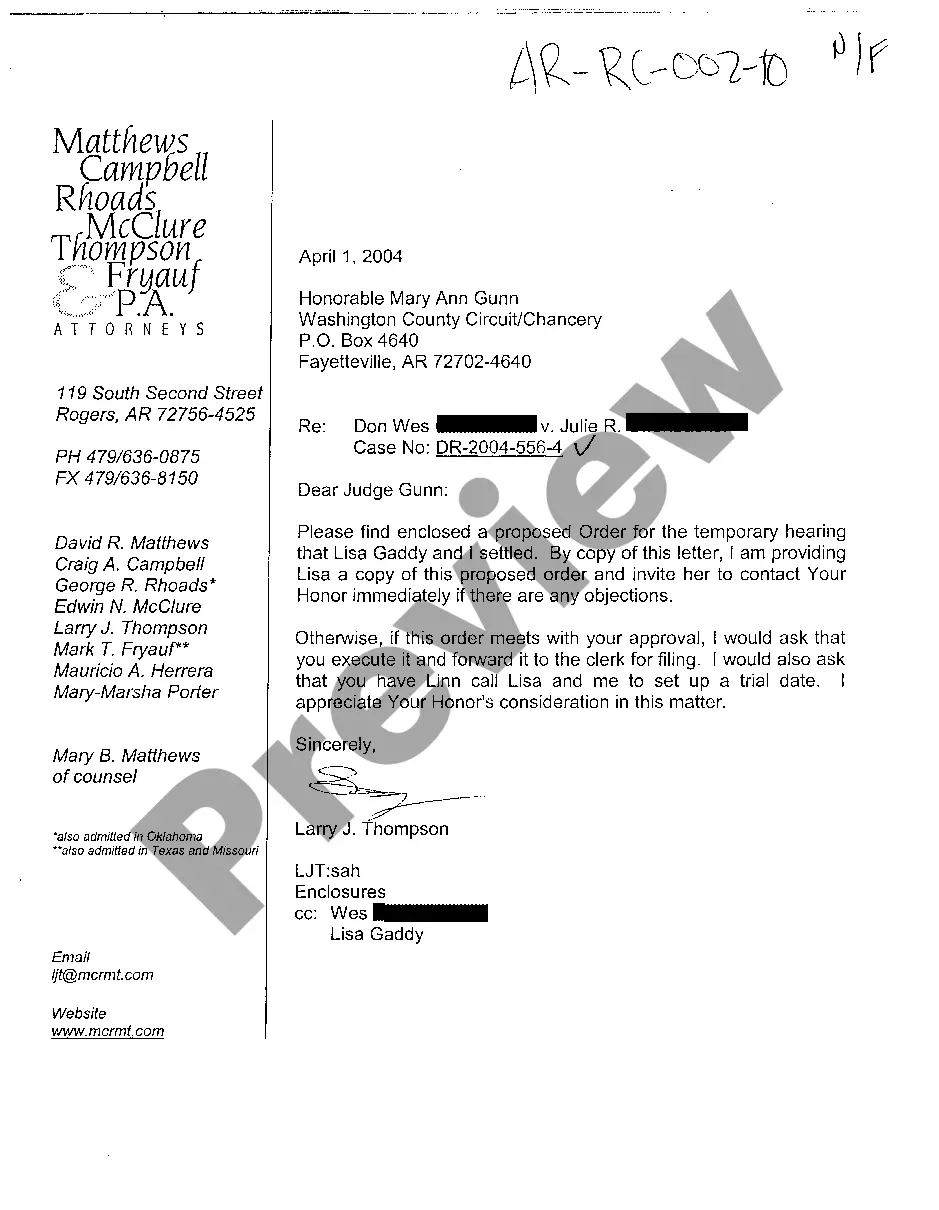
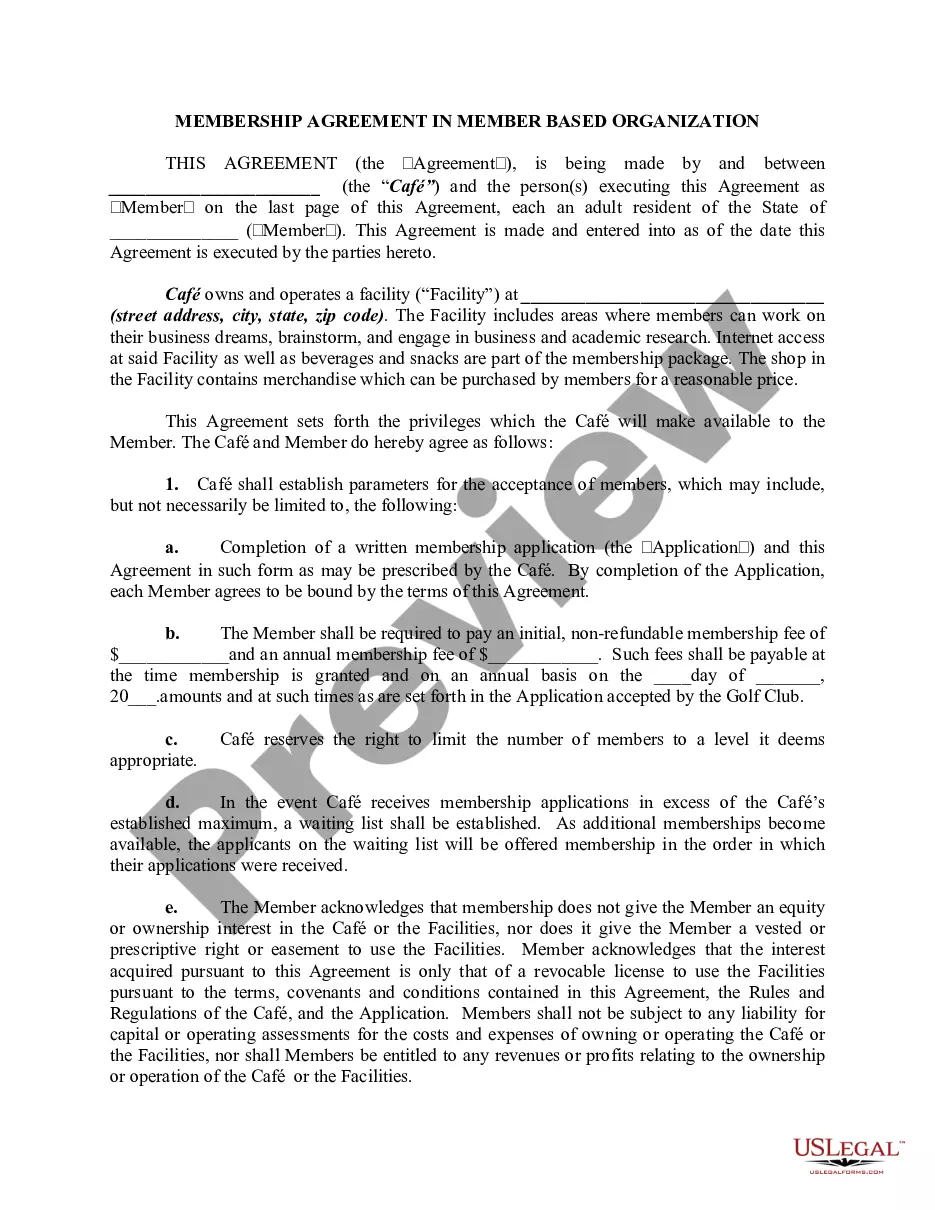
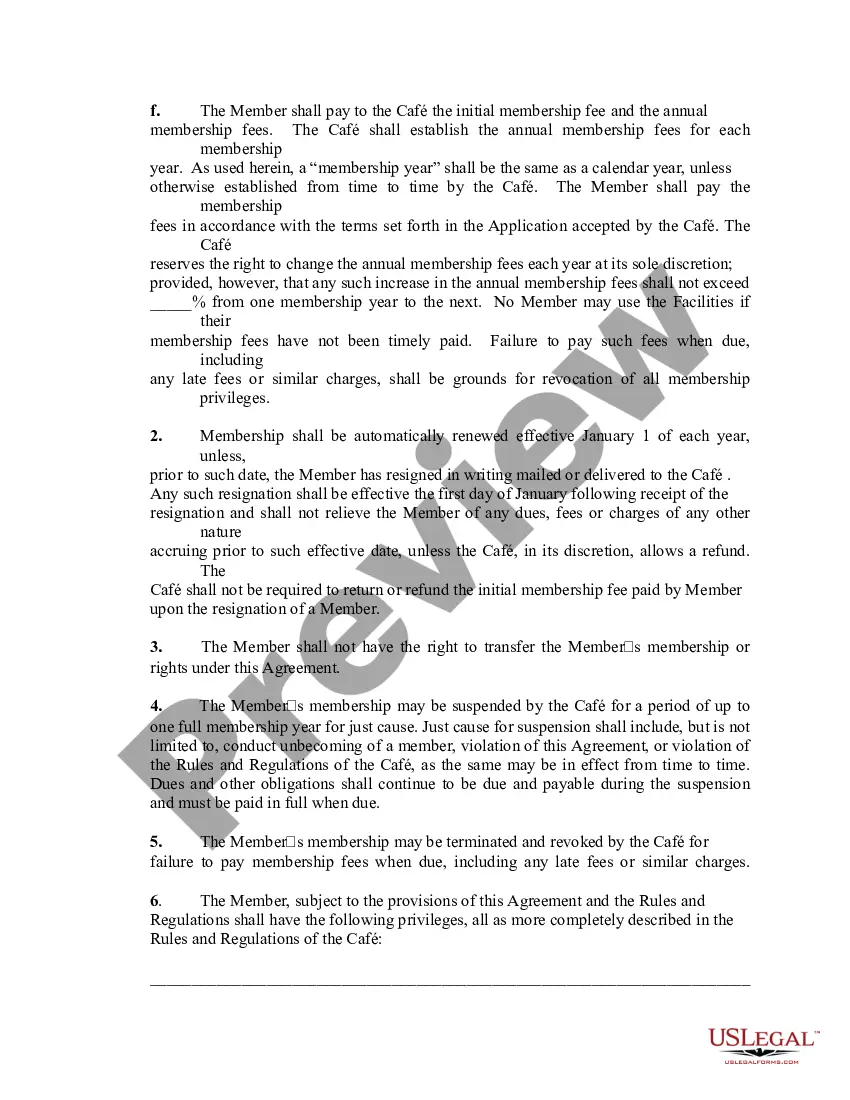
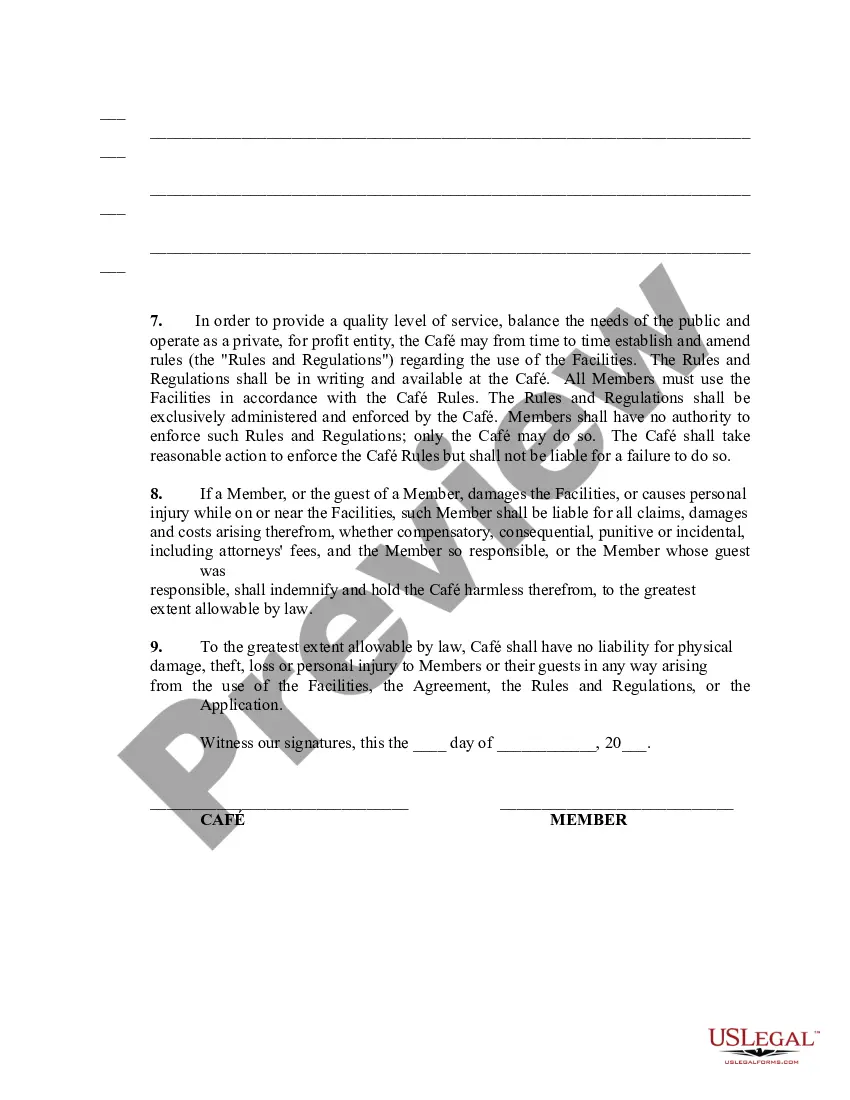
How to fill out Membership Agreement In Member Based Organization?
Whether for commercial purposes or personal issues, everyone must handle legal matters at some stage in their lives.
Filling out legal documents demands meticulous attention, starting with choosing the proper form template.
With a vast US Legal Forms catalog available, you no longer need to waste time searching for the right template online. Utilize the library’s user-friendly navigation to find the appropriate template for any situation.
- Locate the template you need by using the search bar or navigating the catalog.
- Review the form’s description to ensure it suits your case, jurisdiction, and area.
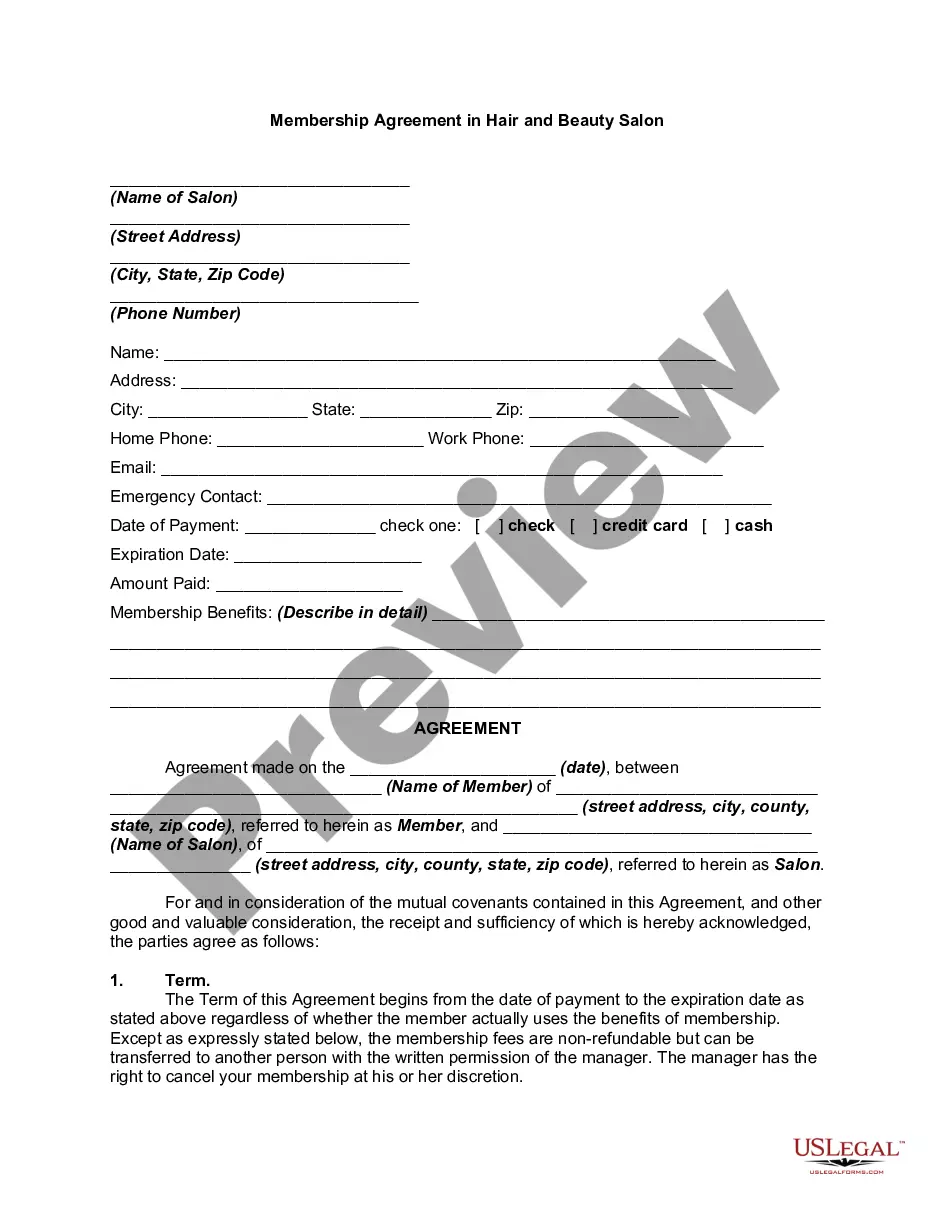
- Click on the form’s preview to examine it.
- If it's not the correct form, return to the search function to find the Difference Between Subscription Agreement And Contribution Agreement model you need.
- Obtain the document once it aligns with your requirements.
- If you possess a US Legal Forms account, click Log in to access previously saved templates in My documents.
- If you do not have an account yet, you can acquire the form by clicking Buy now.
- Select the suitable pricing option.
- Complete the profile registration form.
- Choose your payment method: you may utilize a credit card or PayPal account.
- Select the document format you desire and download the Difference Between Subscription Agreement And Contribution Agreement.
- Once saved, you can fill out the form using editing software or print it to complete it by hand.
Form popularity
FAQ
A document is a written instrument. Historically, a document was a piece of paper with information on it, but the term's definition has since expanded to cover information stored in any medium, tangible as well as electronic. To document means to create a record of; the act of creating a document (as defined above).
You can also write your will yourself. This is called a Holographic Will. The Will must be written in your own handwriting and signed by you. No witnesses are needed.
These range from foundational documents like contracts, wills, and deeds to more specialized legal documents such as court pleadings, affidavits, and legal briefs. Court pleadings, for instance, are formal statements filed with a court that outline the issues to be decided in a case.
You can make a will without a lawyer in Maine, and it will be valid as long as you follow the requirements set out by state law, including those outlined above.
Steps to Create a Will in Maine Decide what property to include in your will. Decide who will inherit your property. Choose an executor to handle your estate. Choose a guardian for your children. Choose someone to manage children's property. Make your will. Sign your will in front of witnesses. Store your will safely.
Legal documents must meet certain requirements to be considered valid. For example, they must be signed by all parties involved and may need to be notarized or witnessed by a third party. They should also clearly state the terms of any agreement made between the parties involved.
In short, a legal document by definition is one that outlines an agreement between two or more parties that has been signed by mutual assent and in all other respects can be relied upon in court.
Examples of these documents include birth certificates, contracts, deeds, leases, titles, wills, etc. During a trial or in preparation of a trial, documents such as a complaint or a summons can also be referred to as legal papers.