Semi Trailer Rental Agreement Format
Description
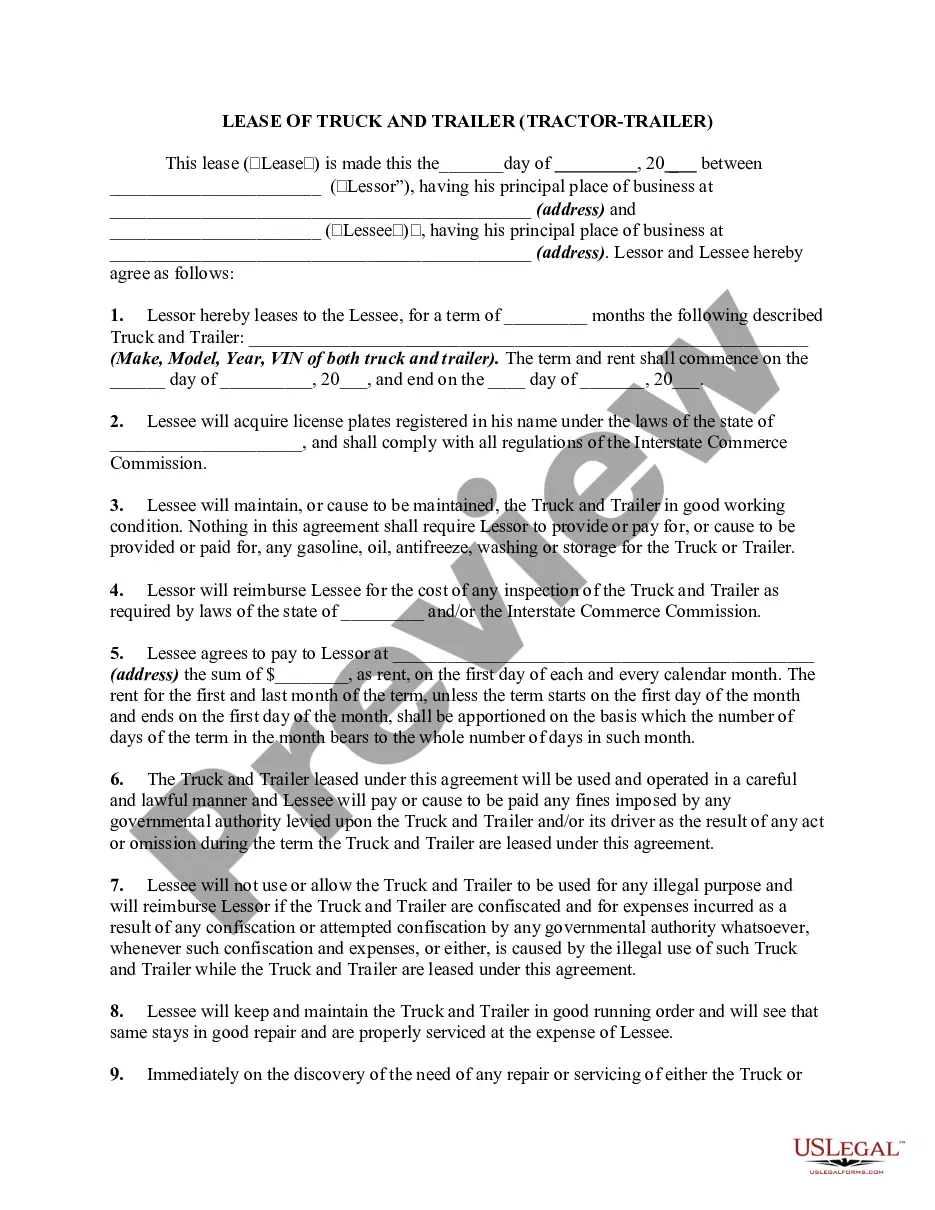
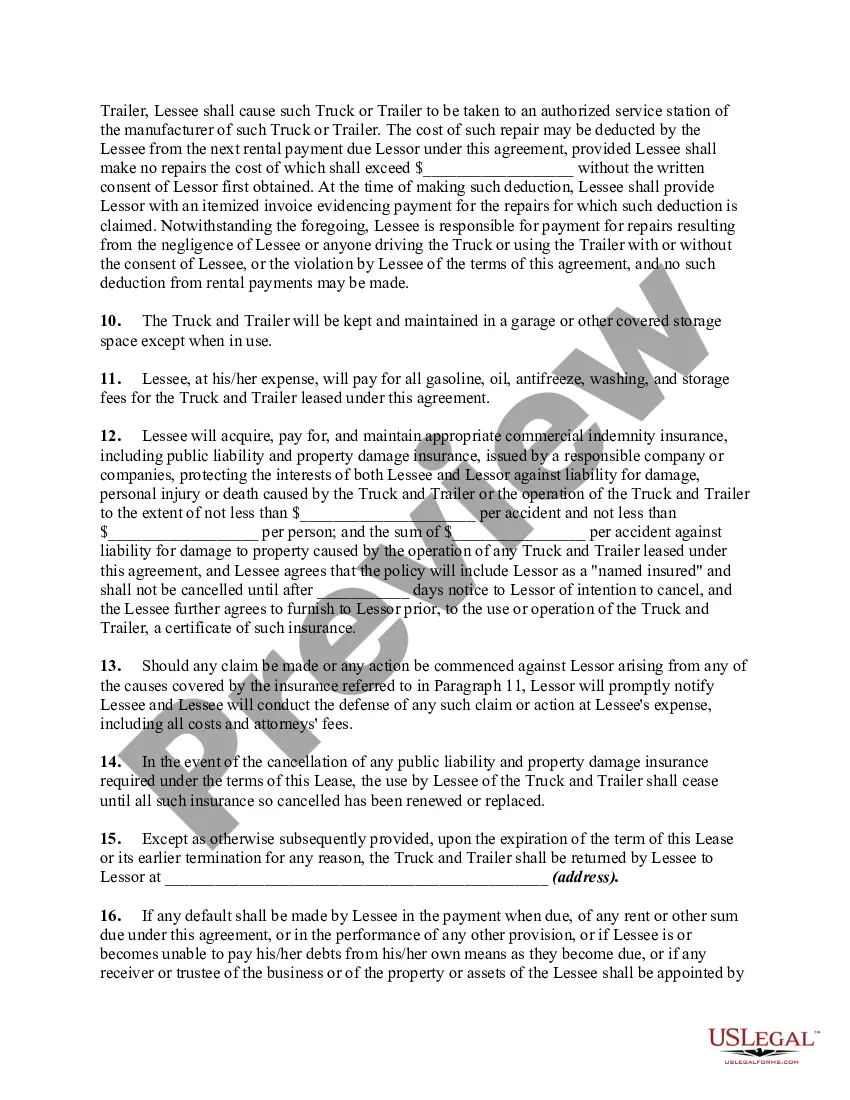
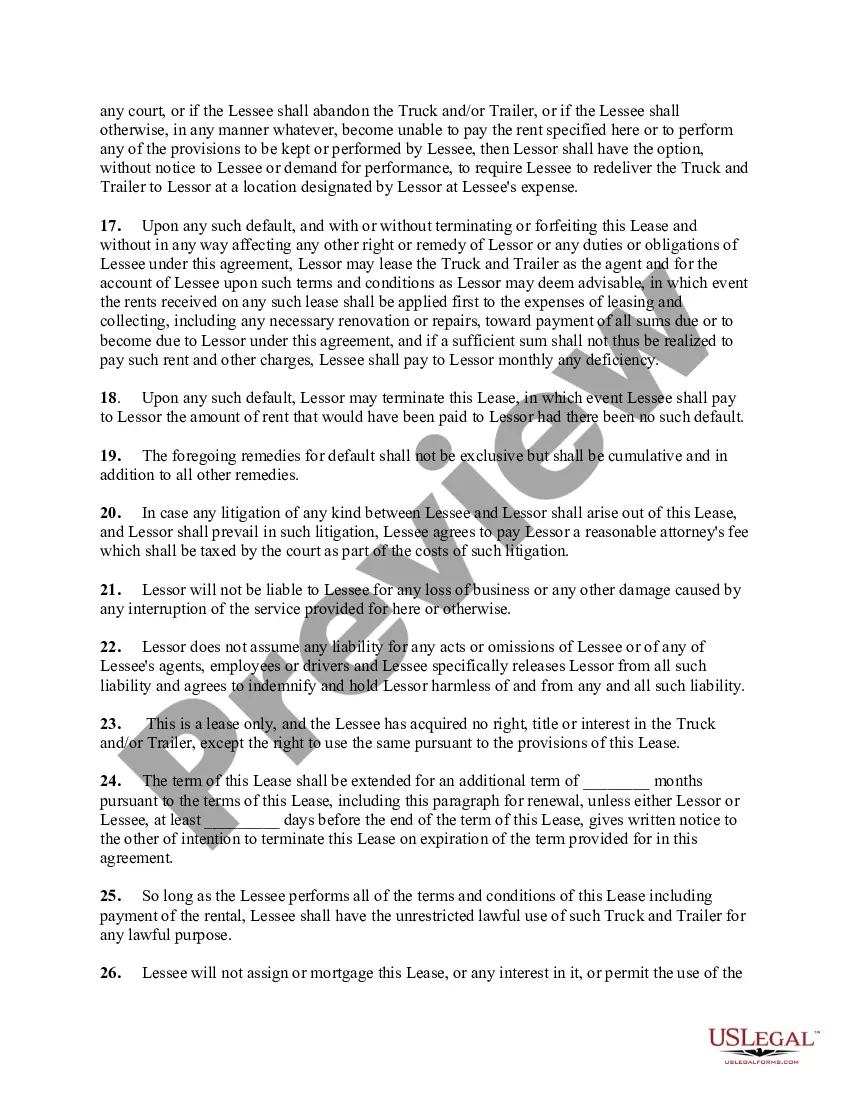
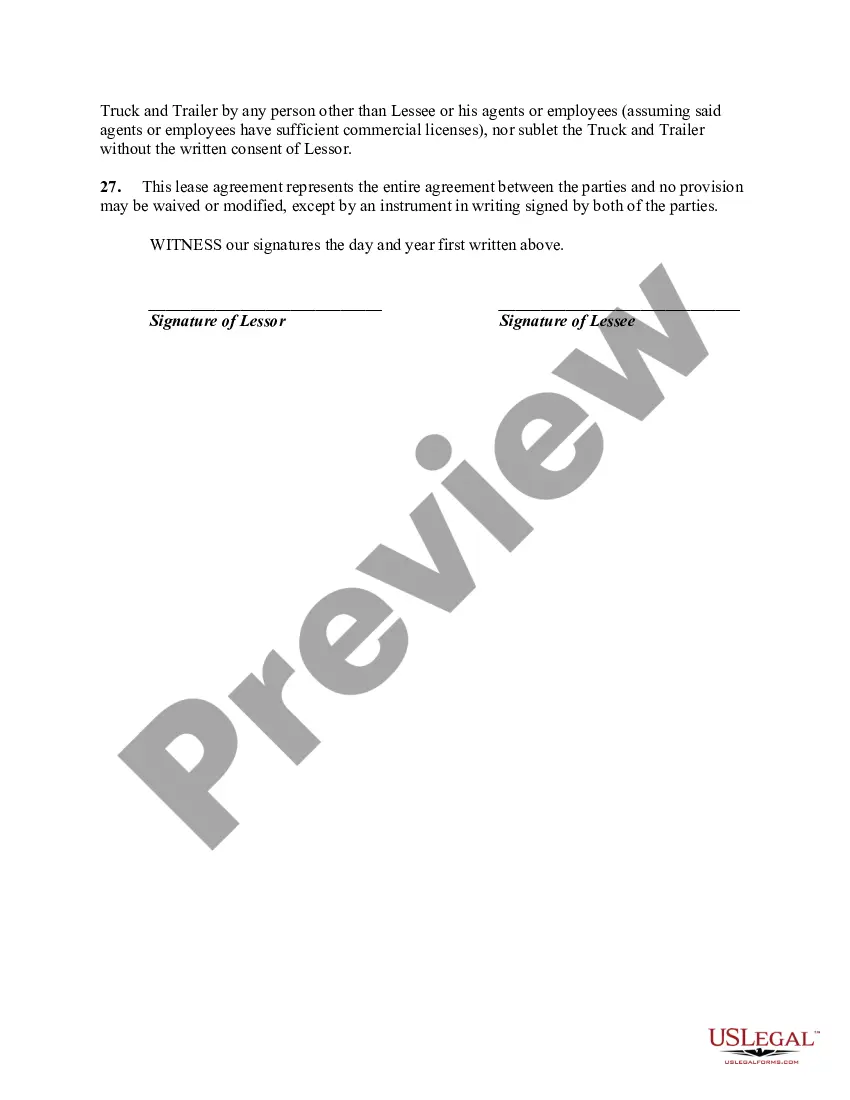

Get your form ready online
Our built-in tools help you complete, sign, share, and store your documents in one place.
Make edits, fill in missing information, and update formatting in US Legal Forms—just like you would in MS Word.
Download a copy, print it, send it by email, or mail it via USPS—whatever works best for your next step.
Sign and collect signatures with our SignNow integration. Send to multiple recipients, set reminders, and more. Go Premium to unlock E-Sign.
If this form requires notarization, complete it online through a secure video call—no need to meet a notary in person or wait for an appointment.
We protect your documents and personal data by following strict security and privacy standards.

Make edits, fill in missing information, and update formatting in US Legal Forms—just like you would in MS Word.

Download a copy, print it, send it by email, or mail it via USPS—whatever works best for your next step.

Sign and collect signatures with our SignNow integration. Send to multiple recipients, set reminders, and more. Go Premium to unlock E-Sign.

If this form requires notarization, complete it online through a secure video call—no need to meet a notary in person or wait for an appointment.

We protect your documents and personal data by following strict security and privacy standards.
Looking for another form?
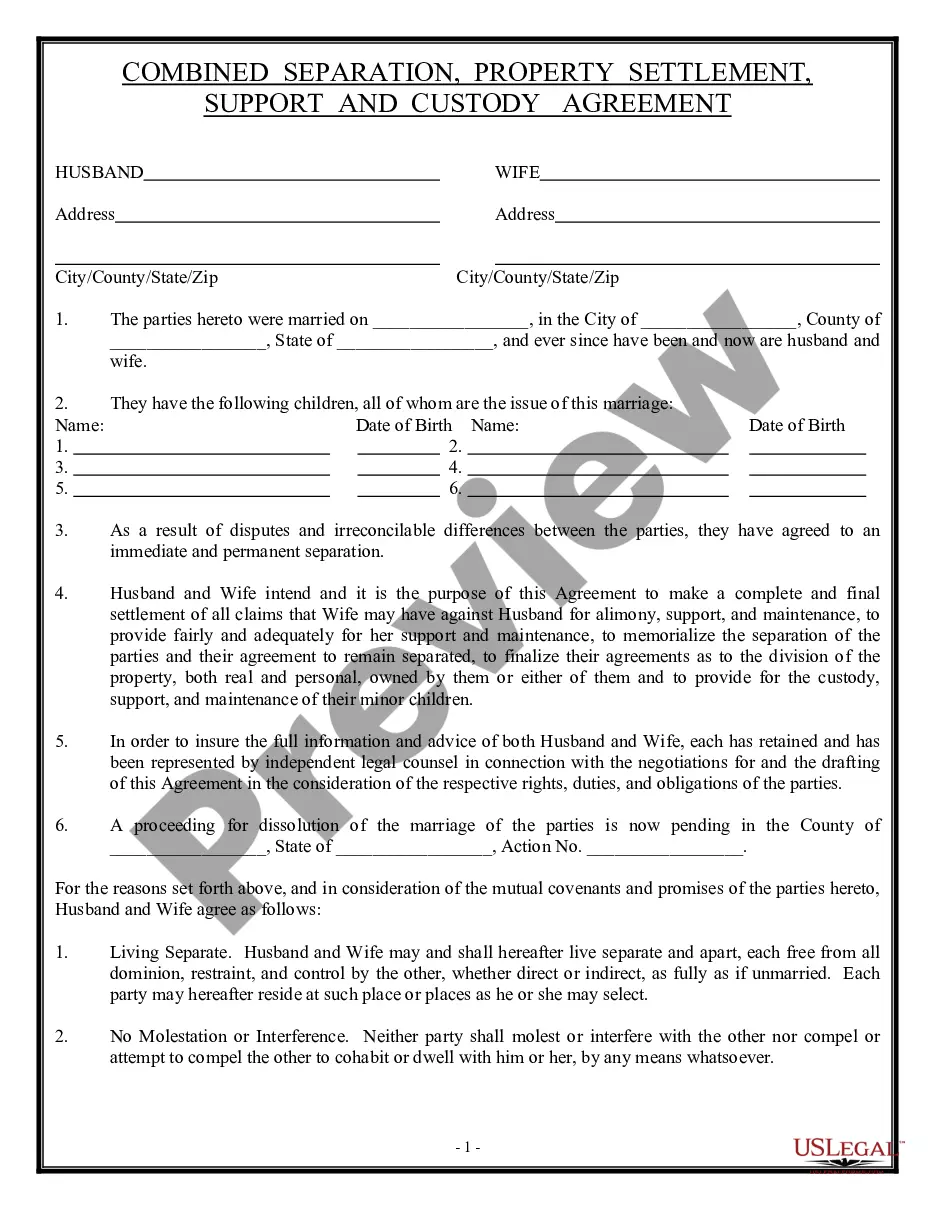
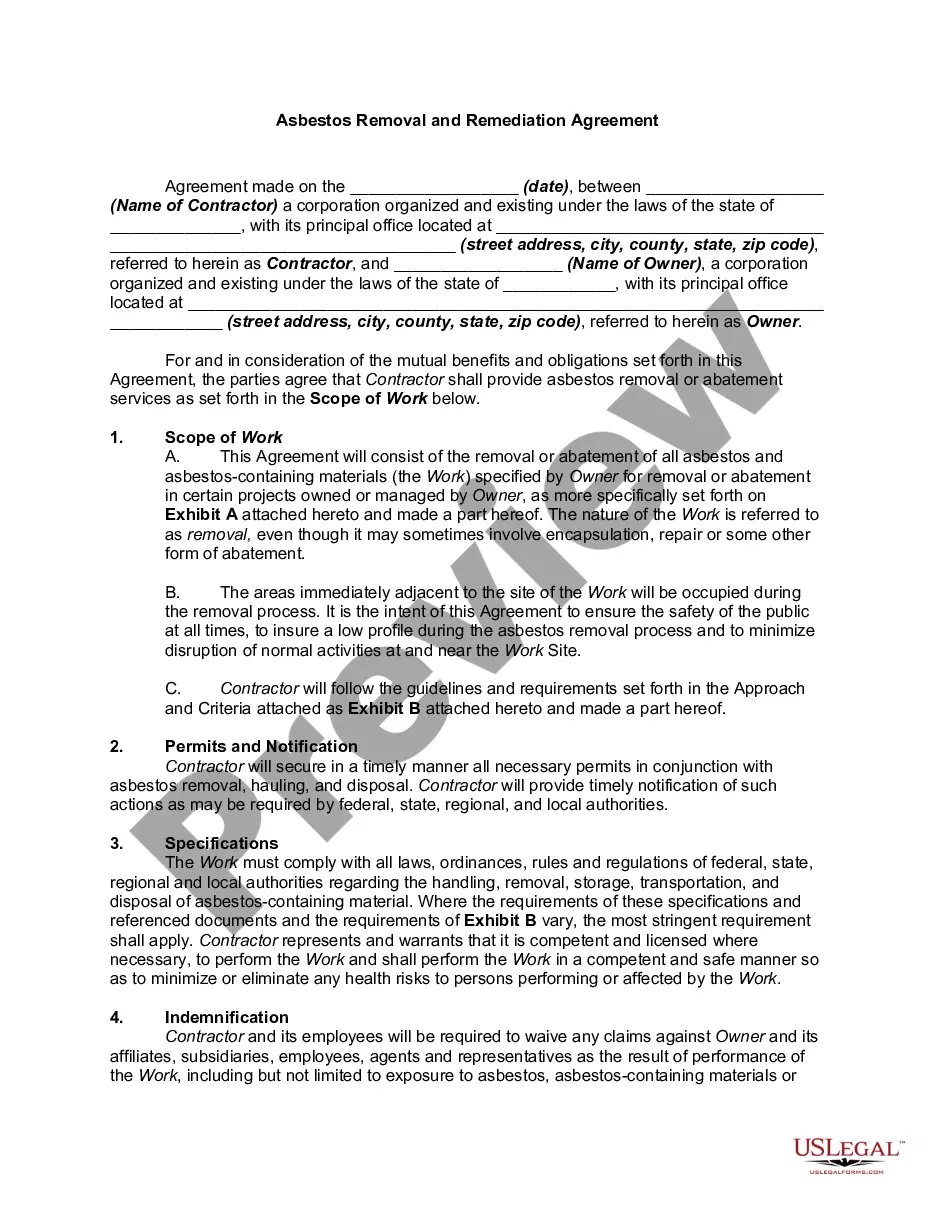
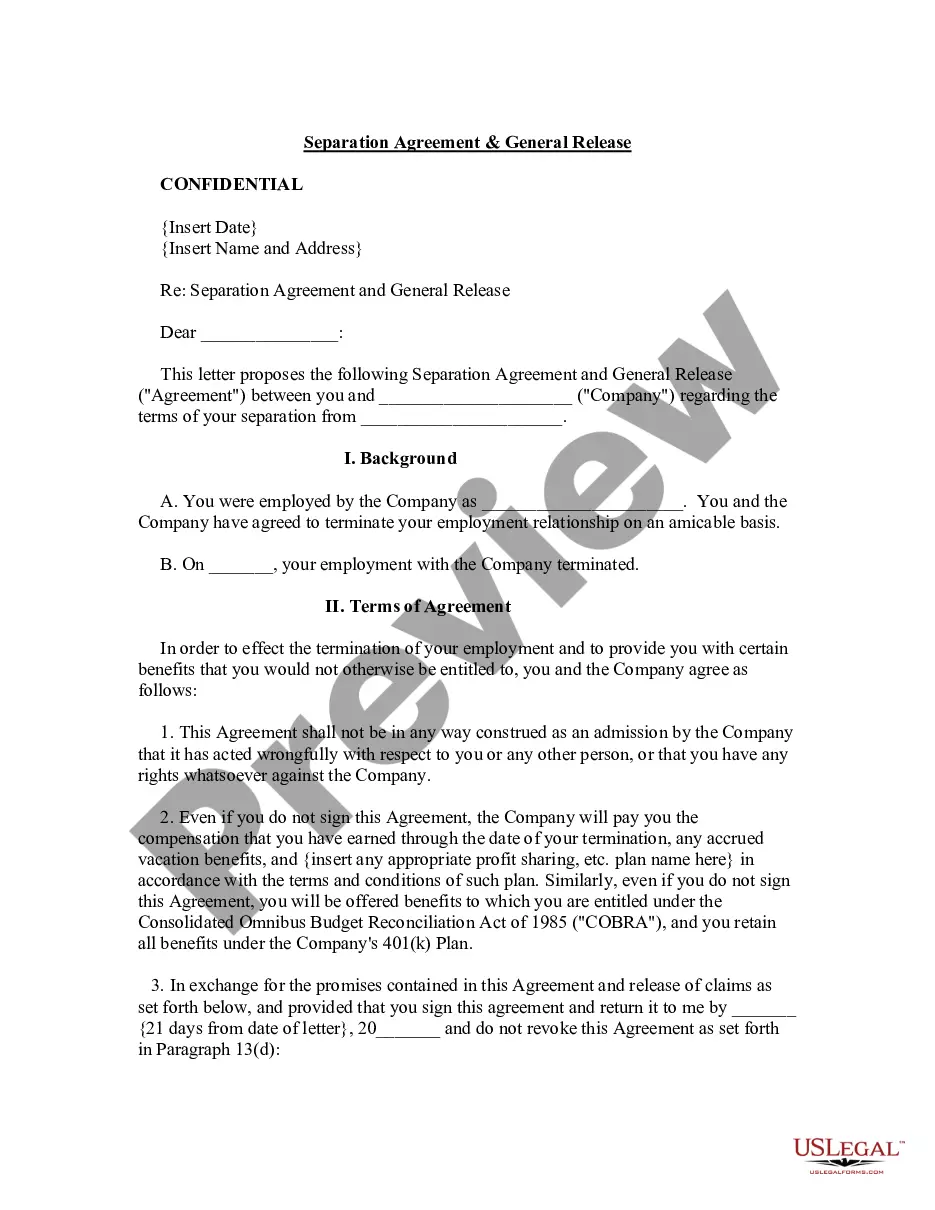
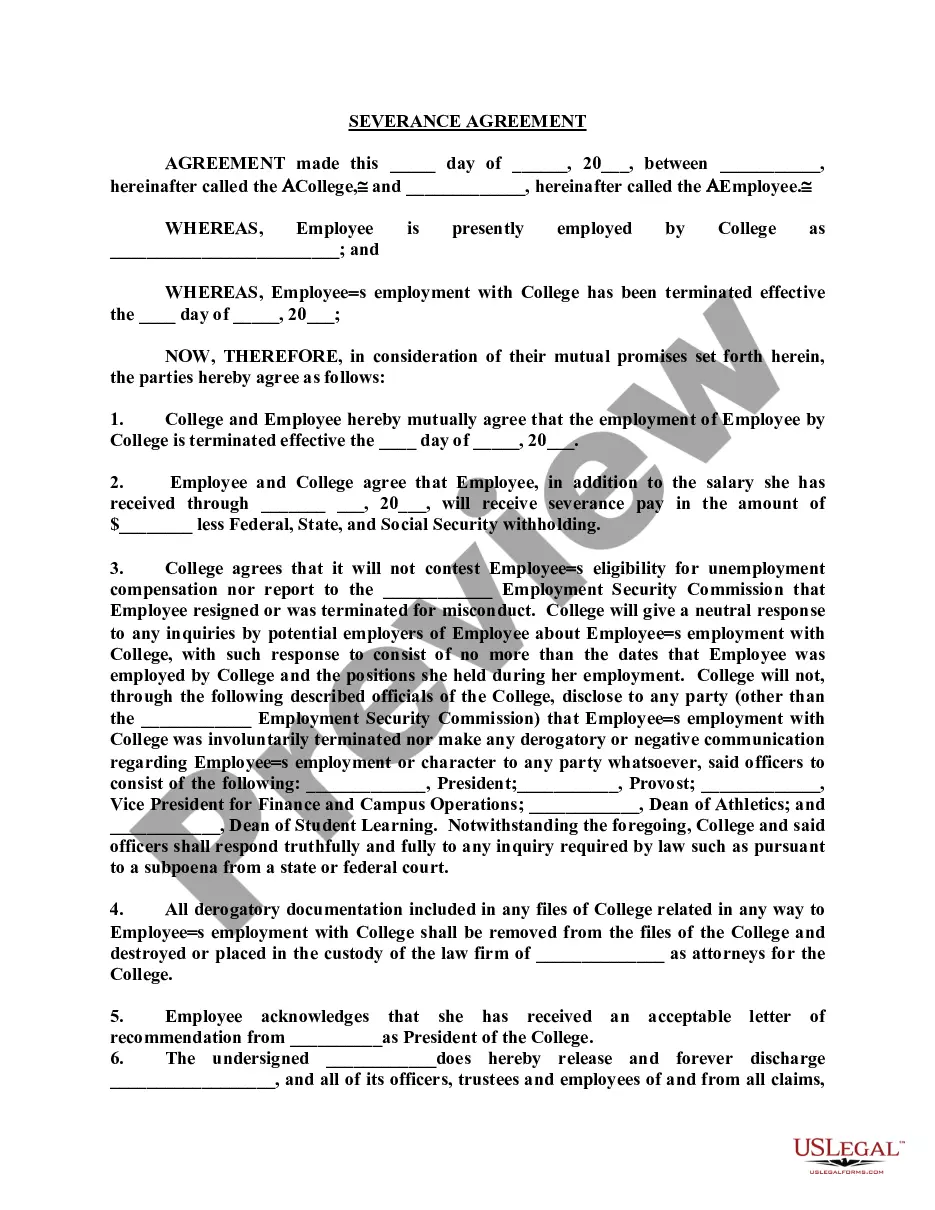
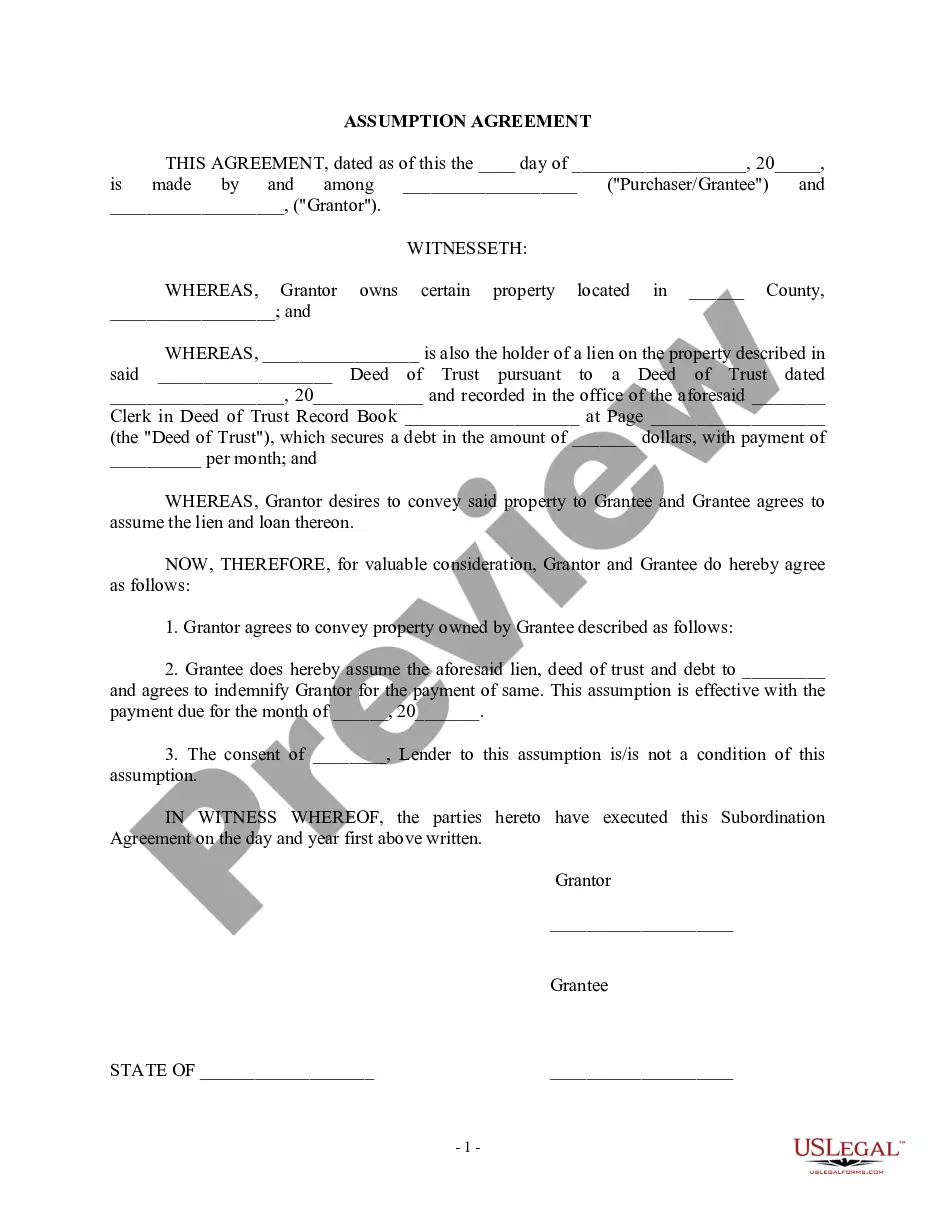
How to fill out Lease Or Rental Of Truck And Trailer Or Tractor-Trailer - Template?
The Semi Trailer Rental Agreement Format displayed on this webpage is a reusable official template crafted by experienced attorneys in compliance with federal and state legislation and regulations.
For over 25 years, US Legal Forms has supplied individuals, businesses, and legal professionals with more than 85,000 verified, state-specific documents for any professional and personal need. It’s the quickest, most direct, and most reliable method to secure the paperwork you require, as the service guarantees bank-grade data protection and anti-malware safeguards.
Subscribe to US Legal Forms to have authenticated legal templates for all of life's circumstances readily available.
- Search for the document you require and examine it.
- Browse through the sample you searched for and preview it or check the form description to ensure it meets your requirements. If it doesn’t, utilize the search function to locate the correct one. Click Buy Now once you have found the template you need.
- Subscribe and Log In.
- Select the pricing plan that best fits you and create an account. Use PayPal or a credit card to make a swift payment. If you already possess an account, Log In and review your subscription to proceed.
- Obtain the fillable template.
- Choose the format needed for your Semi Trailer Rental Agreement Format (PDF, Word, RTF) and save the document on your device.
- Fill out and sign the documents.
- Print the template to fill it out manually. Alternatively, use an online multifunctional PDF editor to quickly and accurately complete and sign your form with a legally-binding electronic signature.
- Redownload your documents.
- Use the same document again whenever necessary. Access the My documents section in your profile to retrieve any previously saved documents.
Form popularity
FAQ
The Form 36 is to be completed by the respondent (employer/workers' compensation insurance carrier) to notify the Workers' Compensation Commissioner, the claimant (employee/decedent), and all parties to the claim of its intention to reduce or discontinue payment of the claimant's workers' compensation benefits.
The Form 43 is to be completed by the respondent (employer/workers' compensation insurance carrier) to notify the Administrative Law Judge, the claimant (employee/decedent), and all parties to the claim of its intention to deny the compensability of all or part of the claimant's claim to workers' compensation benefits.
The Form 42 is to be completed by the examining licensed physician to report a claimant's permanent partial loss or loss of use of a body part, as well as the likely date of the claimant's maximum medical improvement.
Form 6B, 6B-1 and 75 Directions for filing the forms 6B, 6B-1, and 75 (below) used when electing to be covered under the Connecticut Workers' Compensation Act or when revoking a previous election of such coverage.
The statute of limitations for filing a compensation claim for an accidental injury is one year from the date of the injury, while for an occupational disease or illness it is three years from the first manifestation of a symptom...so be sure to file in time!
How Long Does It Take to Reach a Settlement for Workers' Comp in Connecticut ? The entire settlement process?from filing your claim to having the money in your hands?can take around 12-18 months depending on the details of your case and whether or not you have legal representation.
Connecticut's Workers' Compensation Act requires businesses with one or more employees to carry workers' compensation insurance. To comply with state law, you can buy coverage through a private insurance company, like The Hartford.
For a total disability, you can collect benefits for the full duration of the disability. Your medical benefits will continue as long as you need treatment. And, for partial disability, you can collect wage differential benefits for as long as 520 weeks.
The Connecticut Workers' Compensation Act states that an employer may not discharge or discriminate against an employee because they have filed a workers' compensation claim or are exercising their rights under the act.