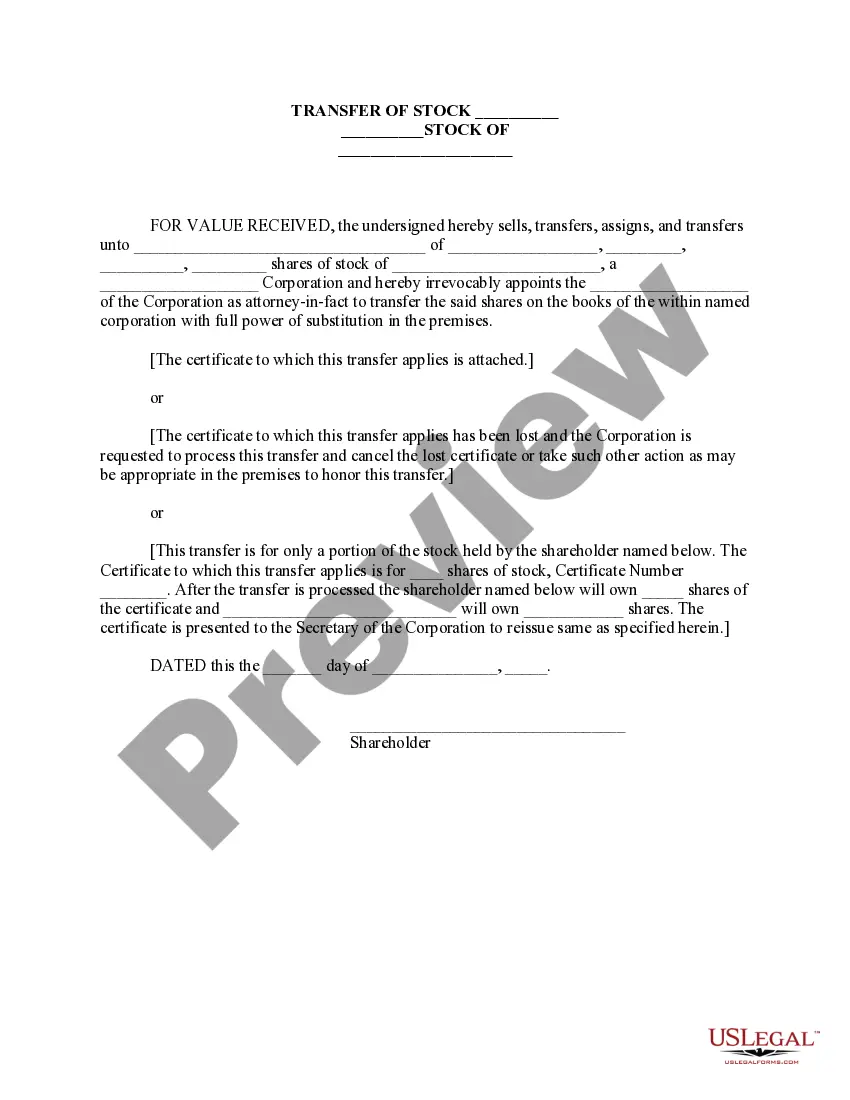
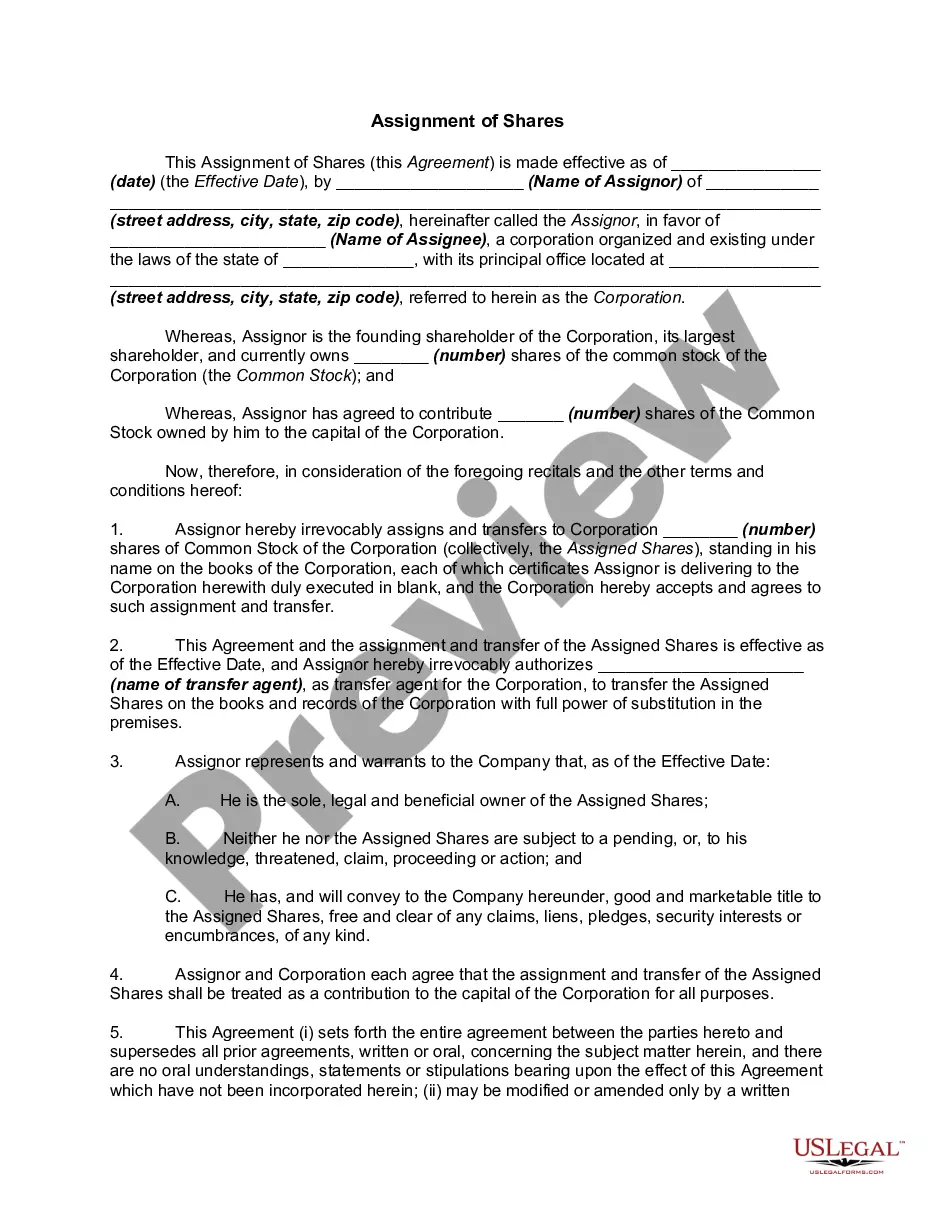
Transfer Of Stock Ownership Form With Two Points
Description
Get your form ready online
Our built-in tools help you complete, sign, share, and store your documents in one place.
Make edits, fill in missing information, and update formatting in US Legal Forms—just like you would in MS Word.
Download a copy, print it, send it by email, or mail it via USPS—whatever works best for your next step.
Sign and collect signatures with our SignNow integration. Send to multiple recipients, set reminders, and more. Go Premium to unlock E-Sign.
If this form requires notarization, complete it online through a secure video call—no need to meet a notary in person or wait for an appointment.
We protect your documents and personal data by following strict security and privacy standards.

Make edits, fill in missing information, and update formatting in US Legal Forms—just like you would in MS Word.

Download a copy, print it, send it by email, or mail it via USPS—whatever works best for your next step.

Sign and collect signatures with our SignNow integration. Send to multiple recipients, set reminders, and more. Go Premium to unlock E-Sign.

If this form requires notarization, complete it online through a secure video call—no need to meet a notary in person or wait for an appointment.

We protect your documents and personal data by following strict security and privacy standards.
Looking for another form?
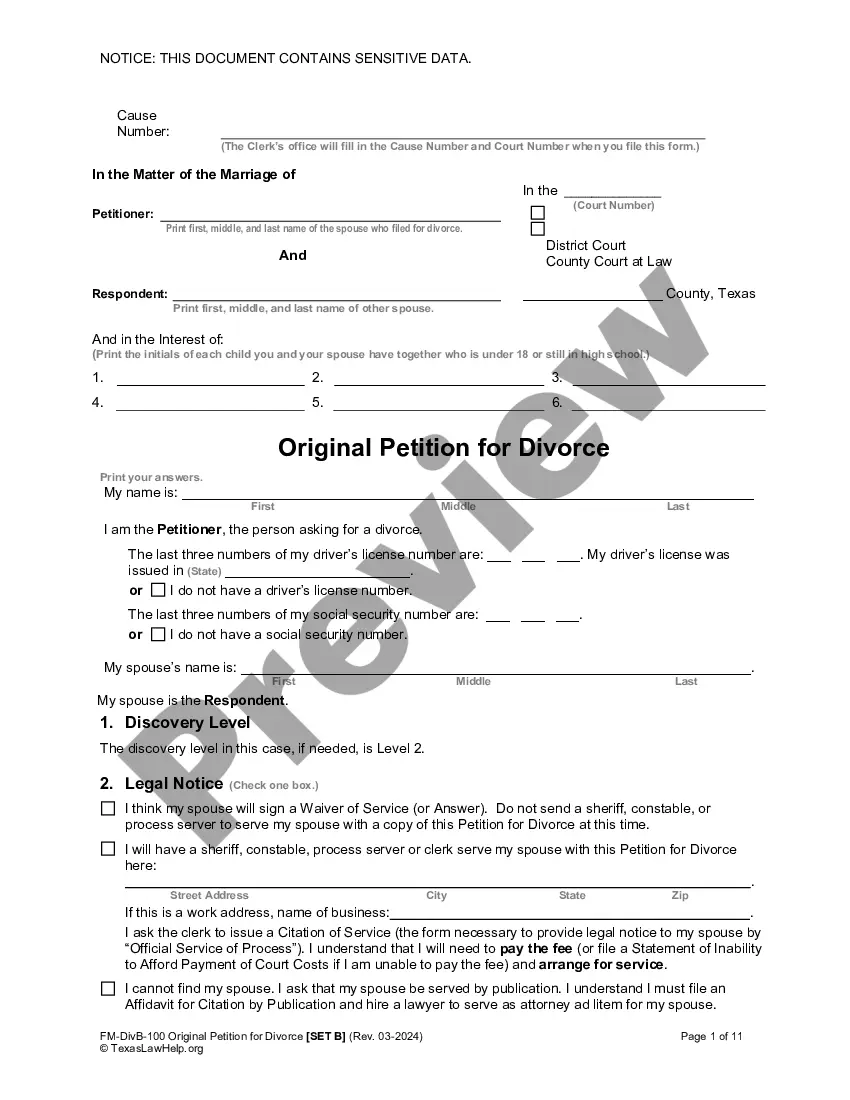
How to fill out Corporation - Transfer Of Stock?
It’s clear that you cannot instantly become a legal authority, nor can you swiftly learn how to draft a Transfer Of Stock Ownership Form With Two Points without a specialized education.
Assembling legal documents is a labor-intensive endeavor necessitating specific training and expertise.
So why not entrust the development of the Transfer Of Stock Ownership Form With Two Points to the professionals.
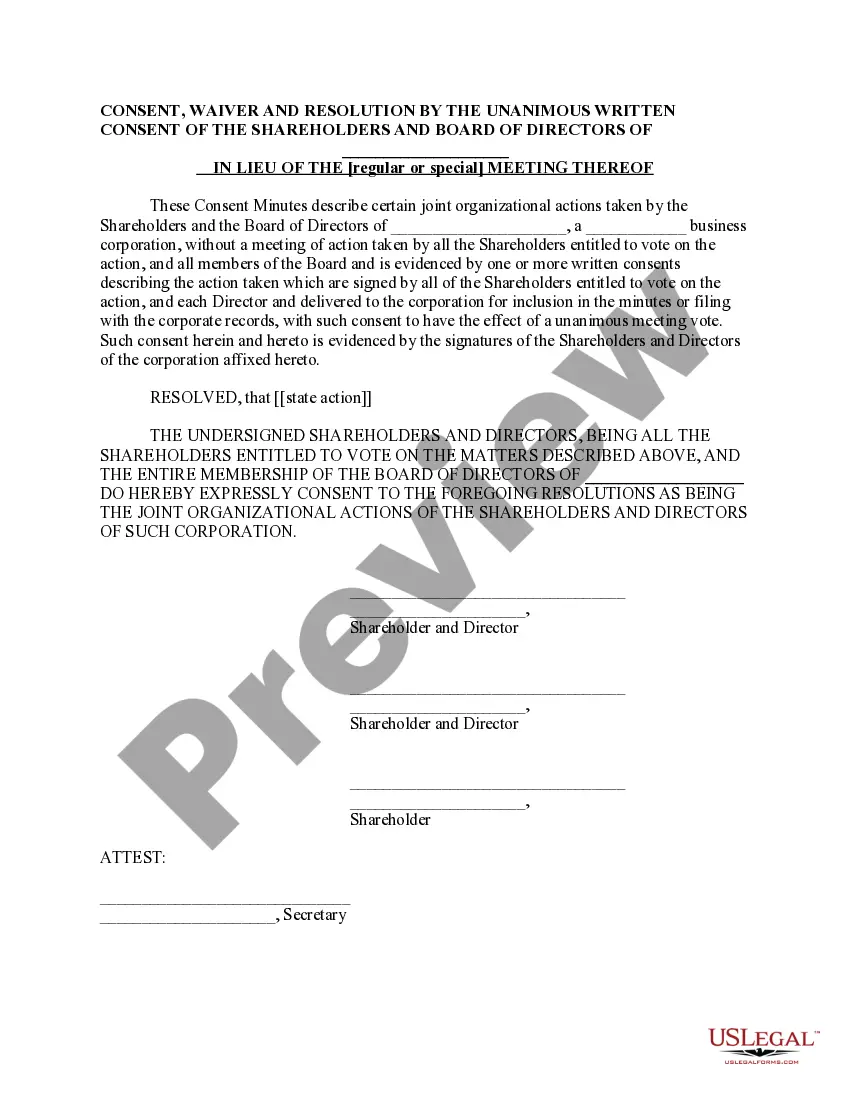
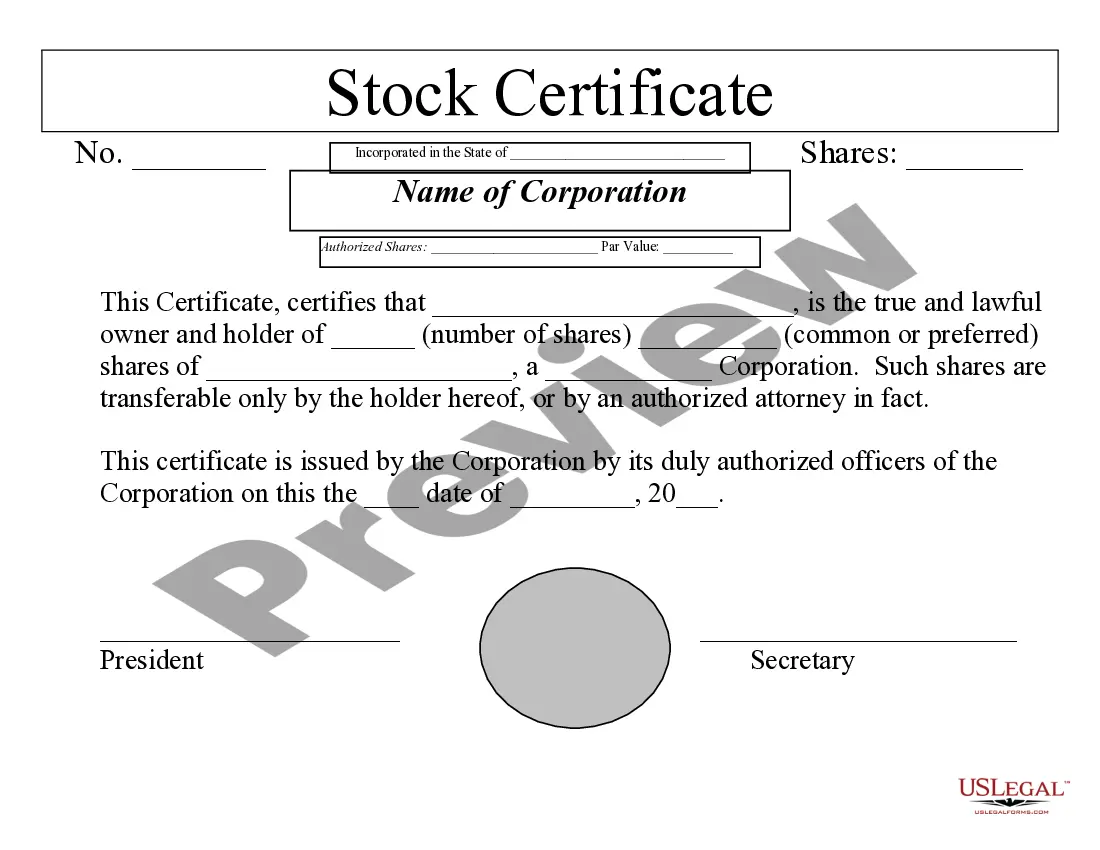
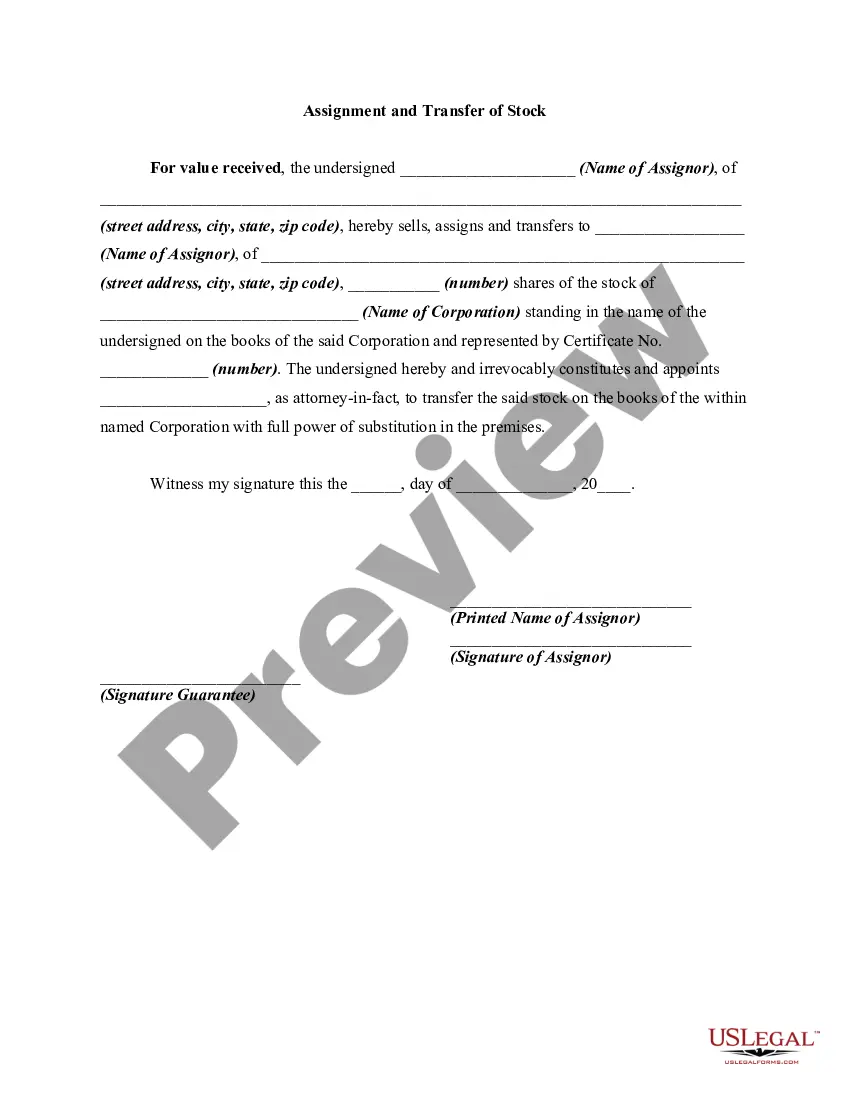
Preview it (if this option is available) and read the additional description to ascertain whether Transfer Of Stock Ownership Form With Two Points meets your requirements.
Establish a free account and select a subscription plan to purchase the template. Choose Buy now. Once the payment is completed, you can acquire the Transfer Of Stock Ownership Form With Two Points, fill it out, print it, and send or dispatch it to the relevant parties or organizations.
- With US Legal Forms, one of the most extensive legal document databases, you can locate everything from court forms to templates for internal organizational communication.
- We recognize how crucial compliance and adherence to state and federal regulations are.
- That’s the reason all templates on our site are specific to your location and current.
- Start utilizing our platform and retrieve the document you need in just minutes.
- Locate the form you seek using the search feature at the top of the page.
Form popularity
FAQ
With an Oath, the affiant is swearing to the content of a document. With an Acknowledgment, the affiant is acknowledging that he/she did sign the document.
A notary acknowledgement ensures that the signer of the document is indeed the person named in the document. The function of the notary in this case is to verify the identity of the signer. On the other hand, a notary is asked to perform a Jurat, when the signer takes an oath or makes an affirmation.
A Georgia notary acknowledgment is used to verify an individual's signature on a legal document before a notary public. It includes the signer's name, the notarization date, and the type of identification they provide to the notary public.
A notary public in and for said state, (name of officer signing document) who signed to the writing above, bearing the date of _____(date) (name of corporation) has this day acknowledged before me the said writing to be the act and deed of said corporation.
The primary purpose of a jurat is to compel truthfulness in a signer. By executing a jurat, the notary public is certifying that: The signer personally appeared before the notary public on the date indicated and in the county indicated. The signer signed the document in the presence of the notary public.
Acknowledgments are usually associated with real estate conveyances, mortgages, powers of attorney, or agreements. Jurats (Oaths/Affirmations) are frequently utilized in affidavits, declarations, applications, court-related documents, and other sworn statements.
Jurats. State of _________________________ County of ________________________ Signed and sworn (or affirmed) to before me on ____________ (date) by. _________________ (name/s of person/s making statement).
An employee acknowledgement or policy acknowledgement form is a simple form employees are asked to sign to acknowledge that they have reviewed and understood the company's policies as expressed in onboarding material, the employee handbook, or documentation announcing policy changes.