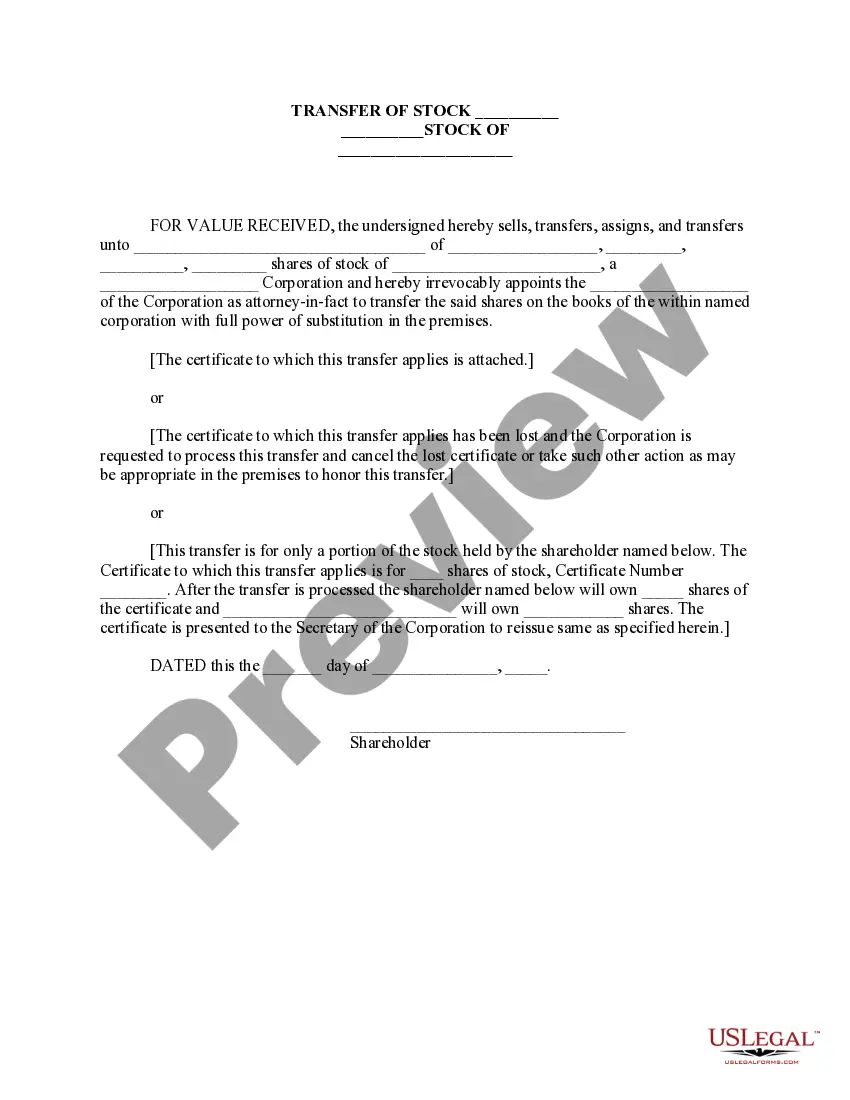
Corporate Stock Ledger Format
Description
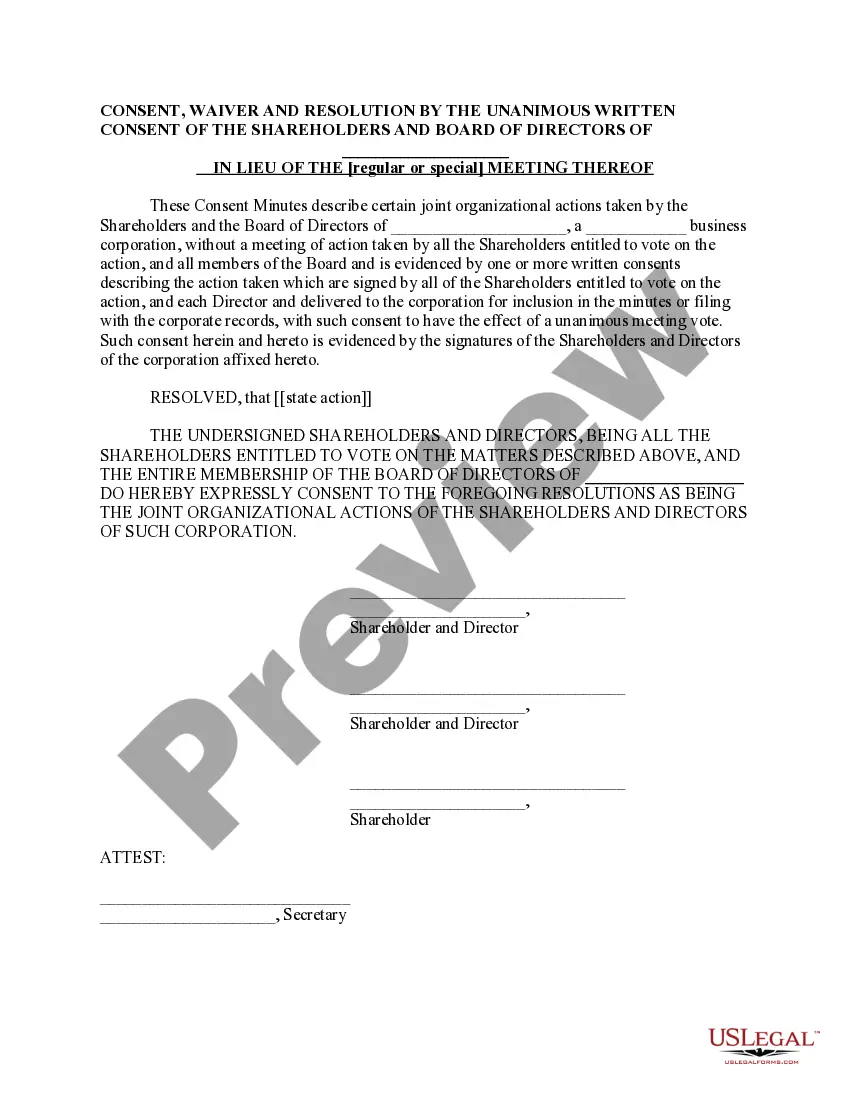
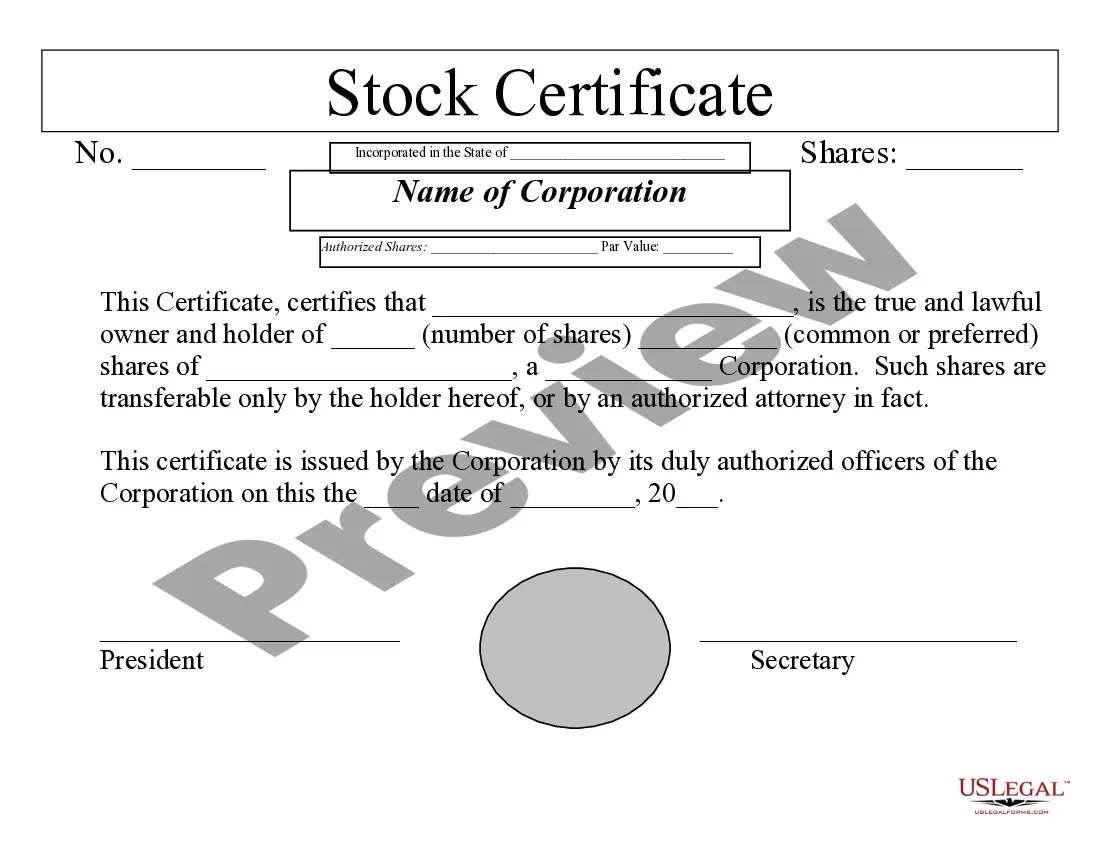
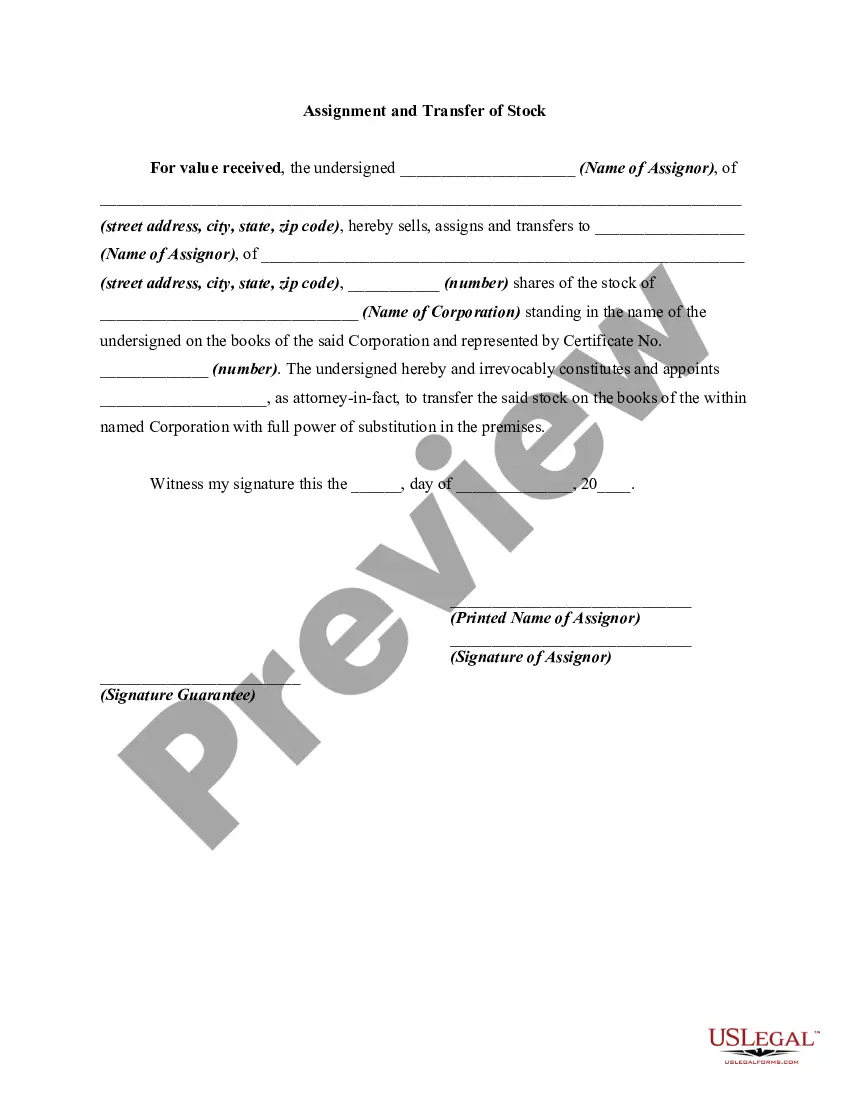
Get your form ready online
Our built-in tools help you complete, sign, share, and store your documents in one place.
Make edits, fill in missing information, and update formatting in US Legal Forms—just like you would in MS Word.
Download a copy, print it, send it by email, or mail it via USPS—whatever works best for your next step.
Sign and collect signatures with our SignNow integration. Send to multiple recipients, set reminders, and more. Go Premium to unlock E-Sign.
If this form requires notarization, complete it online through a secure video call—no need to meet a notary in person or wait for an appointment.
We protect your documents and personal data by following strict security and privacy standards.

Make edits, fill in missing information, and update formatting in US Legal Forms—just like you would in MS Word.

Download a copy, print it, send it by email, or mail it via USPS—whatever works best for your next step.

Sign and collect signatures with our SignNow integration. Send to multiple recipients, set reminders, and more. Go Premium to unlock E-Sign.

If this form requires notarization, complete it online through a secure video call—no need to meet a notary in person or wait for an appointment.

We protect your documents and personal data by following strict security and privacy standards.
Looking for another form?




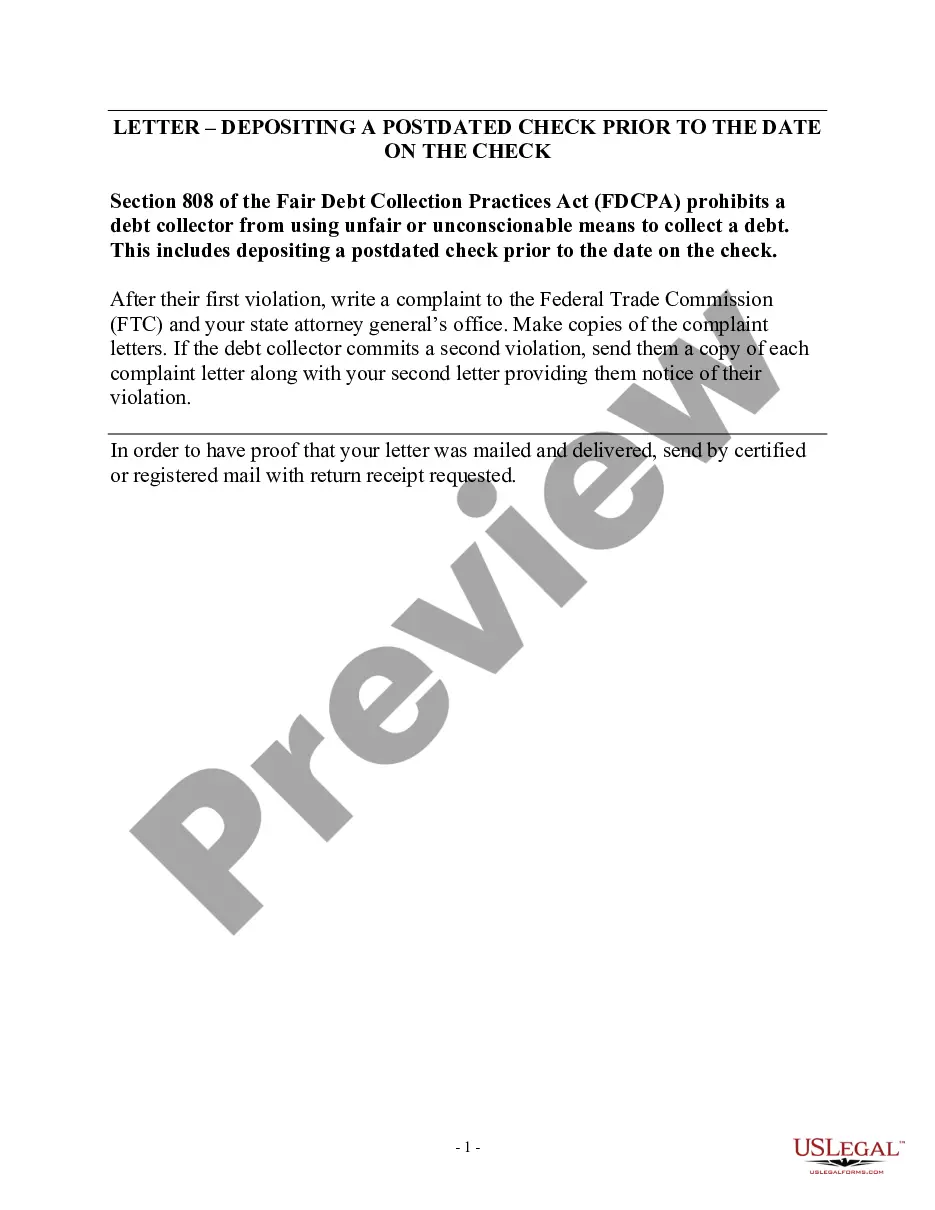



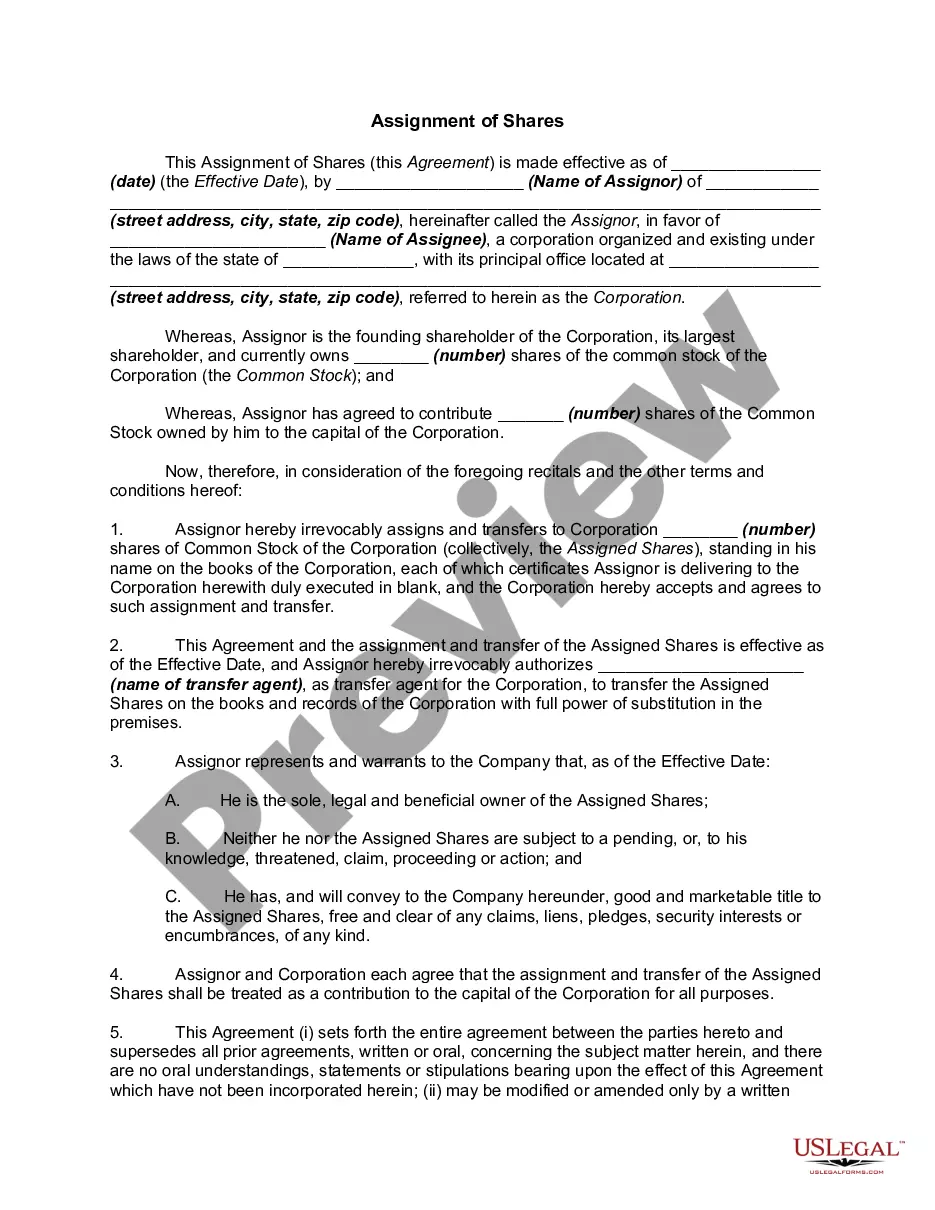
How to fill out Corporation - Transfer Of Stock?
Securing legal document examples that adhere to federal and local regulations is crucial, and the internet provides numerous choices to select from.
However, what’s the purpose of spending time searching for the suitable Corporate Stock Ledger Format example online if the US Legal Forms digital library already has such templates gathered in one location.
US Legal Forms is the largest digital legal library with over 85,000 editable templates created by attorneys for any business and personal situation.
Explore the template using the Preview feature or through the text description to confirm it fulfills your requirements.
- They are easy to navigate with all documents organized by state and intended use.
- Our specialists stay updated with legislative changes, so you can always be confident your form is current and compliant when acquiring a Corporate Stock Ledger Format from our site.
- Accessing a Corporate Stock Ledger Format is quick and straightforward for both returning and new users.
- If you already possess an account with an active subscription, Log In and download the document sample you need in your desired format.
- If you are new to our platform, follow the steps below.
Form popularity
FAQ
A stock ledger primarily records ownership of shares and the details of their transactions, while a cap table summarizes ownership stakes, including equity and convertible securities. A stock ledger follows a standard corporate stock ledger format, whereas a cap table focuses on company valuation and the percentage ownership by each stakeholder. Both documents are vital for understanding ownership structure but serve different purposes.
To create a stock ledger, first gather information from relevant stakeholders, including shareholders or members. Next, choose a corporate stock ledger format that is easy to understand and follow. Organize the information logically, making space for future entries. Keeping the ledger updated will assist you in managing shares effectively and maintaining compliance.
A corporate stock ledger typically consists of columns that include shareholder names, contact information, number of shares owned, dates of transactions, and any notes regarding the shares. The layout should facilitate easy tracking of ownership and changes over time. Using a professional corporate stock ledger format enhances readability and usability for stakeholders.
To keep a stock ledger, establish a consistent routine for updating records whenever shares are issued or transferred. Include all necessary details about each transaction to maintain clarity. Regularly review the ledger for accuracy and completeness, ensuring that it reflects any changes in share ownership. A reliable corporate stock ledger format can streamline this process, simplifying record-keeping.
Creating a stock ledger begins with selecting a structured corporate stock ledger format that suits your business needs. Gather information about your shareholders, including names, addresses, and share quantities. Then, document this information in a clear, organized manner. Ensure that your records are maintained and updated regularly to track changes in ownership effectively.
An LLC does not typically have a stock ledger as it does not issue stock like a corporation. Instead, LLCs maintain an ownership ledger that documents members and their percentage of ownership. However, if an LLC elects to issue membership units, a similar ledger can be created using a corporate stock ledger format. This practice helps in tracking member contributions and distributions.
To record stocks in a ledger, start by documenting each transaction involving stock issuance or transfers. Include the date, names of involved parties, number of shares, and transaction rationale. Use a consistent corporate stock ledger format to maintain clarity and organization. Regular updates will help ensure that the ledger reflects current ownership accurately.
A corporate stock ledger is a detailed record that tracks the ownership of a company's stocks. It provides essential information such as the names of shareholders, number of shares owned, and transaction dates. This ledger serves as proof of stock ownership, ensuring proper management of shares. Utilizing a clear corporate stock ledger format helps maintain transparency and compliance.
To fill out a stock ledger, begin by entering the names of the shareholders, the number of shares they own, and the dates of ownership. It is vital to update this information regularly to reflect any changes in ownership accurately. Adhering to the corporate stock ledger format ensures an efficient record-keeping process and helps maintain compliance.
When filling out a stock ledger, start by clearly documenting each transaction, including the date, nature of the transaction, and the number of shares affected. It is essential to maintain accuracy and consistency within the corporate stock ledger format to avoid discrepancies. You can use templates to ease the process and keep your records in order.