Car Title Transfer From Deceased Owner
Description
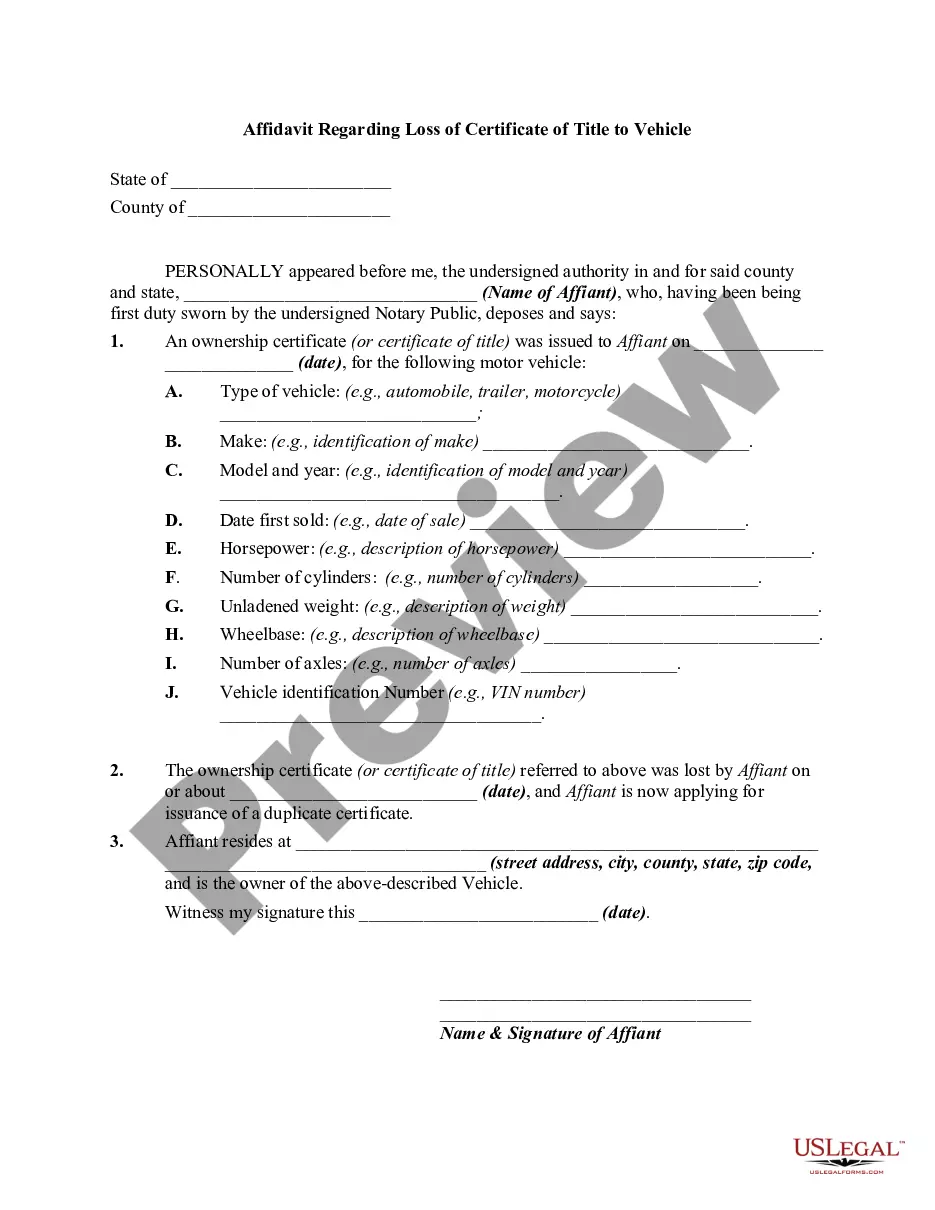
Get your form ready online
Our built-in tools help you complete, sign, share, and store your documents in one place.
Make edits, fill in missing information, and update formatting in US Legal Forms—just like you would in MS Word.
Download a copy, print it, send it by email, or mail it via USPS—whatever works best for your next step.
Sign and collect signatures with our SignNow integration. Send to multiple recipients, set reminders, and more. Go Premium to unlock E-Sign.
If this form requires notarization, complete it online through a secure video call—no need to meet a notary in person or wait for an appointment.
We protect your documents and personal data by following strict security and privacy standards.

Make edits, fill in missing information, and update formatting in US Legal Forms—just like you would in MS Word.

Download a copy, print it, send it by email, or mail it via USPS—whatever works best for your next step.

Sign and collect signatures with our SignNow integration. Send to multiple recipients, set reminders, and more. Go Premium to unlock E-Sign.

If this form requires notarization, complete it online through a secure video call—no need to meet a notary in person or wait for an appointment.

We protect your documents and personal data by following strict security and privacy standards.
Looking for another form?

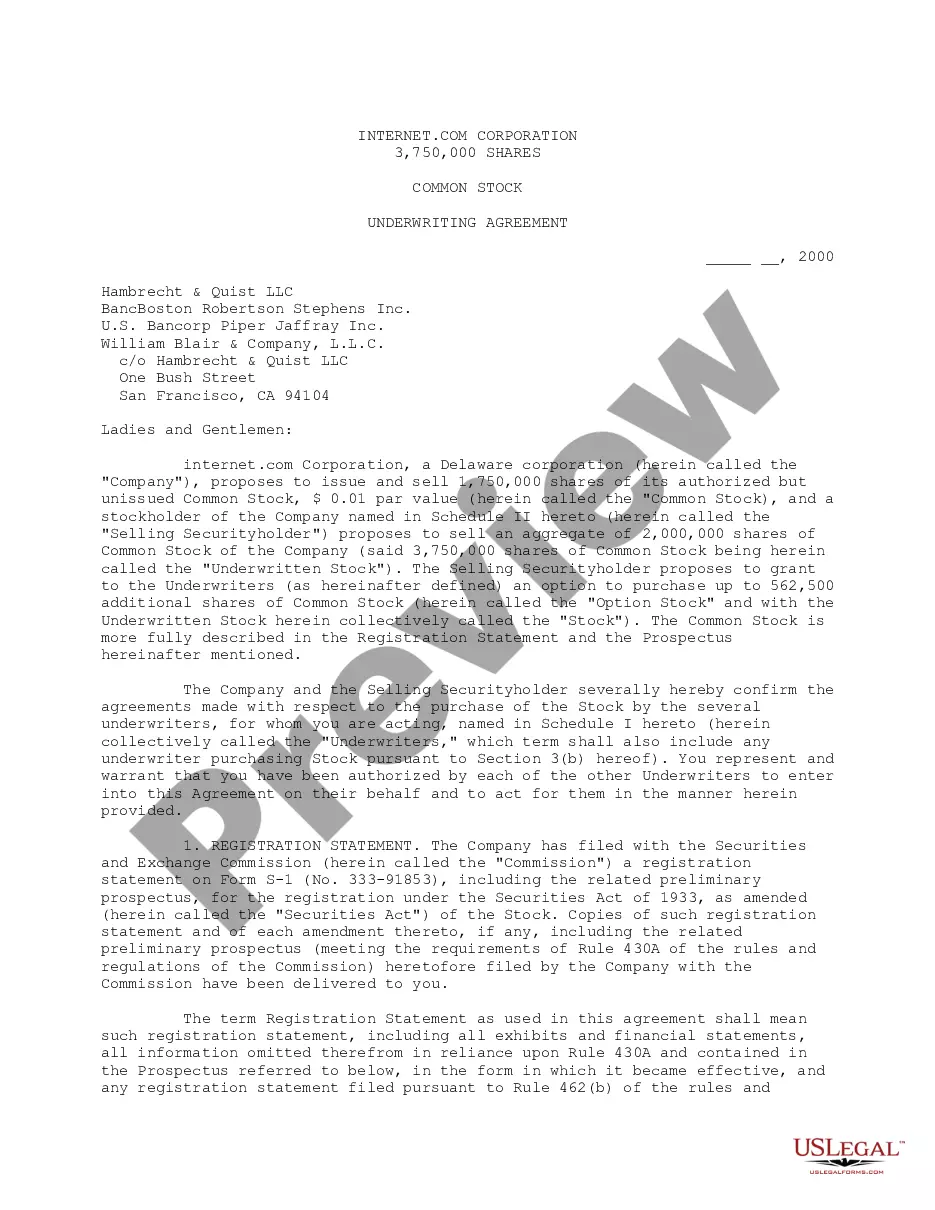







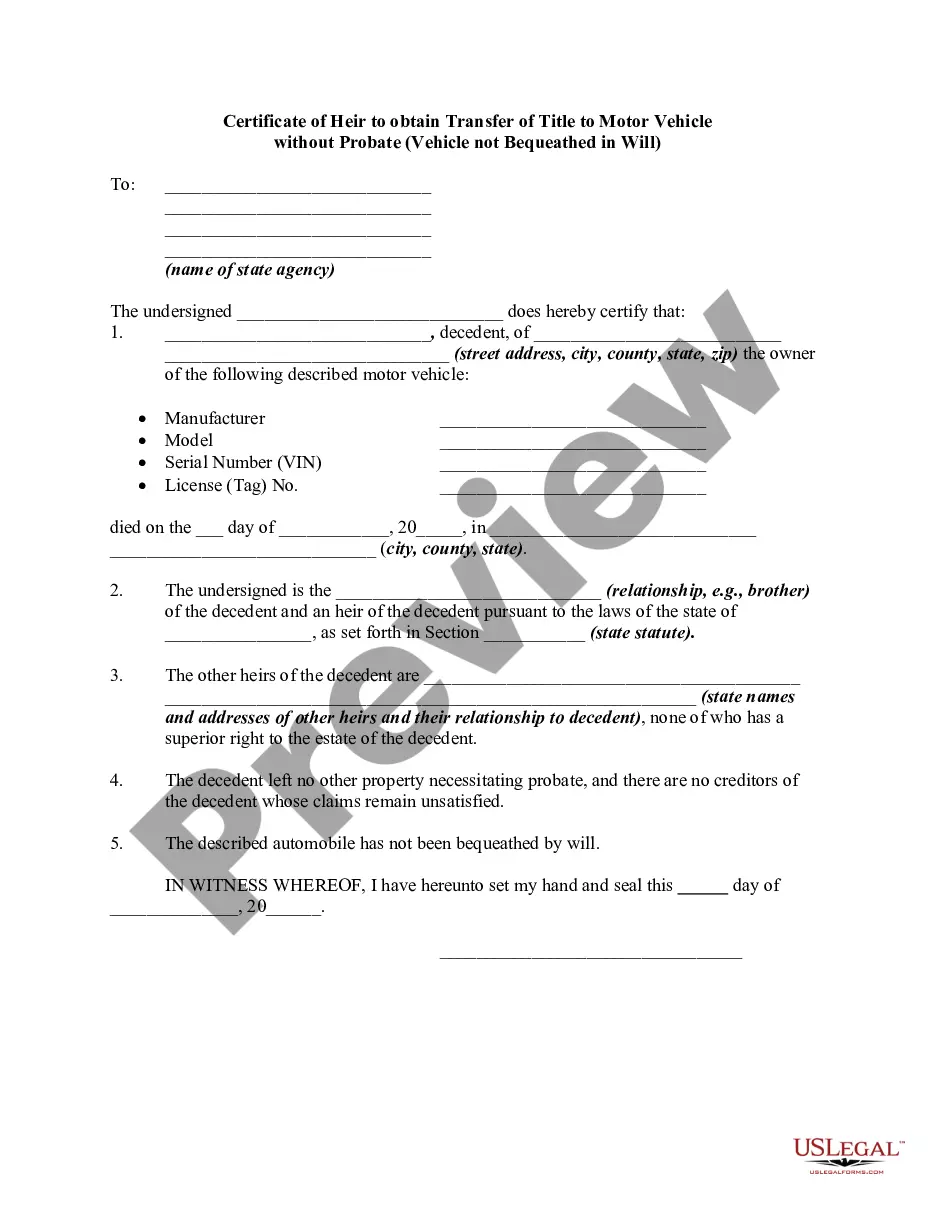
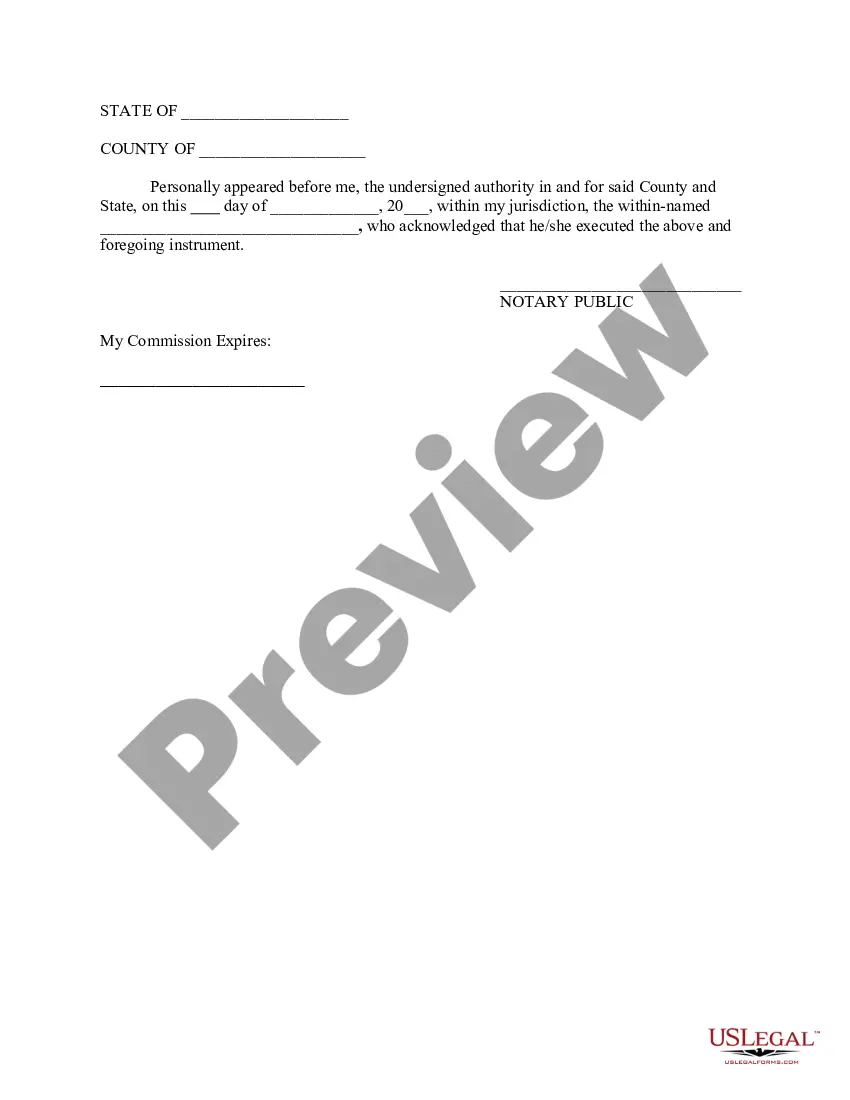
How to fill out Certificate Of Heir To Obtain Transfer Of Title To Motor Vehicle Without Probate (Vehicle Not Bequeathed In Will)?
Managing legal documents and tasks can be a lengthy addition to your daily schedule. Car Title Transfer From Deceased Owner and similar forms often necessitate that you search for them and comprehend how to fill them out correctly.
Consequently, whether you're addressing financial, legal, or personal issues, having a thorough and accessible online collection of forms readily available will be of great assistance.
US Legal Forms stands as the premier online platform for legal documents, with more than 85,000 state-specific forms and a range of resources to help you complete your paperwork easily.
Explore the assortment of relevant documents accessible with just a click.
Then, follow the steps outlined below to finish your form: Make sure you've selected the correct form using the Preview feature and reading the form description. Choose Buy Now when ready, and select the subscription plan that is right for you. Click Download, then fill out, eSign, and print the form. US Legal Forms boasts 25 years of experience aiding users with their legal documentation. Acquire the form you need today and simplify any process effortlessly.
- US Legal Forms offers state- and county-specific forms available for download at any time.
- Protect your document management processes with high-quality services that enable you to create any form in moments without any additional or hidden charges.
- Simply Log In to your account, locate Car Title Transfer From Deceased Owner, and download it immediately from the My documents section.
- You can also access previously stored forms.
- Is this your first time using US Legal Forms? Register and create a free account in just a few minutes, granting you access to the form library and Car Title Transfer From Deceased Owner.
Form popularity
FAQ
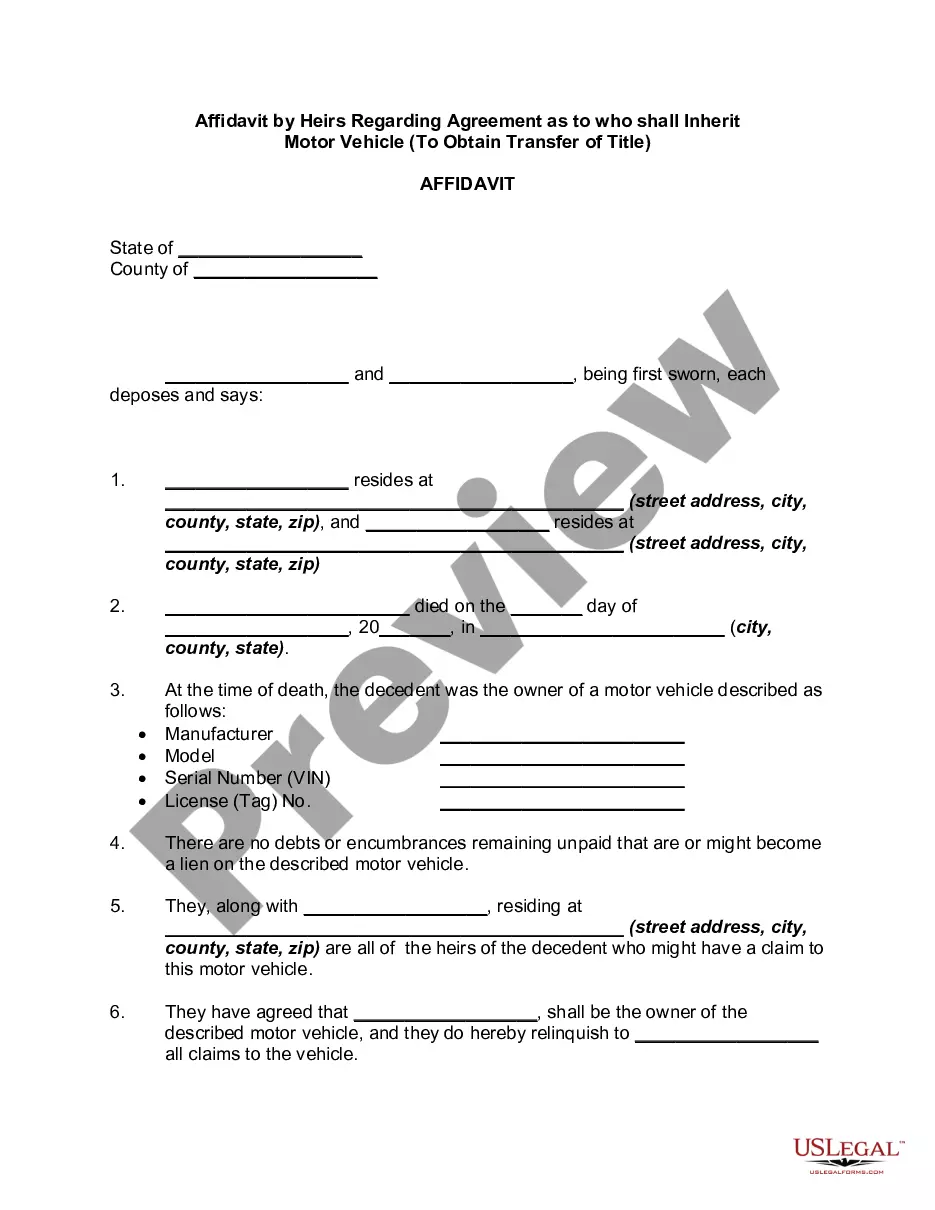
The form to accomplish the transfer is the MV 349 and it must be submitted to the DMV with an original death certificate. All of the necessary DMV forms to accomplish the transfer of the car by either the surviving spouse, children or nearest relative are available on the DMV website.
Thus, if your name is separated by an ?and? on the title or your name is not on the title at all, then you will have to go through the Probate Court in order to retitle the vehicle in your name.
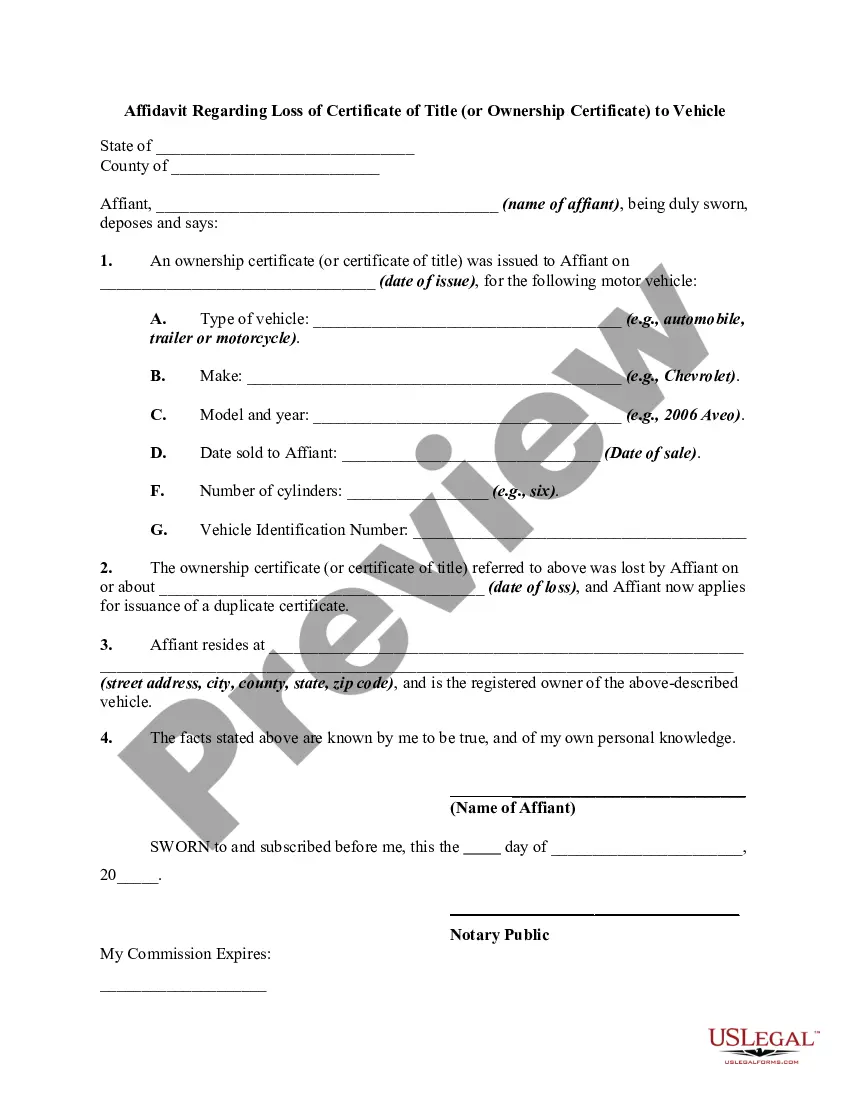
Vehicle Registration: If the vehicle is registered in your loved one's name, it needs to be transferred to a new owner. Title: The vehicle title also needs to be transferred to a new owner.
You don't have to have will to transfer your car after you die. A Transfer on Death (TOD) is a legal document that can transfer your car without a will. This means that your car will not have to go through the probate court. Going through the probate court can cost your loved ones time and money after you are gone.
It is best to think of the decedent's belongings, paperwork, and assets as ?frozen in time? on the date of death. No assets or belongings should be removed from their residence. Their vehicle(s) should not be driven. Nothing should be moved great distances, modified, or taken away.