Construction Contract Form With Guardian Anime In Wake
Description


Get your form ready online
Our built-in tools help you complete, sign, share, and store your documents in one place.
Make edits, fill in missing information, and update formatting in US Legal Forms—just like you would in MS Word.
Download a copy, print it, send it by email, or mail it via USPS—whatever works best for your next step.
Sign and collect signatures with our SignNow integration. Send to multiple recipients, set reminders, and more. Go Premium to unlock E-Sign.
If this form requires notarization, complete it online through a secure video call—no need to meet a notary in person or wait for an appointment.
We protect your documents and personal data by following strict security and privacy standards.

Make edits, fill in missing information, and update formatting in US Legal Forms—just like you would in MS Word.

Download a copy, print it, send it by email, or mail it via USPS—whatever works best for your next step.

Sign and collect signatures with our SignNow integration. Send to multiple recipients, set reminders, and more. Go Premium to unlock E-Sign.

If this form requires notarization, complete it online through a secure video call—no need to meet a notary in person or wait for an appointment.

We protect your documents and personal data by following strict security and privacy standards.
Looking for another form?




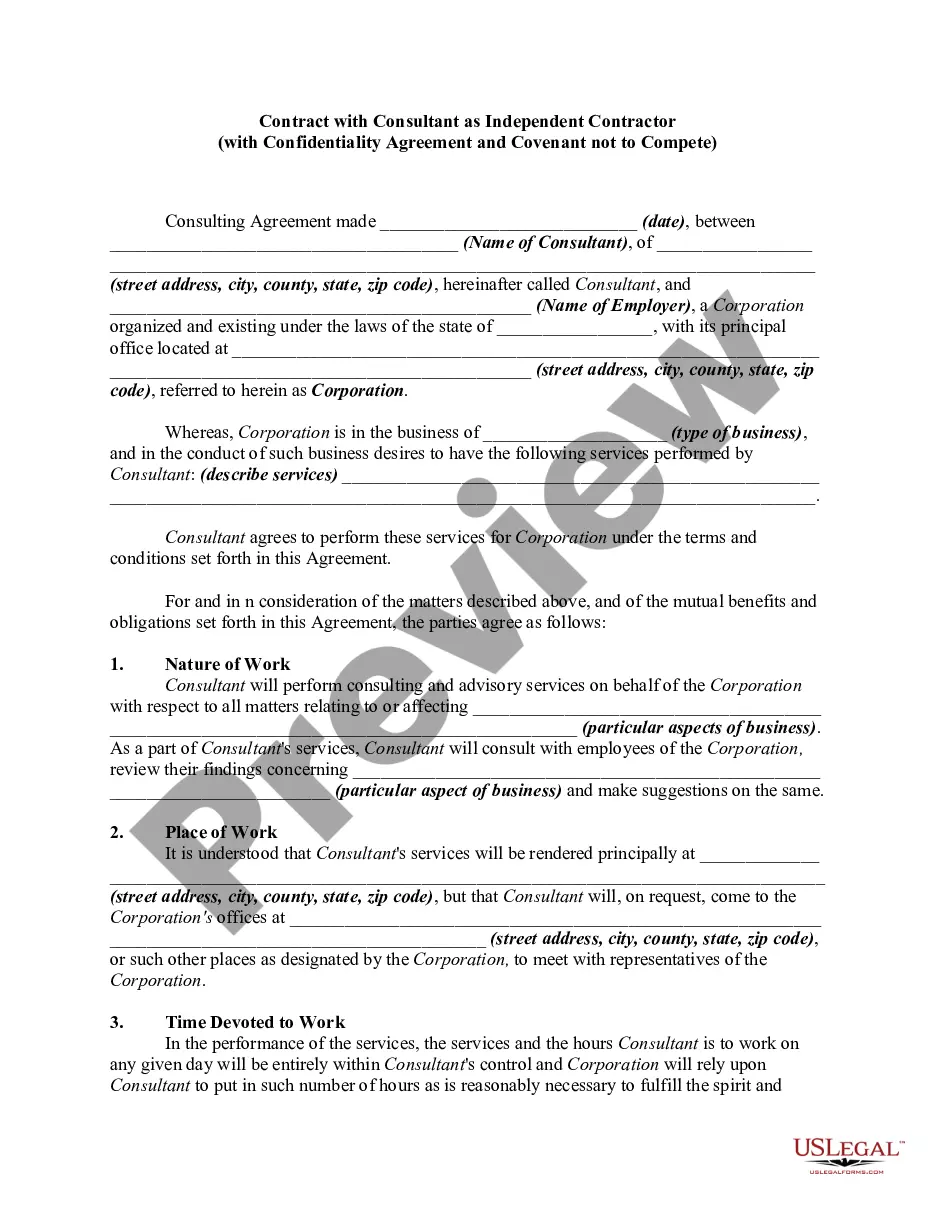




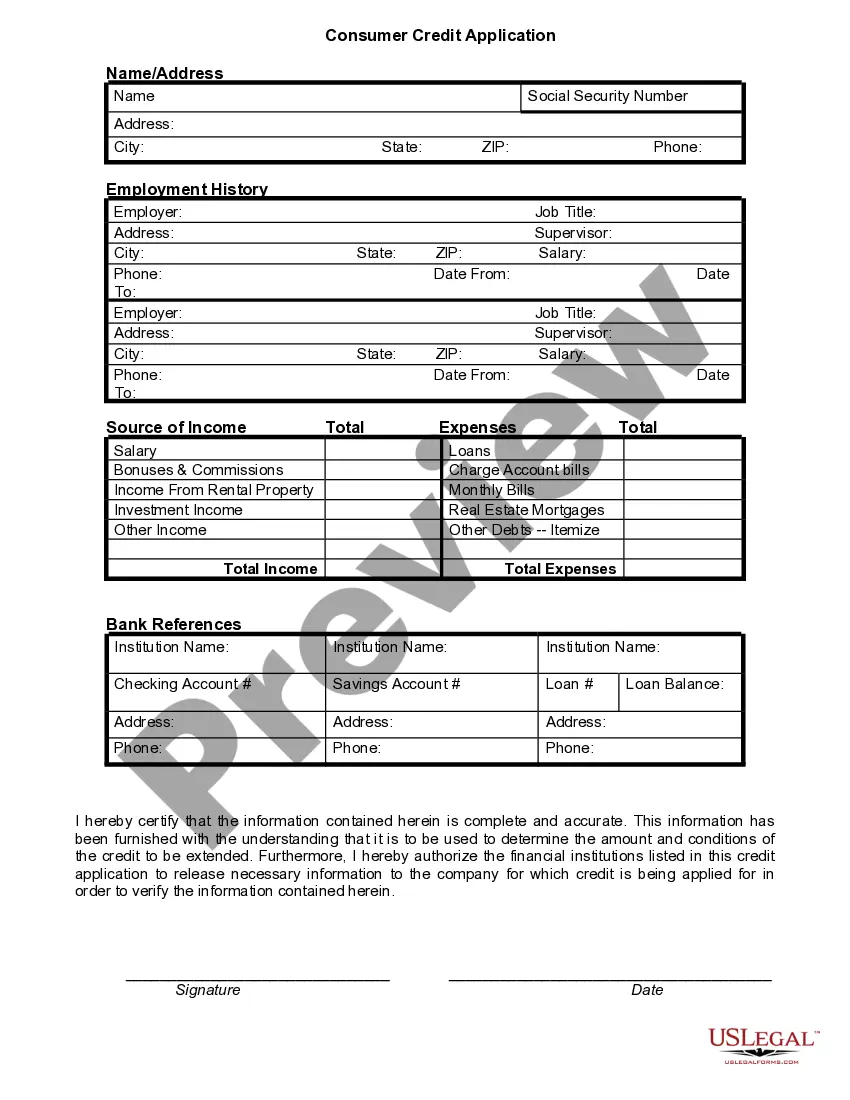
Form popularity
FAQ
Statutory considerations within the construction industry include: Building Regulations. Planning Permission. Health and Safety Regulations. Environmental Regulations. Contractual Obligations. Building Control Approvals. CDM Regulations.
(1) Despite any thing to the contrary in the Limitation of Actions Act 1958 or in any other Act or law, a building action cannot be brought more than 10 years after the date of issue of the occupancy permit in respect of the building work (whether or not the occupancy permit is subsequently cancelled or varied) or, if ...
WHAT IS D&C? In its purest form, it is a contract where a contractor undertakes to design and construct a building. This type of contracting also embraces two separate disciplines or skills: design, which is generally associated with the disciplines engineering, architecture and drafting.
The purpose of construction documents is to get the design built. These are contract binding documents which describe precisely how the design shall be built: methods, materials, building systems, components.
Construction “Contract Documents” are the written documents that define the roles, responsibilities, and “Work” under the construction Contract, and are legally-binding on the parties (Owner and Contractor).
How To Write A Construction Contract With 7 Steps Step 1: Define the Parties Involved. Step 2: Outline the Scope of Work. Step 3: Establish the Timeline. Step 4: Determine the Payment Terms. Step 5: Include Necessary Legal Clauses. Step 6: Address Change Orders and Modifications. Step 7: Sign and Execute the Contract.
Contracts don't need to be in legal language, but they do need to outline exactly who is responsible for what from obtaining various permissions (such as building control approval) to timings, tidying up, materials, insurance and how payments will be made. A written contract will protect you and reduce risks.
Assignments in construction contracts are commonly seen in situations where one party needs to subcontract part of the work to another entity. For example, a contractor may assign its right to receive payment from the project owner to a subcontractor who performed specific work on the project.
A construction contract is an important document as it outlines the scope of work, risks, duration, duties, deliverables and legal rights of both the contractor and the owner.
What should I include in a construction contract template? Name and contact information of the project owner. Name and contact information of the contractor. Legal description of the property being worked on. Detailed description of the work to be completed. Completion date and date of final payment.
