Project Contractor Salary In Virginia
Description

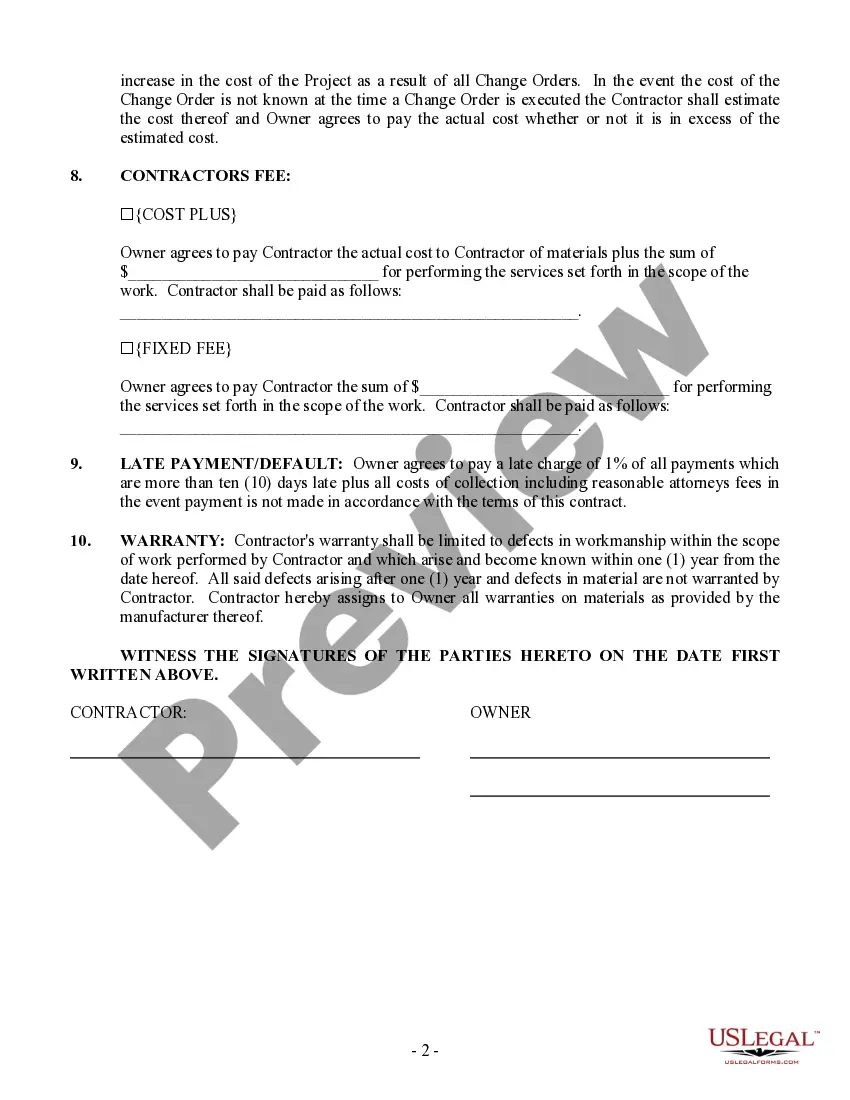
Get your form ready online
Our built-in tools help you complete, sign, share, and store your documents in one place.
Make edits, fill in missing information, and update formatting in US Legal Forms—just like you would in MS Word.
Download a copy, print it, send it by email, or mail it via USPS—whatever works best for your next step.
Sign and collect signatures with our SignNow integration. Send to multiple recipients, set reminders, and more. Go Premium to unlock E-Sign.
If this form requires notarization, complete it online through a secure video call—no need to meet a notary in person or wait for an appointment.
We protect your documents and personal data by following strict security and privacy standards.

Make edits, fill in missing information, and update formatting in US Legal Forms—just like you would in MS Word.

Download a copy, print it, send it by email, or mail it via USPS—whatever works best for your next step.

Sign and collect signatures with our SignNow integration. Send to multiple recipients, set reminders, and more. Go Premium to unlock E-Sign.

If this form requires notarization, complete it online through a secure video call—no need to meet a notary in person or wait for an appointment.

We protect your documents and personal data by following strict security and privacy standards.
Looking for another form?

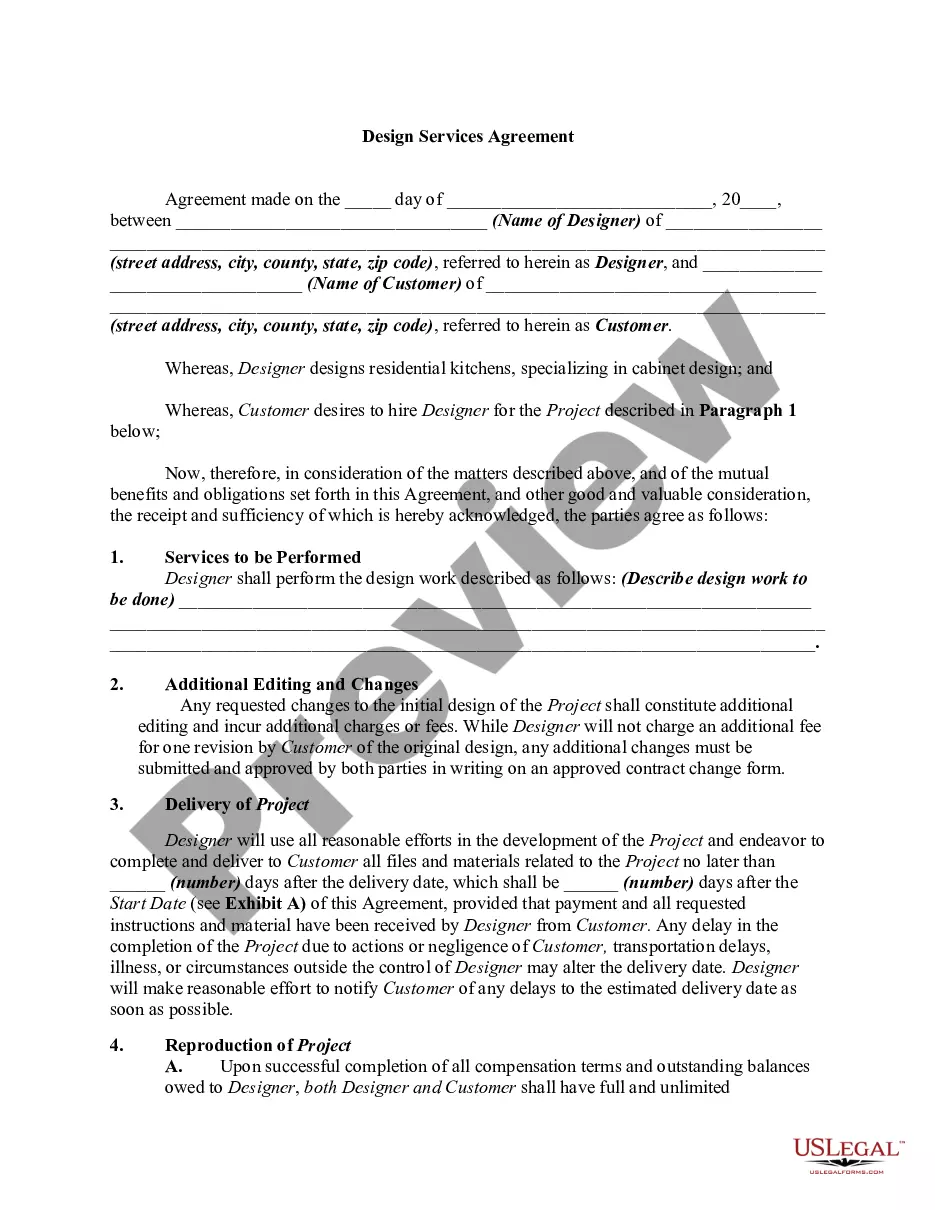


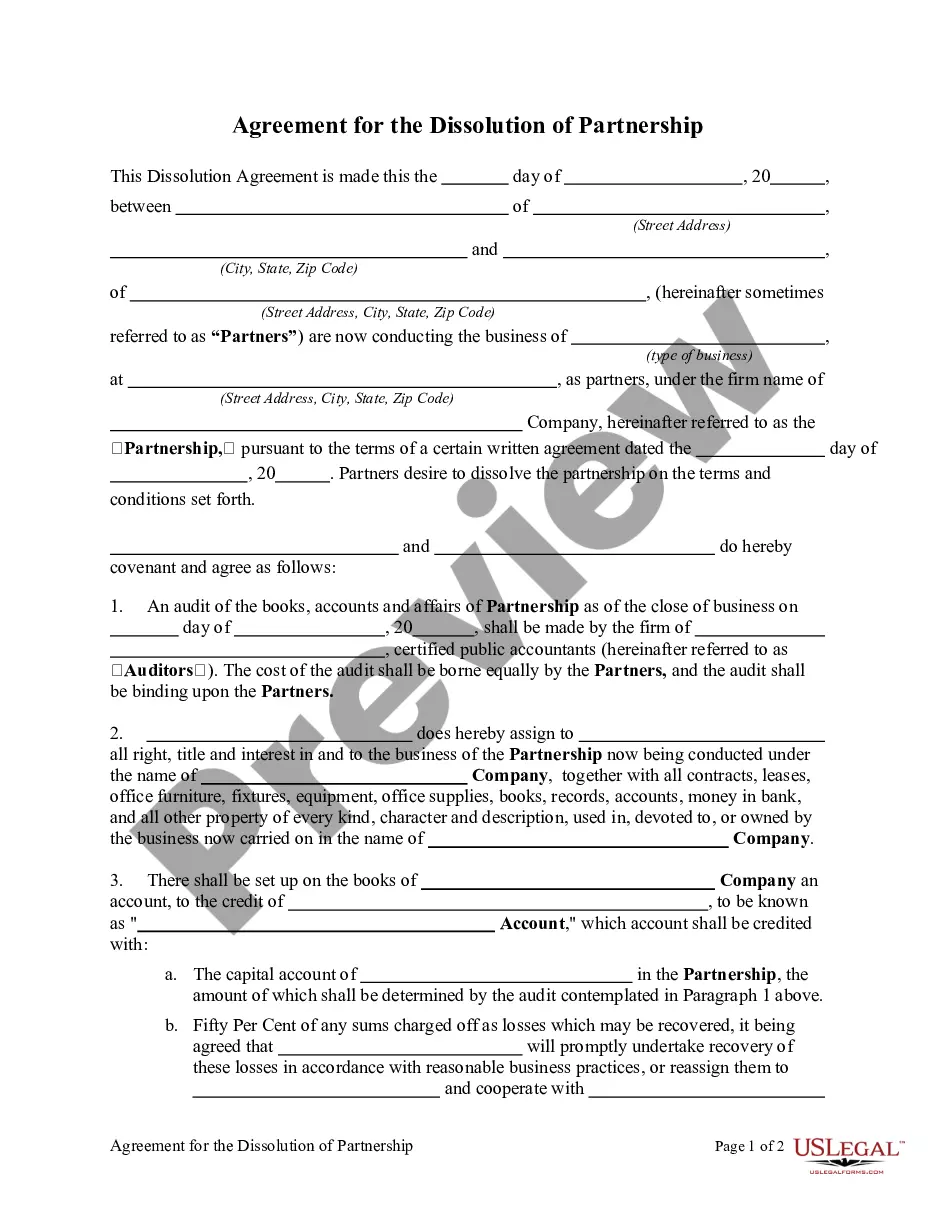





Form popularity
FAQ
Do I really need to get a business license in Virginia? Yes! It's true that a lot of self-employed individuals, particularly those who work from home, never get a state or local Virginia business license.
Virginia doesn't license individuals, only businesses. That means you must start a general contracting business to obtain a general contractor license in this state.
Under Virginia Code Section 54.1-1115, no one may contract for or bid upon the “construction, removal, repair, or improvements to or upon real property owned, controlled or leased by another person” without a license or the correct type of license.
You only need a license in Virginia if you plan to perform certain types of jobs beyond the scope of minor repairs. If your work will become a finished part of the structure (such as replacing flooring in an entire room) and the total for the project exceeds $1,000, you must have a general contractor license.
Virginia Class B Contractor License: Requires Minimum Net Worth of $15,000. Qualified Individual needs at least 3 years experience. Maximum Project Size is less than $120,000. Maximum Annual Revenue is less than $750,000.
Any person who undertakes work without (i) any valid Virginia contractor's license or certificate when a license or certificate is required by this chapter or (ii) the proper class of license as defined in § 54.1-1100 for the work undertaken, shall be fined an amount not to exceed $500 per day for each day that such ...
Limit your down payment or deposit. A good rule of thumb is an initial deposit of no more than 10% down or $1,000, whichever is less. Unless the job requires custom-made items or special orders, in which case an initial down payment should be no more than 30% of the total value of the contract.
Limit your deposit to 10% down or $1,000, whichever is less. (Up to 30% of total contract value in case of custom-made items.)
Unless the job requires custom-made items or special orders, in which case an initial down payment should be no more than 30% of the total value of the contract.
What are the Requirements to Getting a Virginia Contractor License? 5 years experience. Complete 8-hour pre-licensing course. Pass all three required exams (Virginia, General, & Advanced) Pass specialty trade exam. Submit application and required documentation of experience and minimum net worth ($45,000)
