Construction Fee Plus Form With 2 Points In Virginia
Description


Get your form ready online
Our built-in tools help you complete, sign, share, and store your documents in one place.
Make edits, fill in missing information, and update formatting in US Legal Forms—just like you would in MS Word.
Download a copy, print it, send it by email, or mail it via USPS—whatever works best for your next step.
Sign and collect signatures with our SignNow integration. Send to multiple recipients, set reminders, and more. Go Premium to unlock E-Sign.
If this form requires notarization, complete it online through a secure video call—no need to meet a notary in person or wait for an appointment.
We protect your documents and personal data by following strict security and privacy standards.

Make edits, fill in missing information, and update formatting in US Legal Forms—just like you would in MS Word.

Download a copy, print it, send it by email, or mail it via USPS—whatever works best for your next step.

Sign and collect signatures with our SignNow integration. Send to multiple recipients, set reminders, and more. Go Premium to unlock E-Sign.

If this form requires notarization, complete it online through a secure video call—no need to meet a notary in person or wait for an appointment.

We protect your documents and personal data by following strict security and privacy standards.
Looking for another form?
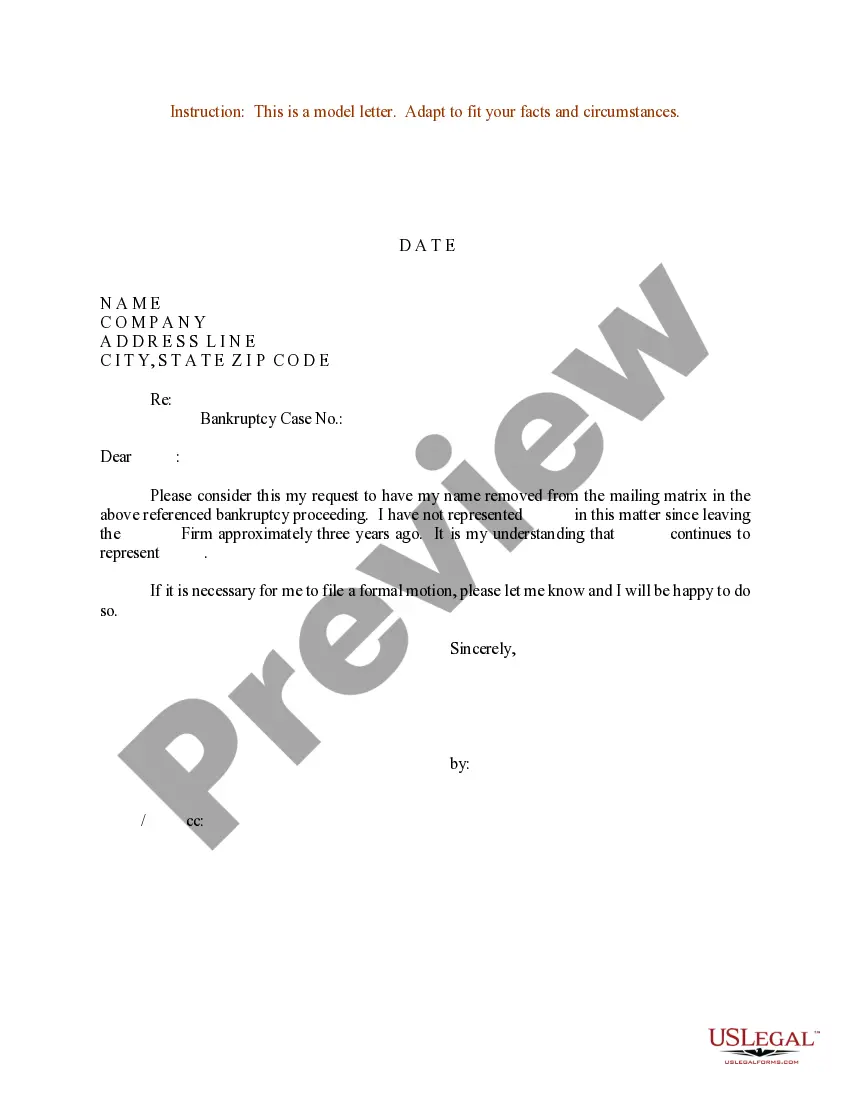
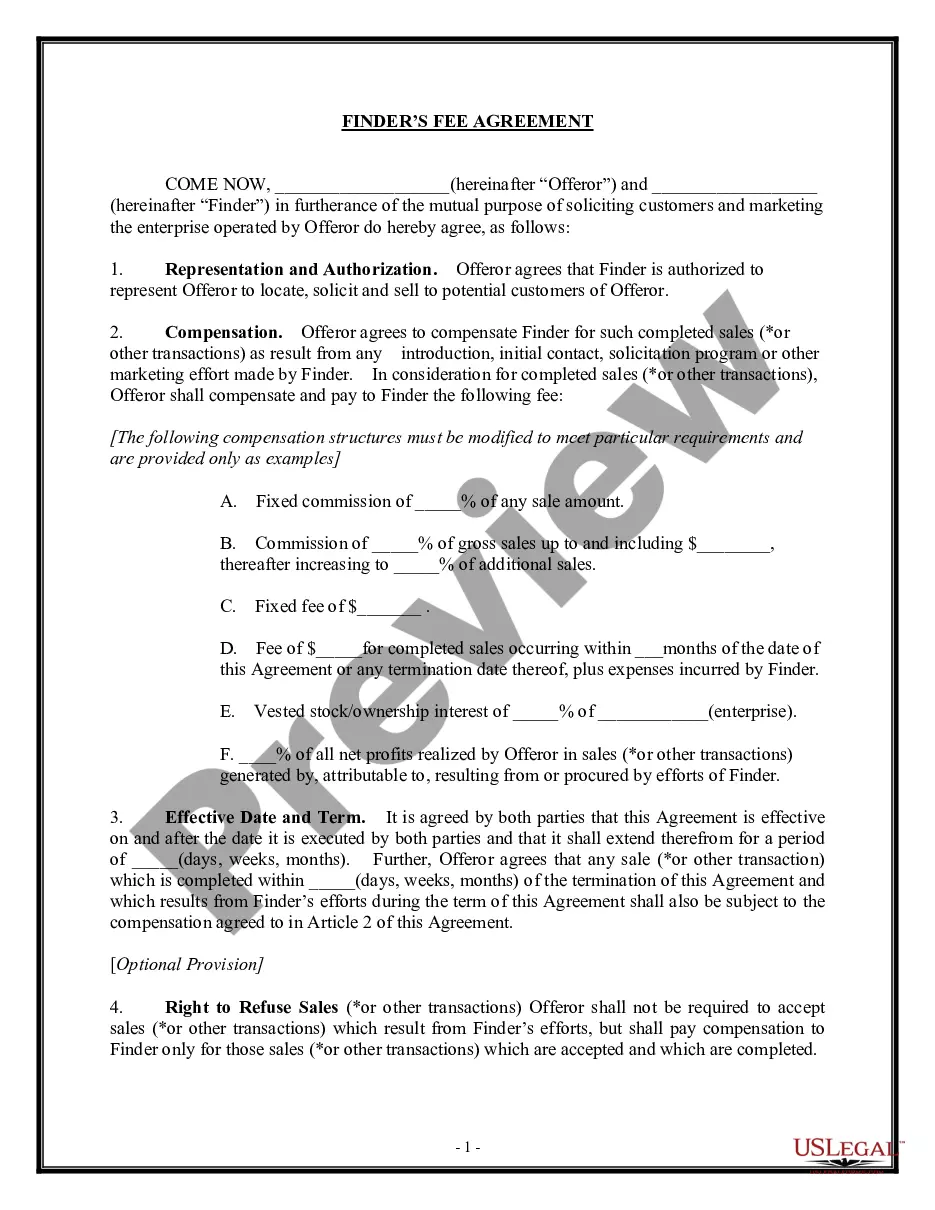

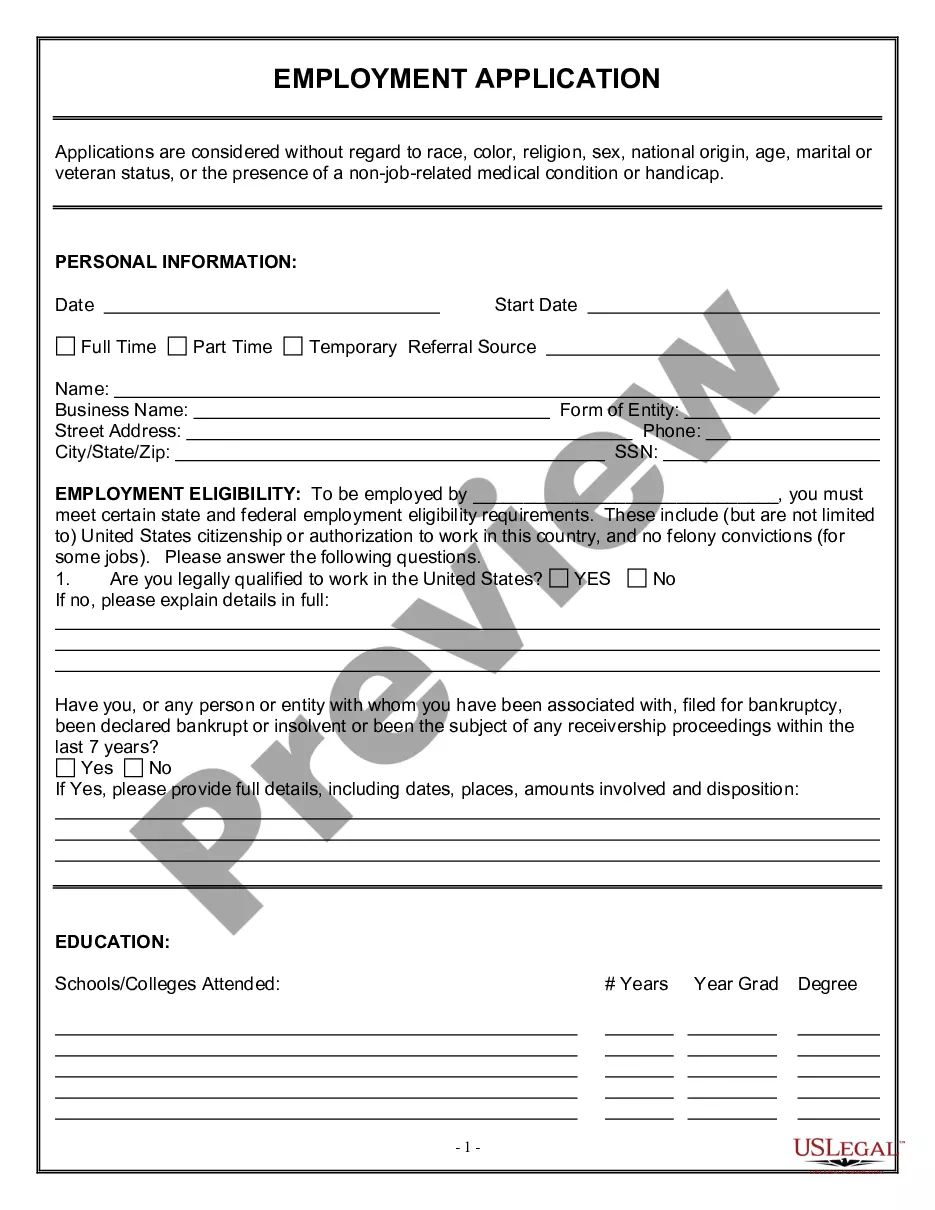




Form popularity
FAQ
Licensed contractors are required by law to provide a written contract for residential work, signed by both parties. Don't rely on verbal agreements. Get all guarantees, warranties, and promises in writing. Limit your down payment or deposit.
Any person who undertakes work without (i) any valid Virginia contractor's license or certificate when a license or certificate is required by this chapter or (ii) the proper class of license as defined in § 54.1-1100 for the work undertaken, shall be fined an amount not to exceed $500 per day for each day that such ...
This figure compares all of your debt payments, including the expected mortgage payment, to your income. For VA loans, the maximum back-end DTI allowed is generally 41%. However, there can be exceptions for up to 61%. By comparison, conventional loans may limit you to anywhere from 36% to 43%.
As of 2025, a veteran with a 70% disability rating with no spouse or dependents receives $1,759.19 per month. If the veteran has dependents, the monthly compensation increases. For example, a veteran with a spouse and one child can receive $2,017.49 per month.
Since Virginia law exempts only income from Virginia state and local obligations, an addition is required to bring interest income from obligations of other states into Virginia taxable income. The amount to be added back on the Virginia return is the income less related expenses.
Extension Payment Options Virginia grants an automatic 6-month extension to file your taxes (November 1 for most people). However, the extension does not apply to any taxes owed.
Every pass-through entity (PTE) doing business in Virginia or having income from Virginia sources is required to electronically file a Form 502 for each taxable year.
A Virginia subtraction is allowed for individuals who receive distributions from retirement plans. The subtraction can be taken only if the individual was taxed on contributions originally made to the retirement plan in another state that were deductible from federal adjusted gross income during the same period.
Oregon additions are income items that aren't reported on the federal personal income tax return but are taxed by Oregon, or they are deductions on the federal return that must be added back to Oregon income. All Oregon additions are reported using addition codes on Schedule OR-ASC or Schedule OR-ASC-NP.
