Construction Contract Form With Subcontractor In Virginia
Description

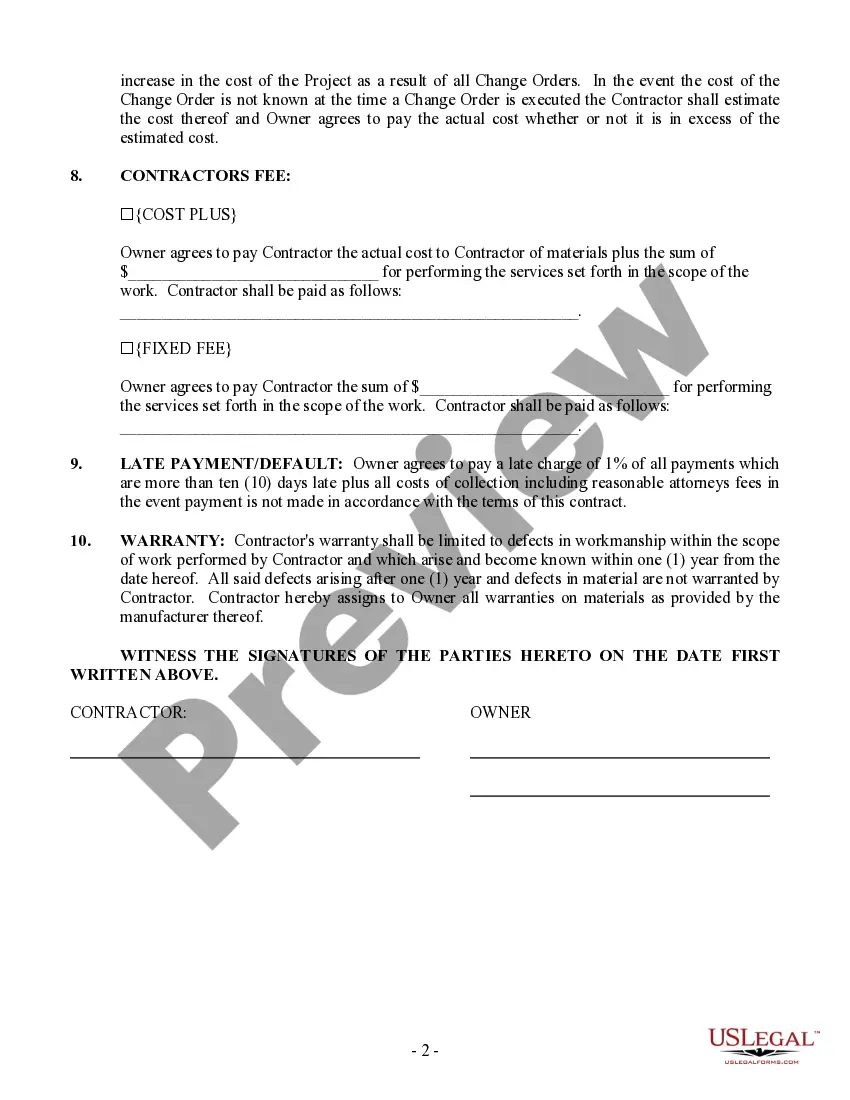
Get your form ready online
Our built-in tools help you complete, sign, share, and store your documents in one place.
Make edits, fill in missing information, and update formatting in US Legal Forms—just like you would in MS Word.
Download a copy, print it, send it by email, or mail it via USPS—whatever works best for your next step.
Sign and collect signatures with our SignNow integration. Send to multiple recipients, set reminders, and more. Go Premium to unlock E-Sign.
If this form requires notarization, complete it online through a secure video call—no need to meet a notary in person or wait for an appointment.
We protect your documents and personal data by following strict security and privacy standards.

Make edits, fill in missing information, and update formatting in US Legal Forms—just like you would in MS Word.

Download a copy, print it, send it by email, or mail it via USPS—whatever works best for your next step.

Sign and collect signatures with our SignNow integration. Send to multiple recipients, set reminders, and more. Go Premium to unlock E-Sign.

If this form requires notarization, complete it online through a secure video call—no need to meet a notary in person or wait for an appointment.

We protect your documents and personal data by following strict security and privacy standards.
Looking for another form?








Form popularity
FAQ
Virginia: All persons engaging in contracting work must be licensed. A general contractor can be subject to sanctions and fines for hiring an unlicensed subcontractor.
12 Key Components of a Subcontractor Agreement Identification of Parties. Insurance and Licensing Requirements. Scope of Work. Payment Terms and Conditions. Project Schedule and Duration. Material and Equipment. Change Order Procedures. Quality Standards and Compliance.
How to draft a contract between two parties: A step-by-step checklist Know your parties. Agree on the terms. Set clear boundaries. Spell out the consequences. Specify how you will resolve disputes. Cover confidentiality. Check the legality of the contract. Open it up to negotiation.
Do I really need to get a business license in Virginia? Yes! It's true that a lot of self-employed individuals, particularly those who work from home, never get a state or local Virginia business license.
Licensed contractors are required by law to provide a written contract for residential work, signed by both parties. Don't rely on verbal agreements. Get all guarantees, warranties, and promises in writing. Limit your down payment or deposit.
Subcontractors and specialty trade contractors have the same requirements as general contractors. They must choose a license grade and follow all the steps outlined above. The only addition is they're also required to pass an additional examination for their specific trade and carry a DPOR license.
