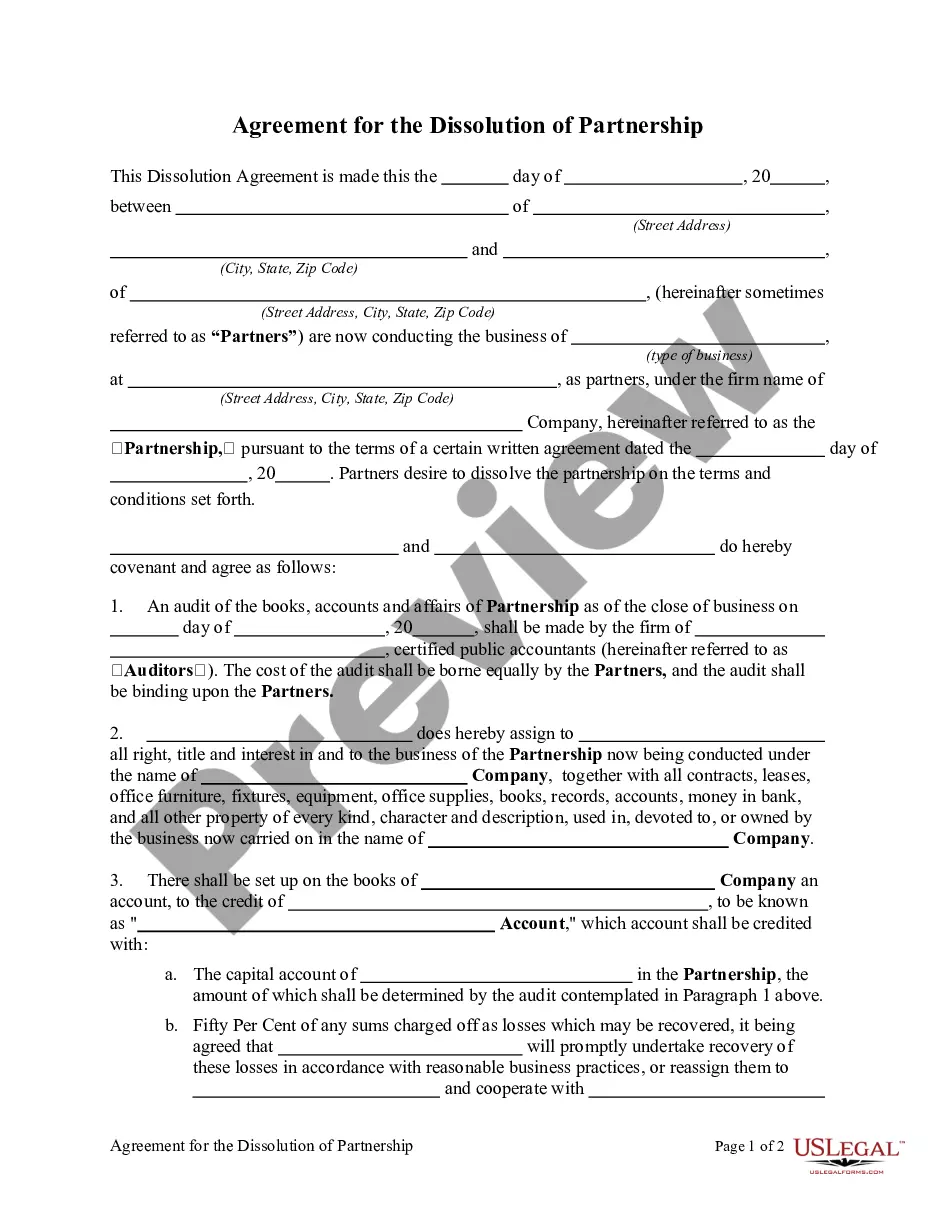
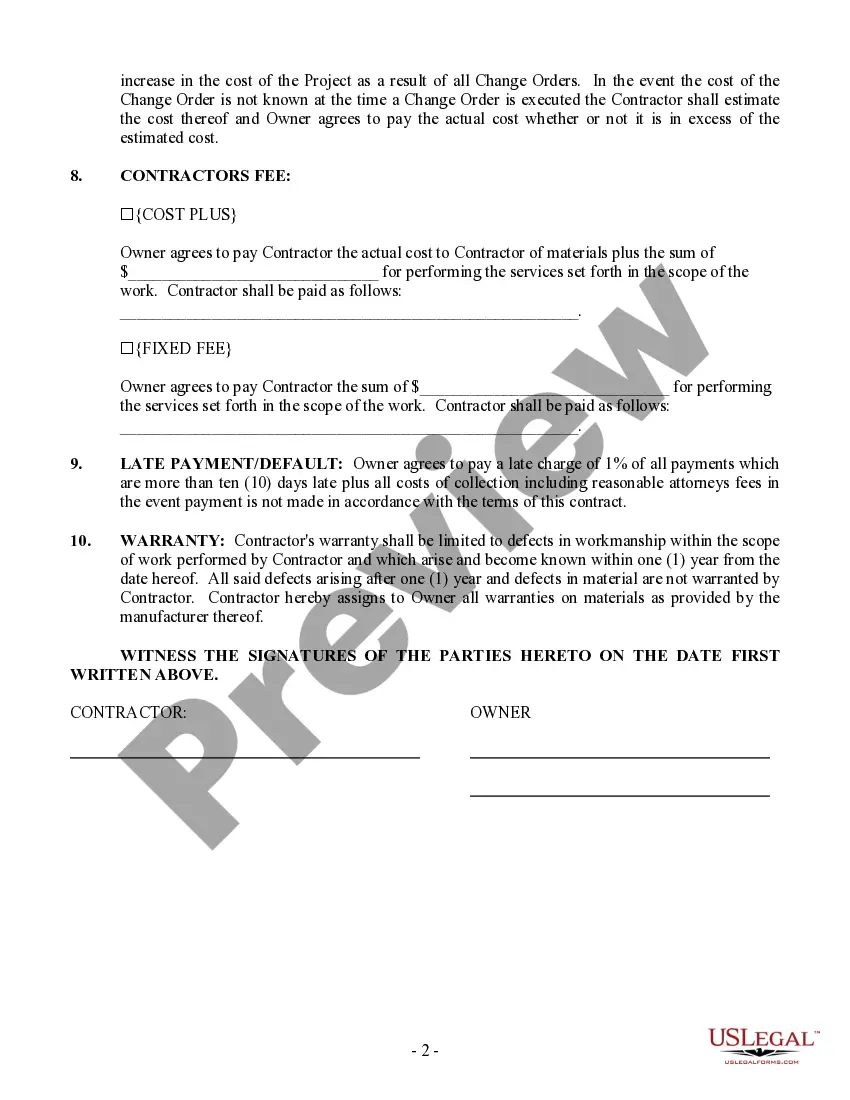
Construction Contracts In Uk In Sacramento
Description

Get your form ready online
Our built-in tools help you complete, sign, share, and store your documents in one place.
Make edits, fill in missing information, and update formatting in US Legal Forms—just like you would in MS Word.
Download a copy, print it, send it by email, or mail it via USPS—whatever works best for your next step.
Sign and collect signatures with our SignNow integration. Send to multiple recipients, set reminders, and more. Go Premium to unlock E-Sign.
If this form requires notarization, complete it online through a secure video call—no need to meet a notary in person or wait for an appointment.
We protect your documents and personal data by following strict security and privacy standards.

Make edits, fill in missing information, and update formatting in US Legal Forms—just like you would in MS Word.

Download a copy, print it, send it by email, or mail it via USPS—whatever works best for your next step.

Sign and collect signatures with our SignNow integration. Send to multiple recipients, set reminders, and more. Go Premium to unlock E-Sign.

If this form requires notarization, complete it online through a secure video call—no need to meet a notary in person or wait for an appointment.

We protect your documents and personal data by following strict security and privacy standards.
Looking for another form?






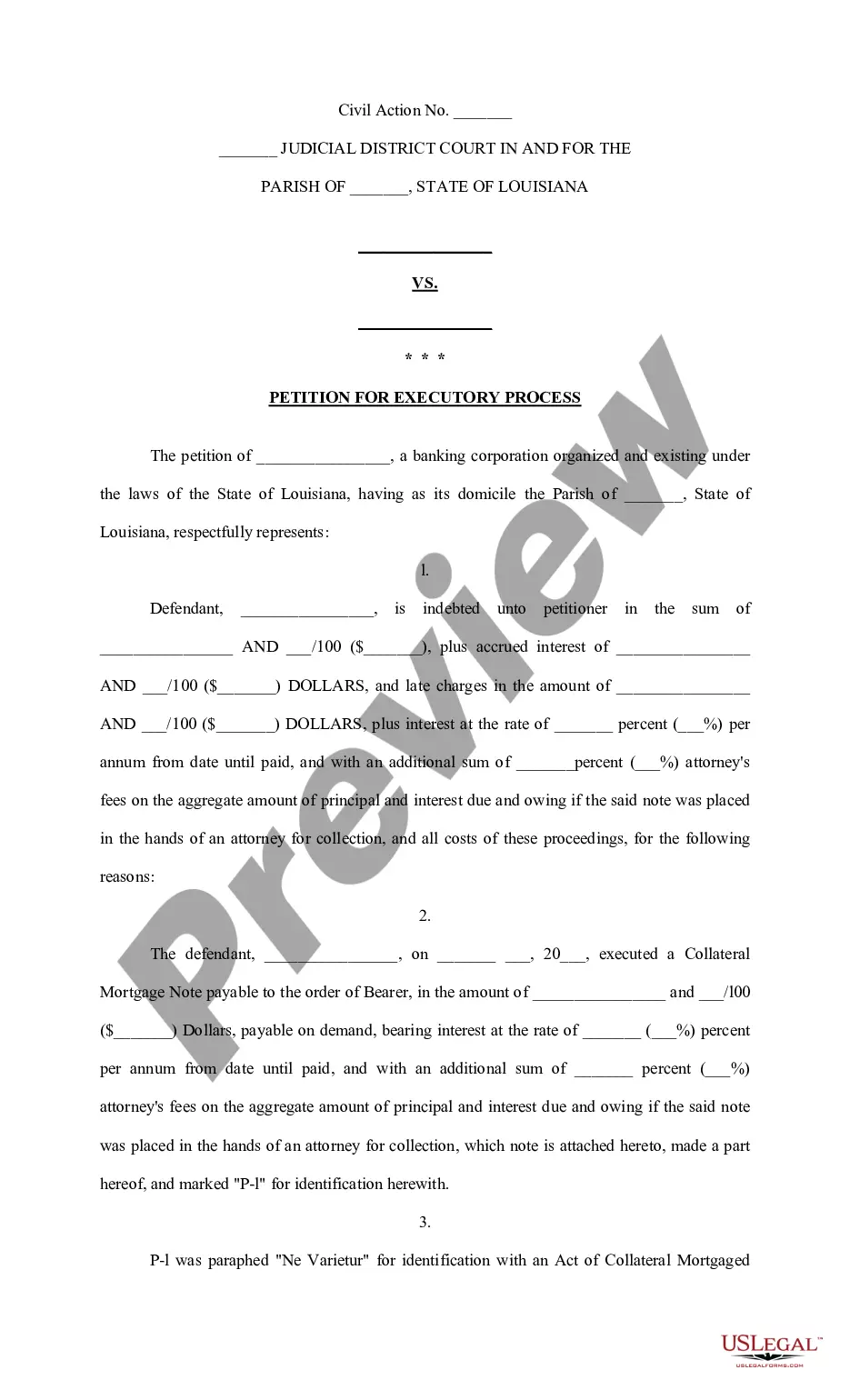


Form popularity
FAQ
The JCT Standard Building Contract is designed for large or complex construction projects where detailed contract provisions are needed. Standard Building Contracts are suitable for projects procured via the traditional or conventional method.
The 10 Easiest Government Contracts to Win Small Business Innovative Research (SBIR) and Small Business Technology Transfer (STTR) Funding. Advanced Research Projects Agency-Energy (ARPA-E) Funding. Defense Innovation Unit (DIU) Grants. Defense Advanced Research Projects Agency (DARPA) Contracts.
If you see builders working on small jobs ask them if they need anyone to labour. On bigger sites you'll need a CSCS card, and you won't be able to walk on . If you get a CSCS card, you can then register with every construction agency, and they may find you work.
When you're learning how to win contracts, you need to make sure you do the following: Do your research. Study the tender documents. Prepare your evidence. Show, don't tell. Demonstrate added value. Review – and then review it again. Submit the bid on time.
JCT contracts are the most commonly used in the UK, especially for building projects. They come in several forms, each designed for different project needs: Standard building contract. The standard building contract is intended for larger, more complex projects where detailed contract provisions are necessary.
Typically, requirements include: Accounts for the last 2 years. Insurance certificates. Health and safety policy. Quality assurance policy. Environmental policy. Equal opportunities policy. Organisation structure chart. CHAS, Constructionline, SafeContractor industry accreditations.
The basic elements required for the agreement to be a legally enforceable contract are: mutual assent , expressed by a valid offer and acceptance ; adequate consideration ; capacity ; and legality . In some states , elements of consideration can be satisfied by a valid substitute.
How To Write A Construction Contract With 7 Steps Step 1: Define the Parties Involved. Step 2: Outline the Scope of Work. Step 3: Establish the Timeline. Step 4: Determine the Payment Terms. Step 5: Include Necessary Legal Clauses. Step 6: Address Change Orders and Modifications. Step 7: Sign and Execute the Contract.
A basic binding contract must comprise four key elements: offer, acceptance, consideration and intent to create legal relations.