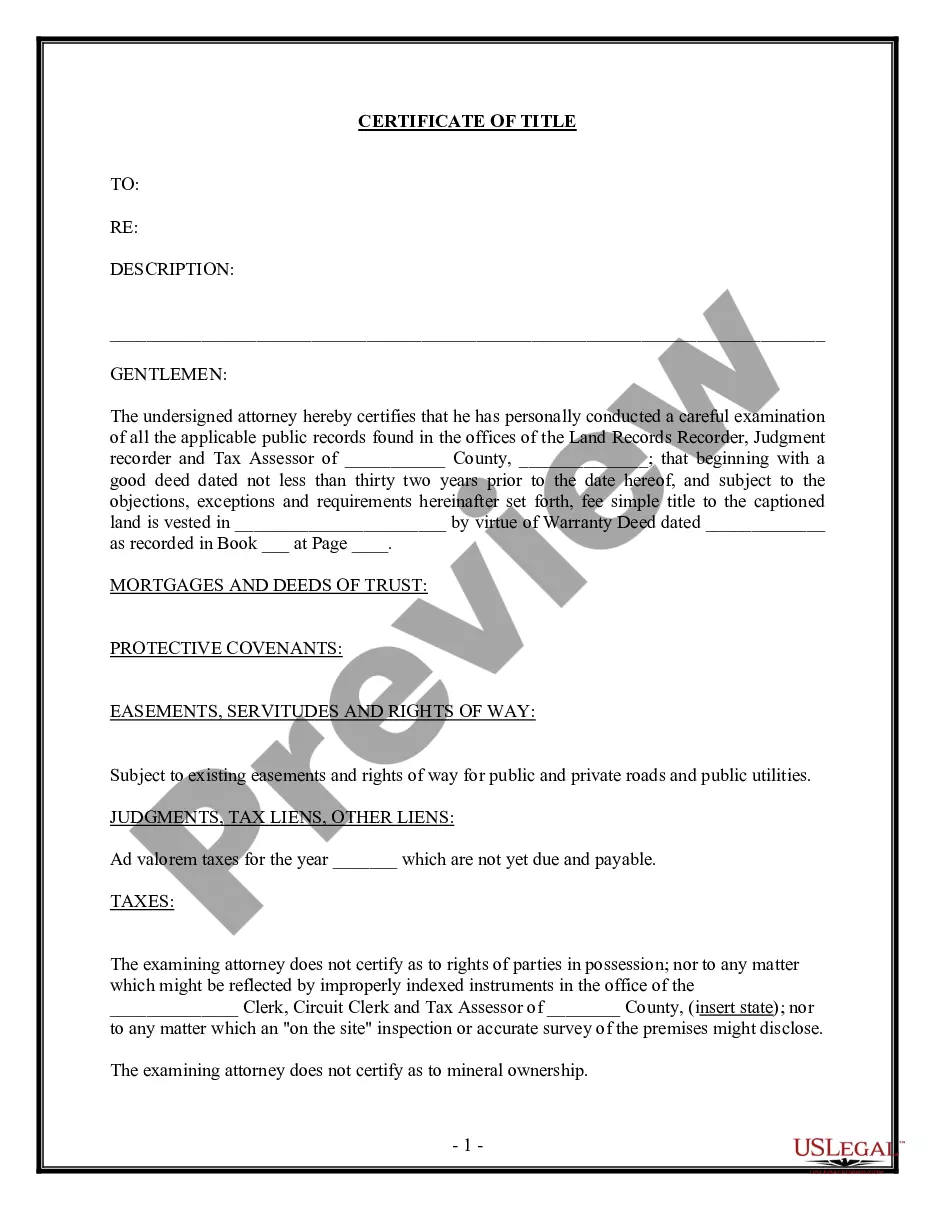
Construction Contracts Former Provisions Act In Riverside
Description


Get your form ready online
Our built-in tools help you complete, sign, share, and store your documents in one place.
Make edits, fill in missing information, and update formatting in US Legal Forms—just like you would in MS Word.
Download a copy, print it, send it by email, or mail it via USPS—whatever works best for your next step.
Sign and collect signatures with our SignNow integration. Send to multiple recipients, set reminders, and more. Go Premium to unlock E-Sign.
If this form requires notarization, complete it online through a secure video call—no need to meet a notary in person or wait for an appointment.
We protect your documents and personal data by following strict security and privacy standards.

Make edits, fill in missing information, and update formatting in US Legal Forms—just like you would in MS Word.

Download a copy, print it, send it by email, or mail it via USPS—whatever works best for your next step.

Sign and collect signatures with our SignNow integration. Send to multiple recipients, set reminders, and more. Go Premium to unlock E-Sign.

If this form requires notarization, complete it online through a secure video call—no need to meet a notary in person or wait for an appointment.

We protect your documents and personal data by following strict security and privacy standards.
Looking for another form?







Form popularity
FAQ
Enacted in 1972, the Mills Act legislation grants participating local governments, including the City of Riverside, authority to enter into contracts with owners of qualified historic properties who actively participate in the restoration and maintenance of their properties to receive property tax relief.
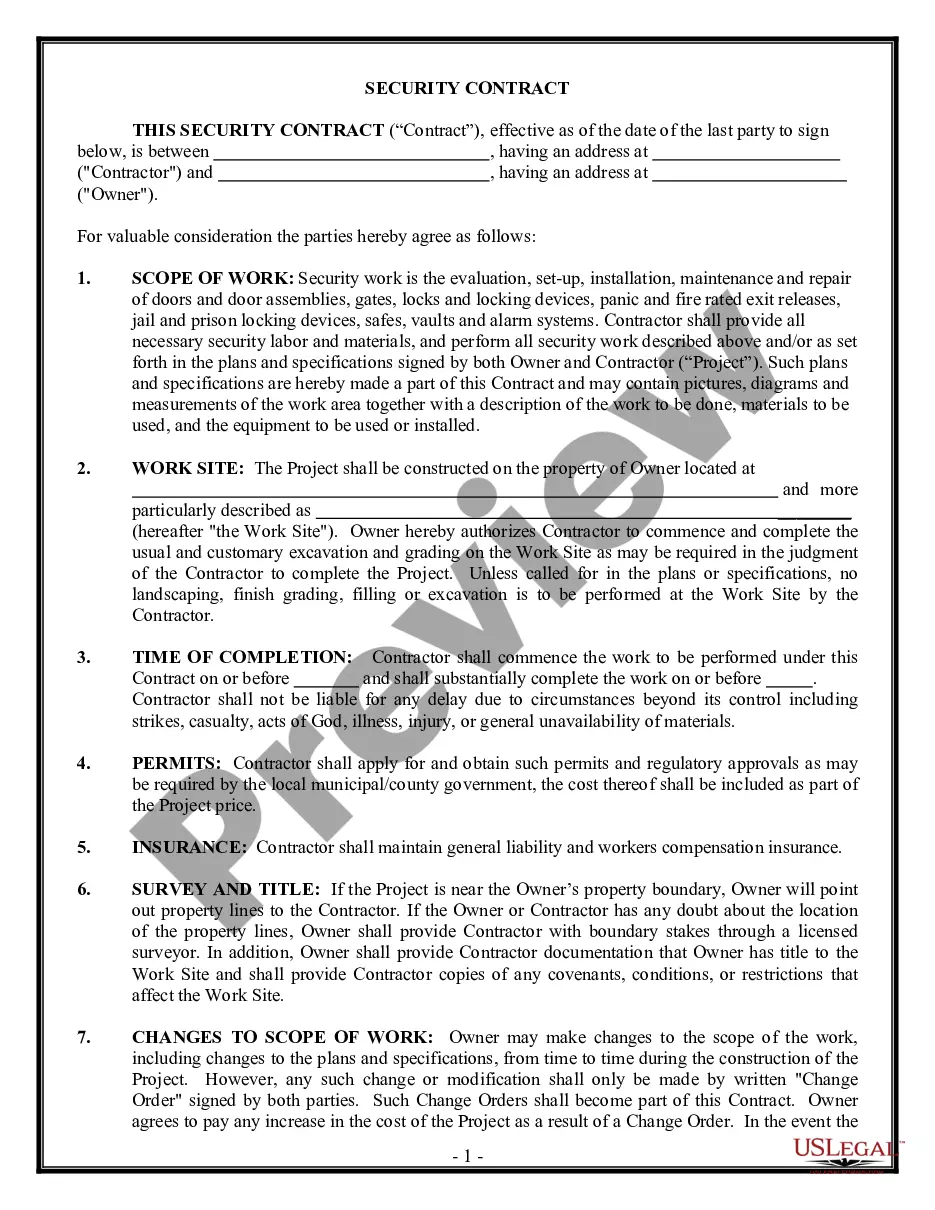
How To Write A Construction Contract With 7 Steps Step 1: Define the Parties Involved. Step 2: Outline the Scope of Work. Step 3: Establish the Timeline. Step 4: Determine the Payment Terms. Step 5: Include Necessary Legal Clauses. Step 6: Address Change Orders and Modifications. Step 7: Sign and Execute the Contract.
Use recruitment agencies Recruiters do the legwork for you, connecting you with contracts based on your skills, experience and fees. You could start by signing up with several of the leading contract recruitment agencies, which will update you as and when a relevant opportunity comes their way.
Here are the top 15 lead generation sites for construction contractors: Google Business Profile. Creating a Google Business Profile (GBP) can help potential leads find your business online via Google Search and Google Maps. Angie's List. Yelp. Houzz. Bing Places for Business. HomeAdvisor. Meta Business Suite. Porch.
A Letter of Acceptance (LOA) is a pivotal document in the realm of contract management and procurement. It represents a formal acknowledgment issued by one party, often the employer or buyer, indicating the acceptance of a contract proposal or tender submitted by another party, the contractor or seller.
There are three types of agreement commonly referred to as letters of intent. They are: comfort letters instructions to proceed with consent to spend and the recognition of the existence of binding contracts. Reference to 'letters of intent' is used as a generic phrase including all of the these types of document.
Letter of intent—construction—contractor checklist A letter of intent (LOI) may be entered into prior to the agreement and execution of a building contract (or sub-contract) to enable some design and/or works to begin.
A letter of intent (LOI) is a document declaring the preliminary commitment of one party to do business with another.
How To Write A Construction Contract With 7 Steps Step 1: Define the Parties Involved. Step 2: Outline the Scope of Work. Step 3: Establish the Timeline. Step 4: Determine the Payment Terms. Step 5: Include Necessary Legal Clauses. Step 6: Address Change Orders and Modifications. Step 7: Sign and Execute the Contract.
How to draft a contract in 13 simple steps Start with a contract template. Understand the purpose and requirements. Identify all parties involved. Outline key terms and conditions. Define deliverables and milestones. Establish payment terms. Add termination conditions. Incorporate dispute resolution.