Contract Contractor Building For Work Over $20 000 In Pima
Description


Get your form ready online
Our built-in tools help you complete, sign, share, and store your documents in one place.
Make edits, fill in missing information, and update formatting in US Legal Forms—just like you would in MS Word.
Download a copy, print it, send it by email, or mail it via USPS—whatever works best for your next step.
Sign and collect signatures with our SignNow integration. Send to multiple recipients, set reminders, and more. Go Premium to unlock E-Sign.
If this form requires notarization, complete it online through a secure video call—no need to meet a notary in person or wait for an appointment.
We protect your documents and personal data by following strict security and privacy standards.

Make edits, fill in missing information, and update formatting in US Legal Forms—just like you would in MS Word.

Download a copy, print it, send it by email, or mail it via USPS—whatever works best for your next step.

Sign and collect signatures with our SignNow integration. Send to multiple recipients, set reminders, and more. Go Premium to unlock E-Sign.

If this form requires notarization, complete it online through a secure video call—no need to meet a notary in person or wait for an appointment.

We protect your documents and personal data by following strict security and privacy standards.
Looking for another form?

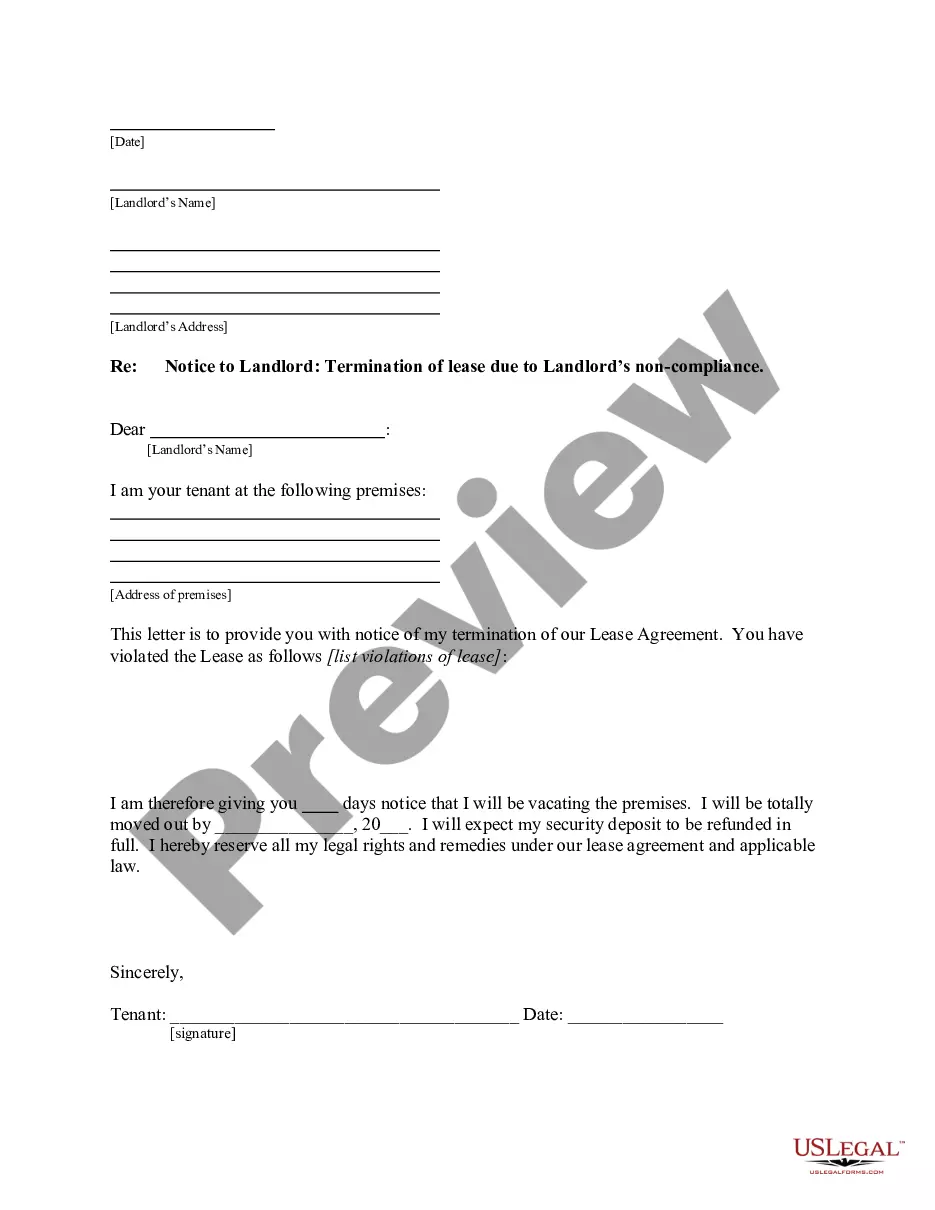
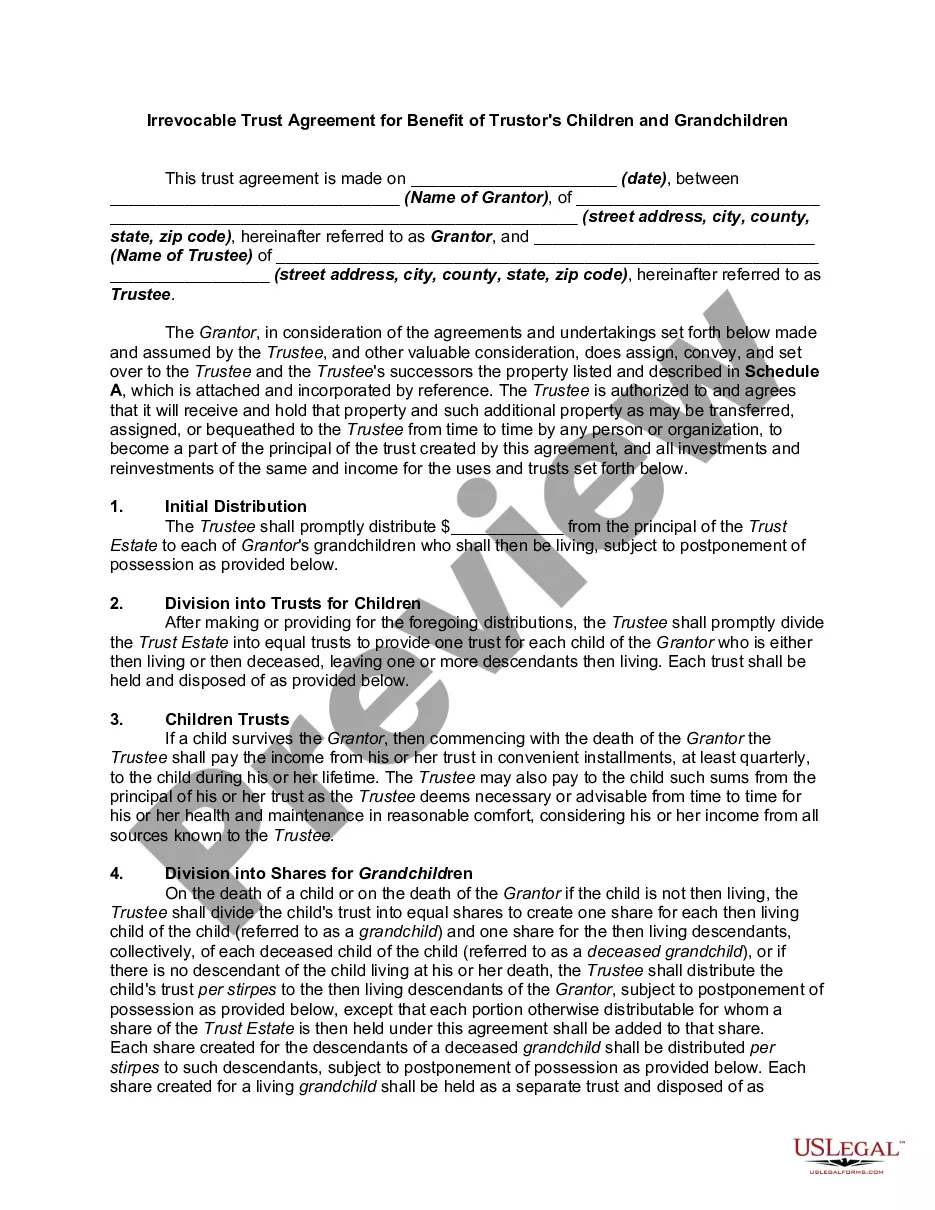
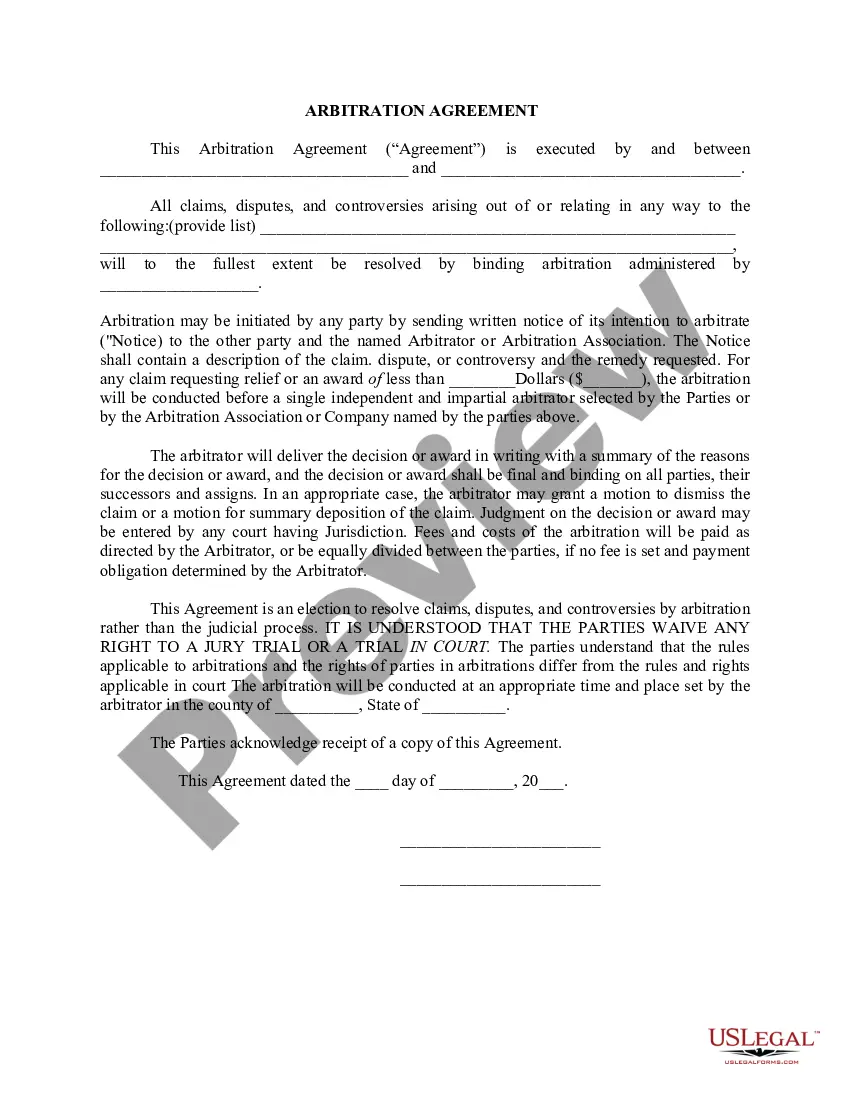






Form popularity
FAQ
10 Different Types of Contracts Type of ContractEveryday Use Implied Contracts Common in everyday transactions like dining out. Express Contracts Standard in formal business agreements. Simple Contracts Used for straightforward services or transactions. Unconscionable Contracts Often challenged in court for fairness.10 more rows •
The general contractor is responsible for delivering a fully functional and operational facility or plant. This means that the investor can focus on their core business activities while the EPC contractor handles all aspects of the project, from design to commissioning.
If your project has a well-defined scope of work, a lump sum contract is a straightforward solution since contractors should be able to accurately estimate costs. If the project scope is unclear, contractors can bid with time and materials contracts to mitigate risk.
The rules of contract construction call on several different types of meaning. These include plain meaning, use meaning, subjective meaning, objective meaning, purpose, and belief and intent. The correct approach to contract interpretation differs ing to the facts of the case and the legal question at issue.
To be legally enforceable, an agreement must contain all of the following criteria: An offer and acceptance; Certainty of terms; Consideration; An intention to create legal relations; Capacity of the parties; and, Legality of purpose.
A contract will only be legally binding upon the contracting parties if the following requirements are complied with: consensus, contractual capacity, certainty, possibility, legality and formalities. 39 The above requirements will be discussed next. 39Para 1 1 above.
How to Write a Contractor Agreement Outline Services Provided. The contractor agreement should list all services the contractor will provide. Document Duration of the Work. Specify the duration of the working relationship. Outline Payment Terms. Outline Confidentiality Agreement. Consult with a Lawyer.
Lesson Summary. A contract is a legal agreement between two or more parties in which they agree to each other's rights and responsibilities. Offer, acceptance, awareness, consideration, and capacity are the five elements of an enforceable contract.
Due to the nature of their work and the fact they are perceived as highly-skilled and possess the correct specific skills and experience, contractors can typically demand a higher salary - the figure is roughly reported as being 15% more in comparison to a permanent employee.
As a general rule of thumb your contractor rate should be at least 50% more than you'd get for the same work as an employee.
