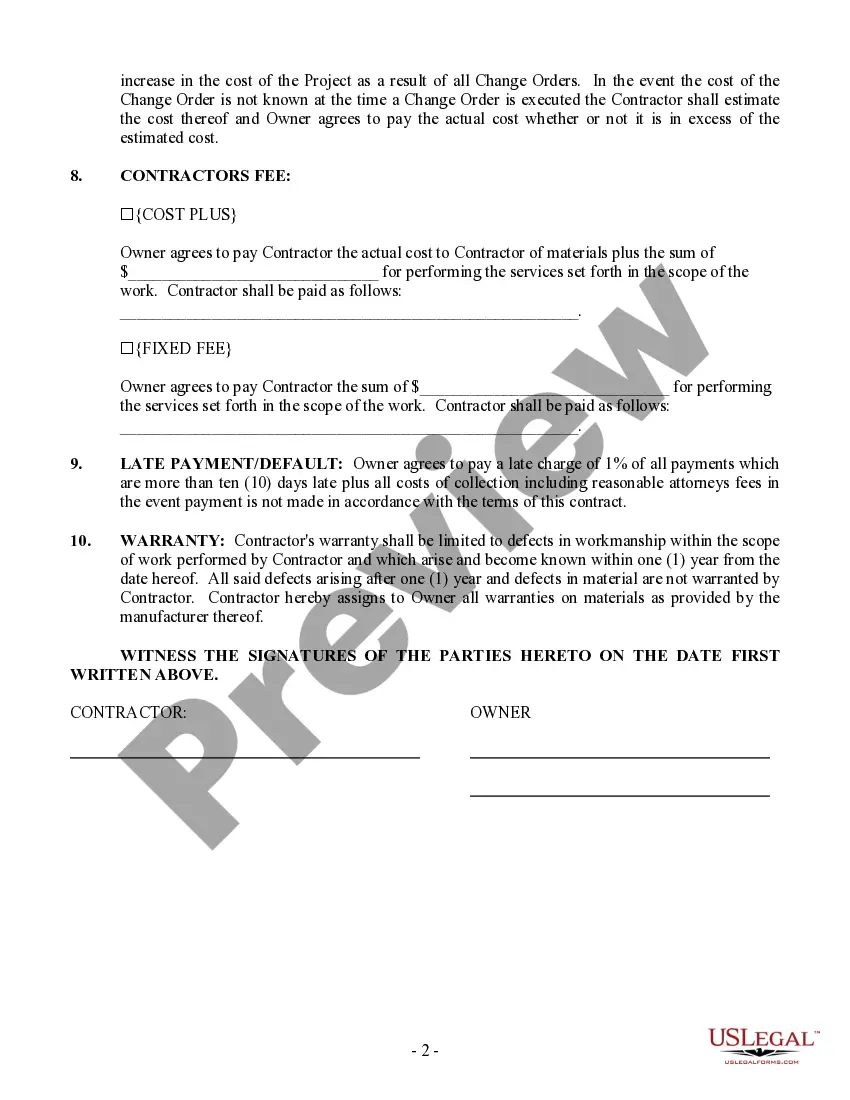
Contract Cost Plus Agreement For Construction In Pennsylvania
Description

Get your form ready online
Our built-in tools help you complete, sign, share, and store your documents in one place.
Make edits, fill in missing information, and update formatting in US Legal Forms—just like you would in MS Word.
Download a copy, print it, send it by email, or mail it via USPS—whatever works best for your next step.
Sign and collect signatures with our SignNow integration. Send to multiple recipients, set reminders, and more. Go Premium to unlock E-Sign.
If this form requires notarization, complete it online through a secure video call—no need to meet a notary in person or wait for an appointment.
We protect your documents and personal data by following strict security and privacy standards.

Make edits, fill in missing information, and update formatting in US Legal Forms—just like you would in MS Word.

Download a copy, print it, send it by email, or mail it via USPS—whatever works best for your next step.

Sign and collect signatures with our SignNow integration. Send to multiple recipients, set reminders, and more. Go Premium to unlock E-Sign.

If this form requires notarization, complete it online through a secure video call—no need to meet a notary in person or wait for an appointment.

We protect your documents and personal data by following strict security and privacy standards.
Looking for another form?



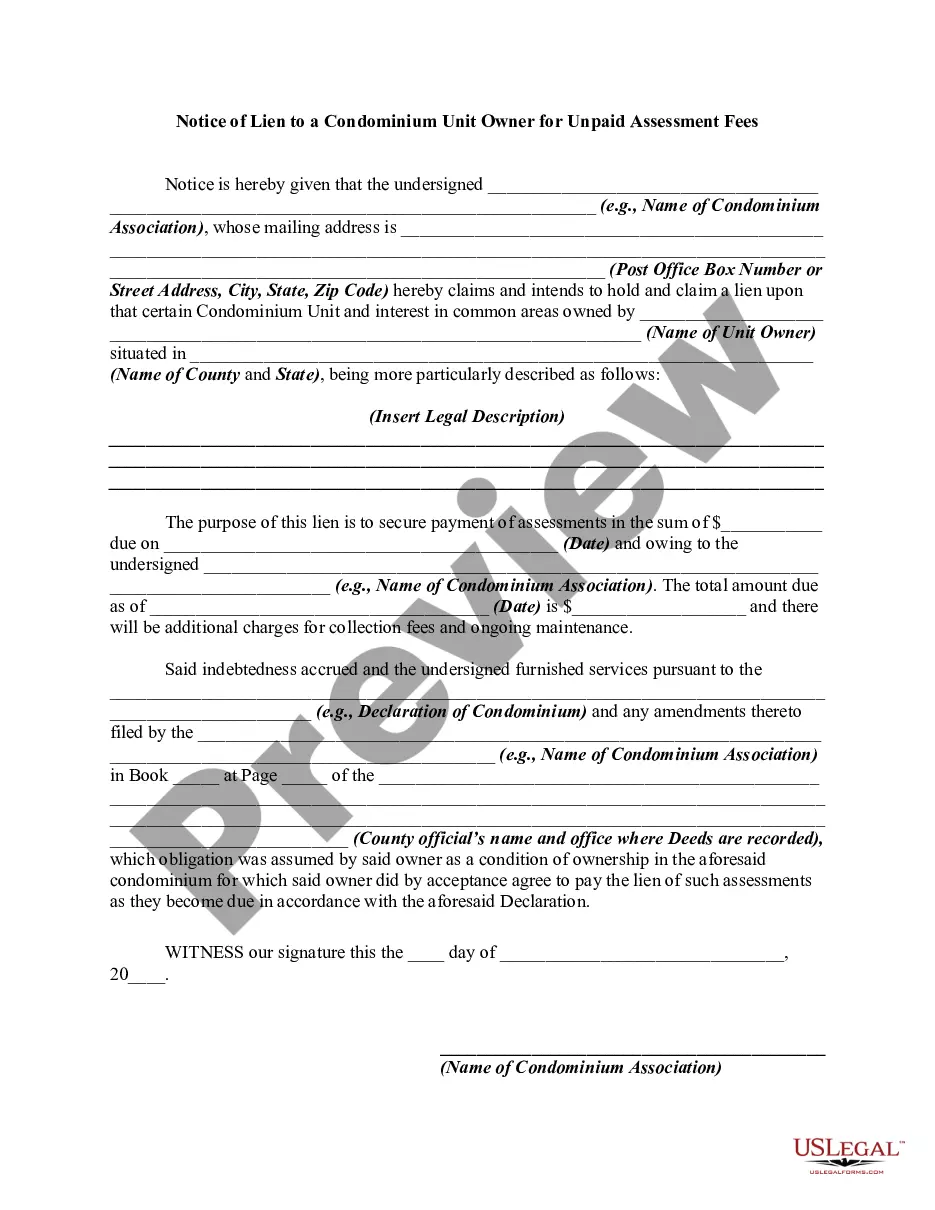

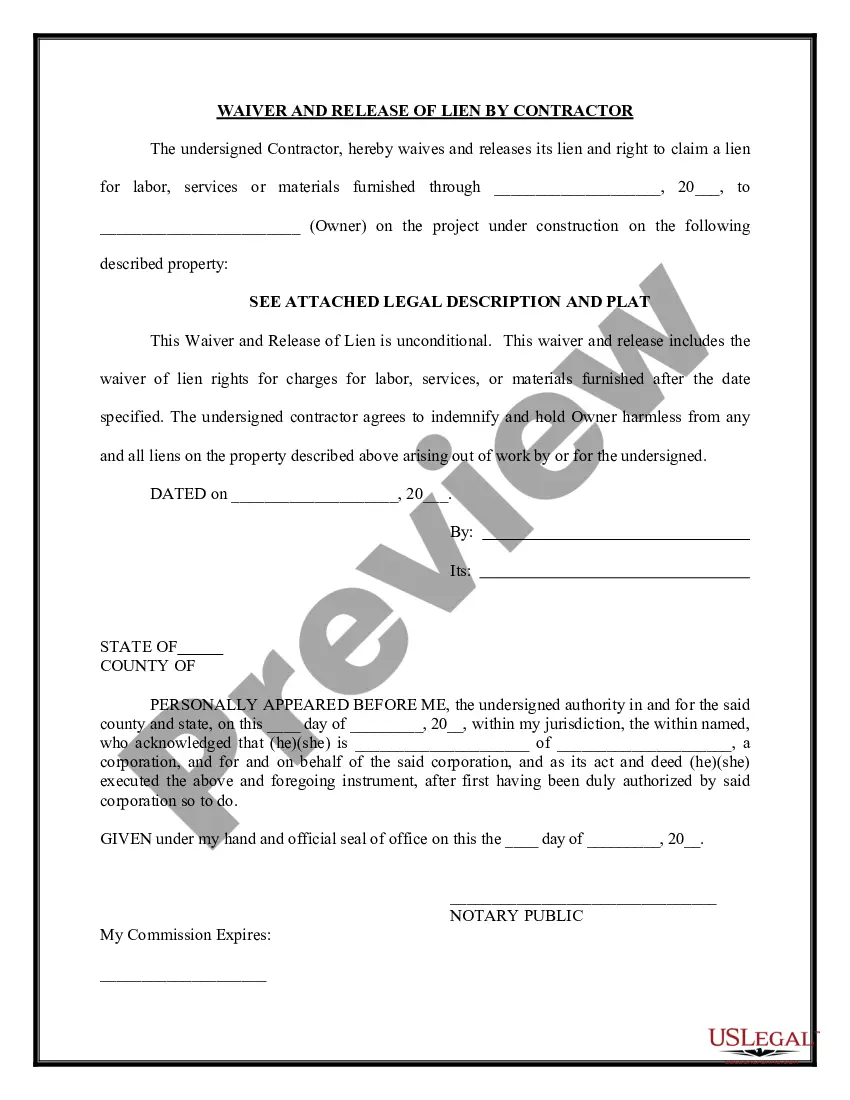

Form popularity
FAQ
Pennsylvania has strict criminal laws that apply to contractors who negotiate contracts and perform home improvement jobs. A conviction for home improvement fraud can impact your freedom and privilege to work as a contractor in the future.
As a general rule of thumb your contractor rate should be at least 50% more than you'd get for the same work as an employee.
A contract begins with an offer from one party and an acceptance from another. Under Pennsylvania law, both parties must agree to the terms laid out in the contract. The offer is a proposal for a specific exchange or service, while the acceptance indicates that the other party agrees to the terms without modifications.
There are no statewide Pennsylvania general contractor license or certification requirements. However, any contractor who performs at least $5,000 worth of home improvements per year must register with the Attorney General's office.
Offer and Acceptance: One party must make an offer, and the other must accept it. Mutual Consent: Both parties agree to the terms without coercion. Contract law often refers to this condition as a "meeting of the minds." Competence: The parties must have the legal capacity to agree.
How To Write A Construction Contract With 7 Steps Step 1: Define the Parties Involved. Step 2: Outline the Scope of Work. Step 3: Establish the Timeline. Step 4: Determine the Payment Terms. Step 5: Include Necessary Legal Clauses. Step 6: Address Change Orders and Modifications. Step 7: Sign and Execute the Contract.
How To Write A Construction Contract With 7 Steps Step 1: Define the Parties Involved. Step 2: Outline the Scope of Work. Step 3: Establish the Timeline. Step 4: Determine the Payment Terms. Step 5: Include Necessary Legal Clauses. Step 6: Address Change Orders and Modifications. Step 7: Sign and Execute the Contract.
