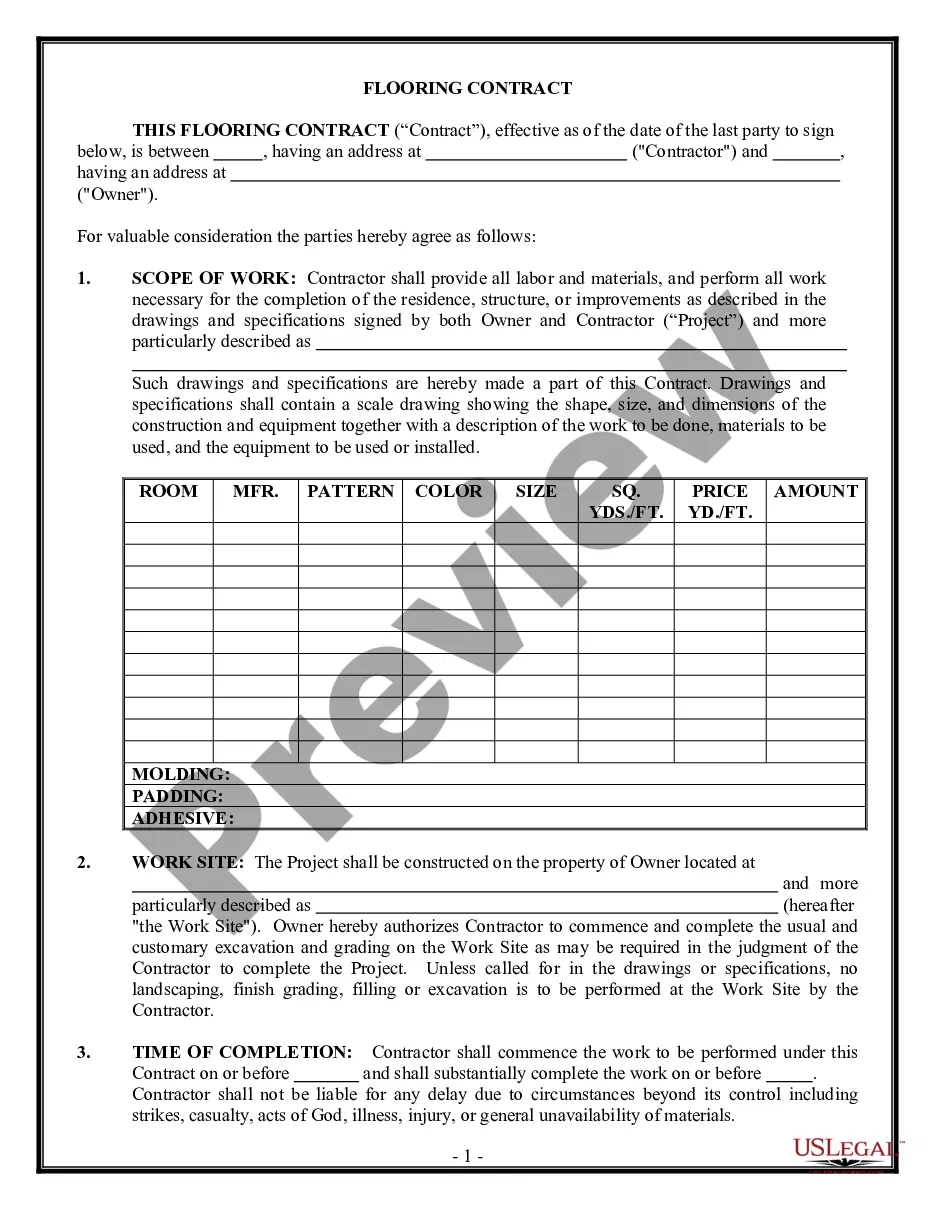
Contract Contractor Building For Residential In Oakland
Description


Get your form ready online
Our built-in tools help you complete, sign, share, and store your documents in one place.
Make edits, fill in missing information, and update formatting in US Legal Forms—just like you would in MS Word.
Download a copy, print it, send it by email, or mail it via USPS—whatever works best for your next step.
Sign and collect signatures with our SignNow integration. Send to multiple recipients, set reminders, and more. Go Premium to unlock E-Sign.
If this form requires notarization, complete it online through a secure video call—no need to meet a notary in person or wait for an appointment.
We protect your documents and personal data by following strict security and privacy standards.

Make edits, fill in missing information, and update formatting in US Legal Forms—just like you would in MS Word.

Download a copy, print it, send it by email, or mail it via USPS—whatever works best for your next step.

Sign and collect signatures with our SignNow integration. Send to multiple recipients, set reminders, and more. Go Premium to unlock E-Sign.

If this form requires notarization, complete it online through a secure video call—no need to meet a notary in person or wait for an appointment.

We protect your documents and personal data by following strict security and privacy standards.
Looking for another form?






Form popularity
FAQ
Below are eight important points to consider including in an independent contractor agreement. Define a Scope of Work. Set a Timeline for the Project. Specify Payment Terms. State Desired Results and Agree on Performance Measurement. Detail Insurance Requirements. Include a Statement of Independent Contractor Relationship.
The 510 area code is located in the East Bay of the San Francisco Bay Area in California. It includes the cities of: Oakland.
For urgent issues, call 311 or (510) 615-5566.
For urgent issues, call 311 or (510) 615-5566.
Oakland is a city in the East Bay region of the San Francisco Bay Area in the U.S. state of California.
How to become a contractor Determine if work as a contractor suits you. Expect to move on from your full-time job. Determine your tax position with employers. Think about your contractor structure. Register your company. Set up your banking and find an accountant. Create a contractor portfolio and online presence.
How to Start a Contracting Business Choose a trade. Set up and register your business structure. Explore business insurance. Choose the right tools and equipment. Understand the licensing requirements. Set a service rate. Market your business locally. Join an industry association.
