Building Contract For Homeowners In Minnesota
Description


Get your form ready online
Our built-in tools help you complete, sign, share, and store your documents in one place.
Make edits, fill in missing information, and update formatting in US Legal Forms—just like you would in MS Word.
Download a copy, print it, send it by email, or mail it via USPS—whatever works best for your next step.
Sign and collect signatures with our SignNow integration. Send to multiple recipients, set reminders, and more. Go Premium to unlock E-Sign.
If this form requires notarization, complete it online through a secure video call—no need to meet a notary in person or wait for an appointment.
We protect your documents and personal data by following strict security and privacy standards.

Make edits, fill in missing information, and update formatting in US Legal Forms—just like you would in MS Word.

Download a copy, print it, send it by email, or mail it via USPS—whatever works best for your next step.

Sign and collect signatures with our SignNow integration. Send to multiple recipients, set reminders, and more. Go Premium to unlock E-Sign.

If this form requires notarization, complete it online through a secure video call—no need to meet a notary in person or wait for an appointment.

We protect your documents and personal data by following strict security and privacy standards.
Looking for another form?

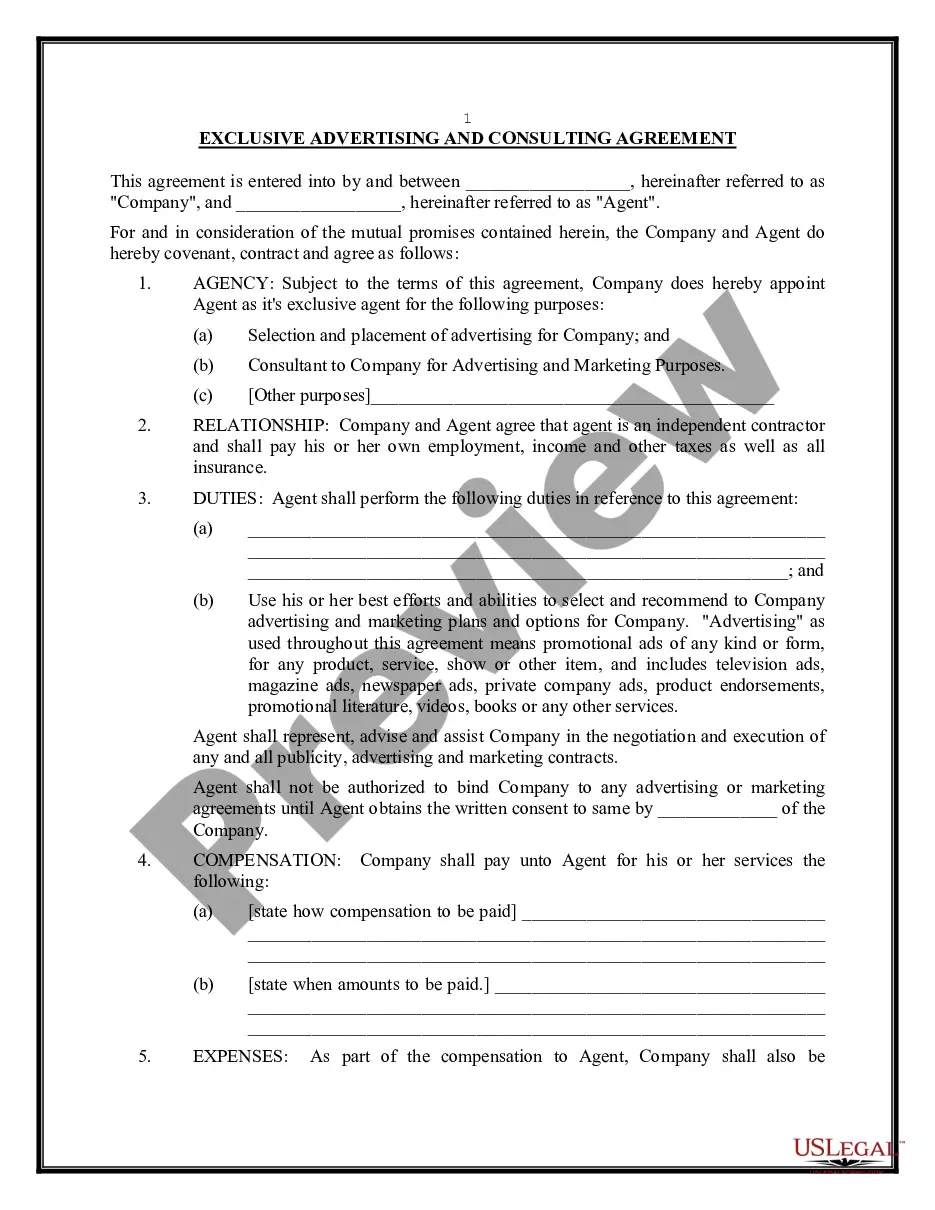




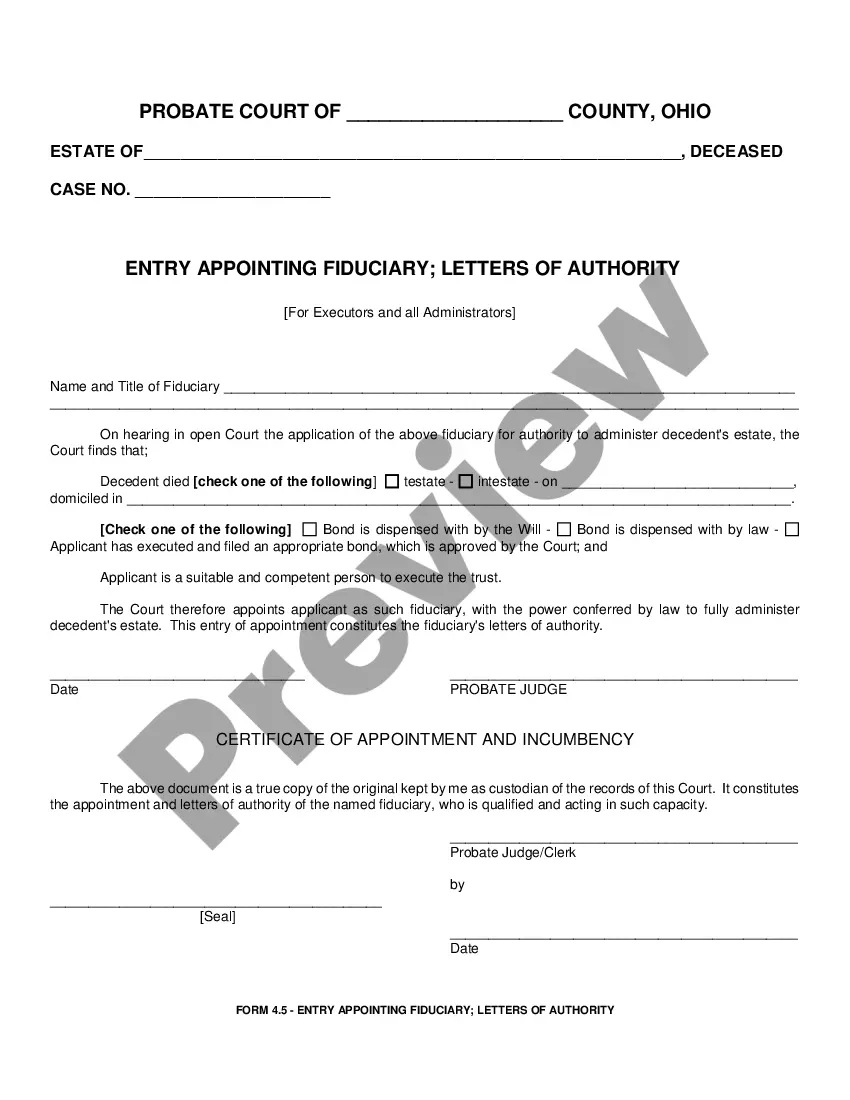


Form popularity
FAQ
If you only provide handyman services in one specialty area, such as exclusively focusing on drywall and interior painting, you wouldn't need a license even if you make more than $15,000 a year.
A contractor who provides services in more than one special skill area must be licensed. Specialty contractors who provide only one special skill are not required to have a state license (except residential roofers).
In Minnesota, homeowners typically do not need a license for general construction work on their own homes – providing they are the legal owners of the property. However, some mechanical, electrical, and plumbing projects may require a license or employment of a licensed contractor.
Their study found that the ten states with the most burdensome licensing regulations were: Missouri. Louisiana. Arizona. Wisconsin. Florida. Nevada. Alabama. Tennesse.
A contractor who provides services in more than one special skill area must be licensed. Specialty contractors who provide only one special skill are not required to have a state license (except residential roofers).
If your project has a well-defined scope of work, a lump sum contract is a straightforward solution since contractors should be able to accurately estimate costs. If the project scope is unclear, contractors can bid with time and materials contracts to mitigate risk.
Who does not need a contractor license? Residential building contractors whose gross annual receipts from their residential activities are less than $15,000 and have a Certificate of Exemption.
How to Get a General Contractor License in Minnesota Step 1: Register for the How to Pass the Minnesota Contractor Licensing Exam® Course Step 2: Register for Your Minnesota Residential Contractor Exam. Step 3: Attend How to Pass the Minnesota Contractor Licensing Exam Course. Step 4: Take the Exam.
Contracts don't need to be in legal language, but they do need to outline exactly who is responsible for what from obtaining various permissions (such as building control approval) to timings, tidying up, materials, insurance and how payments will be made. A written contract will protect you and reduce risks.
How to Get a General Contractor License in Minnesota Step 1: Register for the How to Pass the Minnesota Contractor Licensing Exam® Course Step 2: Register for Your Minnesota Residential Contractor Exam. Step 3: Attend How to Pass the Minnesota Contractor Licensing Exam Course. Step 4: Take the Exam.