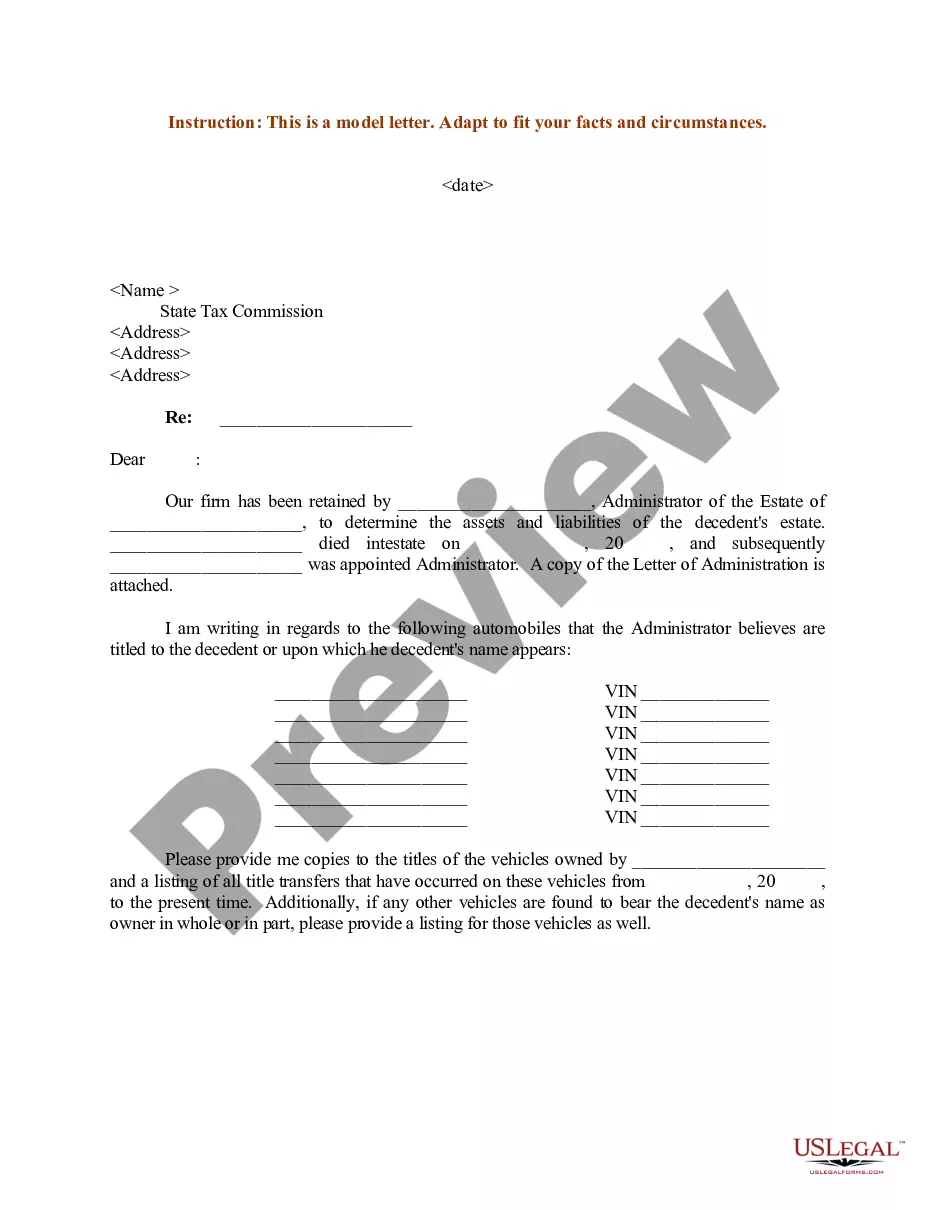
Contractor Work Project With Gst In Mecklenburg
Description


Get your form ready online
Our built-in tools help you complete, sign, share, and store your documents in one place.
Make edits, fill in missing information, and update formatting in US Legal Forms—just like you would in MS Word.
Download a copy, print it, send it by email, or mail it via USPS—whatever works best for your next step.
Sign and collect signatures with our SignNow integration. Send to multiple recipients, set reminders, and more. Go Premium to unlock E-Sign.
If this form requires notarization, complete it online through a secure video call—no need to meet a notary in person or wait for an appointment.
We protect your documents and personal data by following strict security and privacy standards.

Make edits, fill in missing information, and update formatting in US Legal Forms—just like you would in MS Word.

Download a copy, print it, send it by email, or mail it via USPS—whatever works best for your next step.

Sign and collect signatures with our SignNow integration. Send to multiple recipients, set reminders, and more. Go Premium to unlock E-Sign.

If this form requires notarization, complete it online through a secure video call—no need to meet a notary in person or wait for an appointment.

We protect your documents and personal data by following strict security and privacy standards.
Looking for another form?







Form popularity
FAQ
Taxable Goods and Services sales of new housing (certain sales of new housing may be subject to a previous rate of GST/HST) sales and rentals of commercial real property. sales and leases of automobiles. car repairs. non-essential groceries, such as soft drinks, candy, and potato chips.
For adding GST, the following formula is used. For example, if a product or service costs Rs. 100 and the GST levied on that is 18%, the GST amount will be 100 x 18% = Rs. 18.
For example is a common phrase used to indicate an example or illustration to support a statement. In writing, it is often abbreviated as e.g. and used to introduce an example or series of examples.
Exempt supply includes the provision of financial services, sale and lease of residential properties and local supply of investment precious metals. No GST is charged on exempt supplies. Out-of-scope supplies include supplies where the place of the supply is outside of Singapore. No GST is charged.
It's great that basic necessities such as groceries aren't taxed in Canada. Since people require these things daily, it's important to keep them affordable. Groceries that are exempt from tax include dairy products, eggs, cereals, vegetables, poultry, meat, fish, coffee, tea, and more.
Such liquidated damages are not subject to GST as they are compensatory in nature.
The current rates are: 5% (GST) in Alberta, British Columbia, Manitoba, Northwest Territories, Nunavut, Quebec, Saskatchewan, and Yukon. 13% (HST) in Ontario. 14% (HST) in Nova Scotia on or after April 1, 2025.
All goods imported into Singapore are subject to Goods and Services Tax (GST) at the prevailing rate. It is calculated based on: Customs value of the goods, plus all duties, or.
The following are examples of exempt supplies: most health, medical, and dental services performed by licensed physicians or dentists for medical reasons. bridge, road, and ferry tolls (ferry tolls are zero-rated if the ferry service is to or from a place outside Canada) many educational services such as:
Under Singapore law, liquidated damages refer to a contractually agreed amount payable when one party breaches the contract.