Project Contractor Salary In Georgia
Description

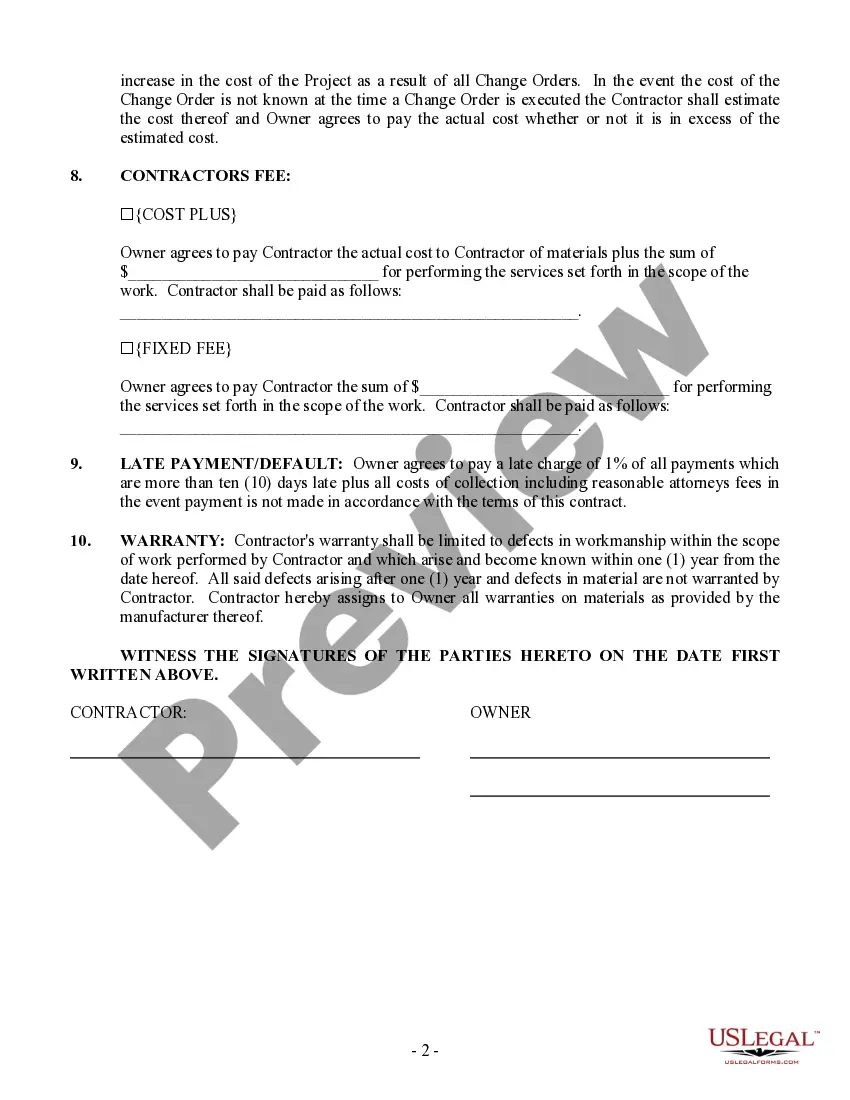
Get your form ready online
Our built-in tools help you complete, sign, share, and store your documents in one place.
Make edits, fill in missing information, and update formatting in US Legal Forms—just like you would in MS Word.
Download a copy, print it, send it by email, or mail it via USPS—whatever works best for your next step.
Sign and collect signatures with our SignNow integration. Send to multiple recipients, set reminders, and more. Go Premium to unlock E-Sign.
If this form requires notarization, complete it online through a secure video call—no need to meet a notary in person or wait for an appointment.
We protect your documents and personal data by following strict security and privacy standards.

Make edits, fill in missing information, and update formatting in US Legal Forms—just like you would in MS Word.

Download a copy, print it, send it by email, or mail it via USPS—whatever works best for your next step.

Sign and collect signatures with our SignNow integration. Send to multiple recipients, set reminders, and more. Go Premium to unlock E-Sign.

If this form requires notarization, complete it online through a secure video call—no need to meet a notary in person or wait for an appointment.

We protect your documents and personal data by following strict security and privacy standards.
Looking for another form?

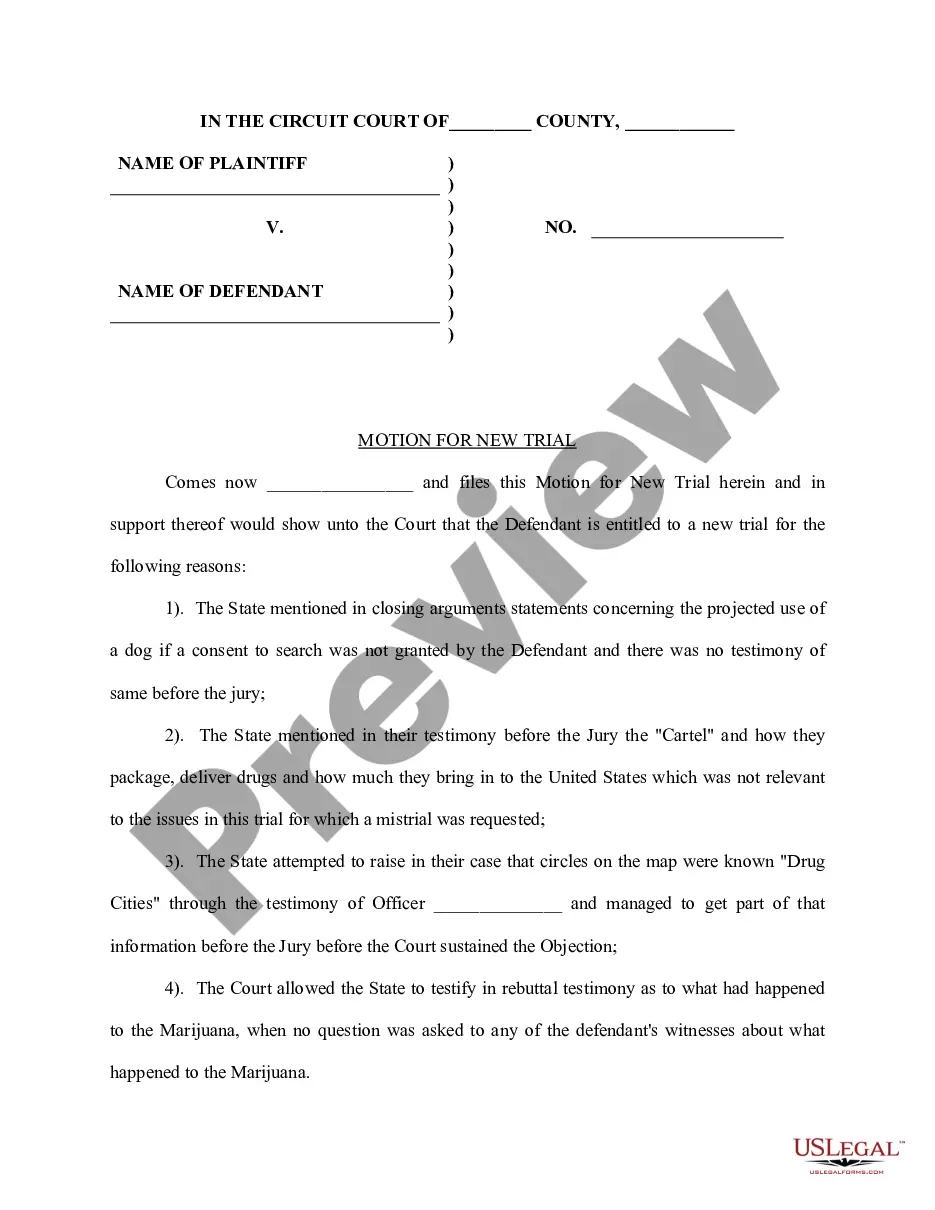






Form popularity
FAQ
Construction Law and the 'Right to Cure' Statute of Limitations Georgia 6 years for contracts 2 years for personal injury 4 years for damage to property Hawaii 6 years for contracts 2 years for torts Idaho 5 years for contracts 2 years for personal injury 3 years for injury to property48 more rows
Consumers may file a complaint against a licensed contract online via the Board's website at .sos.ga/plb/ , or by submitting a written complaint to the Board office. Keep in mind that the Board can only address issues in which there was a violation of state law(s) or board rule(s).
Ing to Georgia handyman laws, you only need a license if any of your work contracts exceed $2,500. Those whose projects exceed this amount must have a contractor license issued by Georgia's State Licensing Board for Residential and General Contractors. The application process involves the following steps.
Is a license required in Georgia for Residential and General contractors? Yes. To perform (or offer to perform) residential or commercial general contractor services for compensation in Georgia, you must be licensed in ance with the laws and rules that regulate this profession.
A good margin to start with is 20% based on the “10-10 rule” in construction. This refers to 10% overhead and 10% profit which is considered an industry standard. Because every construction company is different in its size, operations, and finances, there is no hard rule in place for this.
Generally speaking, general contractors make between 6% to 12% profit. This means if a construction manager completes a $1M project, they can expect to make between $60,000 and $120,000 in profit. Residential subcontractors, on the other hand, usually make between 20% to 30% profit.
Project Specialist Salary in Atlanta, GA Annual SalaryHourly Wage Top Earners $88,472 $42 75th Percentile $73,600 $35 Average $63,671 $31 25th Percentile $48,600 $23
Project management specialists typically do the following: Communicate with clients to determine project requirements and objectives. Develop project plans to include information such as objectives, funding, schedules, and staff. Identify, review, and select vendors or consultants to meet project needs.
Below are eight important points to consider including in an independent contractor agreement. Define a Scope of Work. Set a Timeline for the Project. Specify Payment Terms. State Desired Results and Agree on Performance Measurement. Detail Insurance Requirements. Include a Statement of Independent Contractor Relationship.
