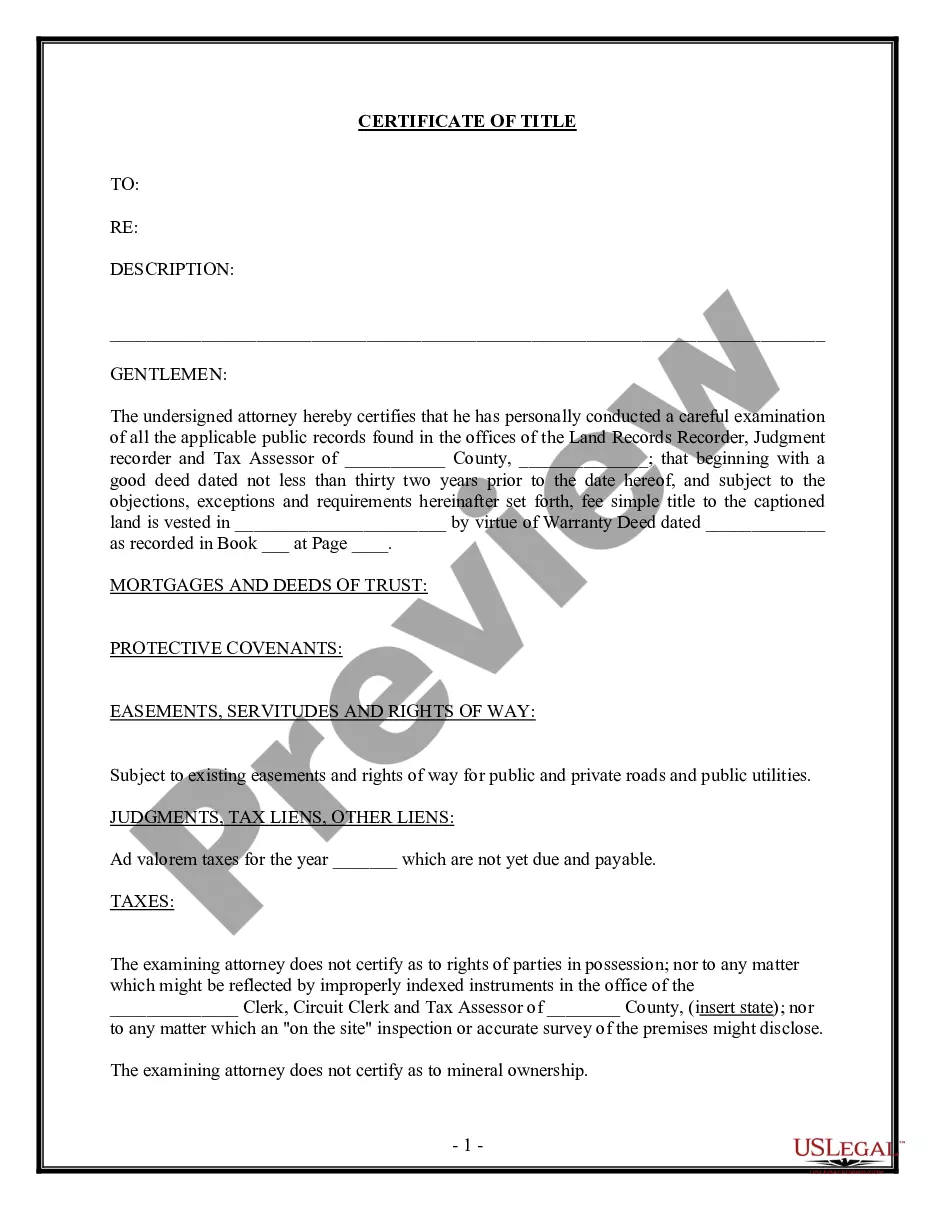
Construction Contracts Former Provisions Act In Fulton
Description


Get your form ready online
Our built-in tools help you complete, sign, share, and store your documents in one place.
Make edits, fill in missing information, and update formatting in US Legal Forms—just like you would in MS Word.
Download a copy, print it, send it by email, or mail it via USPS—whatever works best for your next step.
Sign and collect signatures with our SignNow integration. Send to multiple recipients, set reminders, and more. Go Premium to unlock E-Sign.
If this form requires notarization, complete it online through a secure video call—no need to meet a notary in person or wait for an appointment.
We protect your documents and personal data by following strict security and privacy standards.

Make edits, fill in missing information, and update formatting in US Legal Forms—just like you would in MS Word.

Download a copy, print it, send it by email, or mail it via USPS—whatever works best for your next step.

Sign and collect signatures with our SignNow integration. Send to multiple recipients, set reminders, and more. Go Premium to unlock E-Sign.

If this form requires notarization, complete it online through a secure video call—no need to meet a notary in person or wait for an appointment.

We protect your documents and personal data by following strict security and privacy standards.
Looking for another form?







Form popularity
FAQ
Most construction contracts, whether they are standard or customized forms, usually contain specific provisions related expressly to the process of giving “notice.” The notice generally refers to an obligation on the part of the Contractor to notify the relevant party administering the contract, normally the architect, ...
The provisions of the Construction Contracts Act, 2013 provide, subject to some exceptions, new legal rights and obligations on the parties to a construction contract. The Act imposes new minimum contractual provisions in relation to payments arising under a construction contract.
Special provisions are specific clauses or terms added to a contract or agreement that address unique or exceptional circumstances relevant to the parties involved.
Special provisions are included in contracts as required to define work or procedures not covered in the standard specifications, and as necessary to supplement or modify items in the standard specifications. Each contract includes a table of contents for job special provisions.
The General Special Provisions contained periodic revisions, corrections, and additions to the Standard Specifications that were applicable to and incorporated into all contracts. They took precedence over the Standard Specifications.
Construction Provisions means the terms and conditions for construction of the Project as set forth in the Construction Provisions attached hereto as Exhibit “C”, and all referenced and incorporated attachments thereto, including, but not limited to the General Conditions and Supplemental General Conditions.
The payment claim date is the date when a payment claim is required to be made. This date must be agreed at the time of commencement of the contract or at least a mechanism for calculating same otherwise the Schedule of the Construction Contracts Act will apply.
The Construction Contract Act (CCA) serves as a critical legal framework that governs construction contracts and relationships between project owners and contractors. By promoting fairness, transparency, and dispute resolution efficiency, the CCA contributes to the smooth execution of construction projects.
A legally enforceable contract must include an offer, acceptance, consideration, capacity, legality, and mutual assent.
Lesson Summary. A contract is a legal agreement between two or more parties in which they agree to each other's rights and responsibilities. Offer, acceptance, awareness, consideration, and capacity are the five elements of an enforceable contract.