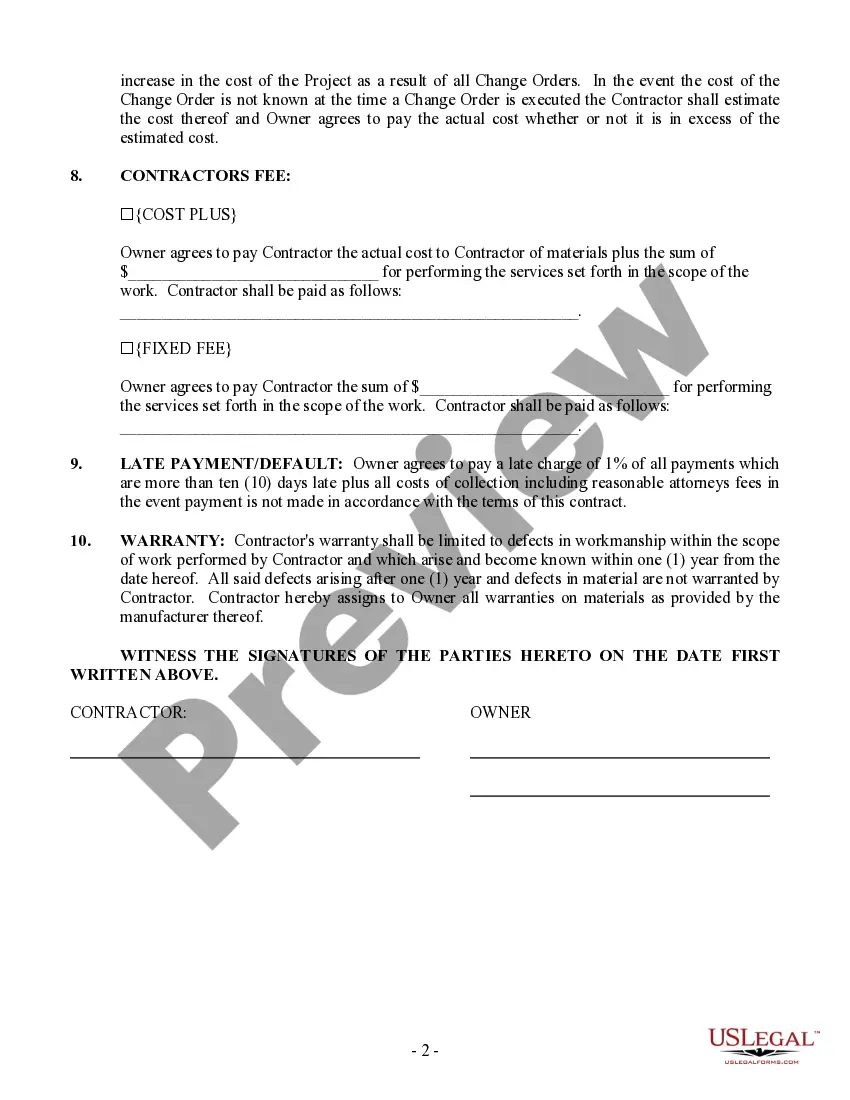
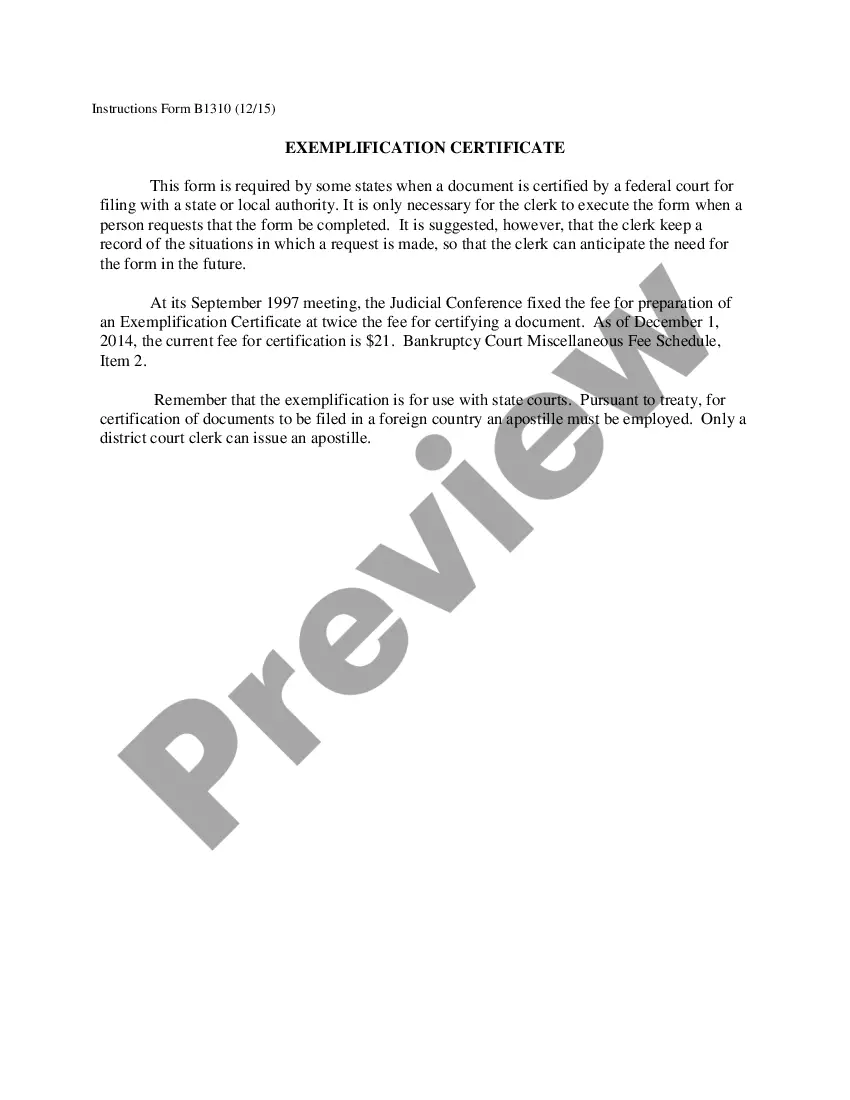
Contract Contractor Building Format In Cuyahoga
Description

Get your form ready online
Our built-in tools help you complete, sign, share, and store your documents in one place.
Make edits, fill in missing information, and update formatting in US Legal Forms—just like you would in MS Word.
Download a copy, print it, send it by email, or mail it via USPS—whatever works best for your next step.
Sign and collect signatures with our SignNow integration. Send to multiple recipients, set reminders, and more. Go Premium to unlock E-Sign.
If this form requires notarization, complete it online through a secure video call—no need to meet a notary in person or wait for an appointment.
We protect your documents and personal data by following strict security and privacy standards.

Make edits, fill in missing information, and update formatting in US Legal Forms—just like you would in MS Word.

Download a copy, print it, send it by email, or mail it via USPS—whatever works best for your next step.

Sign and collect signatures with our SignNow integration. Send to multiple recipients, set reminders, and more. Go Premium to unlock E-Sign.

If this form requires notarization, complete it online through a secure video call—no need to meet a notary in person or wait for an appointment.

We protect your documents and personal data by following strict security and privacy standards.
Looking for another form?





Form popularity
FAQ
How to draft a contract in 13 simple steps Start with a contract template. Understand the purpose and requirements. Identify all parties involved. Outline key terms and conditions. Define deliverables and milestones. Establish payment terms. Add termination conditions. Incorporate dispute resolution.
Contracts don't need to be in legal language, but they do need to outline exactly who is responsible for what from obtaining various permissions (such as building control approval) to timings, tidying up, materials, insurance and how payments will be made. A written contract will protect you and reduce risks.
9 Steps to Start General Contracting Company. Weigh the Pros and Cons of Starting a Business. Draft a Business Plan. Get Licensed, Bonded, and Insured. Choose a Business Name. Incorporate Your Business (Choose a Business Entity) ... Open a Business Bank Account. Hire Subcontractors.
How To Write A Construction Contract With 7 Steps Step 1: Define the Parties Involved. Step 2: Outline the Scope of Work. Step 3: Establish the Timeline. Step 4: Determine the Payment Terms. Step 5: Include Necessary Legal Clauses. Step 6: Address Change Orders and Modifications. Step 7: Sign and Execute the Contract.
The Ohio Construction Industry Licensing Board (OCILB) issues licenses to qualified electrical, Heating Ventilating and Air Conditioning (HVAC), plumbing, hydronics and refrigeration contractors who successfully pass the PROV licensing examination.
You can verify your prospective contractor's license status using the OCILB's lookup licensee information page. Note that there are no statewide licensing requirements for general contractors. Instead, these contractors obtain their licenses from the local government authorities in their respective areas of residence.
Ohio does not have one singular business license, but a vendor's license/seller's permit is needed if you're selling goods or services (which we bet you are). You might require more licensing, depending on your industry or location, on a local, statewide, or federal level, which we'll jump into below.
General contractor registration steps: Fill out, sign, and notarize the registration application form. Secure a bond with a minimum of $25,000. Obtain a certificate of insurance with a minimum coverage of $200,000: Bodily injury coverage of $50,000 and $100,000. Secure the necessary residential or commercial permit.
How to Start a Contracting Business Choose a trade. Set up and register your business structure. Explore business insurance. Choose the right tools and equipment. Understand the licensing requirements. Set a service rate. Market your business locally. Join an industry association.
