Construction Contract Form With Guardian Anime In Cuyahoga
Description


Get your form ready online
Our built-in tools help you complete, sign, share, and store your documents in one place.
Make edits, fill in missing information, and update formatting in US Legal Forms—just like you would in MS Word.
Download a copy, print it, send it by email, or mail it via USPS—whatever works best for your next step.
Sign and collect signatures with our SignNow integration. Send to multiple recipients, set reminders, and more. Go Premium to unlock E-Sign.
If this form requires notarization, complete it online through a secure video call—no need to meet a notary in person or wait for an appointment.
We protect your documents and personal data by following strict security and privacy standards.

Make edits, fill in missing information, and update formatting in US Legal Forms—just like you would in MS Word.

Download a copy, print it, send it by email, or mail it via USPS—whatever works best for your next step.

Sign and collect signatures with our SignNow integration. Send to multiple recipients, set reminders, and more. Go Premium to unlock E-Sign.

If this form requires notarization, complete it online through a secure video call—no need to meet a notary in person or wait for an appointment.

We protect your documents and personal data by following strict security and privacy standards.
Looking for another form?
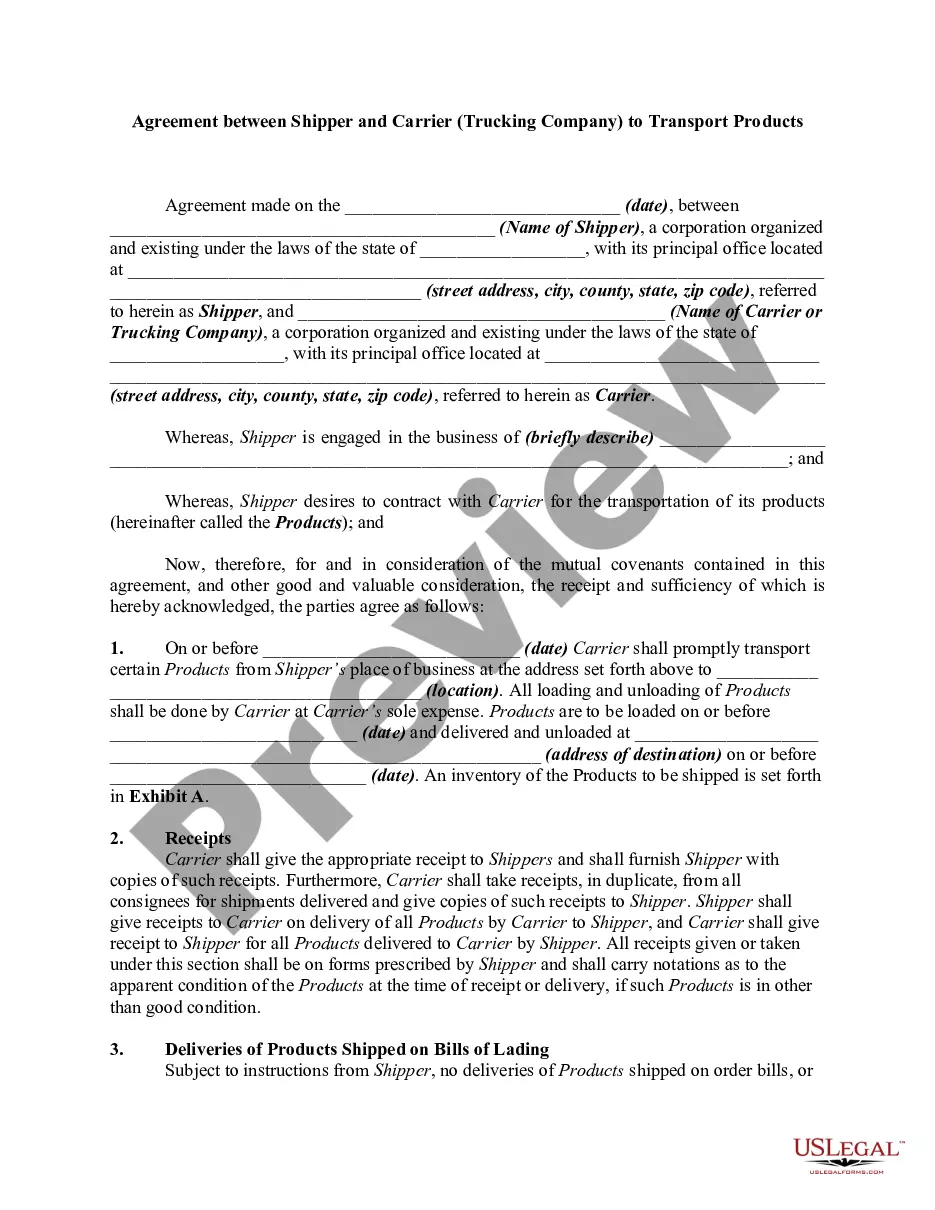





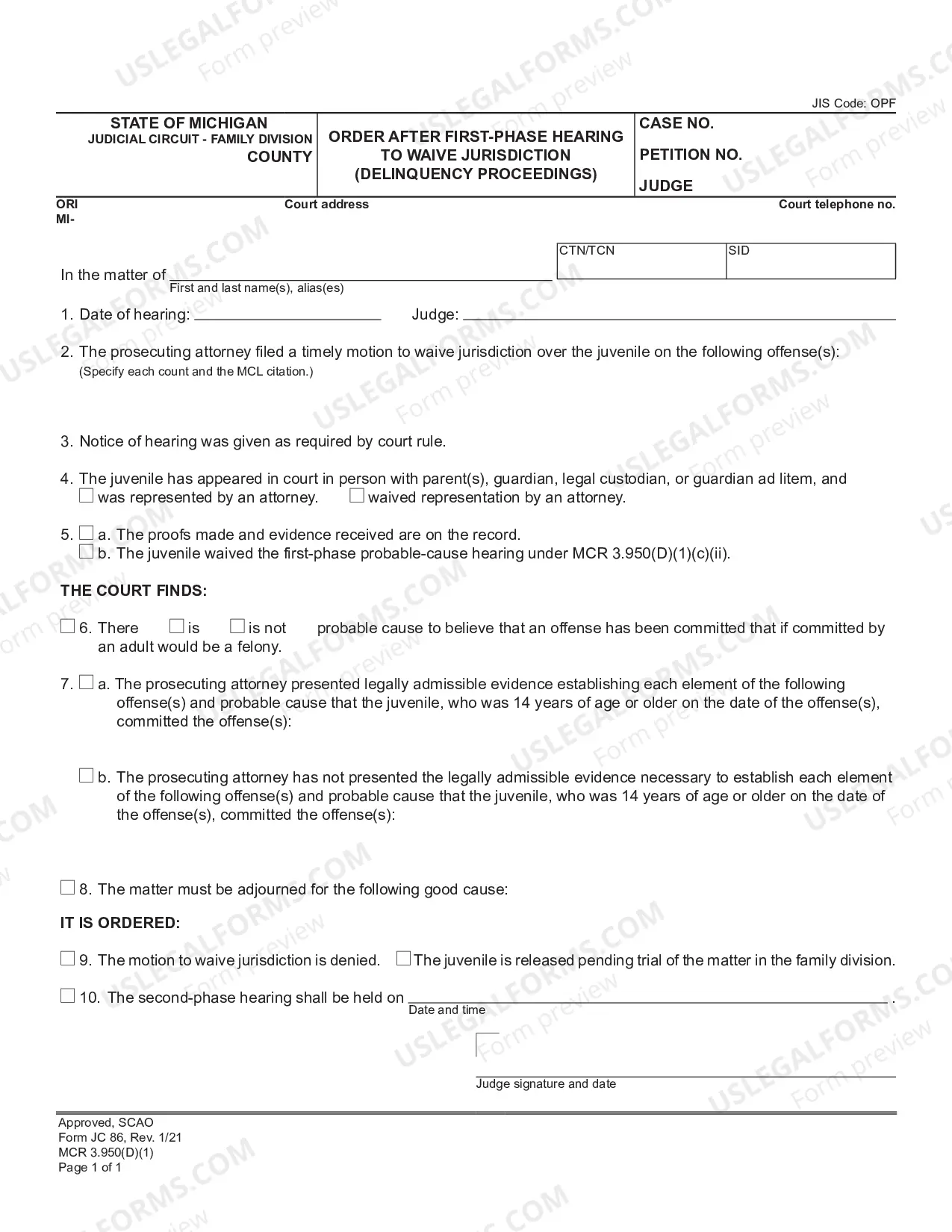

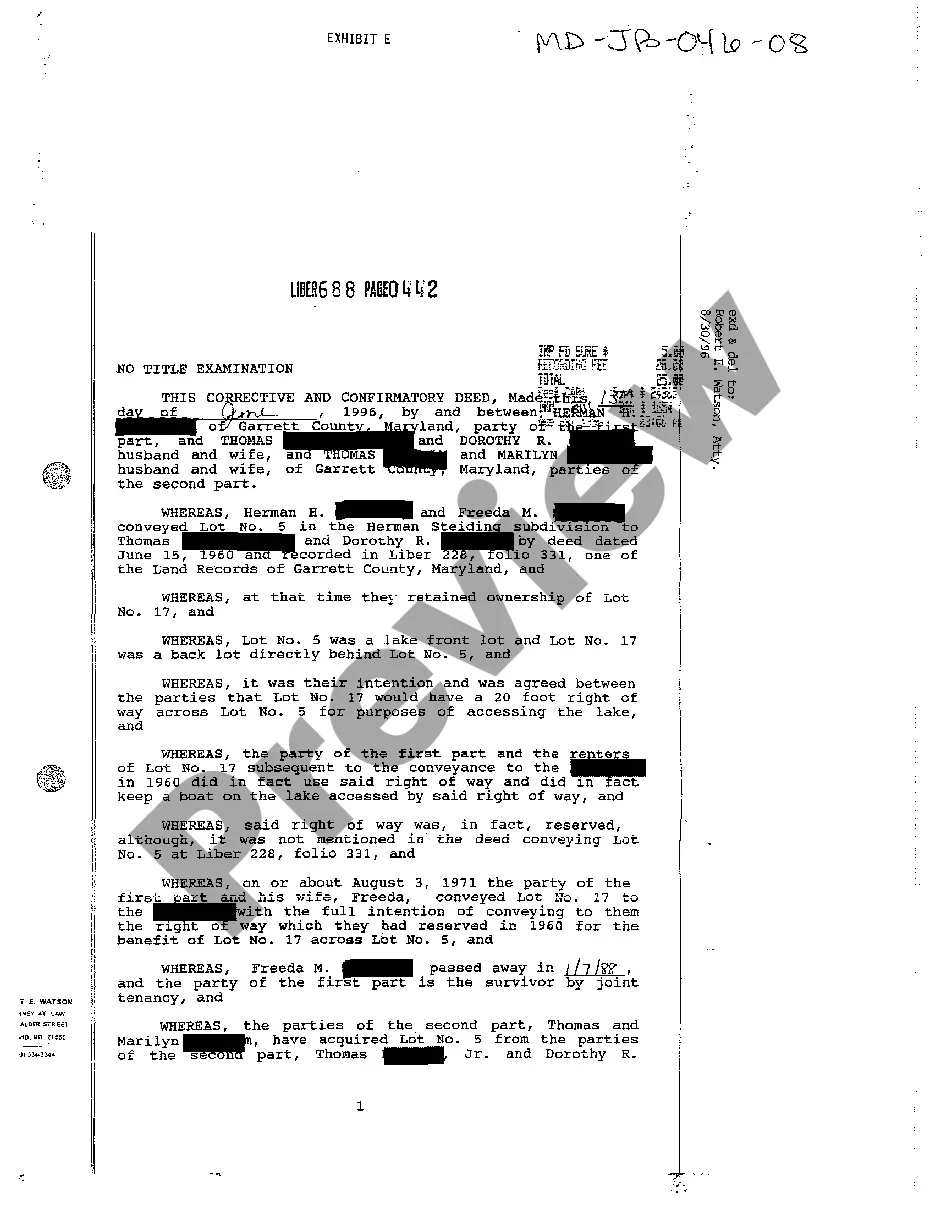

Form popularity
FAQ
The guardianship process for an Ohio resident is started by filing an application in the Probate Court of the county where the proposed ward resides. Unless certain conditions have been met, the proposed ward must have been a resident of Ohio for six months prior to the filing of the application.
There are four basic types of guardianships in Ohio: guardianship of the person, guardianship of the estate, limited guardianship, and emergency guardianship. Guardianship of the person: The guardian of the person is responsible for the ward's physical, moral, and mental well-being.
The rule required the submission of a statement of a physician upon the filing of an application for guardianship or an application for dismissal of a guardianship or a declaration of competency. The rule has been amended to permit a clinical psychologist to complete the expert evaluation.
The guardianship process for an Ohio resident is started by filing an application in the Probate Court of the county where the proposed ward resides. Unless certain conditions have been met, the proposed ward must have been a resident of Ohio for six months prior to the filing of the application.
The main difference between the two is that custody involves a biological parent. "guardianship" is generally used when someone other than a biological parent cares for the child. This may be a member of the family or a close family friend.
Who Can Be A Guardian? A guardian can be an adult person or corporation appointed by the Probate Court. The Court may appoint a resident or nonresident of this state as guardian of the person. The guardian of an estate must be an Ohio resident.
As used in Chapters 2101. to 2131. of the Revised Code: (A) "Guardian," other than a guardian under sections 5905.01 to 5905.19 of the Revised Code, means any person, association, or corporation appointed by the probate court to have the care and management of the person, the estate, or both of an incompetent or minor.
The guardianship process for an Ohio resident is started by filing an application in the Probate Court of the county where the proposed ward resides. Unless certain conditions have been met, the proposed ward must have been a resident of Ohio for six months prior to the filing of the application.
How is a guardianship terminated? A Court order will terminate a guardianship upon the death of a ward, upon the ward being adjudged competent, or, in the case of a minor, upon reaching the age of majority (18).
