Construction Fee Plus Form With Decimals In Cook
Description


Get your form ready online
Our built-in tools help you complete, sign, share, and store your documents in one place.
Make edits, fill in missing information, and update formatting in US Legal Forms—just like you would in MS Word.
Download a copy, print it, send it by email, or mail it via USPS—whatever works best for your next step.
Sign and collect signatures with our SignNow integration. Send to multiple recipients, set reminders, and more. Go Premium to unlock E-Sign.
If this form requires notarization, complete it online through a secure video call—no need to meet a notary in person or wait for an appointment.
We protect your documents and personal data by following strict security and privacy standards.

Make edits, fill in missing information, and update formatting in US Legal Forms—just like you would in MS Word.

Download a copy, print it, send it by email, or mail it via USPS—whatever works best for your next step.

Sign and collect signatures with our SignNow integration. Send to multiple recipients, set reminders, and more. Go Premium to unlock E-Sign.

If this form requires notarization, complete it online through a secure video call—no need to meet a notary in person or wait for an appointment.

We protect your documents and personal data by following strict security and privacy standards.
Looking for another form?



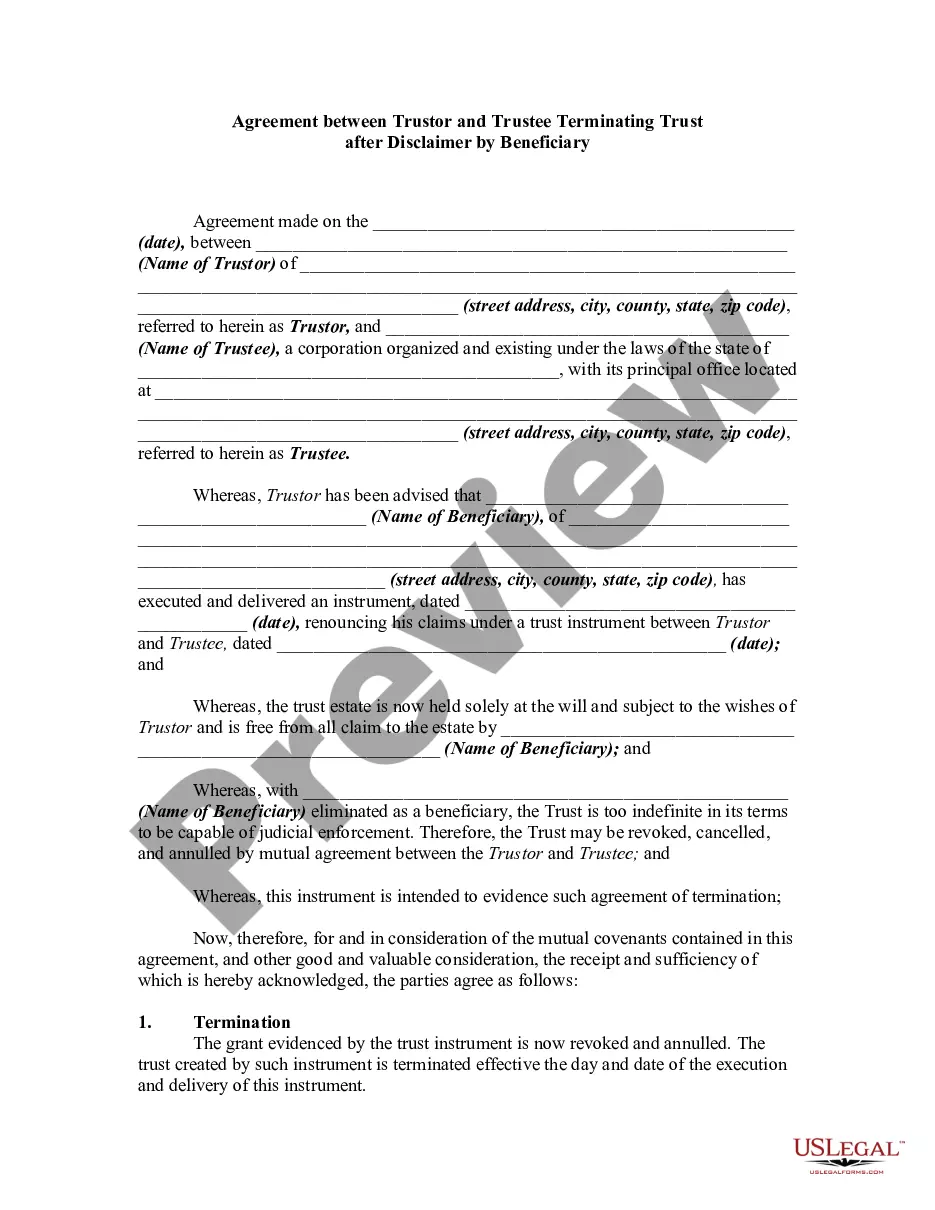




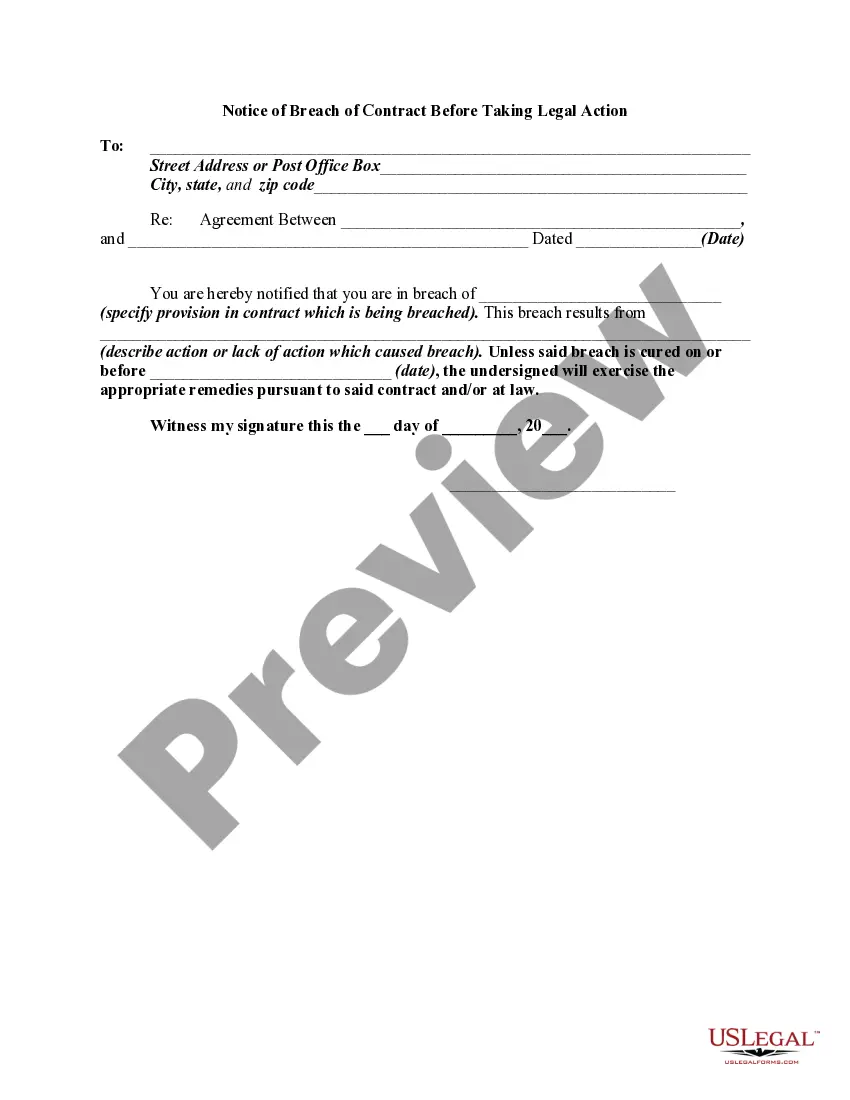
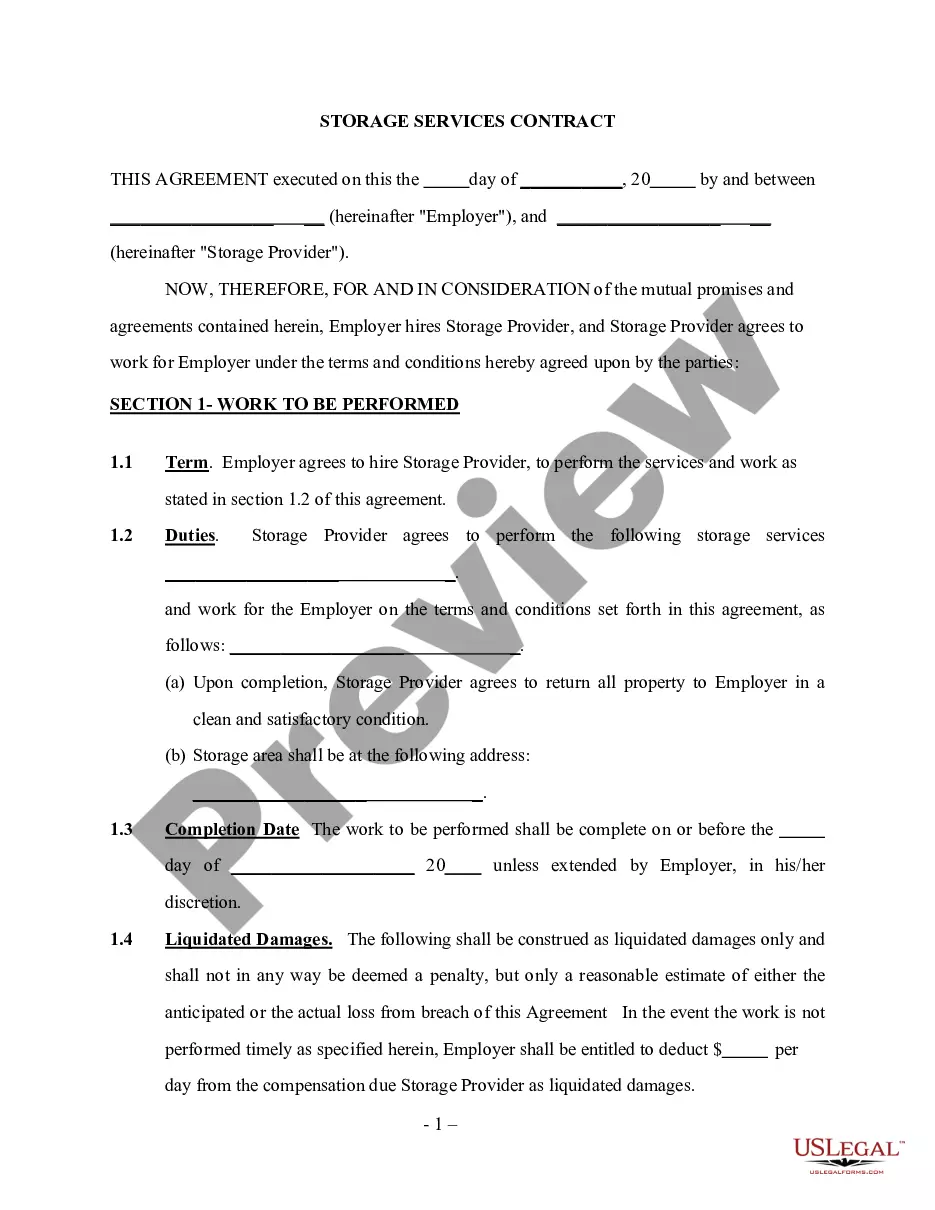
Form popularity
FAQ
Itemizing requirements In order to claim itemized deductions, you must file your income taxes using Form 1040 and list your itemized deductions on Schedule A: Enter your expenses on the appropriate lines of Schedule A. Add them up. Copy the total amount to the second page of your Form 1040.
If the value of expenses that you can deduct is more than the standard deduction (as noted above, for the tax year 2024 these are: $14,600 for single and married filing separately, $29,200 for married filing jointly, and $21,900 for heads of households) then you should consider itemizing.
A taxpayer makes the election by checking box 5a on Schedule A of Form 1040. If you elect to deduct state and local general sales taxes, you can use either your actual expenses or the optional sales tax tables.
Itemizing requirements Enter your expenses on the appropriate lines of Schedule A. Add them up. Copy the total amount to the second page of your Form 1040. This amount is then subtracted from your income to arrive at the final taxable income number.
The itemized tax deduction amount is determined by adding all applicable deductions and subtracting the sum from your adjusted gross income. Common and allowable itemized deduction items include: Casualty and theft losses from a federally declared disaster. Charitable donations.
