Construction Contract Cost Format
Description


Get your form ready online
Our built-in tools help you complete, sign, share, and store your documents in one place.
Make edits, fill in missing information, and update formatting in US Legal Forms—just like you would in MS Word.
Download a copy, print it, send it by email, or mail it via USPS—whatever works best for your next step.
Sign and collect signatures with our SignNow integration. Send to multiple recipients, set reminders, and more. Go Premium to unlock E-Sign.
If this form requires notarization, complete it online through a secure video call—no need to meet a notary in person or wait for an appointment.
We protect your documents and personal data by following strict security and privacy standards.

Make edits, fill in missing information, and update formatting in US Legal Forms—just like you would in MS Word.

Download a copy, print it, send it by email, or mail it via USPS—whatever works best for your next step.

Sign and collect signatures with our SignNow integration. Send to multiple recipients, set reminders, and more. Go Premium to unlock E-Sign.

If this form requires notarization, complete it online through a secure video call—no need to meet a notary in person or wait for an appointment.

We protect your documents and personal data by following strict security and privacy standards.
Looking for another form?

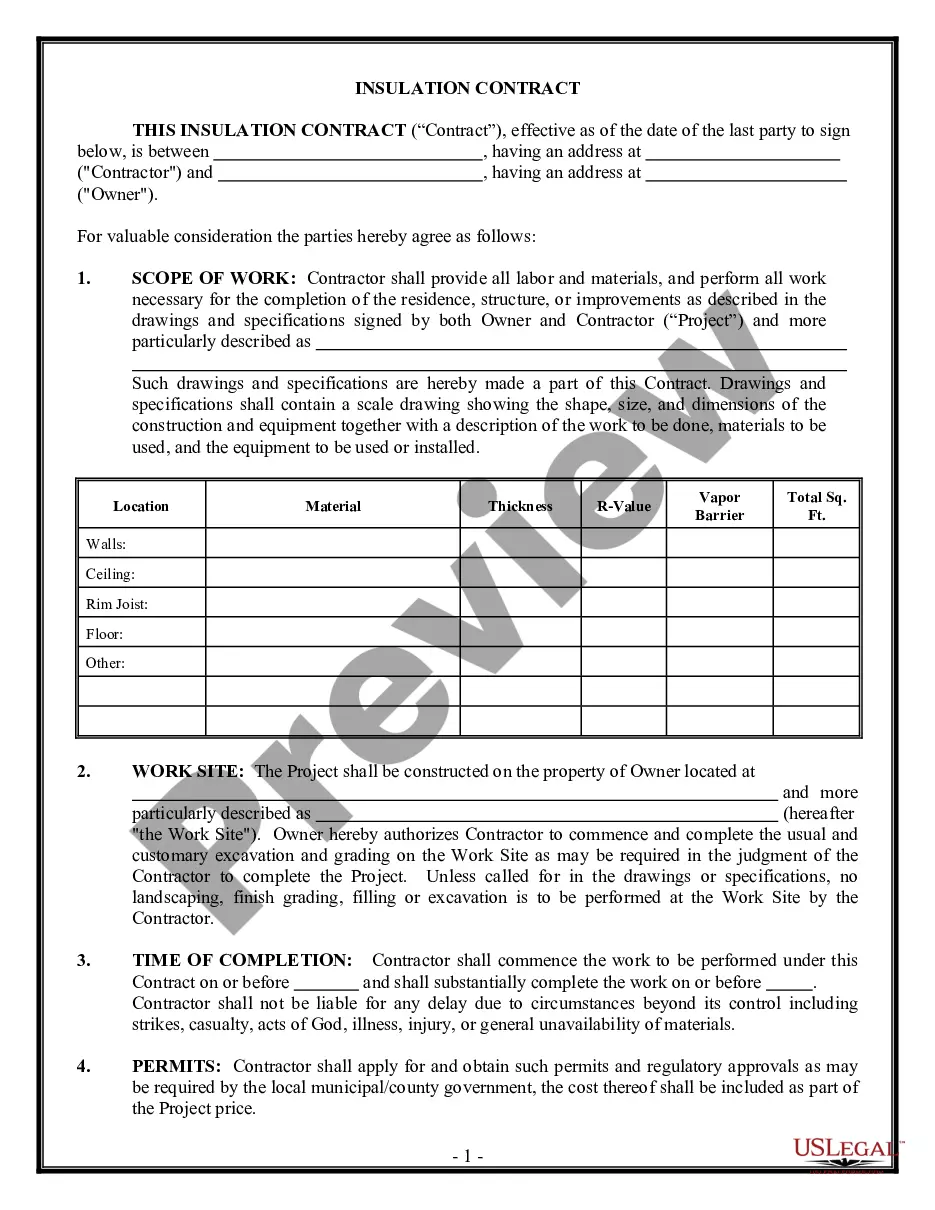
How to fill out Construction Contract For Home - Fixed Fee Or Cost Plus?
Locating a reliable source for obtaining the most up-to-date and pertinent legal templates constitutes a significant portion of managing bureaucracy.
Identifying the appropriate legal documents necessitates accuracy and careful consideration, making it essential to acquire samples of Construction Contract Cost Format solely from trustworthy providers like US Legal Forms. An incorrect template can squander your time and postpone the matters at hand.
Eliminate the inconvenience associated with your legal documentation. Explore the extensive US Legal Forms catalog to discover legal templates, verify their applicability to your situation, and download them instantly.
- Use the catalog navigation or search bar to find your sample.
- Examine the form’s details to determine if it meets the specifications of your state and area.
- Preview the form, if possible, to confirm it aligns with what you are looking for.
- Return to the search and seek the proper document if the Construction Contract Cost Format does not fulfill your needs.
- If you are confident about the form’s applicability, download it.
- When you are a registered user, click Log in to verify and access your selected forms in My documents.
- If you have not yet created a profile, click Buy now to purchase the form.
- Choose the pricing plan that suits your requirements.
- Continue to the registration to complete your order.
- Finalize your purchase by selecting a payment option (credit card or PayPal).
- Choose the document format for downloading Construction Contract Cost Format.
- Once you have the form on your device, you can edit it using the editor or print it to fill out manually.
Form popularity
FAQ
The five essential elements of any contract are offer, acceptance, consideration, capacity, and mutual consent. An offer presents terms, and acceptance indicates agreement to those terms by all parties involved. Consideration refers to what each party stands to gain from the contract. Capacity ensures that all parties are legally able to engage in the agreement, while mutual consent confirms that all parties agree to the terms without coercion. For those navigating the construction contract cost format, knowing these elements is key to successfully negotiating terms.
A construction contract typically includes five essential elements: offer, acceptance, consideration, capacity, and legality. The offer outlines the work to be completed, while acceptance confirms agreement between parties. Consideration represents the payment for services rendered. Capacity ensures all parties have the legal ability to enter into the contract, and legality ensures the contract's purpose aligns with the law. Understanding these elements can help you effectively manage your construction contract cost format.
Creating a construction contract agreement starts with outlining the project scope, timelines, and payment terms. It's vital to include clear definitions of roles and responsibilities, as well as provisions for changes in the contract. A well-structured construction contract cost format can streamline this process, making it easier for both parties to understand their commitments. You can find professionally designed templates on US Legal Forms to assist you in drafting a comprehensive agreement.
To calculate the contract value, begin by estimating the total cost of labor, materials, and any other expenses related to the construction project. You should also factor in any overhead and profit margins. Using a clear construction contract cost format will help you present this information effectively, ensuring all parties understand the financial aspects. Consider using templates available on legal platforms like US Legal Forms for added clarity.
The amount of money damages that will be awarded when a contract has been breached by the failure to perform; the cost will reflect the amount of money required to finish the job.
Prepare a contract Provide details of the parties. Describe services or results. Set out payment details. Assign intellectual property rights. Explain how to treat confidential information. Identify who is liable ? indemnity. Provide insurance obligations. Outline any subcontracting agreements.
Elements of a construction contract Name of contractor and contact information. ... Name of homeowner and contact information. ... Describe property in legal terms. ... List attachments to the contract. ... The cost. ... Failure of homeowner to obtain financing. ... Description of the work and the completion date. ... Right to stop the project.
Cost of completion generally refers to the expense of finishing a project, promise, or contract. Normally, cost of completion appears in contract law as a type of damages awarded to a party in a contract that another party intentionally breached. Jurisdictions differ on when cost of completion applies, if at all.
The construction contract price includes the direct project cost including field supervision expenses plus the markup imposed by contractors for general overhead expenses and profit. The factors influencing a facility price will vary by type of facility and location as well.