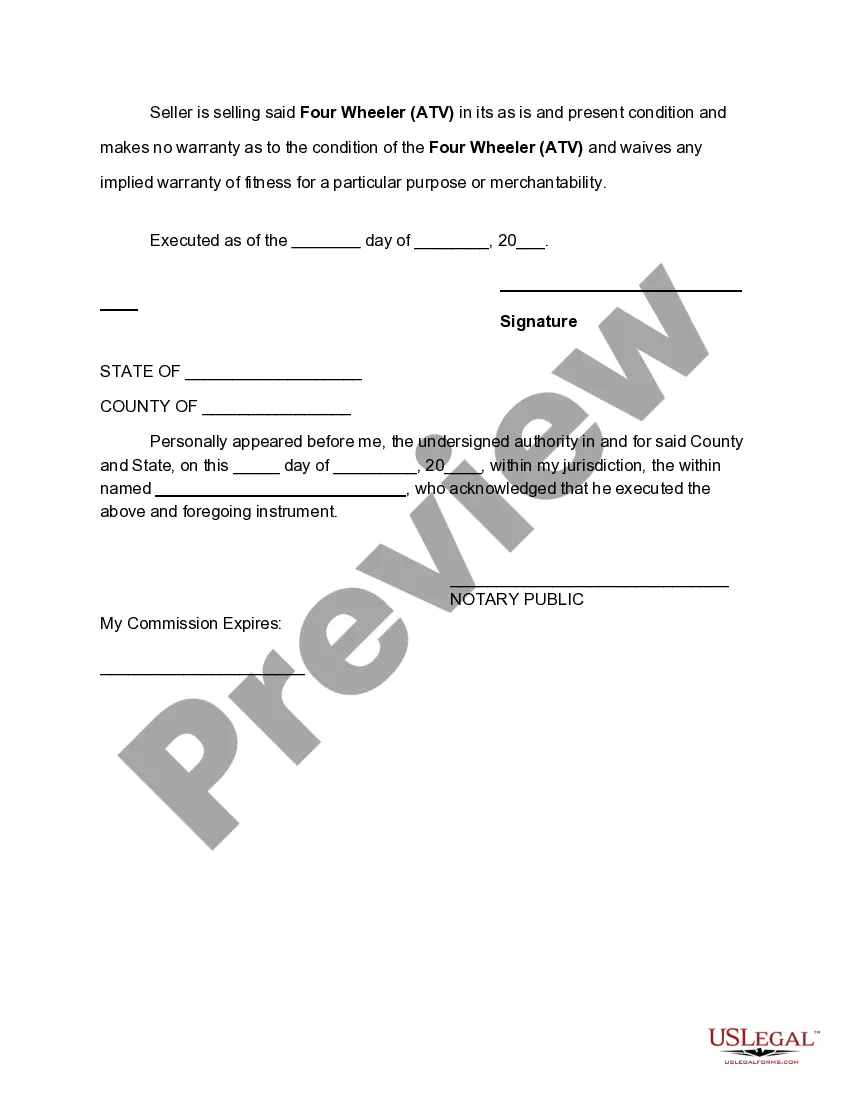
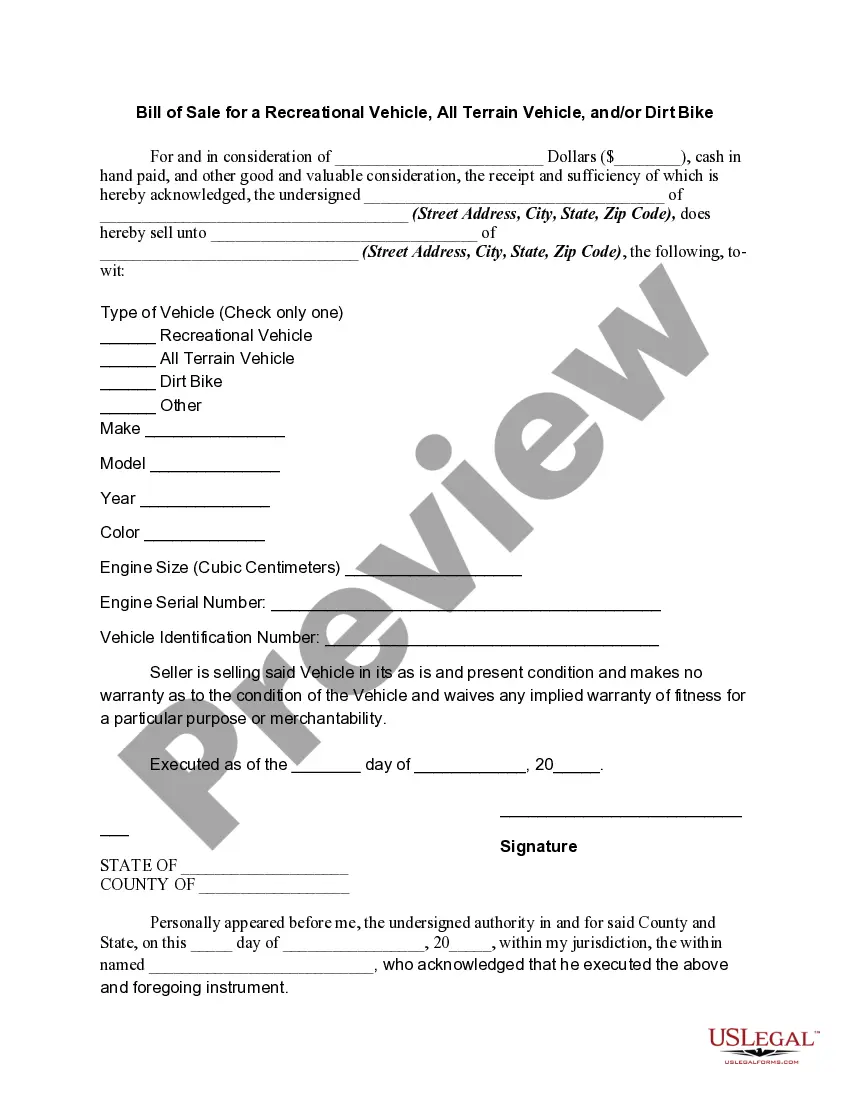
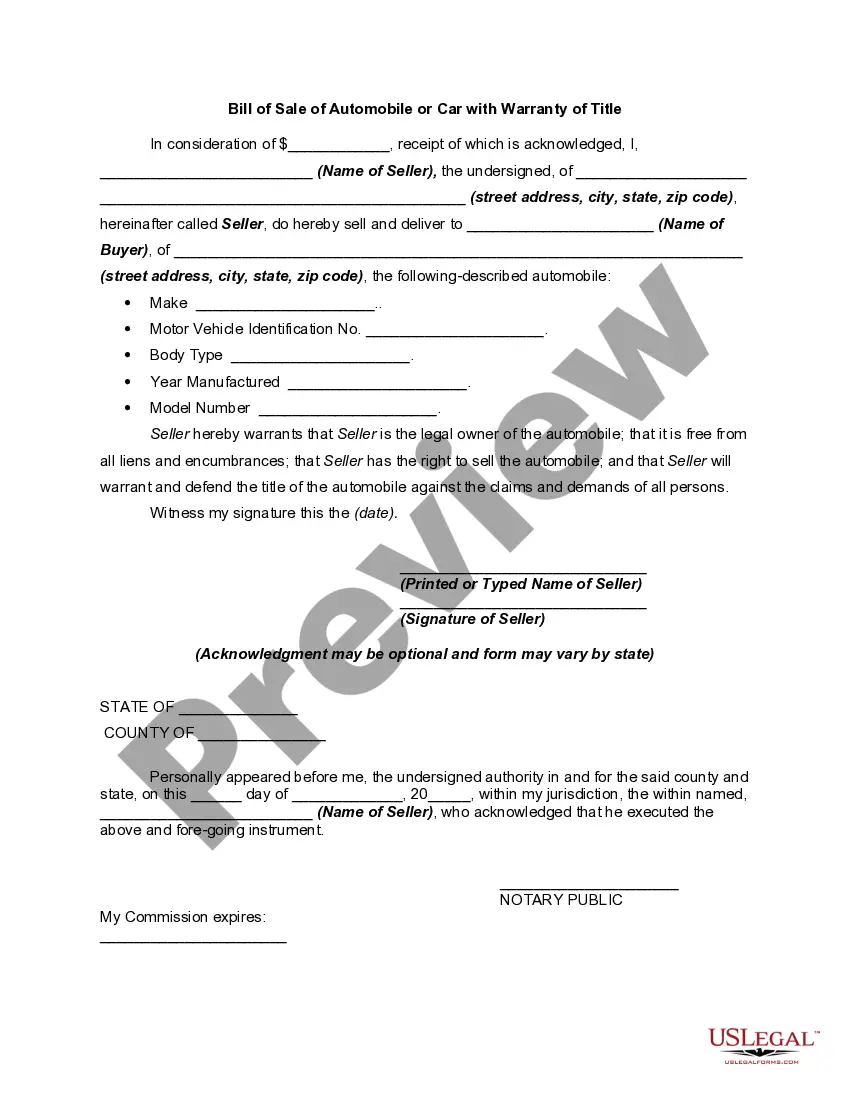
Atv Form With Business In Virginia
Description

Get your form ready online
Our built-in tools help you complete, sign, share, and store your documents in one place.
Make edits, fill in missing information, and update formatting in US Legal Forms—just like you would in MS Word.
Download a copy, print it, send it by email, or mail it via USPS—whatever works best for your next step.
Sign and collect signatures with our SignNow integration. Send to multiple recipients, set reminders, and more. Go Premium to unlock E-Sign.
If this form requires notarization, complete it online through a secure video call—no need to meet a notary in person or wait for an appointment.
We protect your documents and personal data by following strict security and privacy standards.

Make edits, fill in missing information, and update formatting in US Legal Forms—just like you would in MS Word.

Download a copy, print it, send it by email, or mail it via USPS—whatever works best for your next step.

Sign and collect signatures with our SignNow integration. Send to multiple recipients, set reminders, and more. Go Premium to unlock E-Sign.

If this form requires notarization, complete it online through a secure video call—no need to meet a notary in person or wait for an appointment.

We protect your documents and personal data by following strict security and privacy standards.
Looking for another form?









Form popularity
FAQ
The state of Virginia doesn't mandate comprehensive motorcycle coverage or collision motorcycle coverage, but both coverages offer motorcycle owners a way to protect their bike against physical damage and loss.
Every low-speed vehicle operated upon a highway shall be equipped with head lights, brake lights, tail lights, reflex reflectors, an emergency or parking brake, an externally mounted rearview mirror, an internally mounted rearview mirror, a windshield, one or more windshield wipers, a speedometer, an odometer, braking ...
It is illegal to operate ATVs on any public highway or other private property, unless proper authorities allow it to: Cross a public highway by the most direct route. Be operated by law-enforcement officers, firefighters, or emergency medical services responding to emergencies.
It is not possible to register a UTV as street legal in Virginia. However, it is possible to make a UTV street legal in Virginia by registering in another state. The resulting title, registration, and license plate will allow you to drive your side-by-side on roads, highways, and city streets in Virginia and beyond.
Because the only way to make a UTV street legal in Maryland is to register in another state, getting legal does not involve any parts specific to Maryland. Thanks to reciprocity agreements between states, a vehicle only needs to have the parts required by the state where it is registered.
Low-speed vehicles may be operated on public highways where the maximum speed limit is no greater than 35 miles per hour, but this limitation shall not prohibit the operation of low-speed vehicles across intersections with highways whose maximum speed limits are greater than 35 miles per hour.
Off-Road Vehicle Rules of the Road New ATV or off-road motorcycles powered by a gasoline or diesel engine displacing more than 50 CCs must be titled. ATVs and off-road motorcycles are not required to be registered.
Virginia Code § 46.2-706 requires all Virginia registered motor vehicles to be insured by a liability policy issued through an insurance company licensed to do business in Virginia, and it must remain insured while registered, whether or not it is operated. Penalties are severe for violation of this requirement.
Information Required For Registration You will be asked to provide: Location and acreage of the farm or farms. Type of commodity farmed and the approximate amounts produced annually. A signed statement that the vehicle will be used only for authorized purposes.
You'll need to register a vehicle if you buy it from a dealer or private seller, or move to a different state. Registrations must be renewed annually.
