Atv Form With Business In California
Description

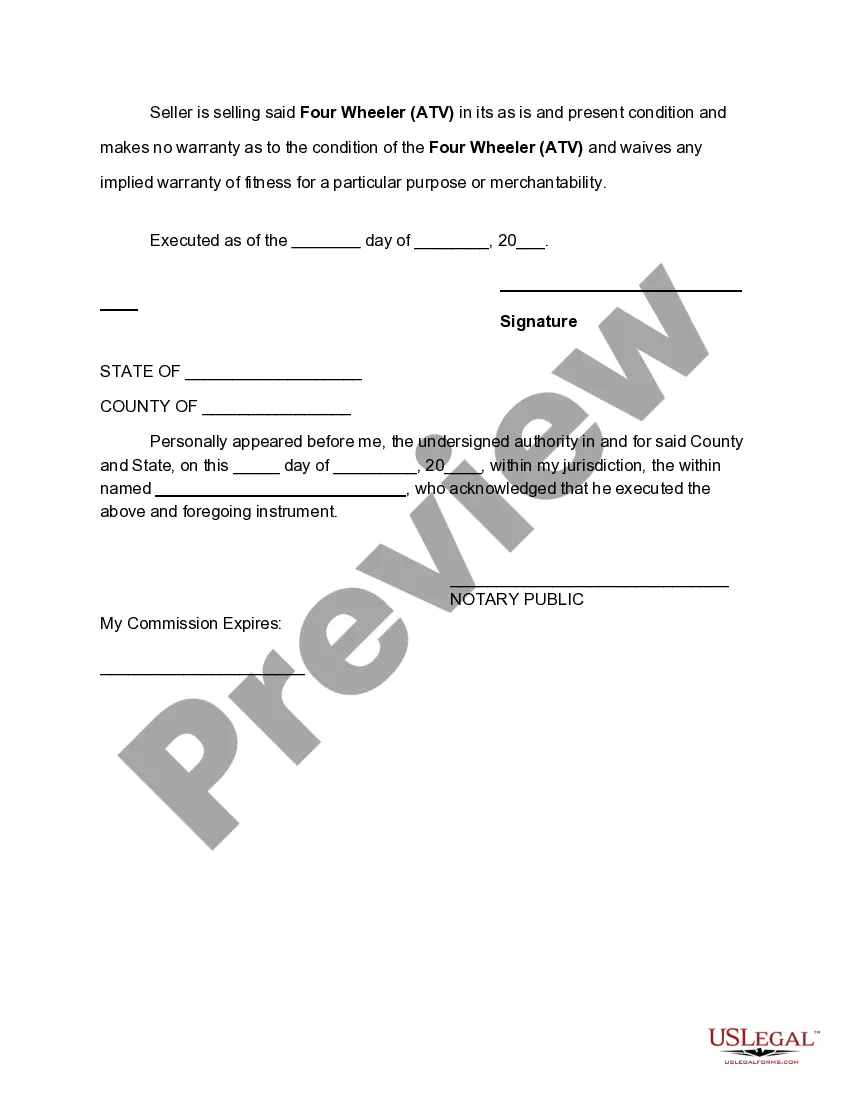
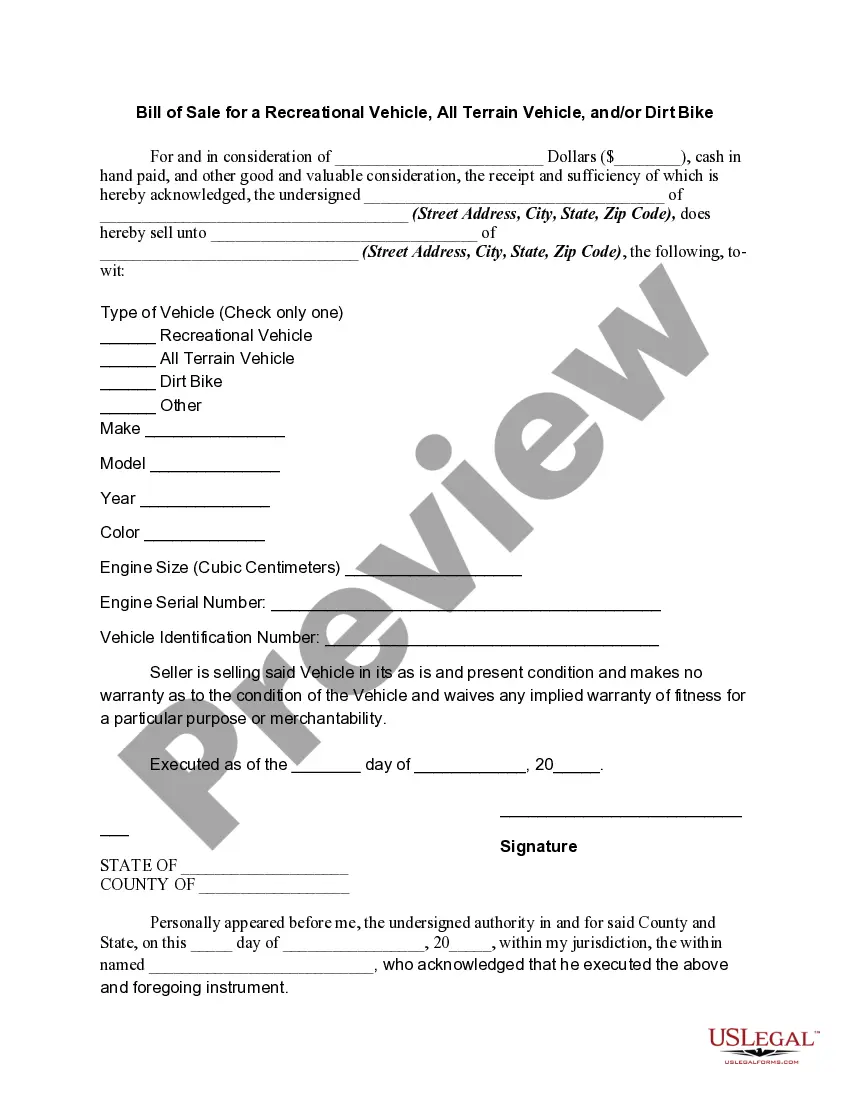
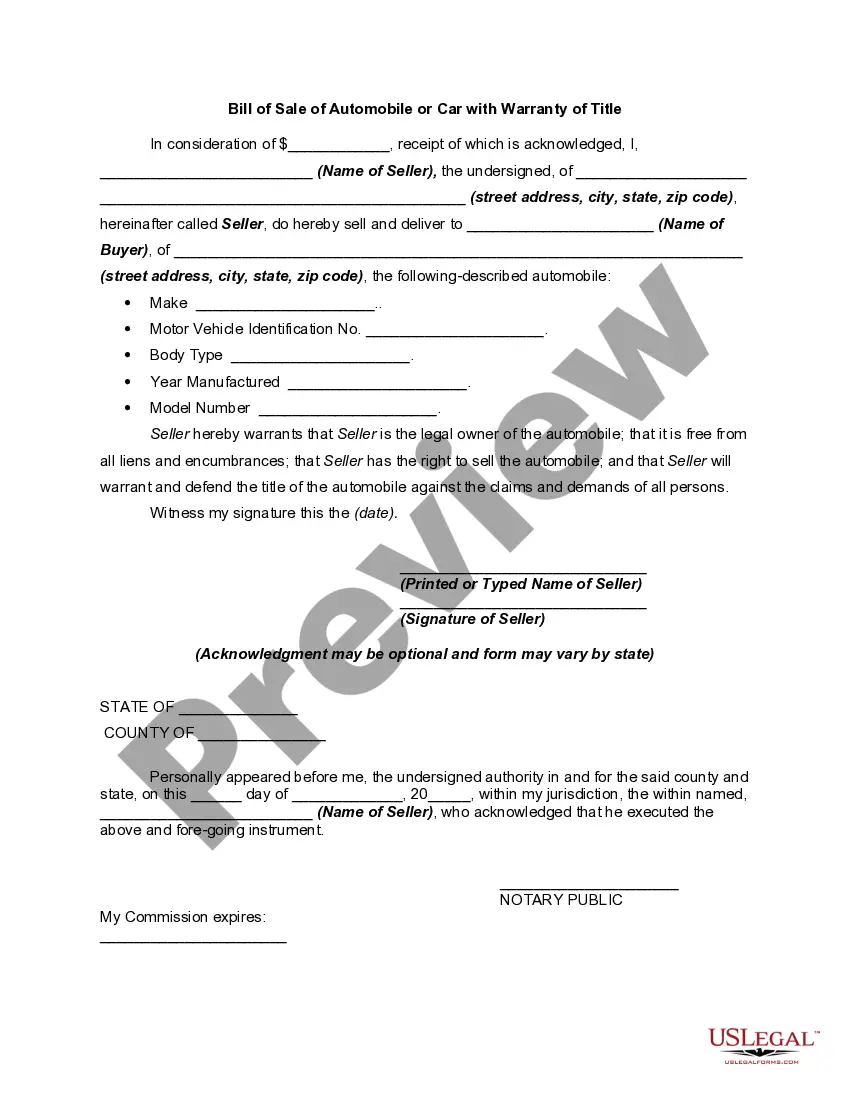
Get your form ready online
Our built-in tools help you complete, sign, share, and store your documents in one place.
Make edits, fill in missing information, and update formatting in US Legal Forms—just like you would in MS Word.
Download a copy, print it, send it by email, or mail it via USPS—whatever works best for your next step.
Sign and collect signatures with our SignNow integration. Send to multiple recipients, set reminders, and more. Go Premium to unlock E-Sign.
If this form requires notarization, complete it online through a secure video call—no need to meet a notary in person or wait for an appointment.
We protect your documents and personal data by following strict security and privacy standards.

Make edits, fill in missing information, and update formatting in US Legal Forms—just like you would in MS Word.

Download a copy, print it, send it by email, or mail it via USPS—whatever works best for your next step.

Sign and collect signatures with our SignNow integration. Send to multiple recipients, set reminders, and more. Go Premium to unlock E-Sign.

If this form requires notarization, complete it online through a secure video call—no need to meet a notary in person or wait for an appointment.

We protect your documents and personal data by following strict security and privacy standards.
Looking for another form?

Form popularity
FAQ
Steps To Transfer A Vehicle Title Seller Completes Title and NRL: The seller signs the Certificate of Title, provides odometer details, and submits the NRL to the DMV. Buyer Completes REG 343: The buyer files the Application for Title or Registration, providing personal details and vehicle information.
A REG 256 form completed by the beneficiary, stating the date and place of the owner's death and that he/she is entitled to the vessel as the designated beneficiary. Ownership may be transferred to another person. The beneficiary must give the buyer the above documents and a bill of sale; two transfer fees are due.
111. (a) "All-terrain vehicle” means a motor vehicle subject to subdivision (a) of Section 38010 that is all of the following: (1) Designed for operation off of the highway by an operator with no more than one passenger. (2) Fifty inches or less in width.
To register a commercial vehicle, complete and submit: Application for Title or Registration (REG 343) (PDF). Declaration of Gross Vehicle Weight (GVW)/Combined Gross Vehicle Weight (CGW) (REG 4008) (PDF). Verification of Vehicle (REG 31) (PDF). Statement of Facts (REG 256) (PDF) if applicable. Titling documents.
What documents do you need to sell your car in California? Fill out the official Department of Motor Vehicles (DMV) transfer forms. Get a smog certification. Submit transfer forms. Complete the California certificate of title. Get an odometer reading. Collect any valid warranties or as-is documents.
If you decide to sell your boat/vessel, you need to: Give the Certificate of Ownership to the person who buys it. Make sure you sign the certificate on the front. Contact the DMV within five days of the sale and fill out a Notice of Transfer and Release of Liability (REG 138) (PDF) form.
How to Fill Out the REG 256 Form Download the Form or Obtain It from the DMV. Read the Instructions Carefully. Complete the Motor Vehicle and Legal Owner Information. State the Purpose of the Form. Provide Supporting Details. Sign and Date the Form. Conclusion.
A vehicle designed and manufactured for off-highway use may not be operated on a California highway even though it may be highway legal in its home state because it does not meet the federal highway safety standards for highway vehicles.
OHVs such as all-terrain vehicles, trail bikes, racing motorcycles, dune buggies, and snowmobiles do not require regular vehicle registration, but they must display an ID plate or placard issued by DMV. To register your OHV, you will need: An Application for Title or Registration (REG 343) form.