Consignment Note Format India In Wayne
Description

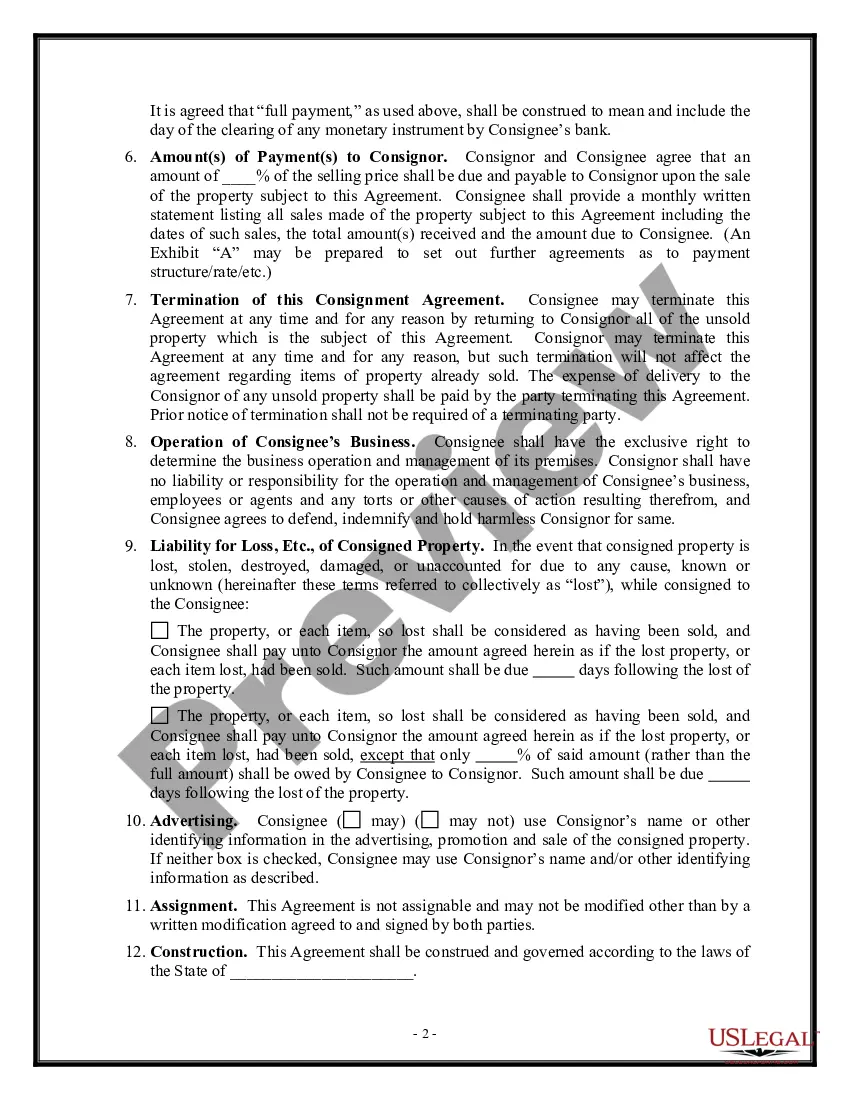
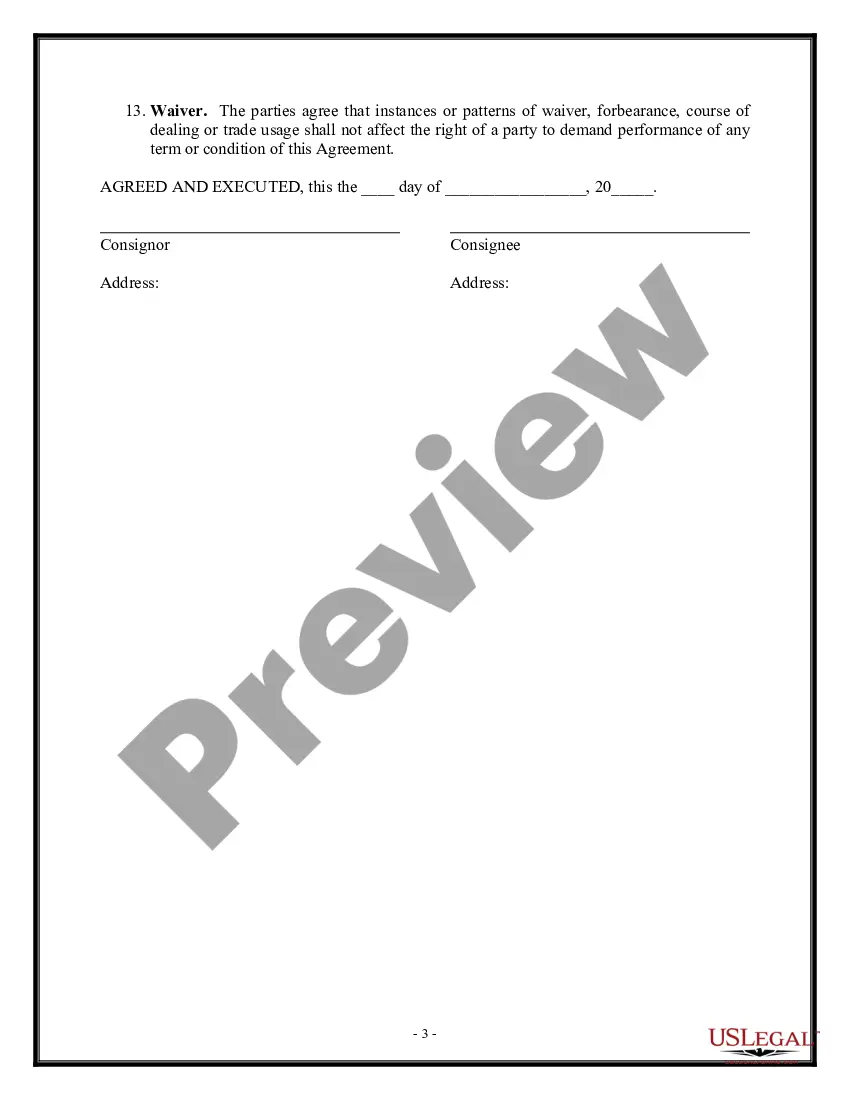
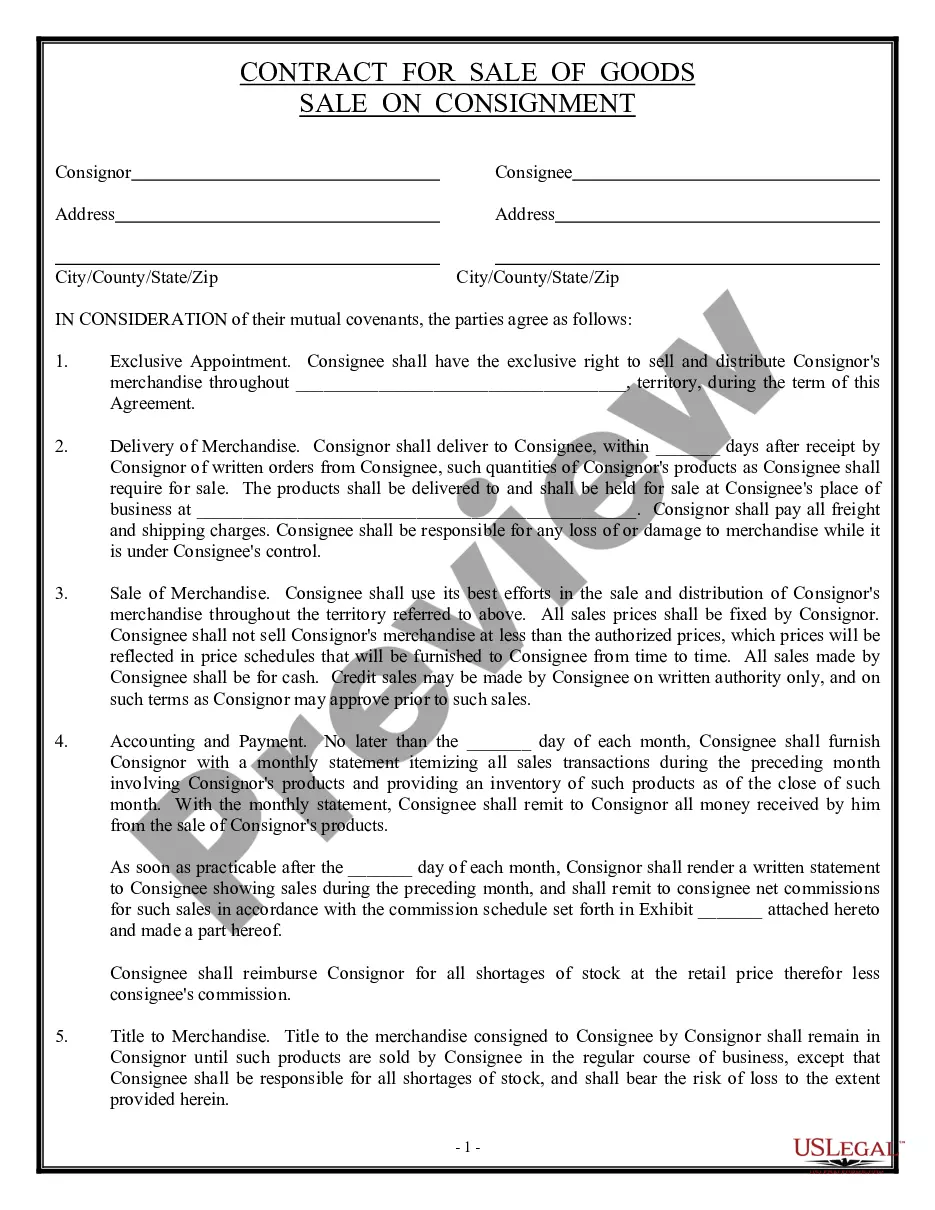
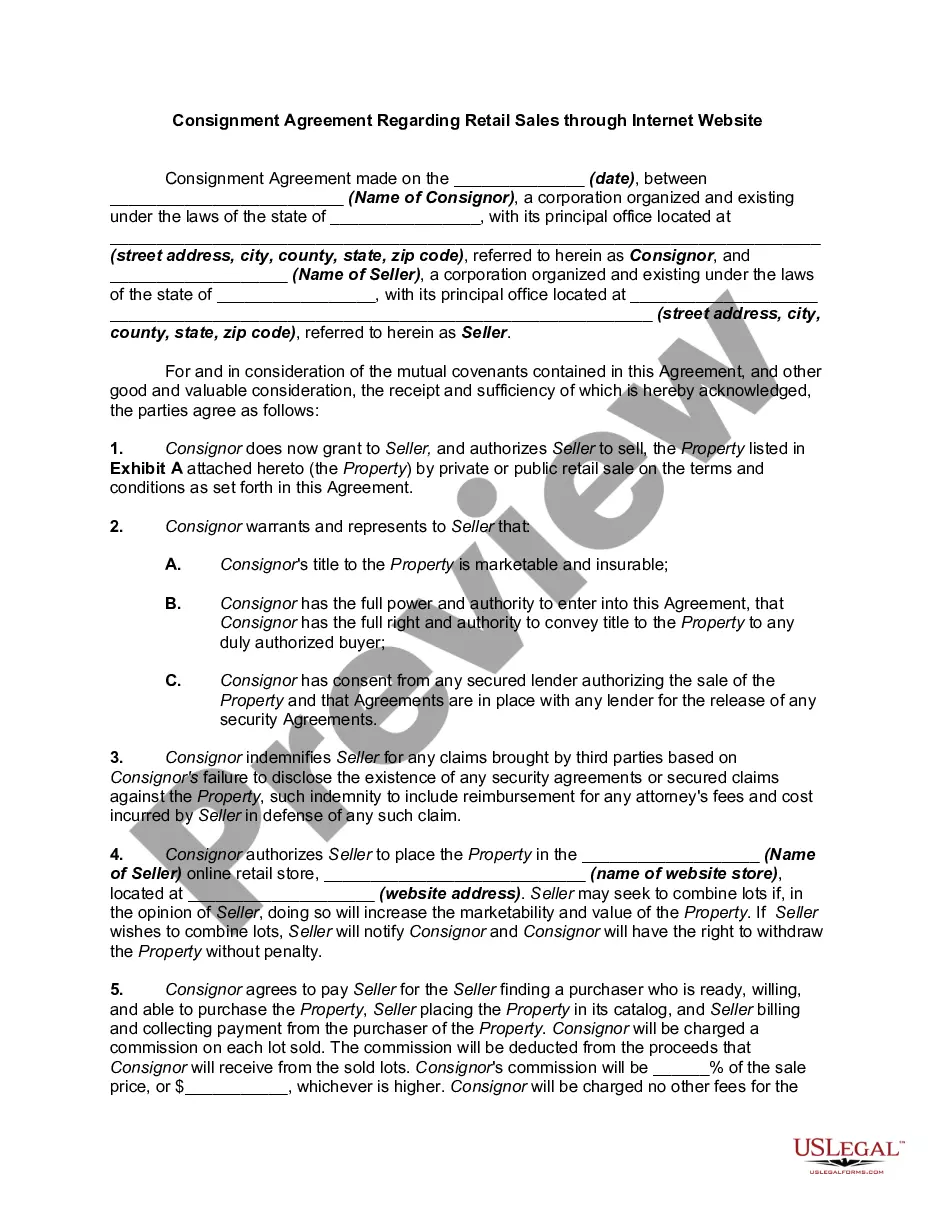
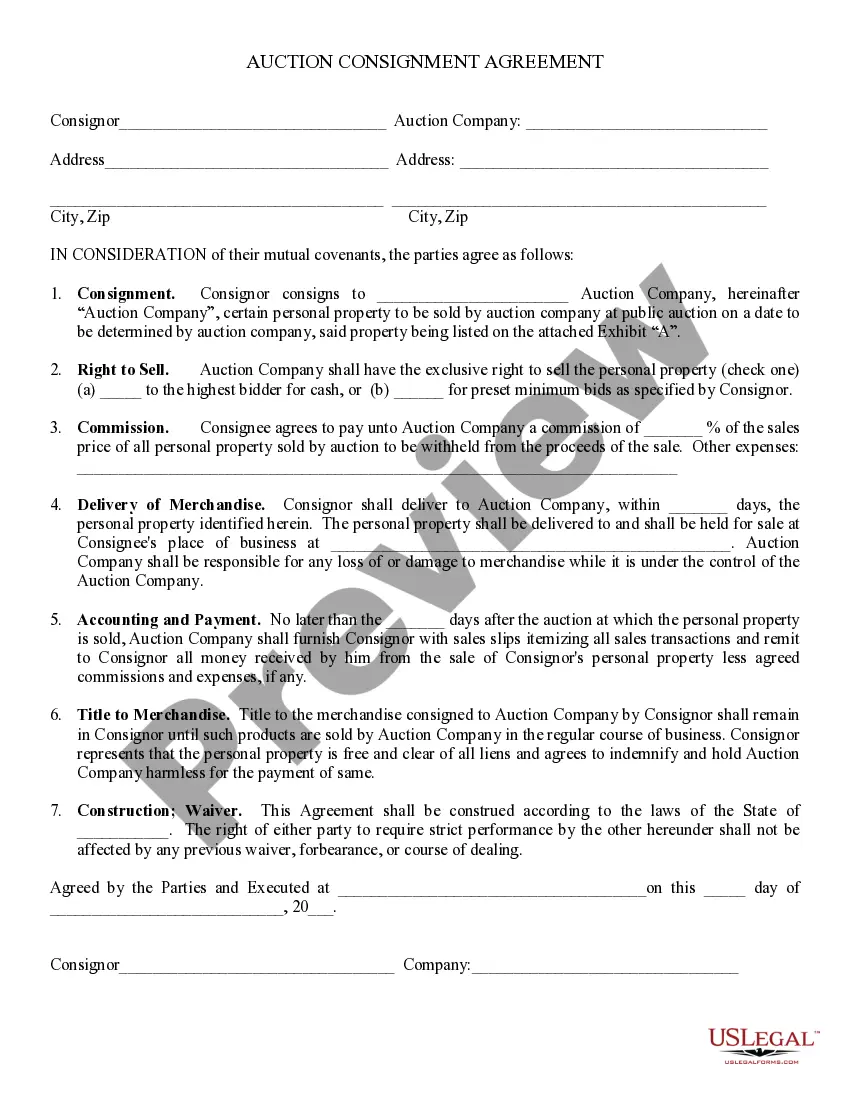
Get your form ready online
Our built-in tools help you complete, sign, share, and store your documents in one place.
Make edits, fill in missing information, and update formatting in US Legal Forms—just like you would in MS Word.
Download a copy, print it, send it by email, or mail it via USPS—whatever works best for your next step.
Sign and collect signatures with our SignNow integration. Send to multiple recipients, set reminders, and more. Go Premium to unlock E-Sign.
If this form requires notarization, complete it online through a secure video call—no need to meet a notary in person or wait for an appointment.
We protect your documents and personal data by following strict security and privacy standards.

Make edits, fill in missing information, and update formatting in US Legal Forms—just like you would in MS Word.

Download a copy, print it, send it by email, or mail it via USPS—whatever works best for your next step.

Sign and collect signatures with our SignNow integration. Send to multiple recipients, set reminders, and more. Go Premium to unlock E-Sign.

If this form requires notarization, complete it online through a secure video call—no need to meet a notary in person or wait for an appointment.

We protect your documents and personal data by following strict security and privacy standards.
Looking for another form?
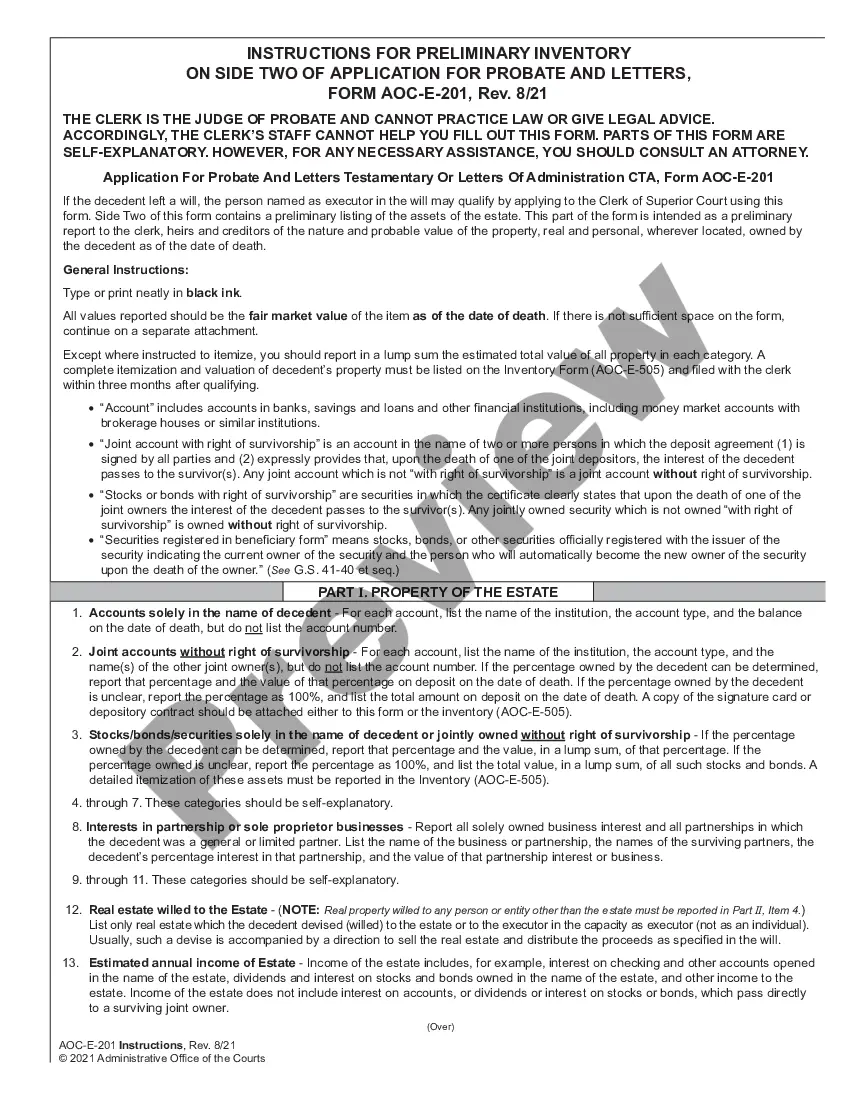

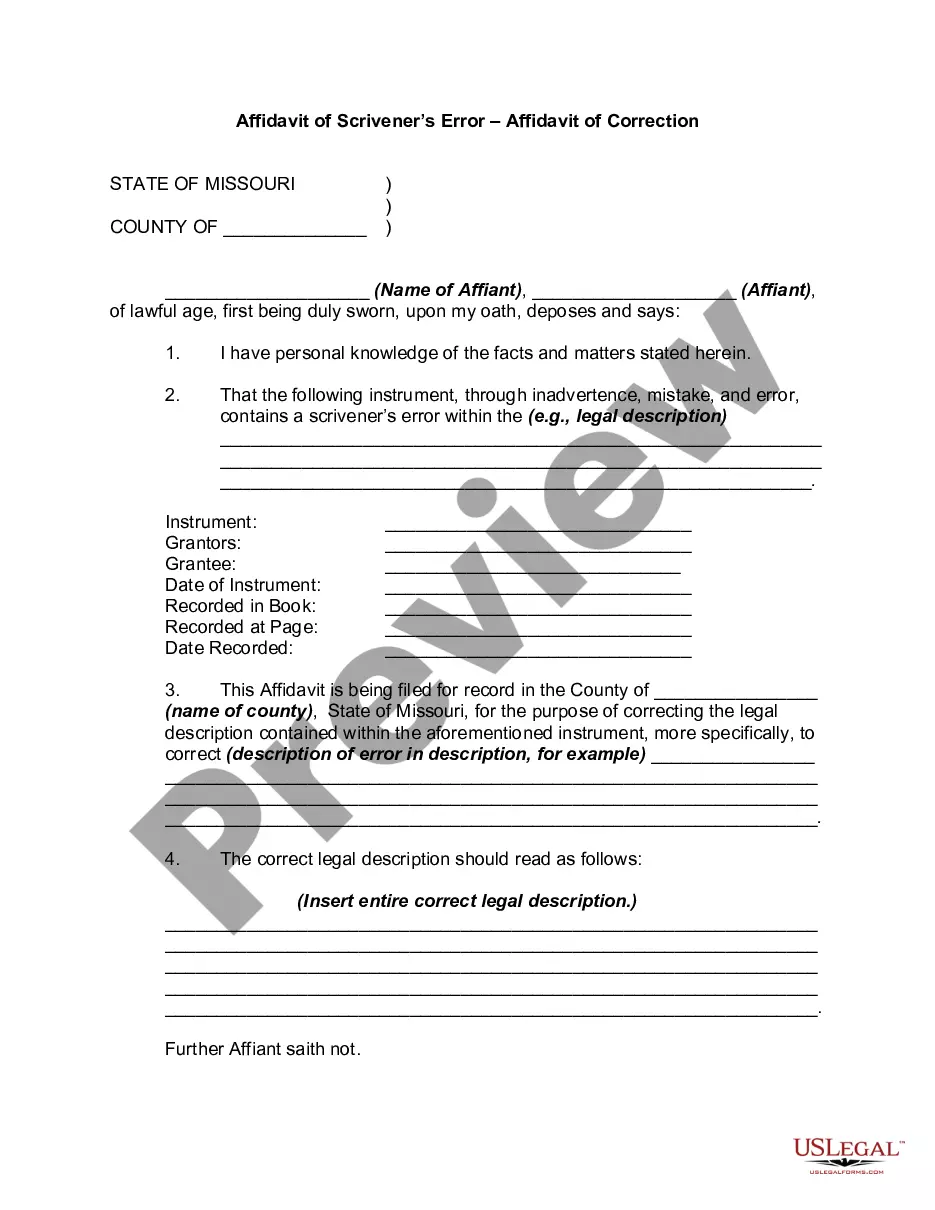
Form popularity
FAQ
A transport document is a kind of document used to convey information about cargo that is being transported. Kinds of transport documents include: Air Waybill, a transport document used for air freight. Bill of Lading, a transport document for sea freight.
CMR is also known as CMR consignment note. It is a document used for the regulation of road freight transport, and serves as an international agreement. The document has been adopted by most of the European states with the purpose to regulate legal issues concerning road freight transportation.
Regarding the obligation to issue the CMR document (international transport document), we specify that the consignment note (CMR) is drawn up by the sender and the carrier and provides proof, unless proved otherwise, of the terms of the contract and the receipt of the cargo by the carrier.
Document accompanying goods that is filled by the shipper. It serves as proof that a contract for carriage has been concluded and describes its content. It also serves as a receipt when goods are picked up from the shipper and delivered to the recipient.
This convention serves as a standardized set of rules governing the transportation of goods by road internationally. ing to the convention, the transport of goods by road needs to be accompanied by a document or contract called a consignment note (CMR).
A Bill of Lading (B/L), also known as a consignment note, is a legal document used in the transportation of goods. It serves as a shipping receipt in maritime trade and fulfills several important functions.
What information is required on a CMR Consignment note document? Sender's (exporter) Details. Consignee's (Receiver) Details. Place of Delivery of the goods (place, country) ... Place and date of taking over the goods (place, country, date) ... Annexed documents. 6 through to 12. Sender's Instructions.
A consignment note is another term for Air Waybill.
Generally there will be four copies of a CMR note: one kept by the trader. one kept by the carrier. one travelling with the goods all the way to their final destination.
In addition, the consignment note records the transport and freight costs, the date and place of acceptance, as well as the planned date and place of delivery. It also provides information (name, address) about the sender, recipient and carrier, as well as other agreements, notes, and conditions.
