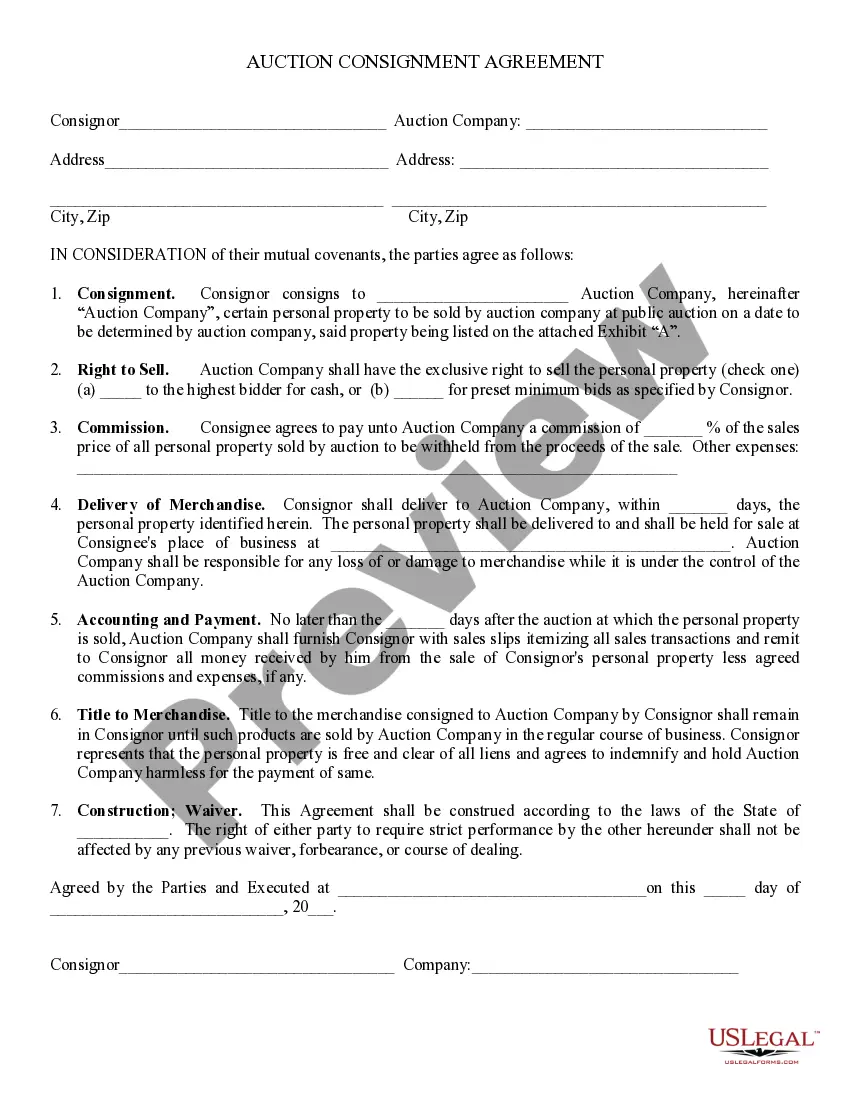
Consignment Form Template For Cars In Utah
Description

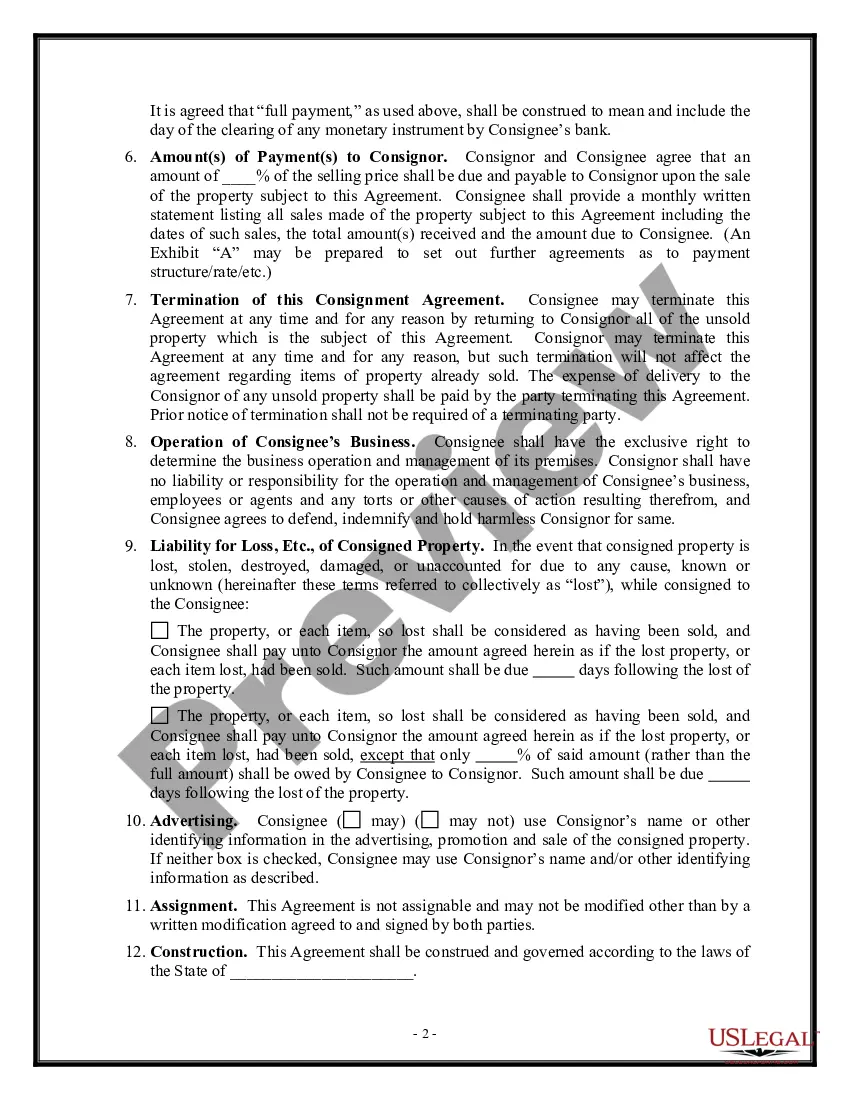
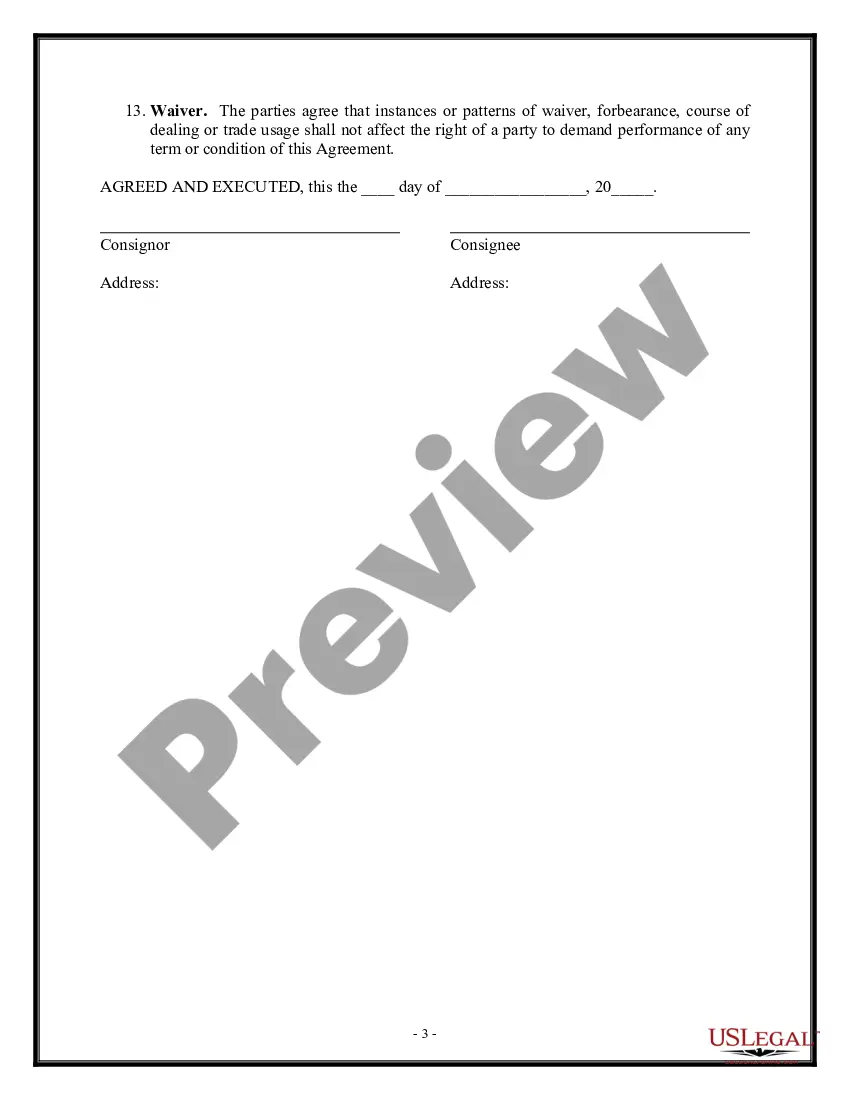
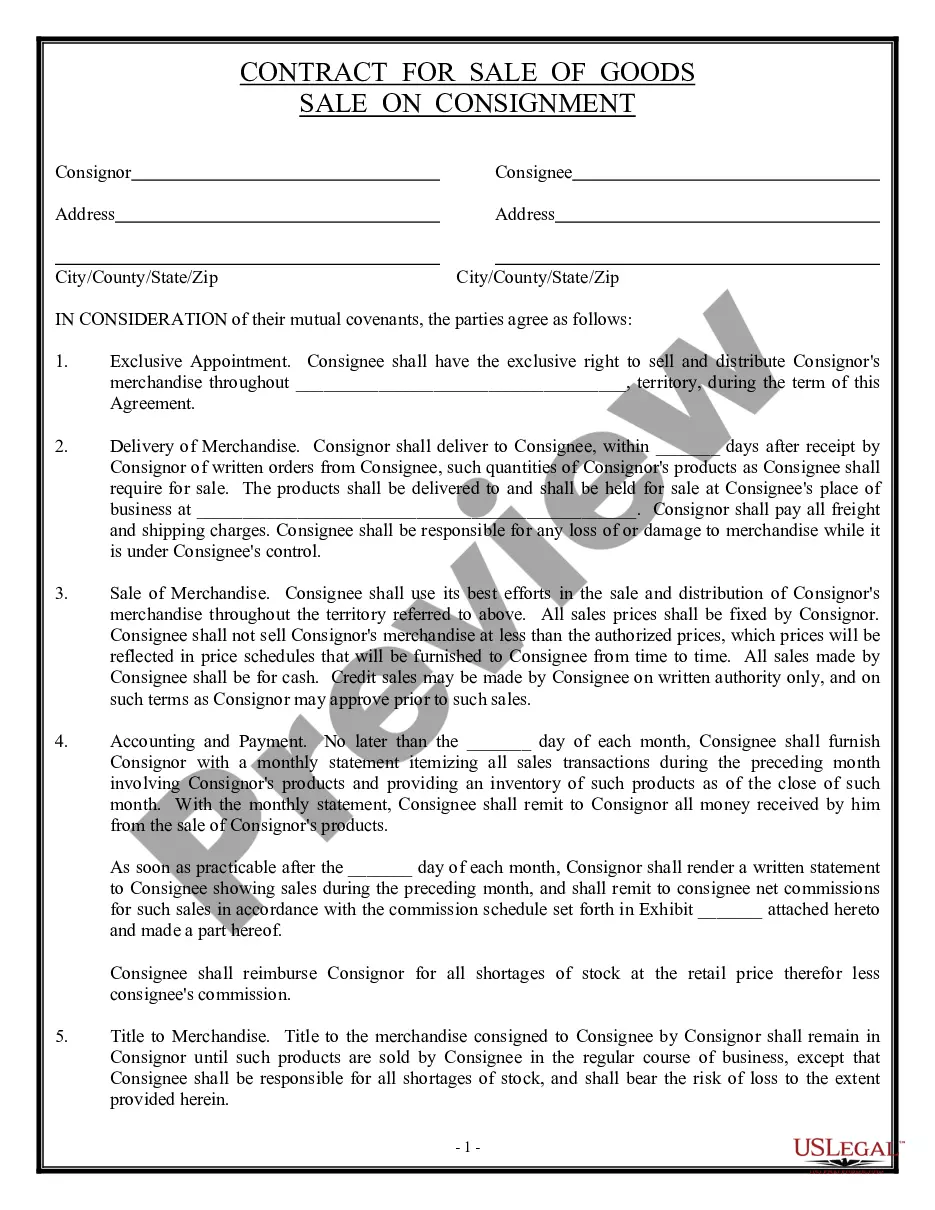
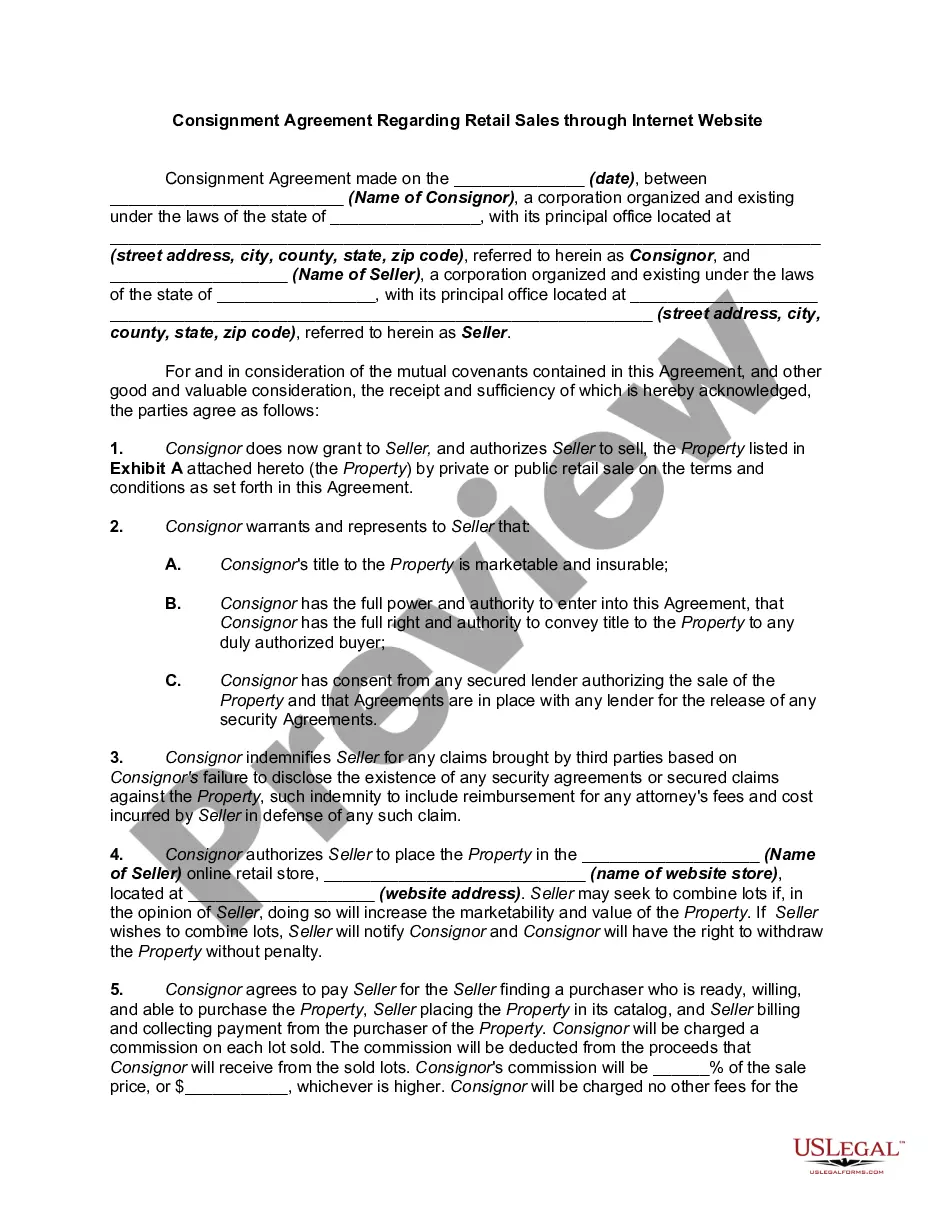
Get your form ready online
Our built-in tools help you complete, sign, share, and store your documents in one place.
Make edits, fill in missing information, and update formatting in US Legal Forms—just like you would in MS Word.
Download a copy, print it, send it by email, or mail it via USPS—whatever works best for your next step.
Sign and collect signatures with our SignNow integration. Send to multiple recipients, set reminders, and more. Go Premium to unlock E-Sign.
If this form requires notarization, complete it online through a secure video call—no need to meet a notary in person or wait for an appointment.
We protect your documents and personal data by following strict security and privacy standards.

Make edits, fill in missing information, and update formatting in US Legal Forms—just like you would in MS Word.

Download a copy, print it, send it by email, or mail it via USPS—whatever works best for your next step.

Sign and collect signatures with our SignNow integration. Send to multiple recipients, set reminders, and more. Go Premium to unlock E-Sign.

If this form requires notarization, complete it online through a secure video call—no need to meet a notary in person or wait for an appointment.

We protect your documents and personal data by following strict security and privacy standards.
Looking for another form?








Form popularity
FAQ
What to Do if You Sell Your Car Remove your license plate from the vehicle. Give the new owner the signed title, current registration certificate, and current safety and emission certificates. Report the vehicle as sold to the Division of Motor Vehicles.
Transferring a Boat Title: Quick Guide Fill in the transfer section on the back of the boat title, and sign it in the presence of the notary. Have the buyer take the title to your state's title office to apply for a new title. Then the title will officially be in their name.
Complete DMV Form: Fill out the DMV title application form, available on the Utah DMV website. Sign the Title: Both the seller and buyer must sign the title, confirming the transfer of ownership. Provide Valid Identification: The buyer needs to present a valid ID, such as a driver's license or state-issued ID.
Federal law requires car sellers to write the cumulative mileage registered on the odometer on the title when transferring ownership. If the odometer reading is inaccurate, the seller must indicate this discrepancy, either on the title or on a disclosure form.
Although not legally required, the Utah DMV advises and provides private sellers with a bill of sale (form TC-843) to use when selling your car on your own. The bill of sale provides proof the seller has legally transferred ownership of the vehicle to the buyer.
The bill of sale can be handwritten or typed/printed, but it should be in ink, not pencil. If desired, you can use the TC-843, Bill of Sale provided by the DMV.
You can do this online at the Utah Motor Vehicle portal. Or you can report the sale by mail or fax. You will write a statement that must include the vehicle year, make, plate or vehicle identification number, and the owner's signature. You can also call the Division of Motor Vehicles at 1-800-DMV-UTAH.
