Consignment Agreement In Sap In Tarrant
Description

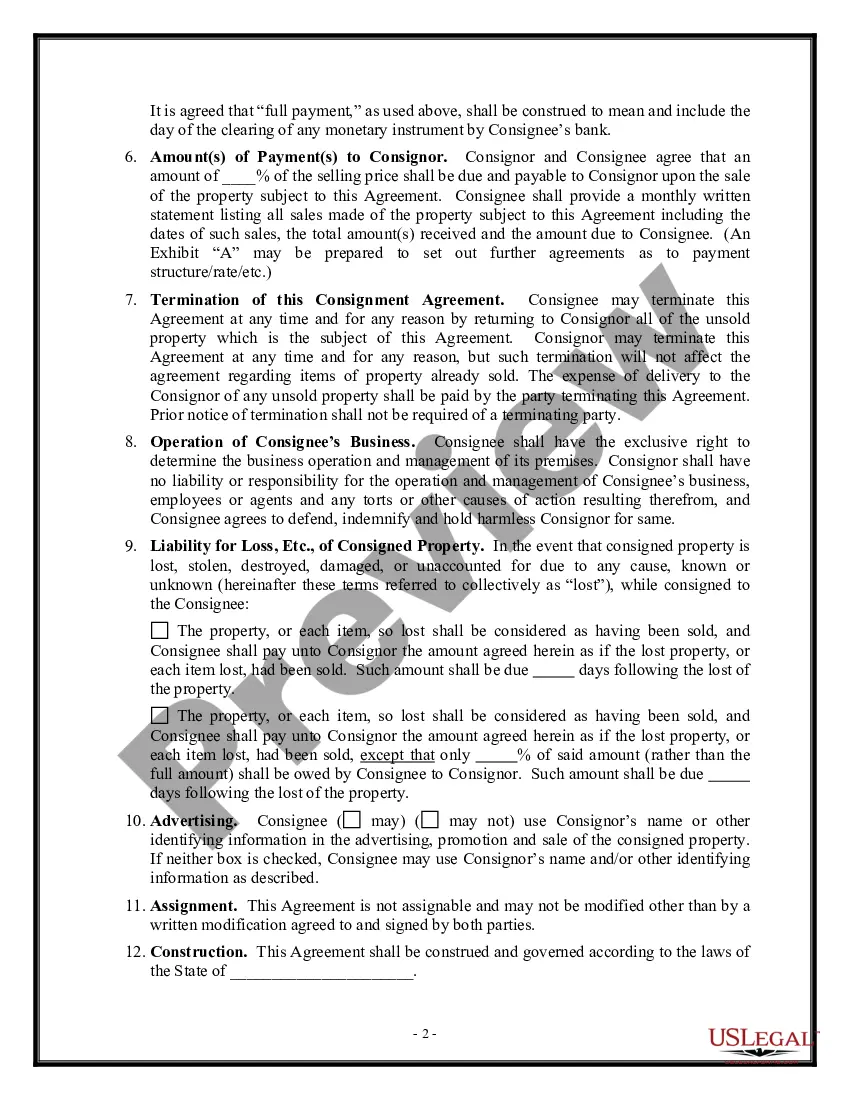
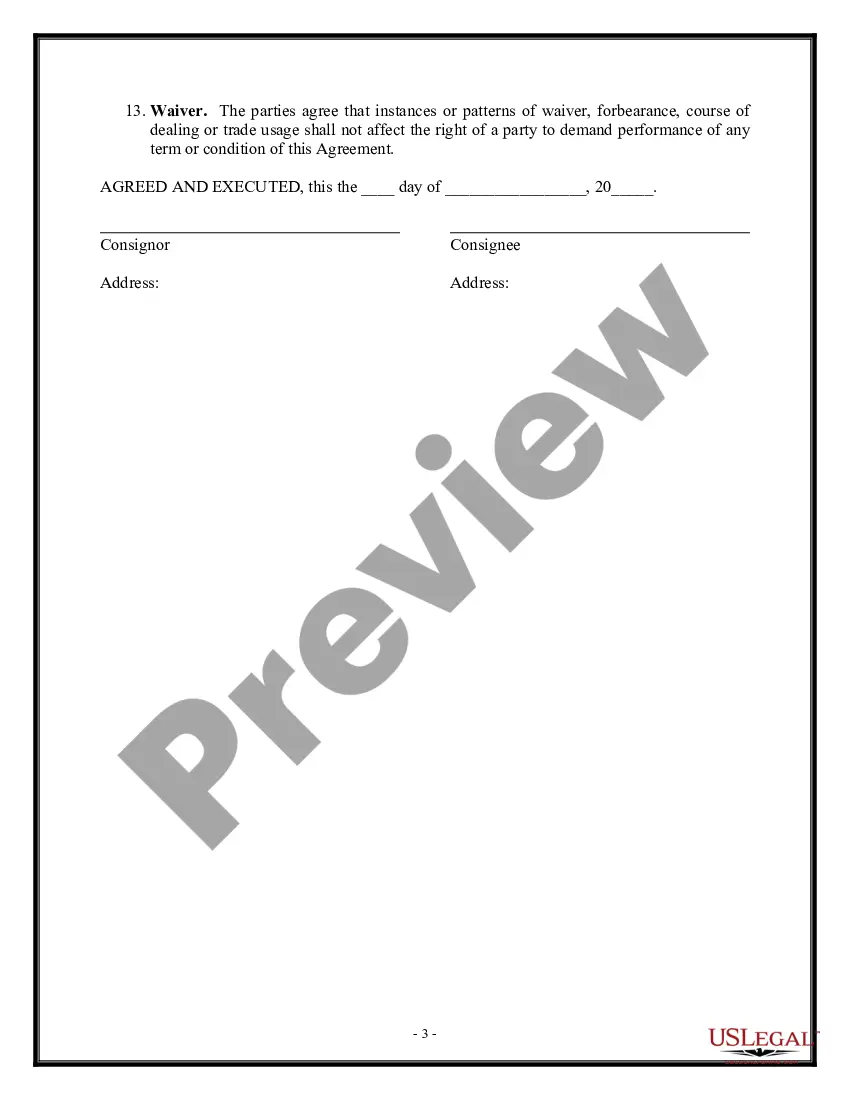
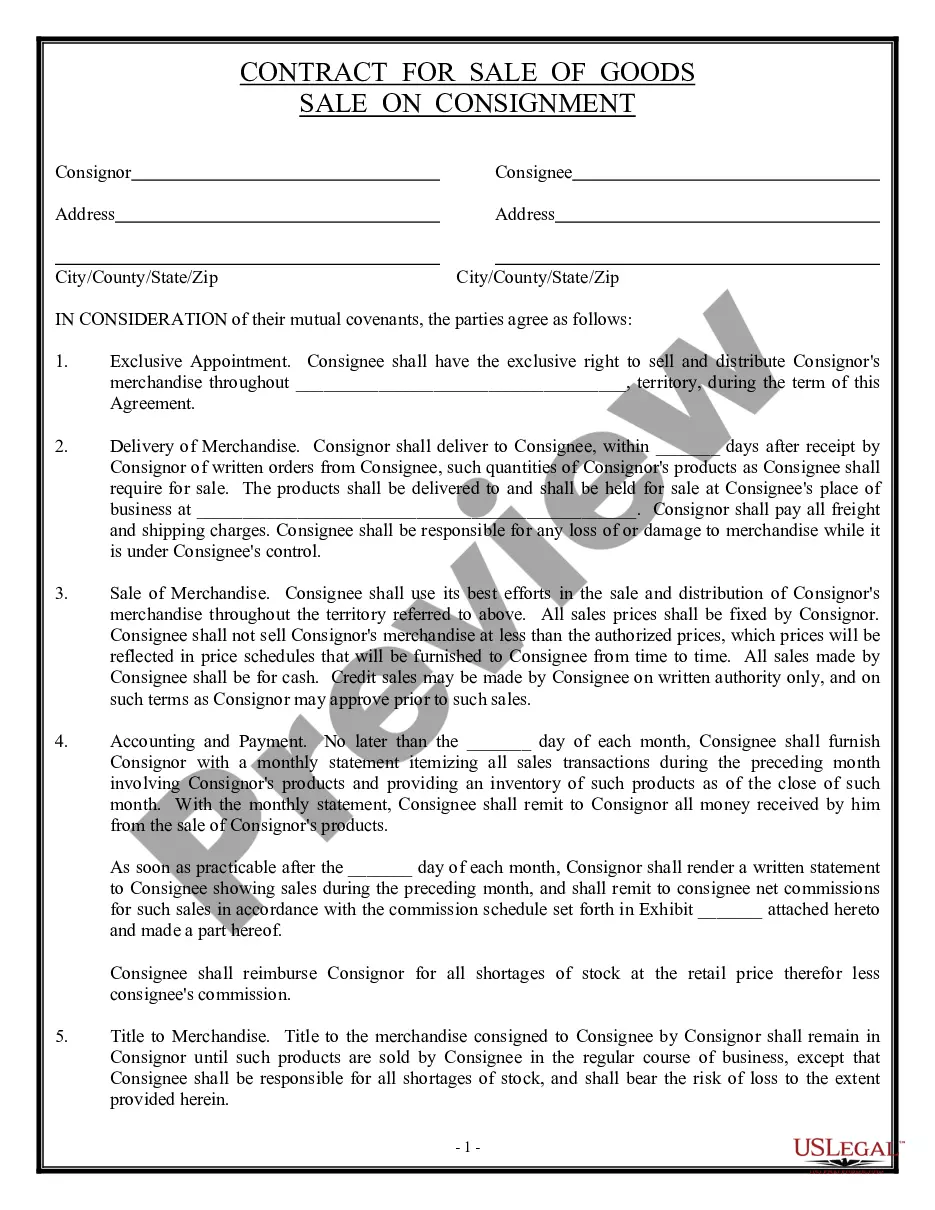
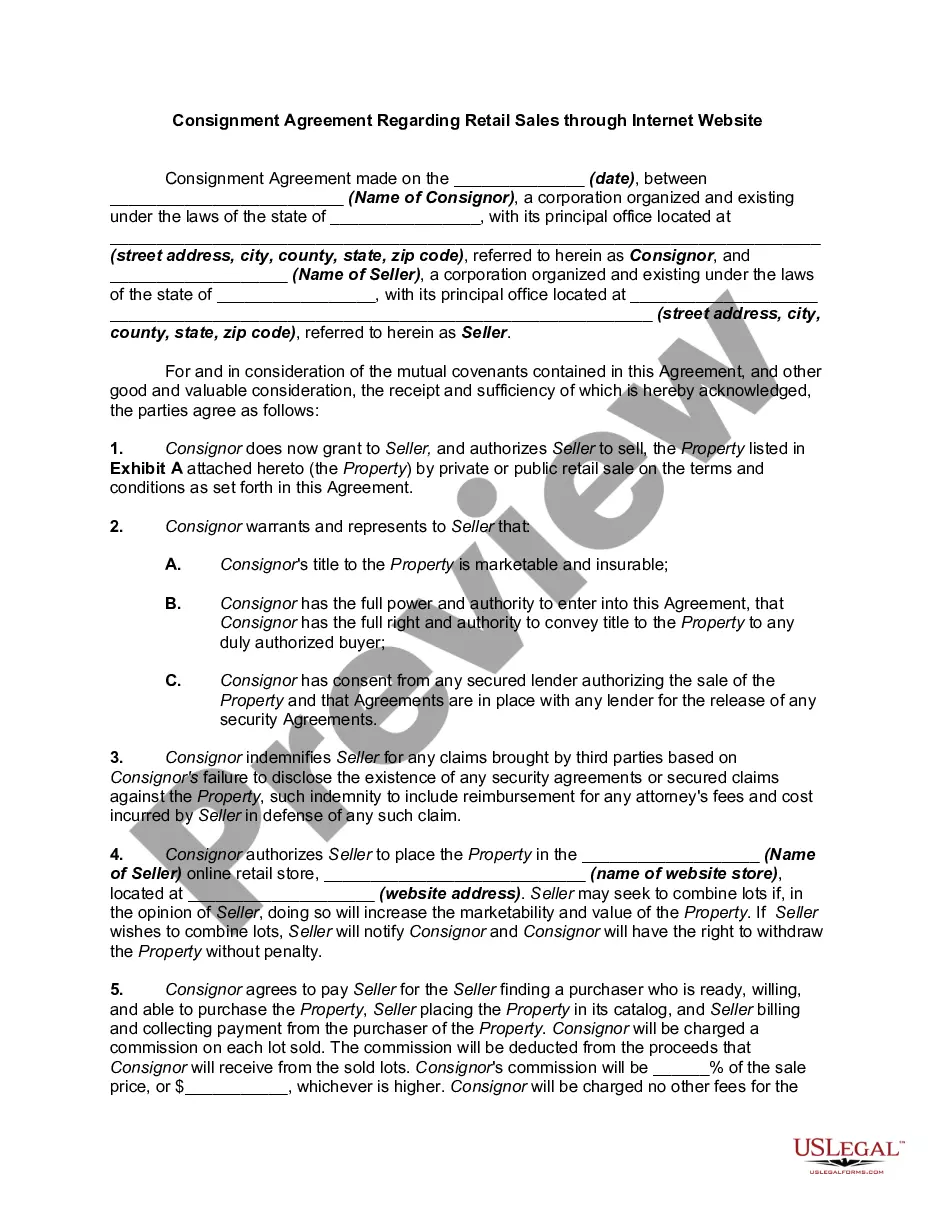
Get your form ready online
Our built-in tools help you complete, sign, share, and store your documents in one place.
Make edits, fill in missing information, and update formatting in US Legal Forms—just like you would in MS Word.
Download a copy, print it, send it by email, or mail it via USPS—whatever works best for your next step.
Sign and collect signatures with our SignNow integration. Send to multiple recipients, set reminders, and more. Go Premium to unlock E-Sign.
If this form requires notarization, complete it online through a secure video call—no need to meet a notary in person or wait for an appointment.
We protect your documents and personal data by following strict security and privacy standards.

Make edits, fill in missing information, and update formatting in US Legal Forms—just like you would in MS Word.

Download a copy, print it, send it by email, or mail it via USPS—whatever works best for your next step.

Sign and collect signatures with our SignNow integration. Send to multiple recipients, set reminders, and more. Go Premium to unlock E-Sign.

If this form requires notarization, complete it online through a secure video call—no need to meet a notary in person or wait for an appointment.

We protect your documents and personal data by following strict security and privacy standards.
Looking for another form?








Form popularity
FAQ
What Should Be Included in a Consignment Invoice? Consignment Task. Highlight what type of consignment you deliver and how much it took to complete the service in the invoice. Consignors Details. Client's Details. Last Date of Payment. Prefer Payment Mode. Issuer's Signature.
Customer Invoicing for Consignment Issue After you release the consignment issue sales order, the invoice process is triggered and an invoice request of the type outbound delivery is created automatically. You can view it in the Customer Invoice Requests view of the Customer Invoicing work center.
There are four main transactions for processing consignment stock, all of which support separate management of stock: Creating a Consignment Fill-Up. Creating Consignment Issue. Creating a Consignment Pick-Up. Creating a Consignment Return.
N Customer Consignment Process, there are four main steps within the SAP System, all of which support separate management of stock: Consignment Fill-Up (Stock Fill up at warehouse) Consignment Issue (Stock issue from warehouse) Consignment Return (Stock return from customer)
When the customer removes consignment stock then your company records the transaction in the system to reduce the consignment stock and then invoices the customer for the consumed consignment stock. Note. In our context, the consignor (your company) is the one using the SAP Business ByDesign.
In consignment processing, the vendor provides materials and stores them on your premises. The vendor remains the legal owner of the material until you withdraw materials from the consignment stores. Only then does the vendor require payment. The invoice is due at set periods of time, for example, monthly.
411 K: Transfer post(TP) consignment stock to Company's own stock. After Goods Receipt, we can use either of the two movement types to consume the material, make them appear in or books.