Consignment Note For Fridges In San Jose
Description

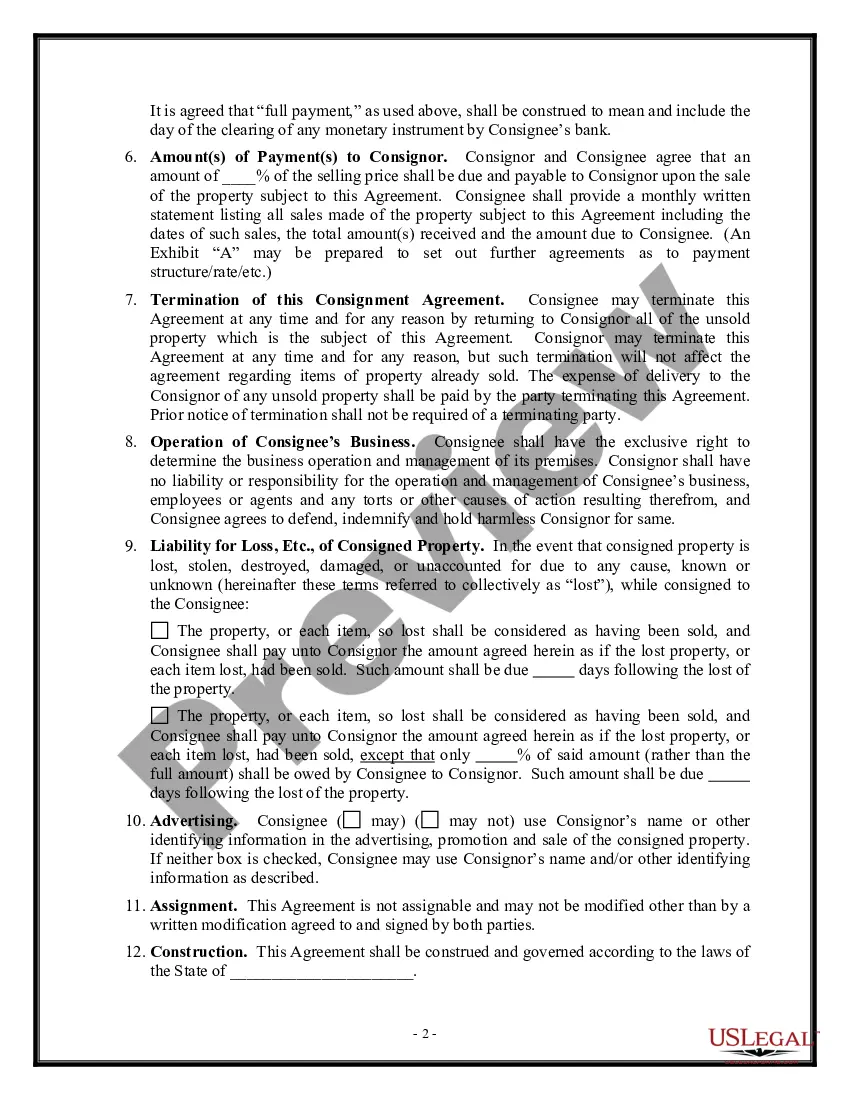
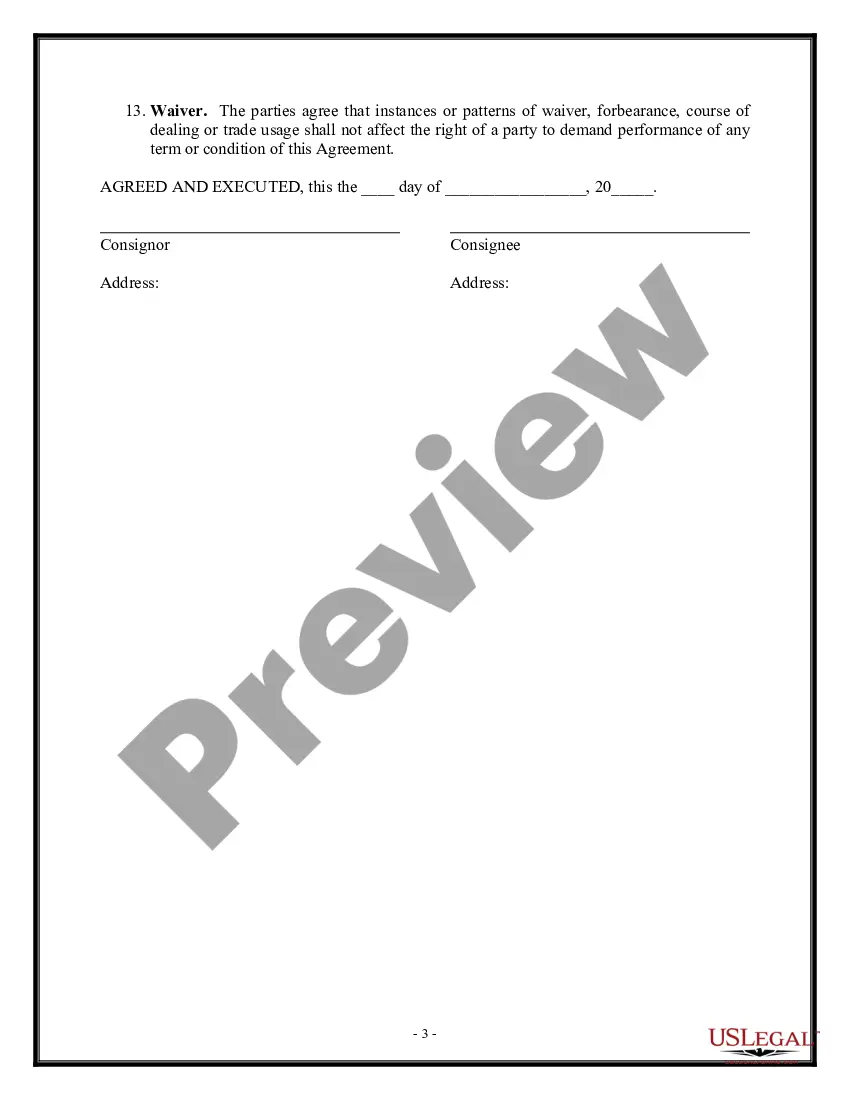
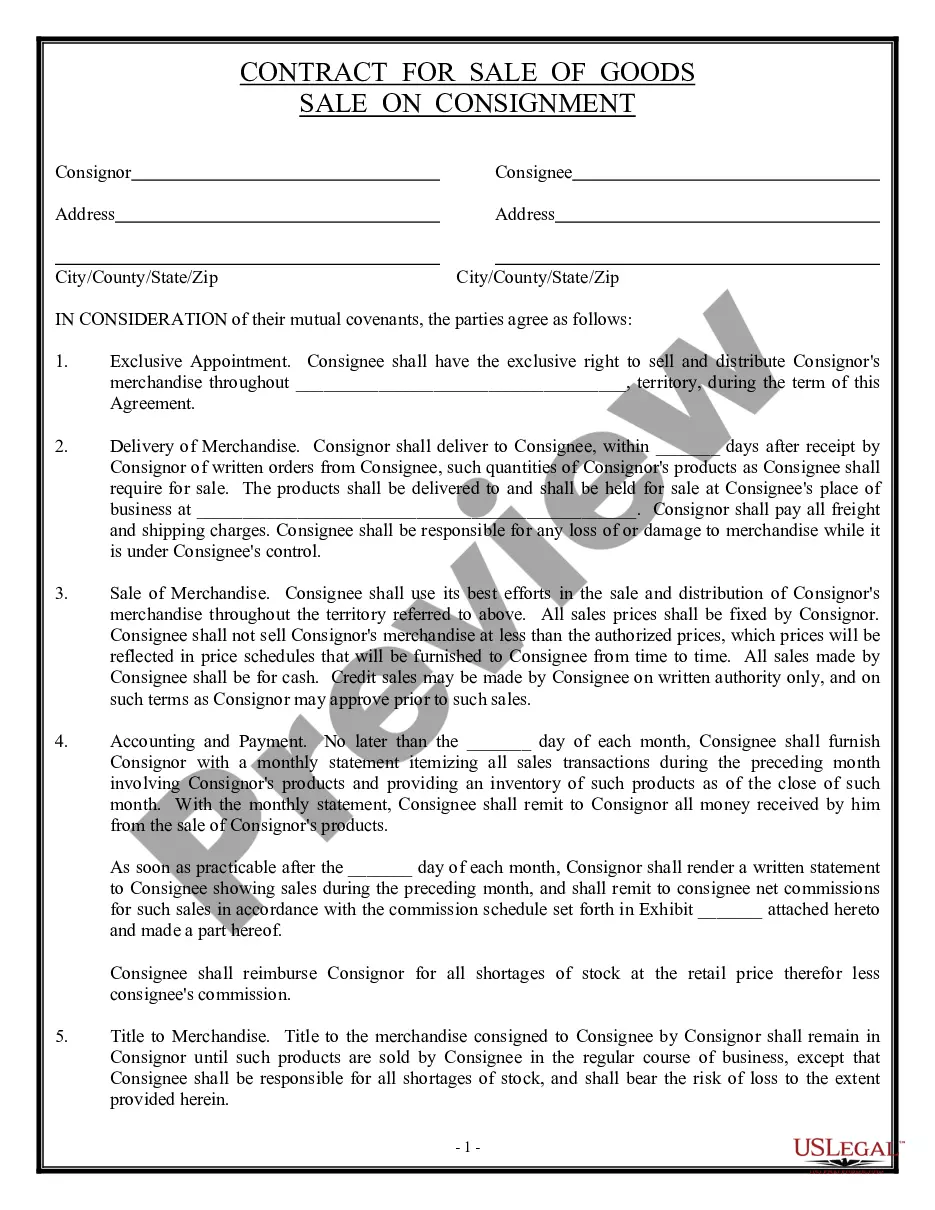
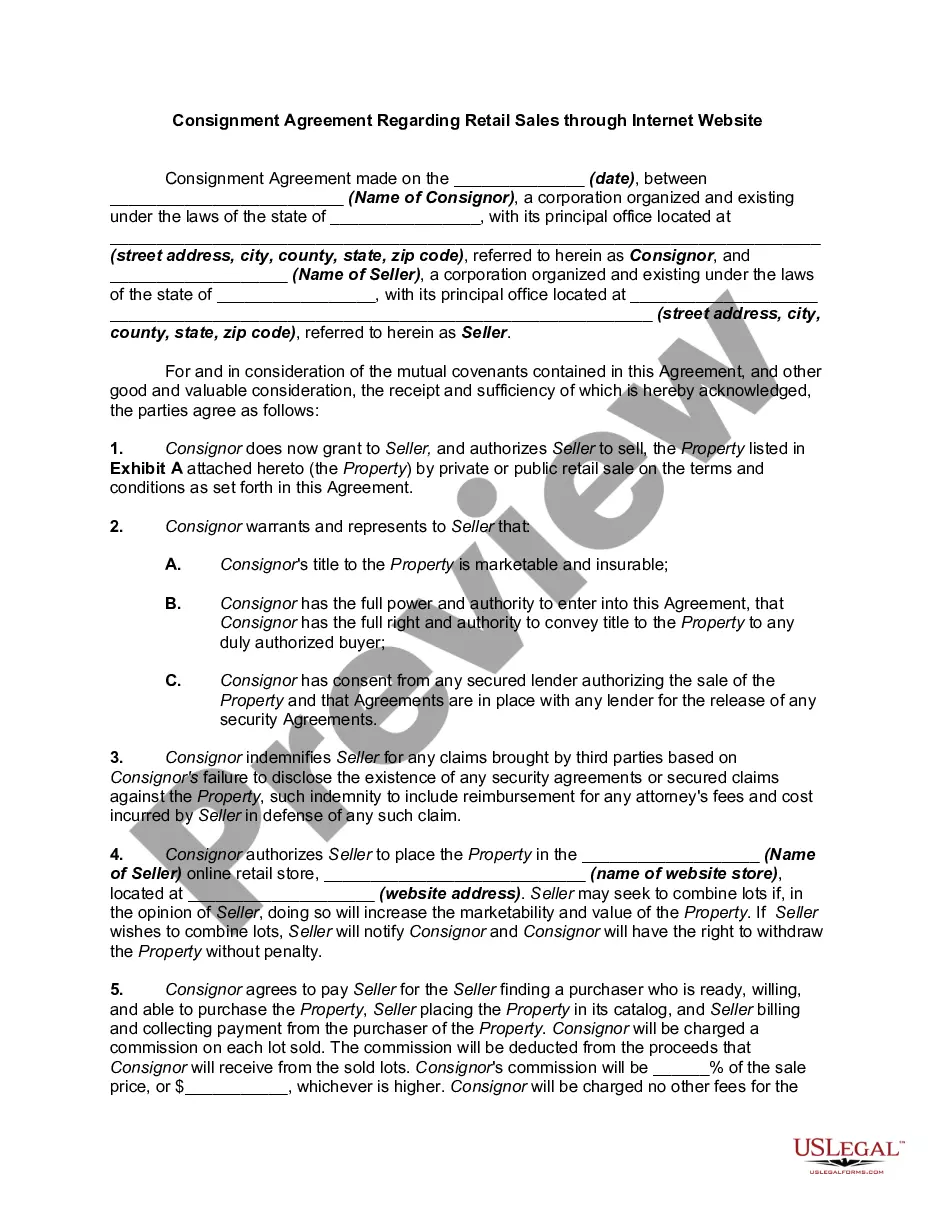
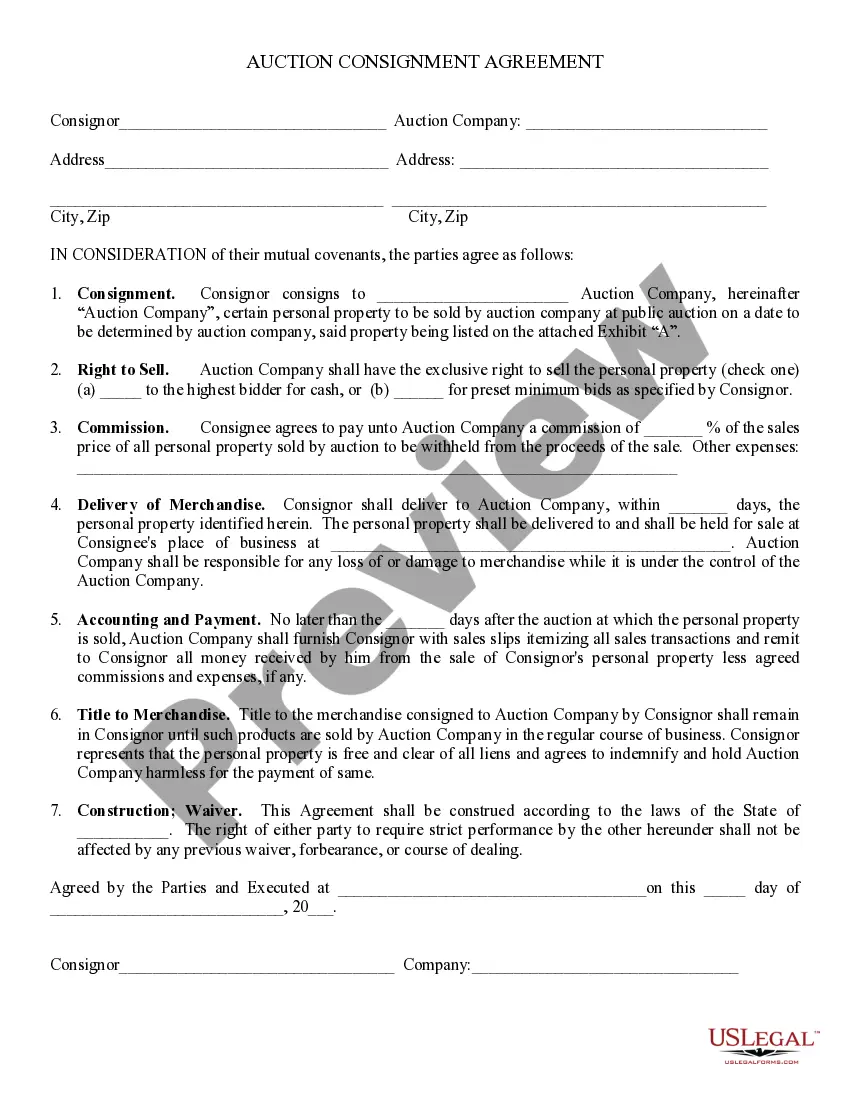
Get your form ready online
Our built-in tools help you complete, sign, share, and store your documents in one place.
Make edits, fill in missing information, and update formatting in US Legal Forms—just like you would in MS Word.
Download a copy, print it, send it by email, or mail it via USPS—whatever works best for your next step.
Sign and collect signatures with our SignNow integration. Send to multiple recipients, set reminders, and more. Go Premium to unlock E-Sign.
If this form requires notarization, complete it online through a secure video call—no need to meet a notary in person or wait for an appointment.
We protect your documents and personal data by following strict security and privacy standards.

Make edits, fill in missing information, and update formatting in US Legal Forms—just like you would in MS Word.

Download a copy, print it, send it by email, or mail it via USPS—whatever works best for your next step.

Sign and collect signatures with our SignNow integration. Send to multiple recipients, set reminders, and more. Go Premium to unlock E-Sign.

If this form requires notarization, complete it online through a secure video call—no need to meet a notary in person or wait for an appointment.

We protect your documents and personal data by following strict security and privacy standards.
Looking for another form?
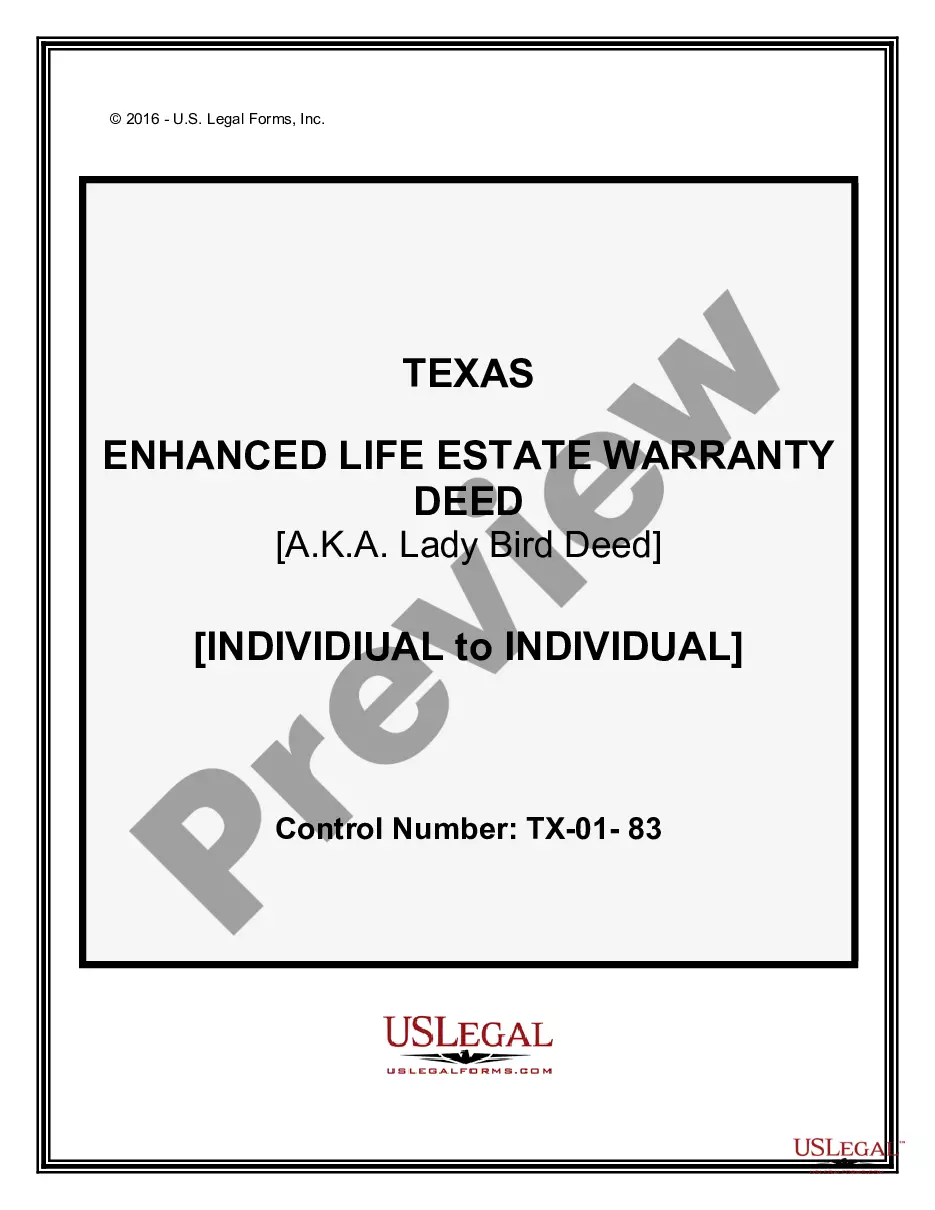

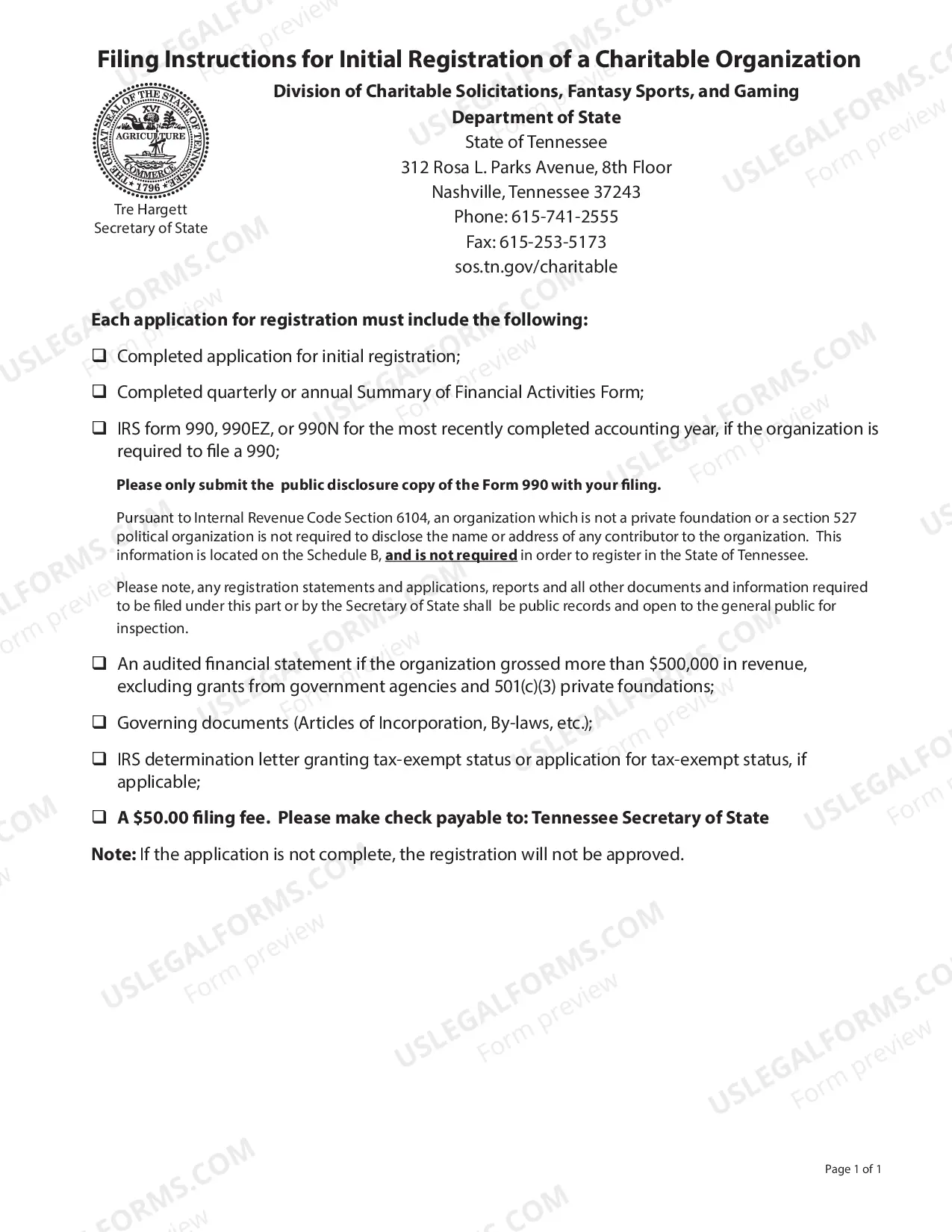

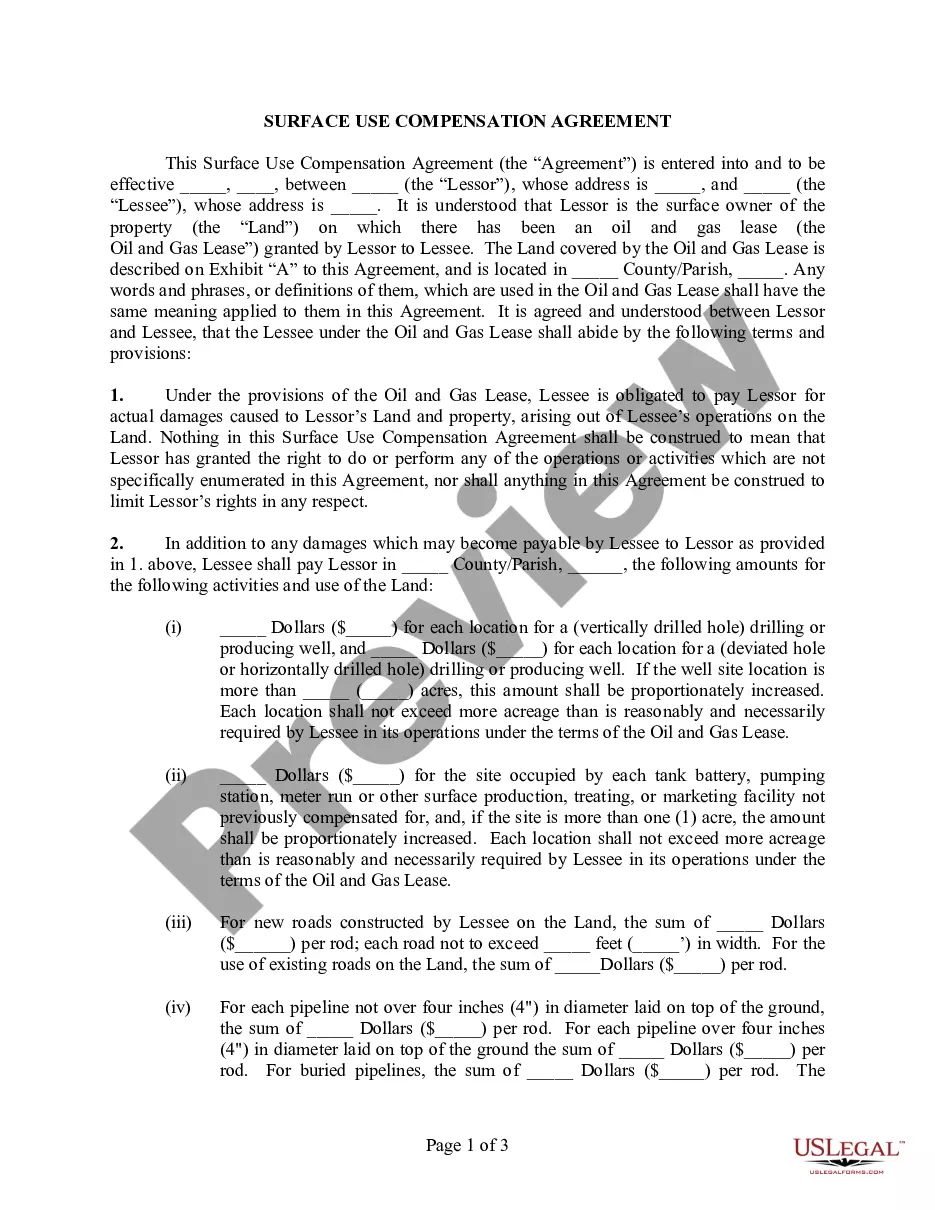
Form popularity
FAQ
The format for the consignment note code must be '/YYYYY. The: '' is the first 6 letters or numbers (not symbols or spaces) of the name of the company entered in part A2 of the consignment note and must be followed by '/' 'YYYYY' is exactly 5 numbers or letters (not symbols or spaces) you choose.
A “Consignment Note”, also referred to as a loading list, is a critical document in freight forwarding and logistics. This document is issued by the consignor and contains all essential details of the goods being shipped to the consignee. It serves as proof of receipt when signed by the inland carrier.
An invoice is a commercial document that maintains the record of transactions between the buyer and the seller. On the other hand, a consignment note is an export document that serves as evidence of a concluded carriage contract.
It gives the names and addresses of both consignor and consignee, details the goods, usually gives their gross weight, and states who has responsibility for insuring them while in transit.
A consignment note will have five sections. You (the consignor) will complete sections A and B before the collection takes place. The waste carrier will complete section C when the waste is collected. You (the consignor) will then sign section D to confirm all the details are correct.
Hand over the consignment notes to the carrier. The carrier will complete Part C. The carrier will check that your site name and address is correct in A2, that the consignee details you have completed in A4 are correct and that you have described the waste correctly in B3.
The consignment note is a document accompanying the goods that contains important information about the sender (client), recipient, carrier and the goods being transported. It serves as proof of the freight contract, as well as confirming acceptance and delivery of the goods.
Local Options: Facebook Marketplace, Craigslist, OfferUp, or local classifieds for quick sales. Online Marketplaces: eBay or specialized appliance resale websites can reach a broader audience. Consignment Stores: Consider local consignment shops that specialize in appliances.
We do have a trade-in program, but appliances are not accepted.
Local Options: Facebook Marketplace, Craigslist, OfferUp, or local classifieds for quick sales. Online Marketplaces: eBay or specialized appliance resale websites can reach a broader audience. Consignment Stores: Consider local consignment shops that specialize in appliances.
