Examples Of Consignment Agreements In Pima
Description

Get your form ready online
Our built-in tools help you complete, sign, share, and store your documents in one place.
Make edits, fill in missing information, and update formatting in US Legal Forms—just like you would in MS Word.
Download a copy, print it, send it by email, or mail it via USPS—whatever works best for your next step.
Sign and collect signatures with our SignNow integration. Send to multiple recipients, set reminders, and more. Go Premium to unlock E-Sign.
If this form requires notarization, complete it online through a secure video call—no need to meet a notary in person or wait for an appointment.
We protect your documents and personal data by following strict security and privacy standards.

Make edits, fill in missing information, and update formatting in US Legal Forms—just like you would in MS Word.

Download a copy, print it, send it by email, or mail it via USPS—whatever works best for your next step.

Sign and collect signatures with our SignNow integration. Send to multiple recipients, set reminders, and more. Go Premium to unlock E-Sign.

If this form requires notarization, complete it online through a secure video call—no need to meet a notary in person or wait for an appointment.

We protect your documents and personal data by following strict security and privacy standards.
Looking for another form?
Form popularity
FAQ
Consignment tends to be the best option for beginner or hobbyist sellers. If your product is new, use consignment as a market-testing method. You'll learn valuable information about your audience and product line. Wholesale can be the better option for serious or experienced sellers.
She takes the clothes to a thrift store to sell the clothes on consignment. Bethany and the thrift store come to an agreement that Bethany will receive 60% of the revenues from the items sold while the thrift store will receive the remaining 40%. This business model is used by many second-hand stores.
This kind of arrangement is called Consignment. Definition. The contract or an agreement of sending several goods by the producers or manufacturers of a place to their agents for the sale is known as a consignment. Types of Consignment. Outward Consignment. Inward Consignment. Consignment Processing. Sale. Features of a Sale.
Successful consignment shops can generate over $300,000 in annual sales. After covering expenses, profit margins are around 25–35% on average.
The rate is usually negotiated between the consignor and consignee. It can vary depending on the type of merchandise, the consignment shop's location, and the consignment agreement's duration. Typically, commission rates range from 30% to 50%, with some consignment shops charging higher rates for specialty items.
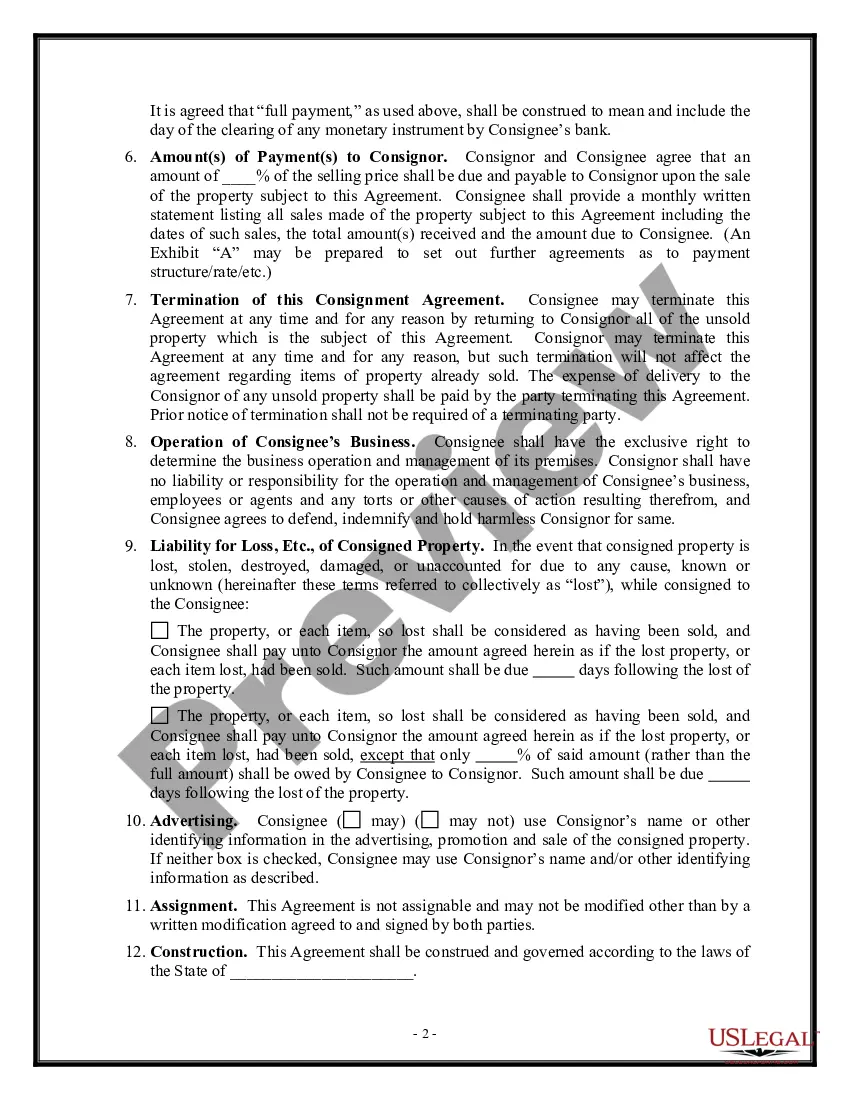
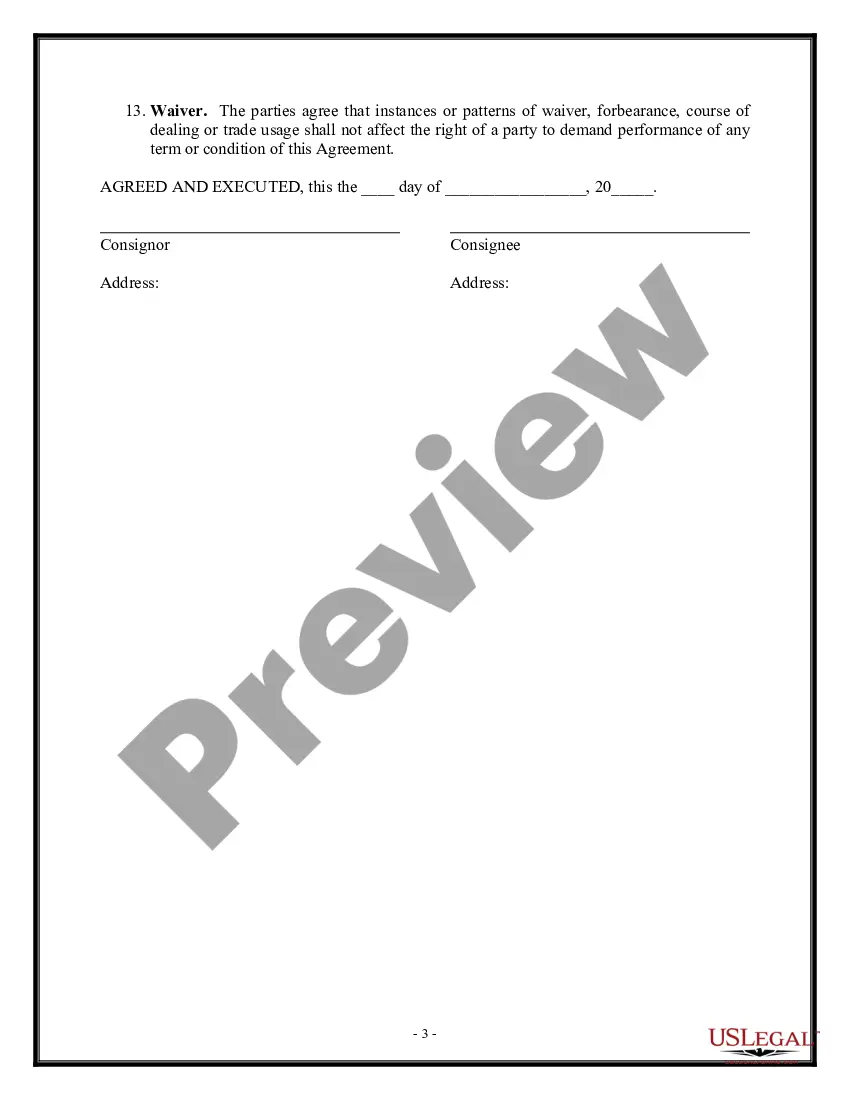
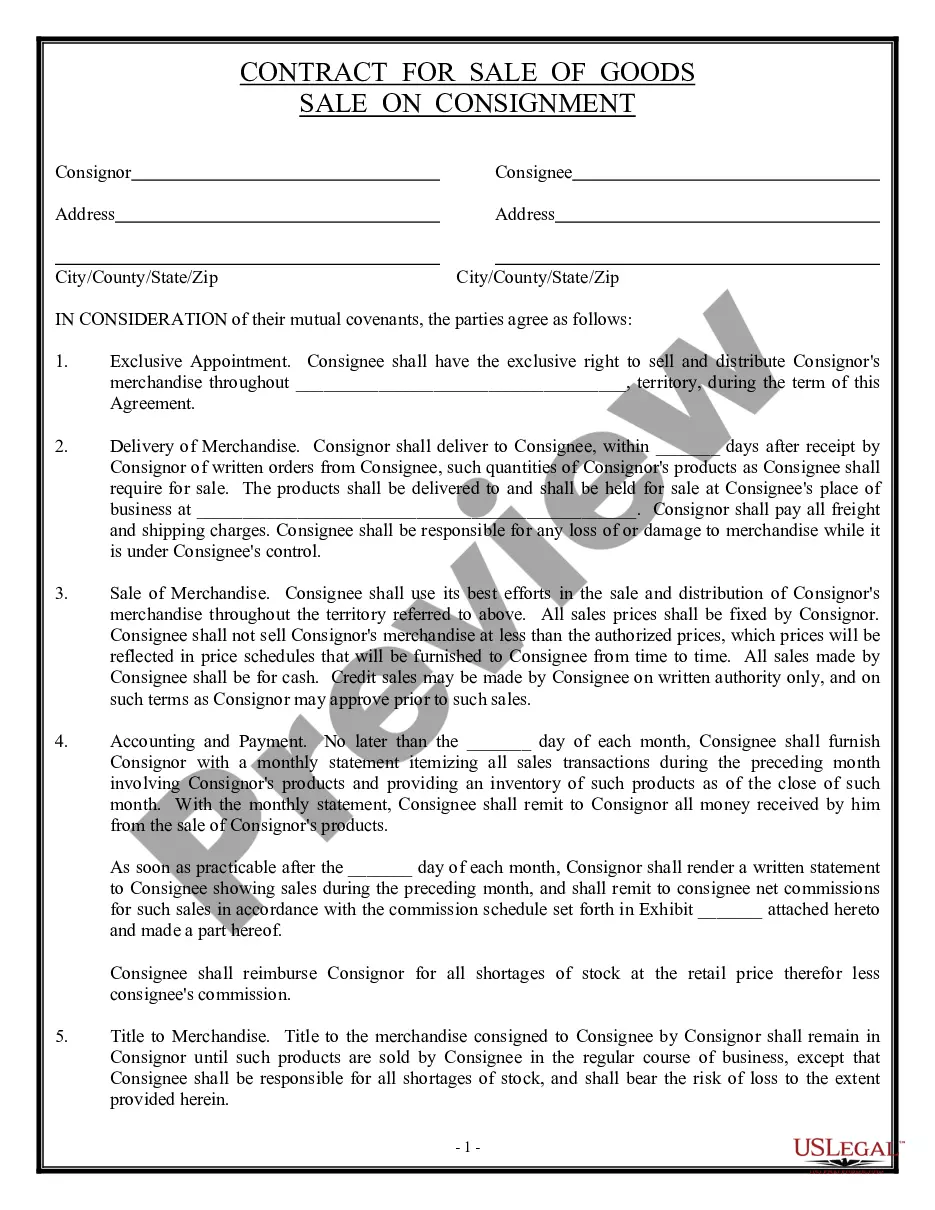
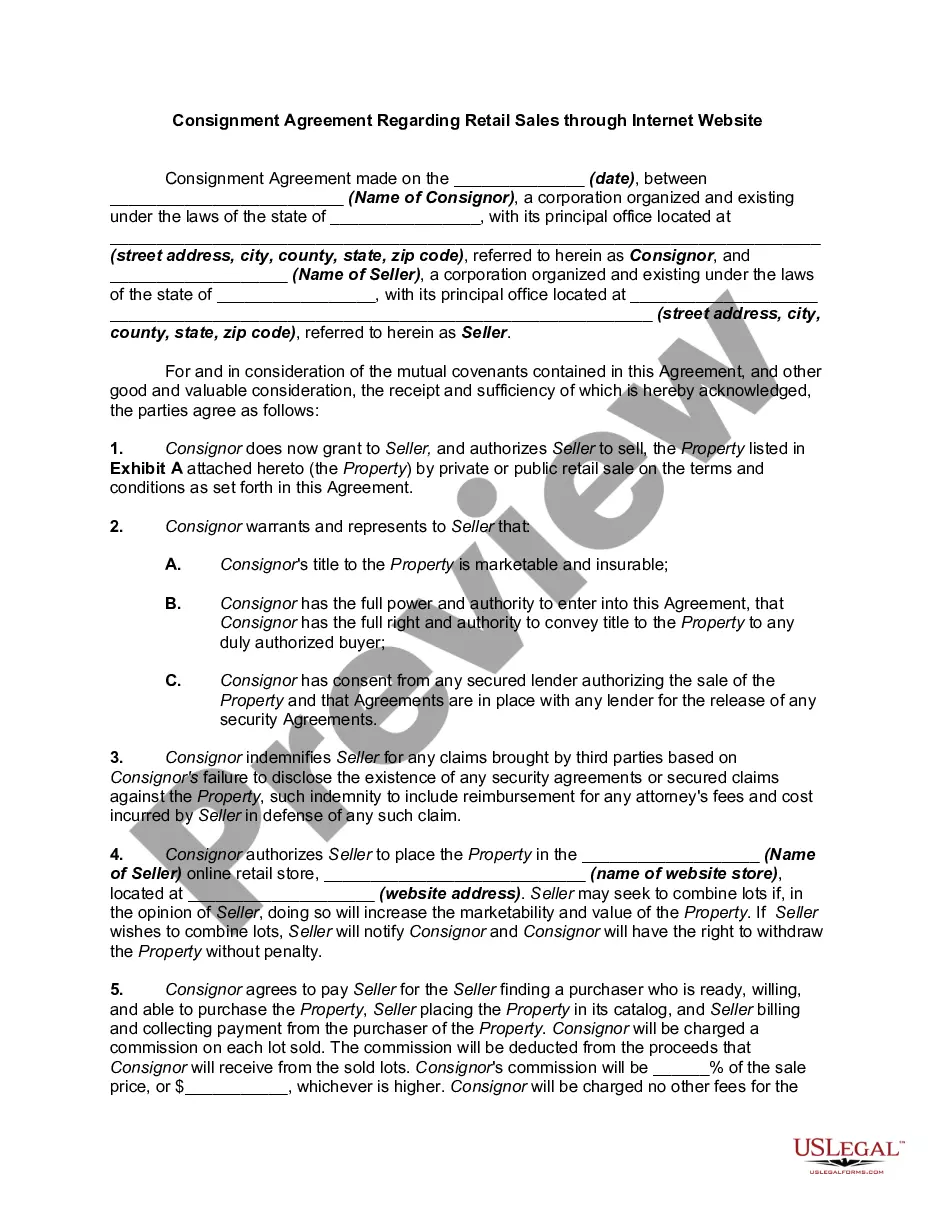
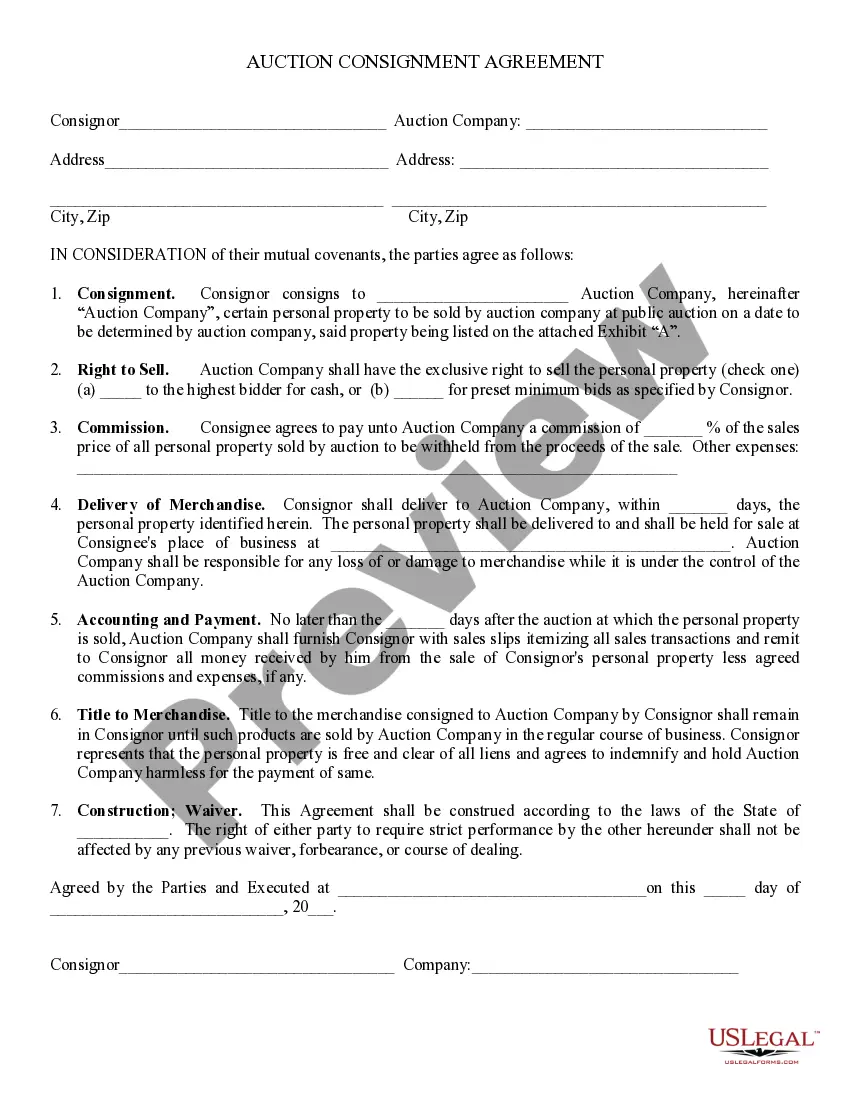
A consignment agreement involves two parties: the consignor, who owns the goods, and the consignee, who agrees to sell the goods on behalf of the consignor. This type of agreement outlines the responsibilities, terms of sale, and financial arrangements between the parties involved.
While rates will vary from one consignment agreement to another, the industry average is around 60% for the product owner/maker and 40% for the shop owner. Keep in mind that it is possible for the consignor to negotiate even more favorable terms than those outlined above.
The following instructions will help you understand the terms of your consignment agreement. Introduction of parties. Recitals. Consigned property. Delivery of goods. Consignment period. Efforts to sell. Title to products. Payment terms and commission.
Consignment accounting is a type of business arrangement in which one person send goods to another person for sale on his behalf and the person who sends goods is called consignor and another person who receives the goods is called consignee, where consignee sells the goods on behalf of consignor on consideration of ...
