Resale Agreement Format In Ohio
Description

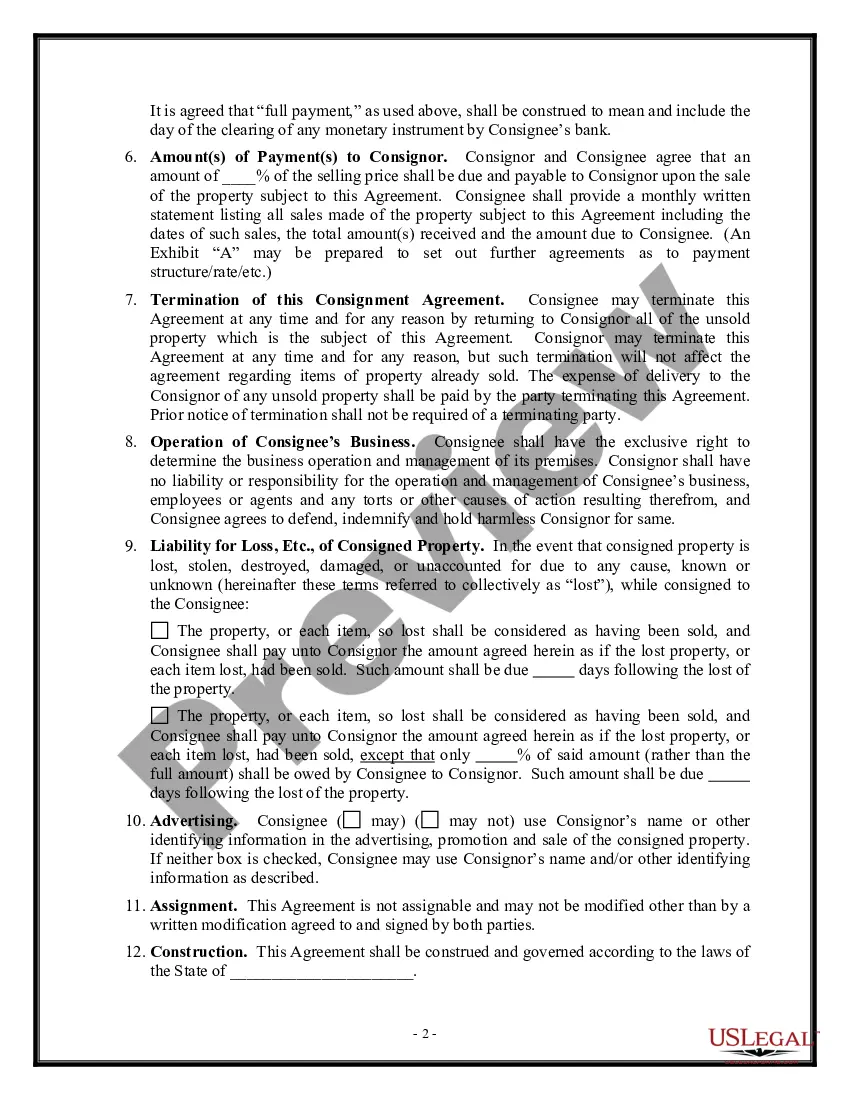
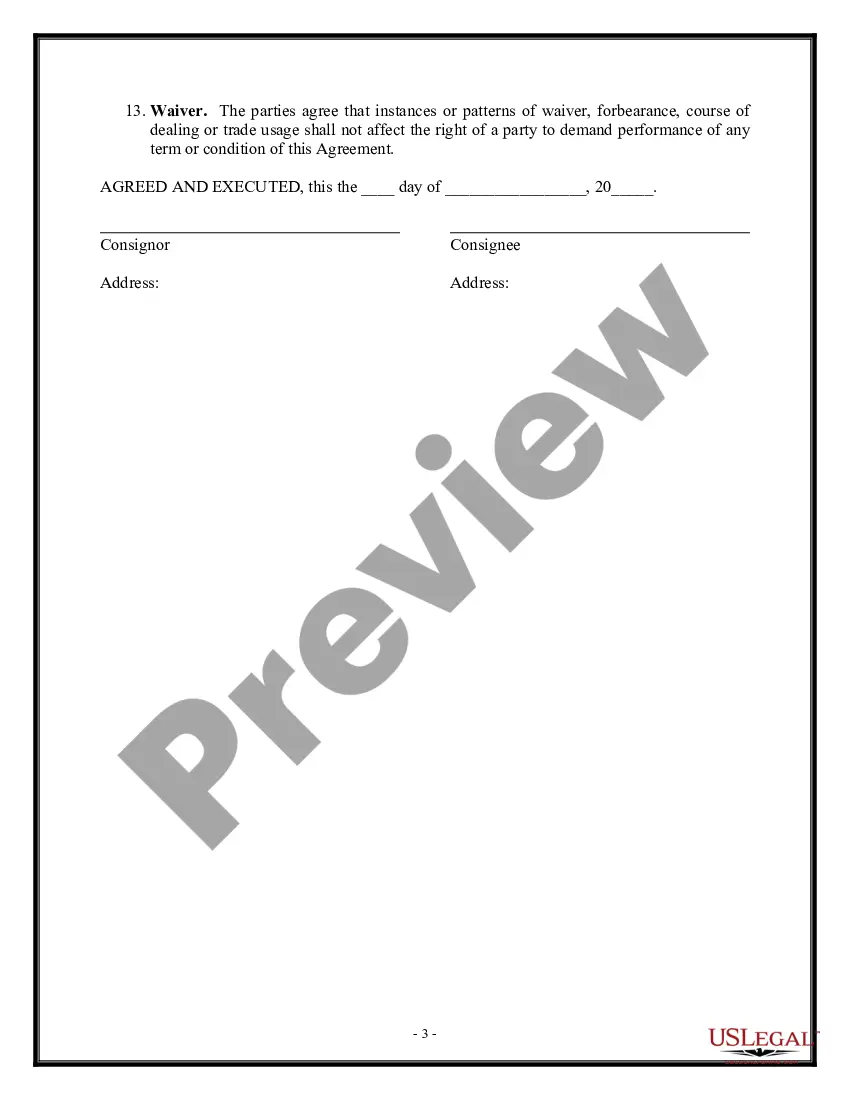
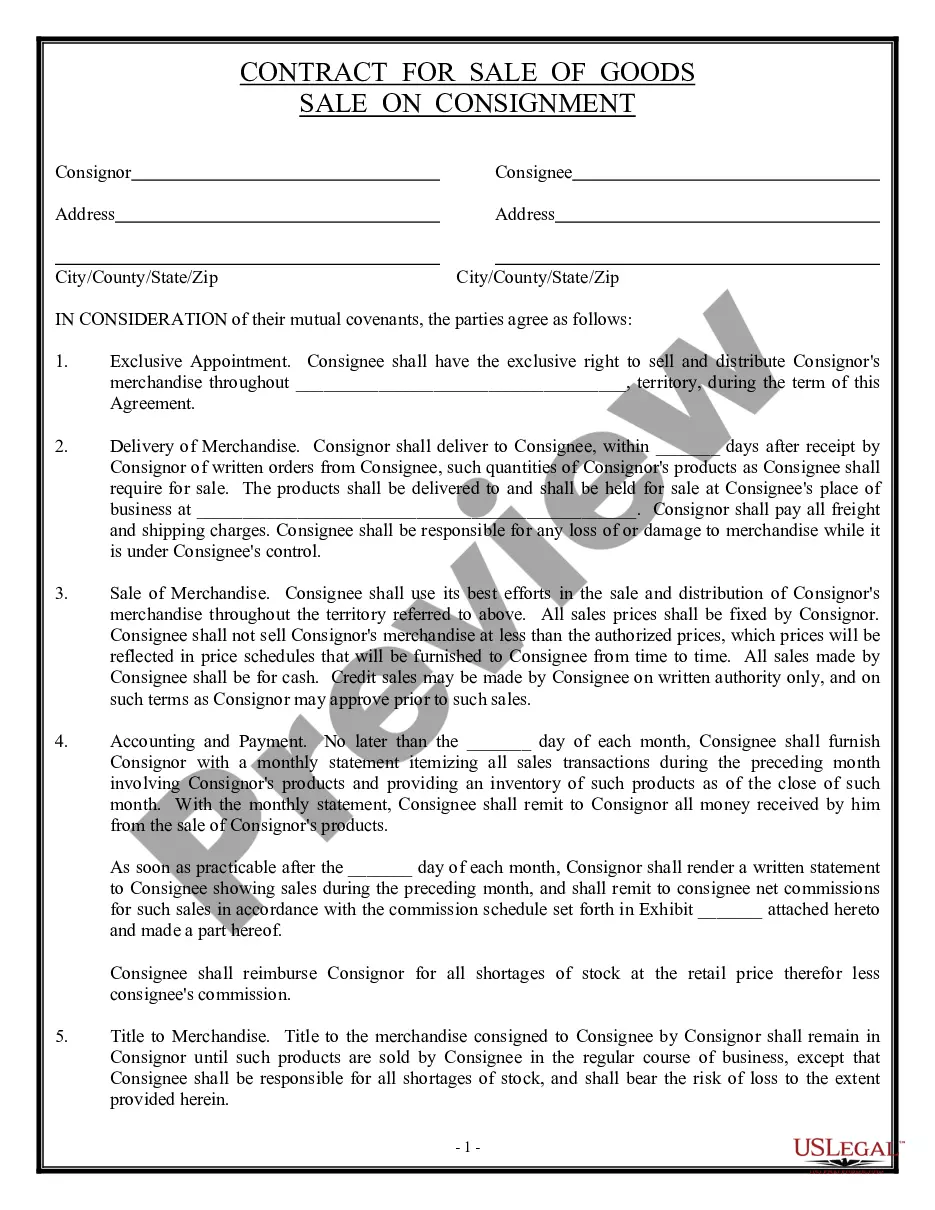
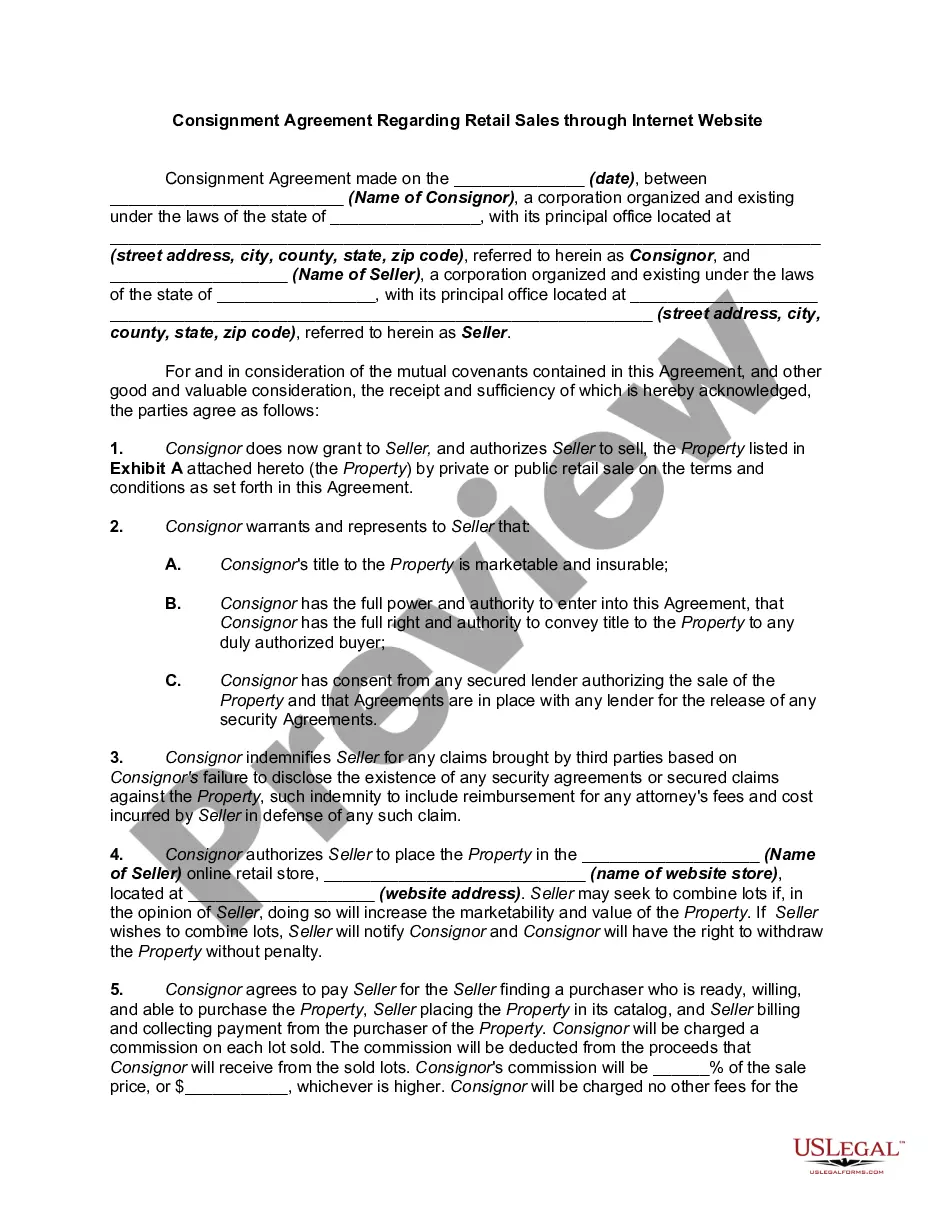
Get your form ready online
Our built-in tools help you complete, sign, share, and store your documents in one place.
Make edits, fill in missing information, and update formatting in US Legal Forms—just like you would in MS Word.
Download a copy, print it, send it by email, or mail it via USPS—whatever works best for your next step.
Sign and collect signatures with our SignNow integration. Send to multiple recipients, set reminders, and more. Go Premium to unlock E-Sign.
If this form requires notarization, complete it online through a secure video call—no need to meet a notary in person or wait for an appointment.
We protect your documents and personal data by following strict security and privacy standards.

Make edits, fill in missing information, and update formatting in US Legal Forms—just like you would in MS Word.

Download a copy, print it, send it by email, or mail it via USPS—whatever works best for your next step.

Sign and collect signatures with our SignNow integration. Send to multiple recipients, set reminders, and more. Go Premium to unlock E-Sign.

If this form requires notarization, complete it online through a secure video call—no need to meet a notary in person or wait for an appointment.

We protect your documents and personal data by following strict security and privacy standards.
Looking for another form?






Form popularity
FAQ
In Ohio, for a contract to be legally enforceable, certain elements—like a valid offer, acceptance, and a meeting of the minds—must be present within the document or verbal agreement.
The Ohio land contract process involves negotiating terms, signing the contract, and recording it with the county recorder's office within 20 days. The buyer makes payments directly to the seller, and once the full payment is made, the title is transferred to the buyer.
In Ohio, for a contract to be legally enforceable, certain elements—like a valid offer, acceptance, and a meeting of the minds—must be present within the document or verbal agreement. These elements help ensure the enforceability of the contract and confirm the agreement is valid and binding under the law.
Effective June 14, 2021, Ohio Revised Code 2305.06 requires parties to assert breach of contracts claims for written contracts within six (6) years after the cause of action accrues.
Once the Buyer and Seller have signed their Ohio Land Contract and had it notarized, that document must be filed with the County Recorder at the office in the county where the property is located. Typically, it is the Seller who records the completed Land Contract document in the County Recorder's office.
While the specifics can vary, it's common for the buyer to take on the responsibility of obtaining and maintaining homeowners insurance during the land contract period.
To write a simple contract, title it clearly, identify all parties and specify terms (services or payments). Include an offer, acceptance, consideration, and intent. Add a signature and date for enforceability. Written contracts reduce disputes and offer better legal security than verbal ones.
What should be included in a buy-sell agreement? Any stakeholders, including partners or owners, and their current stake in the business' equity. Events that would trigger a buyout, such as death, disability, divorce, retirement, or bankruptcy. A recent business valuation.
