Form For Consignment Sale In Nevada
Description

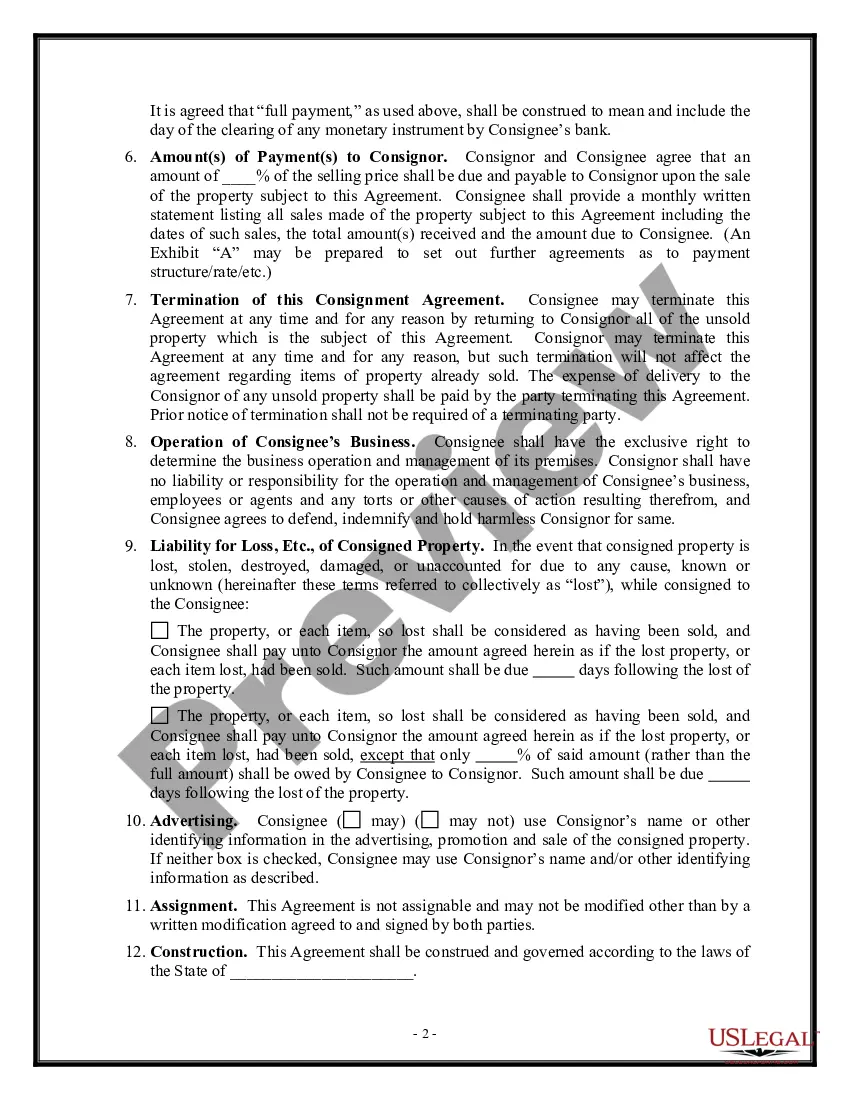
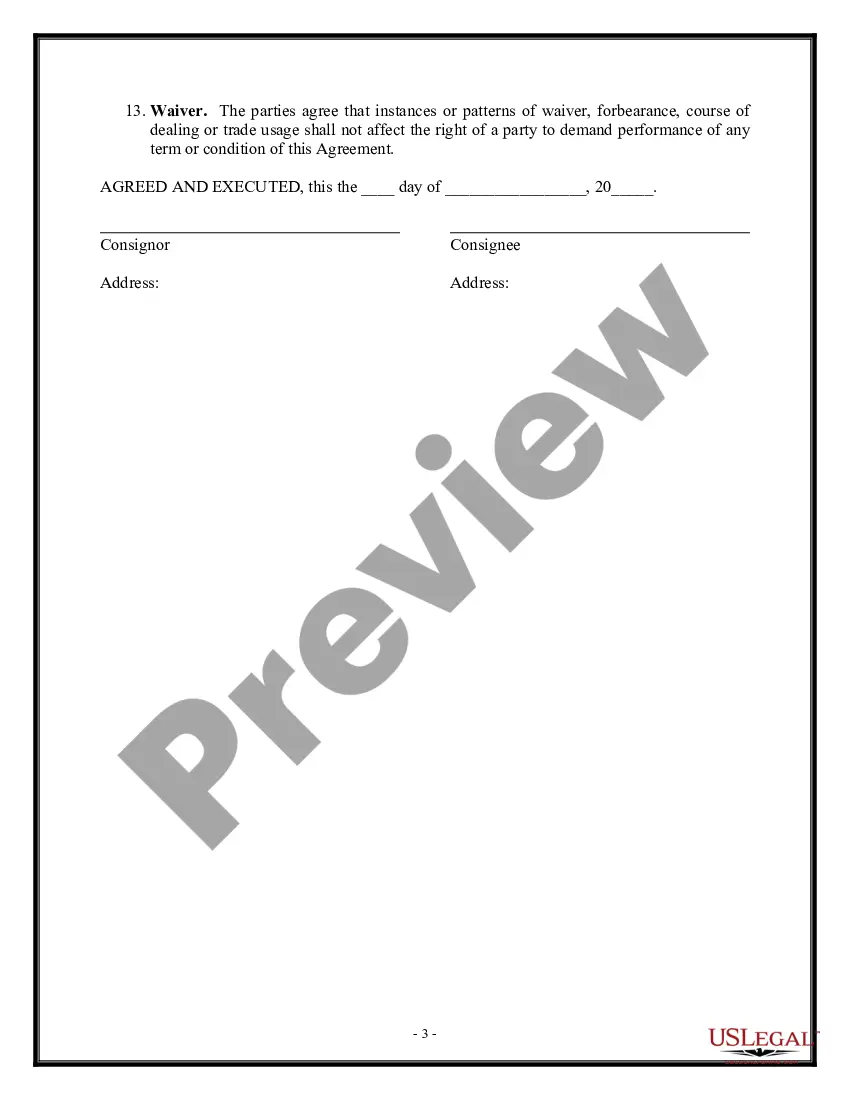
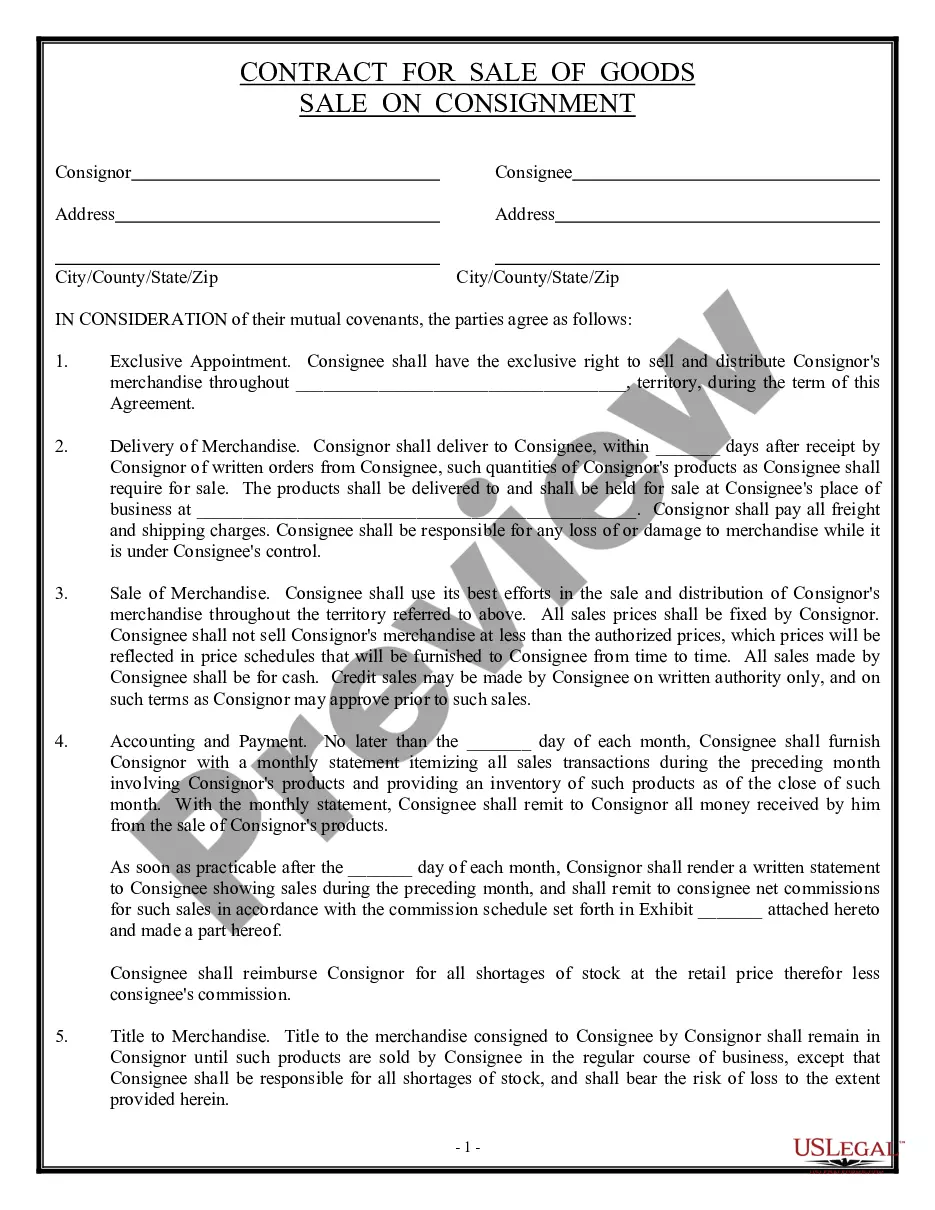
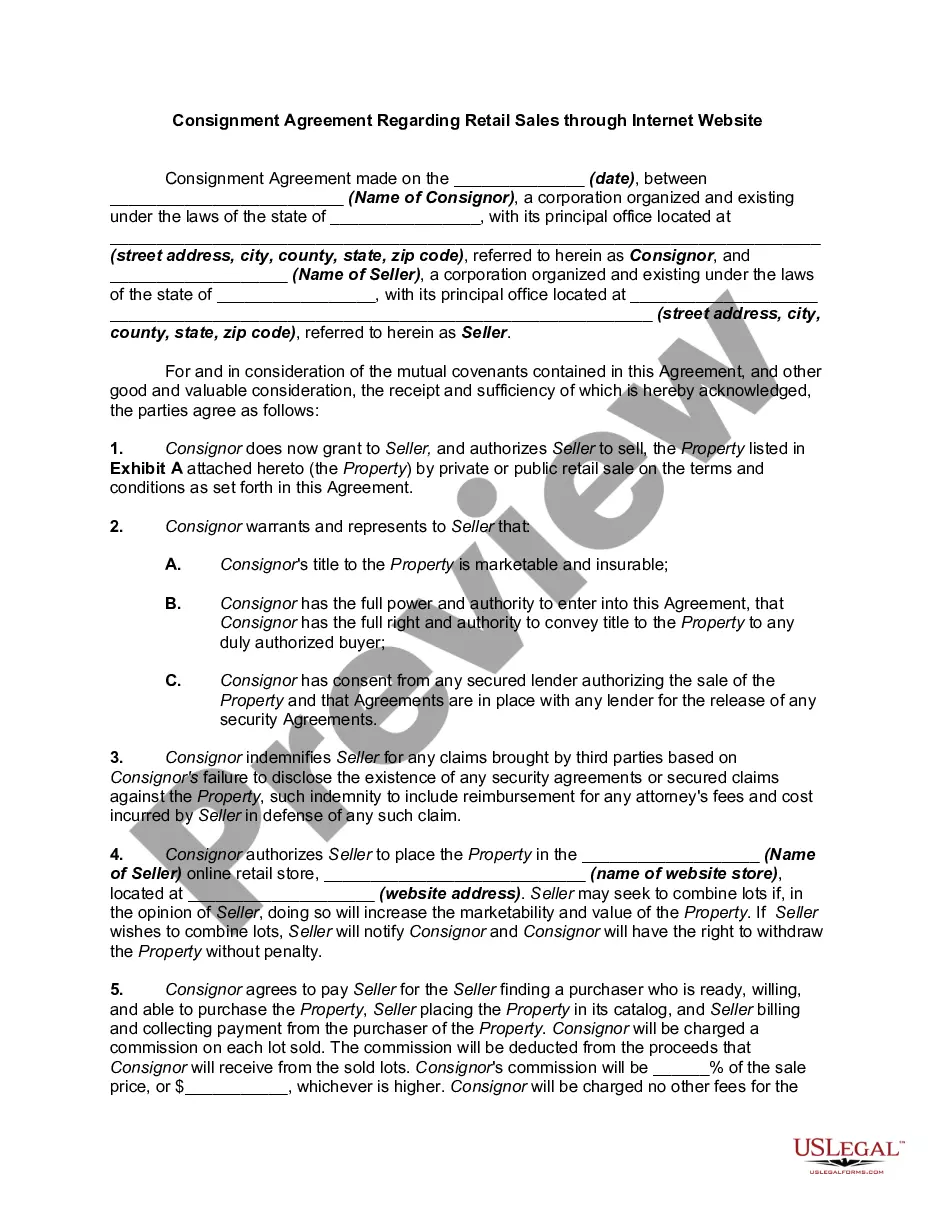
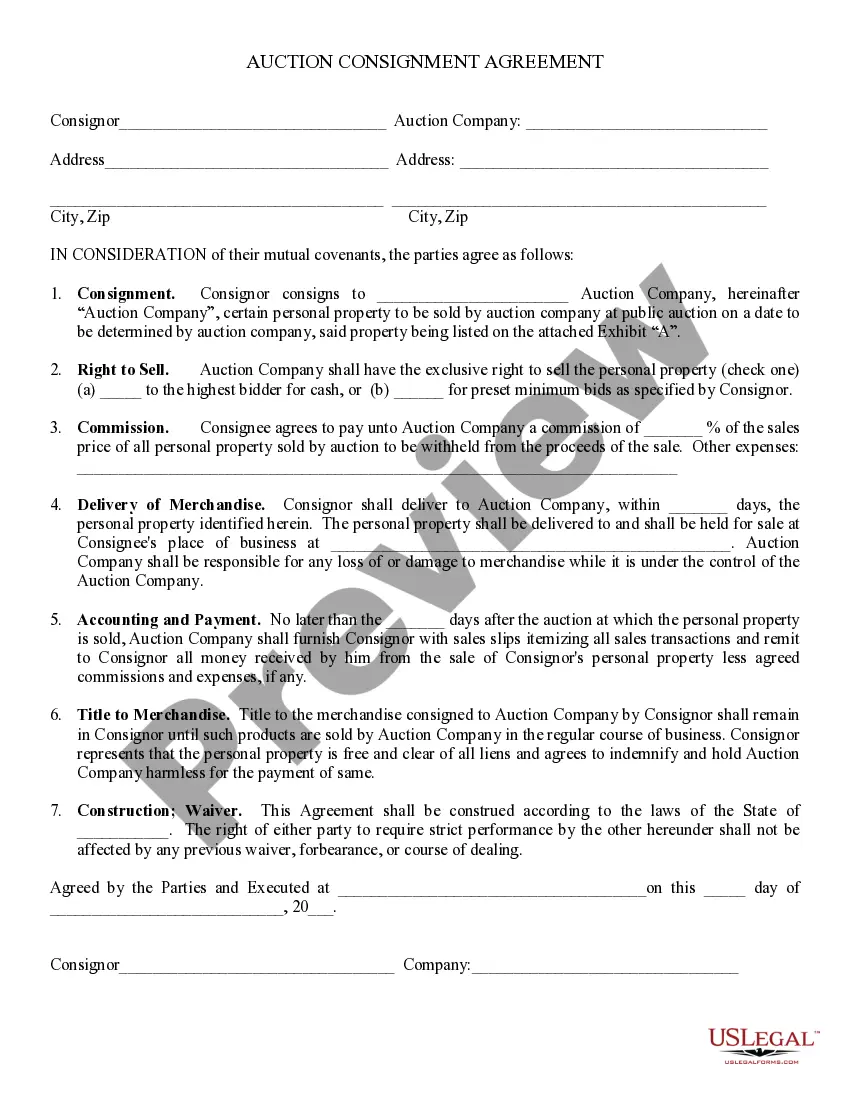
Get your form ready online
Our built-in tools help you complete, sign, share, and store your documents in one place.
Make edits, fill in missing information, and update formatting in US Legal Forms—just like you would in MS Word.
Download a copy, print it, send it by email, or mail it via USPS—whatever works best for your next step.
Sign and collect signatures with our SignNow integration. Send to multiple recipients, set reminders, and more. Go Premium to unlock E-Sign.
If this form requires notarization, complete it online through a secure video call—no need to meet a notary in person or wait for an appointment.
We protect your documents and personal data by following strict security and privacy standards.

Make edits, fill in missing information, and update formatting in US Legal Forms—just like you would in MS Word.

Download a copy, print it, send it by email, or mail it via USPS—whatever works best for your next step.

Sign and collect signatures with our SignNow integration. Send to multiple recipients, set reminders, and more. Go Premium to unlock E-Sign.

If this form requires notarization, complete it online through a secure video call—no need to meet a notary in person or wait for an appointment.

We protect your documents and personal data by following strict security and privacy standards.
Looking for another form?









Form popularity
FAQ
Every retailer selling tangible personal property that will be stored, used, or consumed in Nevada must have a Sales/Use Tax Permit (Retailers) or a Consumer Use Tax Permit (Non-Retailers) (NRS 372.220). Note: You must have a Business License first before registering for a tax permit.
A Nevada resale certificate does not expire. It is valid until the retailer closes its Business and Sales Tax account with the Department. It is good business practice to verify any resale certificate provided by a customer with the Department on a regular basis.
What is “Taxpayer ID” or “Tax ID” or “TID”? Taxpayer ID, Tax ID or TID refers to the 10-digits number assigned to the entity by the Nevada Department of Taxation.
Some customers are exempt from paying sales tax under Nevada law. Examples include government agencies, some nonprofit organizations, and merchants purchasing goods for resale. Sellers are required to collect a valid exemption or resale certificate from buyers to validate each exempt transaction.
Make sure the Nevada resale certificate form is completely filled out – This includes the buyer's name and what they sell, your store name, and a detailed description of the items bought for resale. You should also have the buyer's address and signature.
See Titles. If the vehicle is a 2010 model or older, you may be able to submit the duplicate title forms and a Bill of Sale (VP 104) to transfer ownership. We suggest the buyer and seller complete the transaction at a DMV office. A Bill of Sale by itself is not acceptable.
Do I need a notary public's signature on a Nevada bill of sale? Nevada doesn't require a bill of sale to be notarized. However, having it notarized can provide additional authenticity and may be required by certain entities.
The buyer must fill in their name and their license or ID number. If they hold a Nevada driver'sMoreThe buyer must fill in their name and their license or ID number. If they hold a Nevada driver's license or ID card if there is more than one buyer the second buyer's name and license number must be
The buyer must fill in their name and their license or ID number. If they hold a Nevada driver'sMoreThe buyer must fill in their name and their license or ID number. If they hold a Nevada driver's license or ID card if there is more than one buyer the second buyer's name and license number must be
Make sure the Nevada resale certificate form is completely filled out – This includes the buyer's name and what they sell, your store name, and a detailed description of the items bought for resale. You should also have the buyer's address and signature.
