Consignment Note For Hazardous Waste In Minnesota
Description

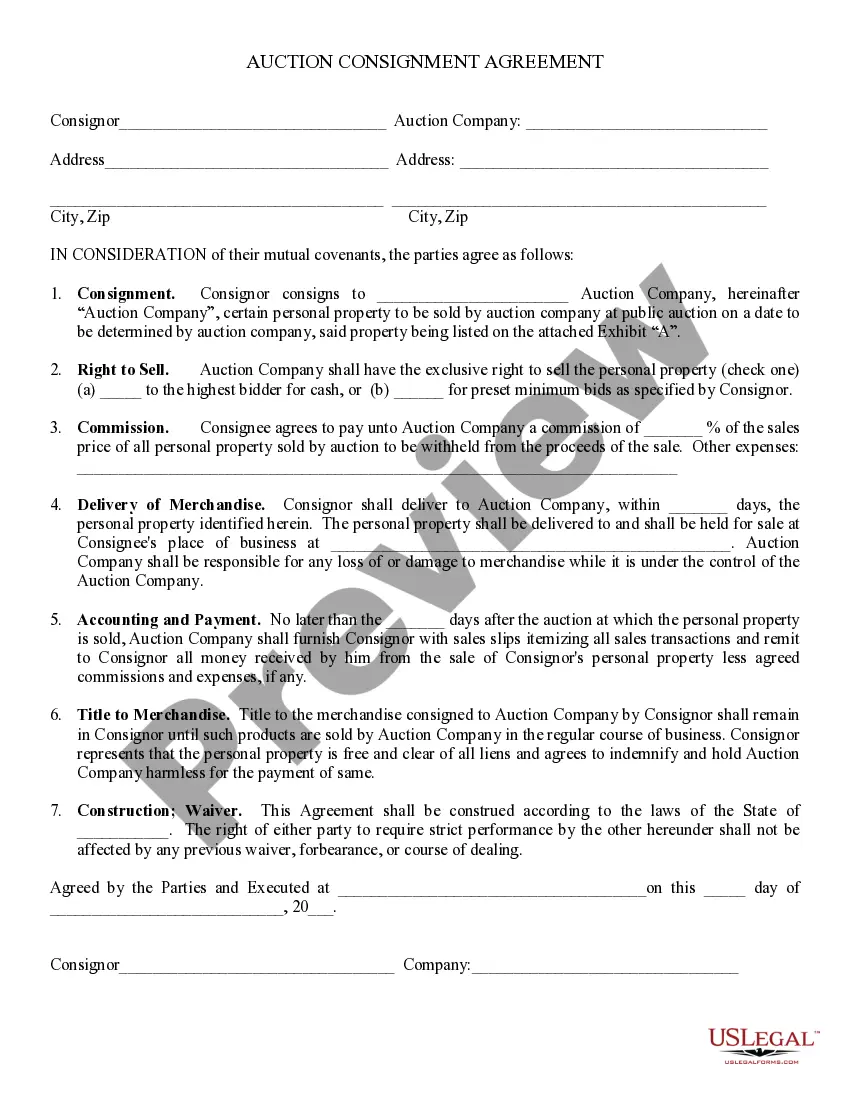
Get your form ready online
Our built-in tools help you complete, sign, share, and store your documents in one place.
Make edits, fill in missing information, and update formatting in US Legal Forms—just like you would in MS Word.
Download a copy, print it, send it by email, or mail it via USPS—whatever works best for your next step.
Sign and collect signatures with our SignNow integration. Send to multiple recipients, set reminders, and more. Go Premium to unlock E-Sign.
If this form requires notarization, complete it online through a secure video call—no need to meet a notary in person or wait for an appointment.
We protect your documents and personal data by following strict security and privacy standards.

Make edits, fill in missing information, and update formatting in US Legal Forms—just like you would in MS Word.

Download a copy, print it, send it by email, or mail it via USPS—whatever works best for your next step.

Sign and collect signatures with our SignNow integration. Send to multiple recipients, set reminders, and more. Go Premium to unlock E-Sign.

If this form requires notarization, complete it online through a secure video call—no need to meet a notary in person or wait for an appointment.

We protect your documents and personal data by following strict security and privacy standards.
Looking for another form?








Form popularity
FAQ
Universal wastes include televisions, computers and other electronic devices as well as batteries, fluorescent lamps, mercury thermostats, and other mercury containing equipment, among others.
Ocean Pads Hazardous Waste Consignment Note Pad HWCN01v112, A4, 3-Parts Triplicate, Carbonless Paper, (Product Ref 70208) Pack 1
We align our work with the Minnesota Waste Management Act, which governs solid waste and materials management activities in the state. Our focus is on: reducing the amount and toxicity of waste generated. reusing materials to avoid more extraction and manufacturing of material.
What Goes in Chemical Waste Containers Flammable solvents from processes like DNA synthesis or HPLC. Acetonitrile, alcohols, xylene, acetone, ethyl acetate, hexane, etc. Mixtures of flammable solvents with 10% or less halogenated solvents.
The estimated chemical concentrations (% by volume) of the wastes in the container. Concentrations must total 100%. The name of the Principal Investigator. Room Number and Building the waste is being removed from.
(a) A transporter of hazardous waste must keep a copy of the manifest signed by the generator, himself, and the next designated transporter or the owner or operator of the designated facility for a period of three years from the date the hazardous waste was accepted by the initial transporter.
Labeling and Marking of Containers and Tanks The words “Hazardous Waste”; The composition and physical state of the waste (for containers only); An indication of the hazards of the contents; The name & address of Generator (for containers only); and. The applicable accumulation period date should be clear and visible.
Hazardous Waste Labeling Name and address of the facility generating the waste. Waste accumulation start date (when the waste started to collect in the container?) Physical state (solid or liquid?) Composition (what is it?)
Besides the start date and the words “hazardous waste,” information should include whether the contents are toxic, reactive or compatible. Apply DOT labels to the container when waste is first placed in the container. The label should be in place for shipment and provides information about the waste to drum handlers.
