Consignment Note For Scheduled Waste Malaysia In Maryland
Description

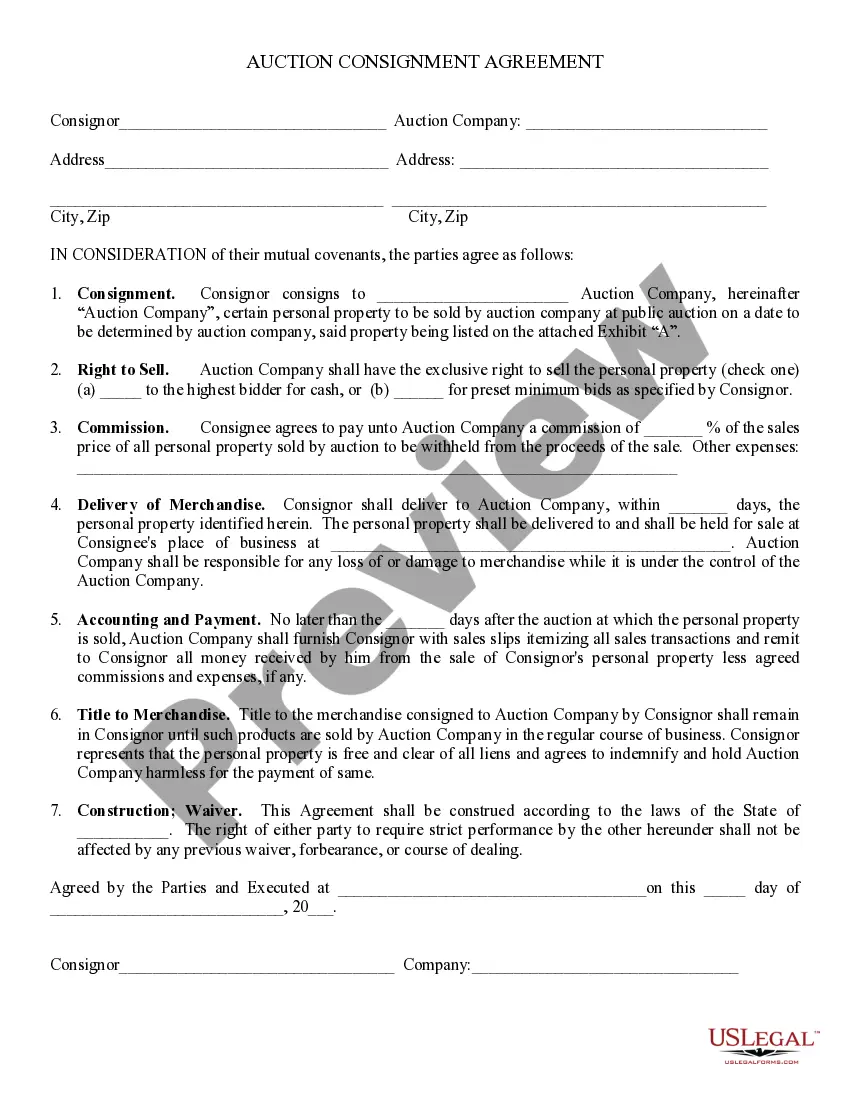
Get your form ready online
Our built-in tools help you complete, sign, share, and store your documents in one place.
Make edits, fill in missing information, and update formatting in US Legal Forms—just like you would in MS Word.
Download a copy, print it, send it by email, or mail it via USPS—whatever works best for your next step.
Sign and collect signatures with our SignNow integration. Send to multiple recipients, set reminders, and more. Go Premium to unlock E-Sign.
If this form requires notarization, complete it online through a secure video call—no need to meet a notary in person or wait for an appointment.
We protect your documents and personal data by following strict security and privacy standards.

Make edits, fill in missing information, and update formatting in US Legal Forms—just like you would in MS Word.

Download a copy, print it, send it by email, or mail it via USPS—whatever works best for your next step.

Sign and collect signatures with our SignNow integration. Send to multiple recipients, set reminders, and more. Go Premium to unlock E-Sign.

If this form requires notarization, complete it online through a secure video call—no need to meet a notary in person or wait for an appointment.

We protect your documents and personal data by following strict security and privacy standards.
Looking for another form?








Form popularity
FAQ
Electronic Scheduled Waste Information Systems (eSWIS)
What is a Consignee? The recipient of the goods being shipped or transported. This person takes ownership of the goods once they have cleared customs and is generally the one responsible for import duties and taxes.
Proper waste disposal and management can be done by applying the 3R – Reduce, Reuse and Recycle. Reducing means lessening the amount of trash/garbage produced. Reusing refers to using materials more than once while recycling means creating new material or product out of trash/garbage.
In contrast to a shipping manifest, a bill of lading is generally provided by those transporting the waste upon pickup. A bill of lading commonly includes information about the shipper, the intended destination, the type of packaging used, the date of pickup, and any special instructions regarding the delivery.
Scheduled waste is any waste that has hazardous characteristics that have the potential to negatively impact the public and the environment.
Waste Hauler means a person or contractor that collects waste from a generator and transports and discharges it at an off-site waste management facility on a commercial basis.
Consignee: A person who receives hazardous waste to recover or dispose of it. The consignee must have an appropriate environmental permit or waste exemption in place in order to accept the waste.
Sustainable waste management means reducing and avoiding the amount of single-use plastic products along with increasing the amount recycled at the same time, which currently stands at just 8.5%.
Local government is responsible for the provision of waste management services, which includes waste removal, waste storage and waste disposal services, as per Schedule 5b of the Constitution.
