Consignment Form Template For Employees
Description

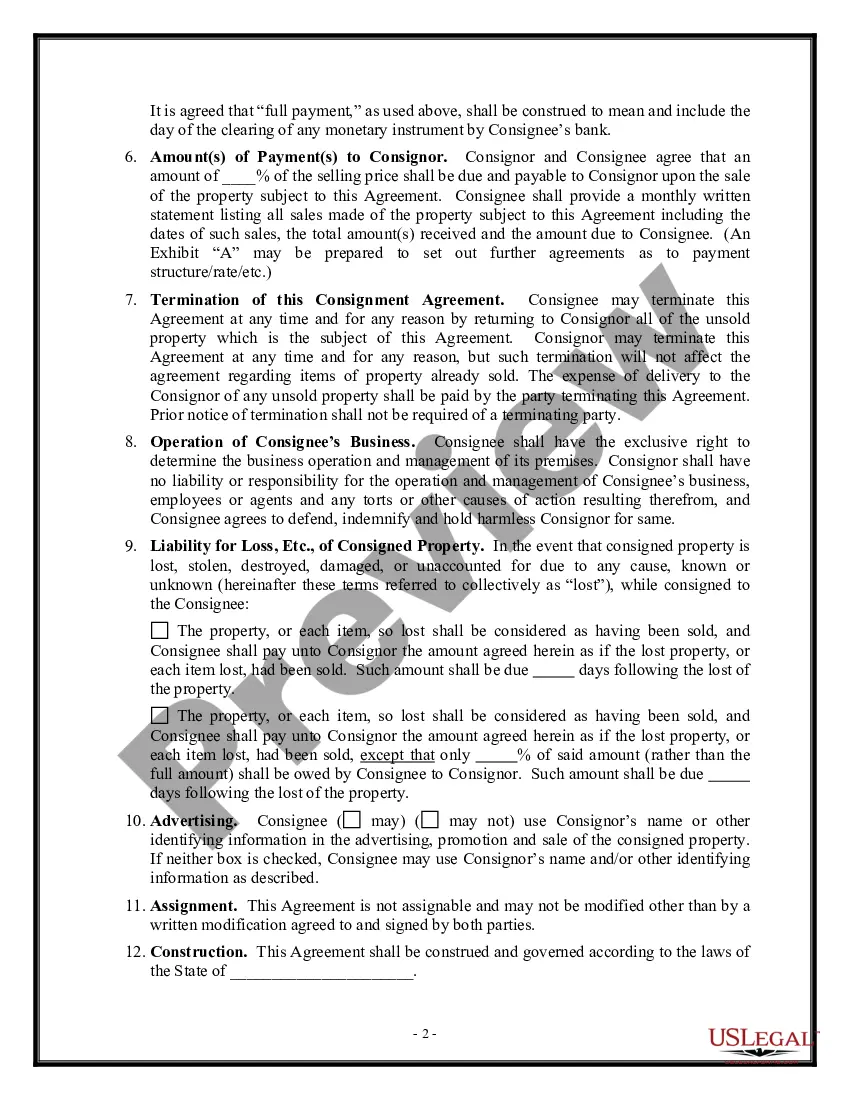
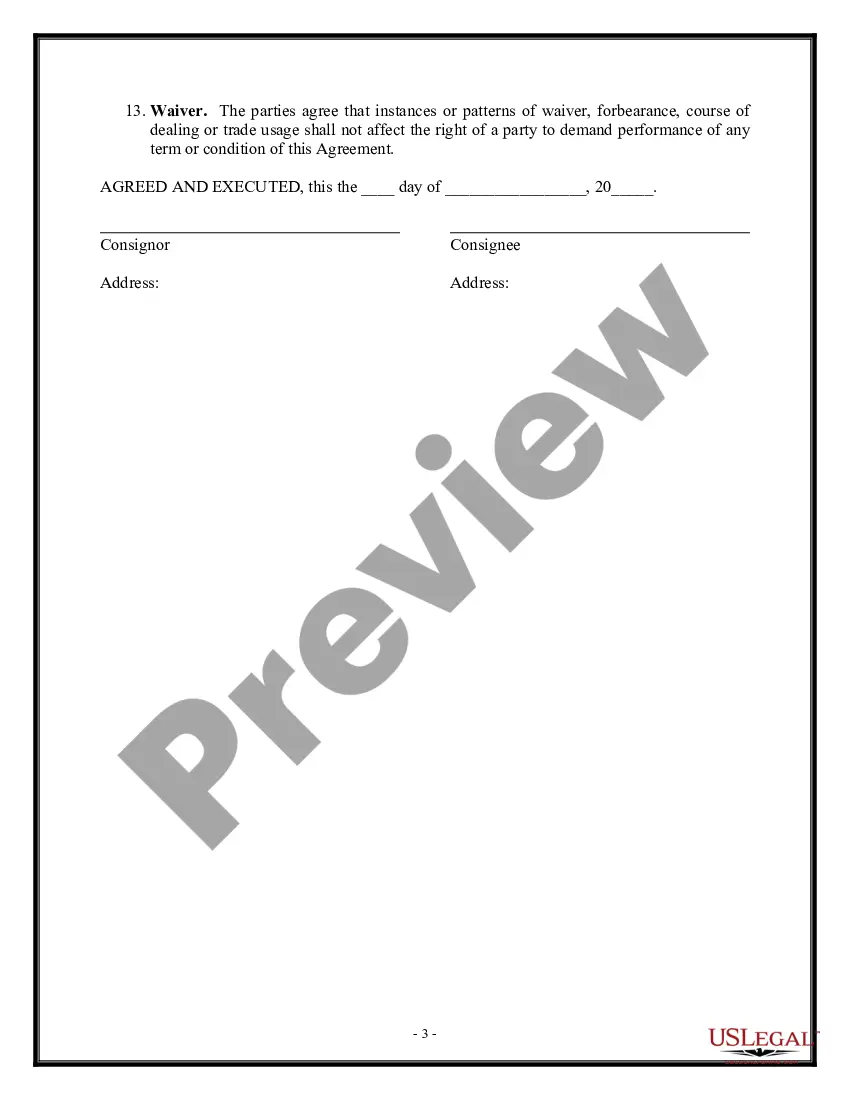
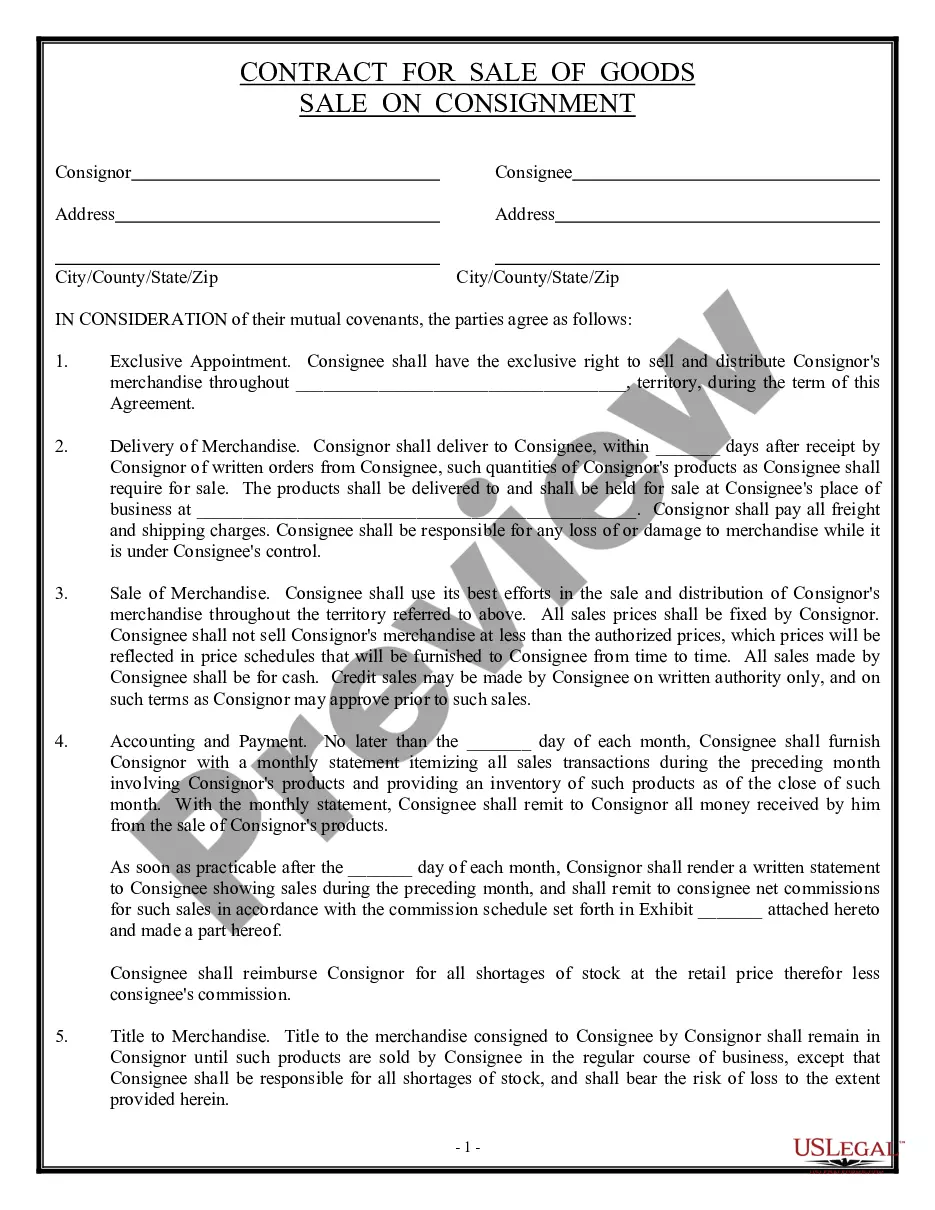
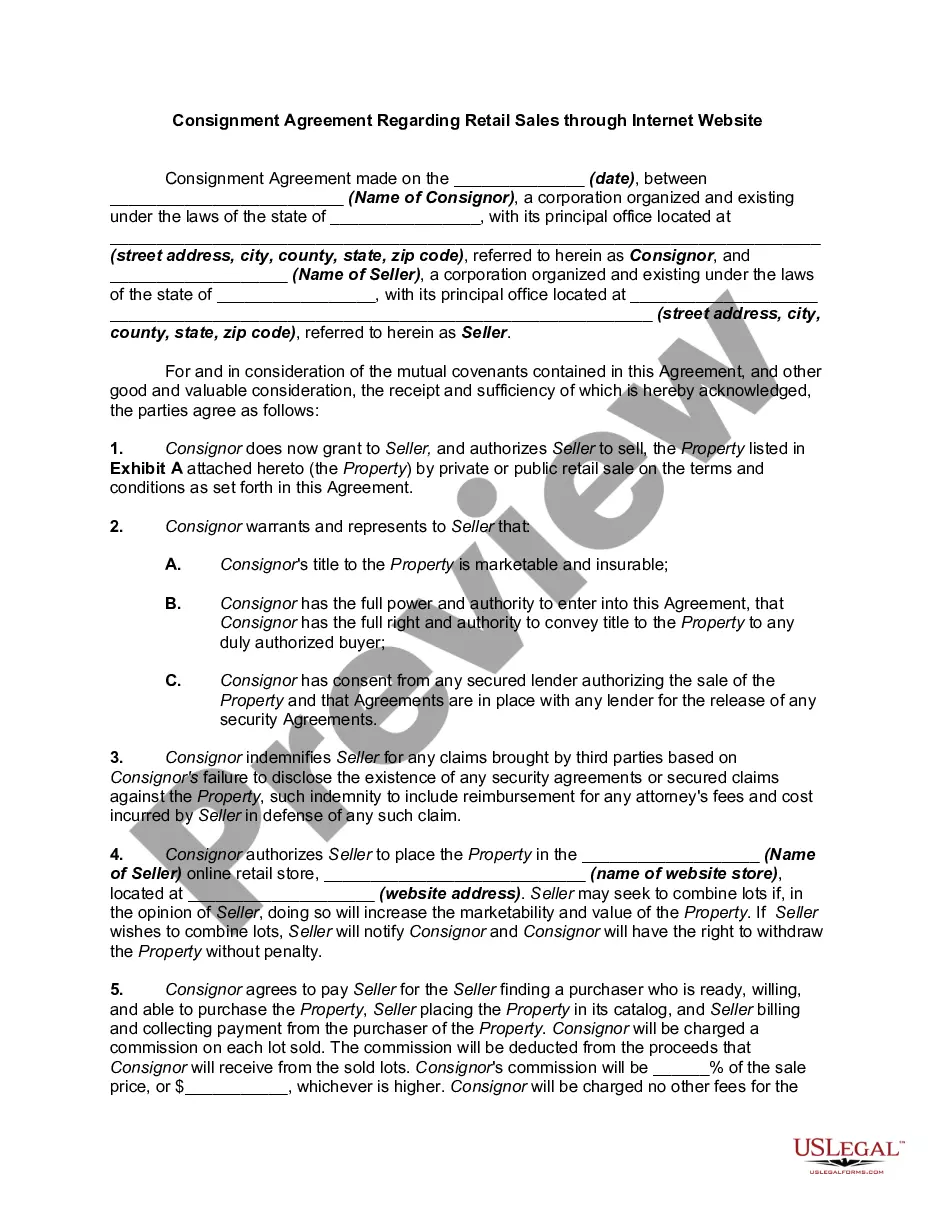
Get your form ready online
Our built-in tools help you complete, sign, share, and store your documents in one place.
Make edits, fill in missing information, and update formatting in US Legal Forms—just like you would in MS Word.
Download a copy, print it, send it by email, or mail it via USPS—whatever works best for your next step.
Sign and collect signatures with our SignNow integration. Send to multiple recipients, set reminders, and more. Go Premium to unlock E-Sign.
If this form requires notarization, complete it online through a secure video call—no need to meet a notary in person or wait for an appointment.
We protect your documents and personal data by following strict security and privacy standards.

Make edits, fill in missing information, and update formatting in US Legal Forms—just like you would in MS Word.

Download a copy, print it, send it by email, or mail it via USPS—whatever works best for your next step.

Sign and collect signatures with our SignNow integration. Send to multiple recipients, set reminders, and more. Go Premium to unlock E-Sign.

If this form requires notarization, complete it online through a secure video call—no need to meet a notary in person or wait for an appointment.

We protect your documents and personal data by following strict security and privacy standards.
Looking for another form?



How to fill out Consignment Agreement?
Securing a reliable source to obtain the latest and pertinent legal templates is a significant part of dealing with bureaucracy.
Selecting the appropriate legal documents requires accuracy and careful consideration, which underscores the necessity to gather samples of the Consignment Form Template For Employees solely from trustworthy providers, such as US Legal Forms. An incorrect template can squander your time and postpone your circumstances.
Eliminate the complications associated with your legal paperwork. Investigate the vast US Legal Forms collection to discover legal templates, evaluate their applicability to your situation, and download them immediately.
- Utilize the library navigation or search bar to locate your template.
- Review the form’s details to confirm it meets the standards of your state and locality.
- Examine the form preview, if available, to verify the template is indeed the one you seek.
- Return to the search and look for the appropriate document if the Consignment Form Template For Employees does not align with your requirements.
- If you are confident about the form’s suitability, download it.
- As an authorized user, click Log in to verify and access your chosen forms in My documents.
- If you do not possess an account yet, click Buy now to acquire the template.
- Choose the pricing plan that matches your preferences.
- Proceed to the registration to finalize your purchase.
- Complete your purchase by selecting a payment method (credit card or PayPal).
- Select the document format for downloading the Consignment Form Template For Employees.
- Once you have the form on your device, you can alter it using the editor or print it out and finish it manually.
Form popularity
FAQ
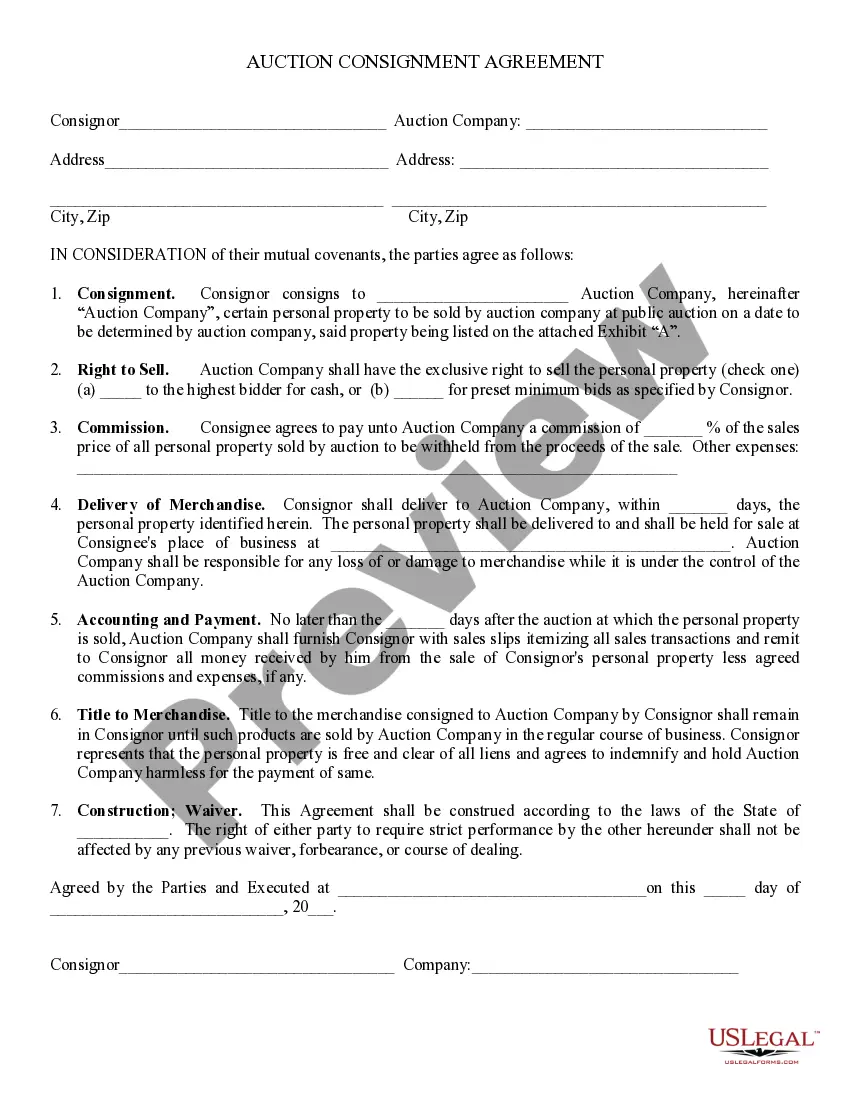
A consignment format refers to the structured layout of a consignment agreement, which typically includes sections for the parties involved, item details, payment terms, and additional clauses. This format ensures clarity and legal validity. To create a professional and effective document, a Consignment form template for employees can be an invaluable tool, providing a ready-to-use format tailored for your needs.
An example of a consignment arrangement could involve an artist placing their artwork in a gallery. The gallery sells the artwork on behalf of the artist and retains a percentage of the sale. To formalize this relationship, a Consignment form template for employees can be utilized, ensuring both parties understand their rights and obligations.
To create a simple agreement, start by clearly stating the purpose of the document. Include the names and contact details of all parties involved, along with the terms and conditions of the agreement. Using a Consignment form template for employees can provide you with a structured format that ensures you cover all necessary elements, making the process easier and more efficient.
A consignment agreement is a legal document in which a third party sells the goods. The party that sells the goods on consignment (the Consignee) receives a portion of the profits, either as a flat rate fee or commission for selling the goods on behalf of the Consignor who owns right and title to the goods.
A consignment agreement is a contract between the consignor and the consignee, and should include these basic provisions: Parties. Provide the names and addresses of the consignor and the consignee. Item(s) for sale. ... Pricing. ... Payment. ... Expenses. ... Record-keeping. ... Ownership. ... Insurance.
A consignment agreement is a contract that places an item the consignor (or owner) owns with the consignee (or seller) for the consignee to sell. The consignee often takes a commission or fee and then the remainder of the sale price is paid to the consignor.
3. Consignment agreement instructions Introduction of Parties. Identifies the parties and the date of the agreement. ... Recitals. ... Section 1: Consigned property. ... Section 2: Delivery of goods. ... Section 3: Consignment period. ... Section 4: Efforts to sell. ... Section 5: Title to products. ... Section 6: Payment; commission.
Consignment is an arrangement in which goods are left with a third party to sell. The party that sells the goods on consignment receives a portion of the profits, either as a flat rate fee or commission. Selling via a consignment arrangement can be a low-commission, low-time-investment way of selling items or services.