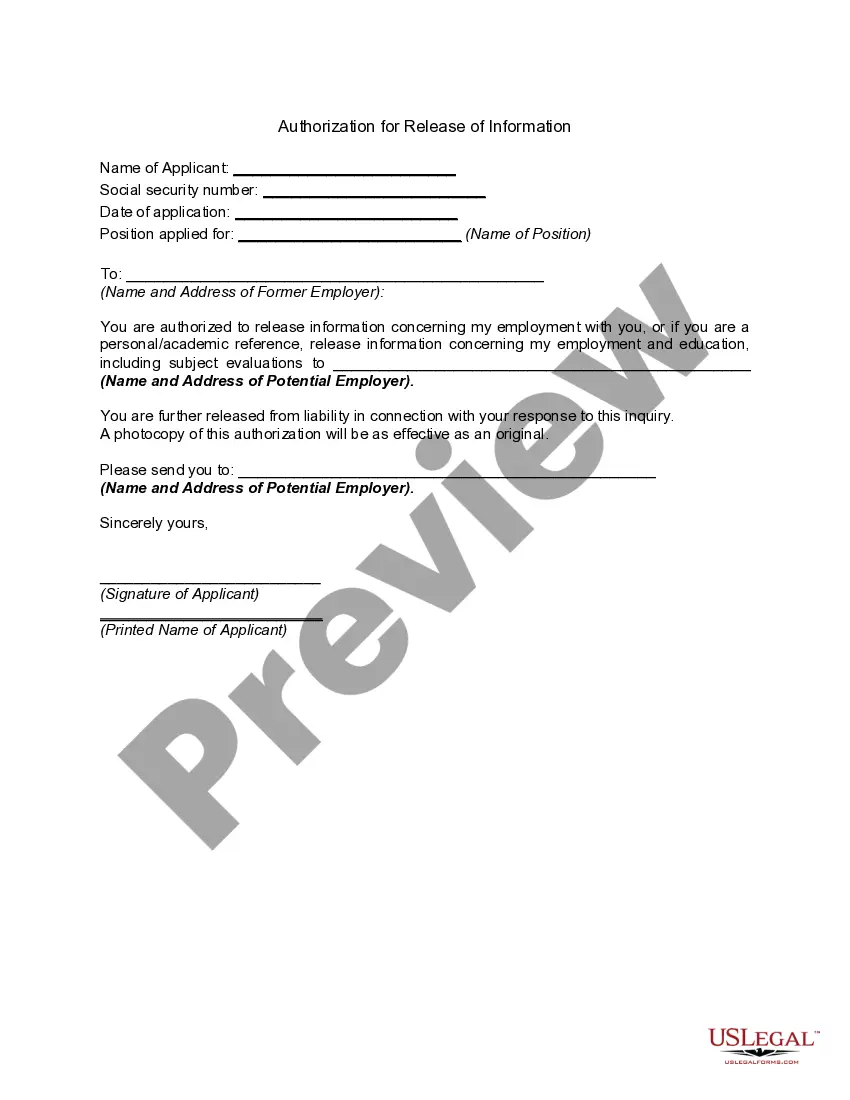
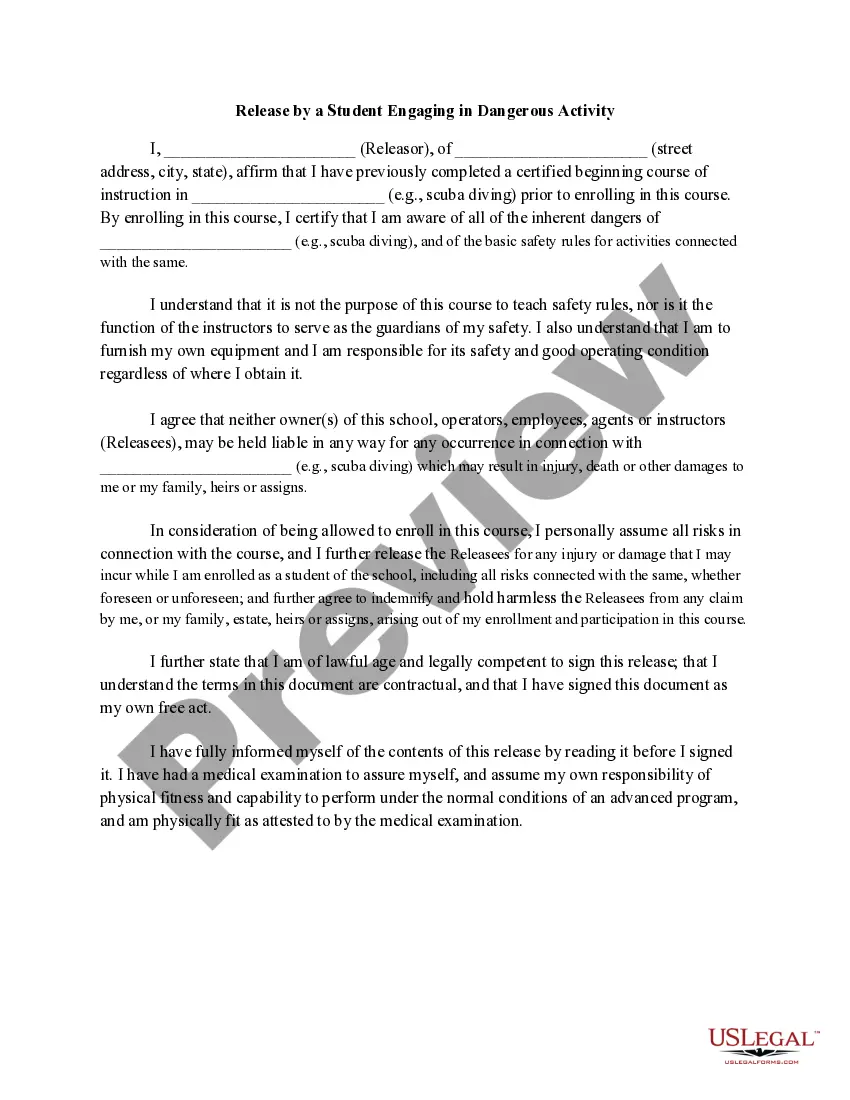
Consent Release Form With Notary In Georgia
Description
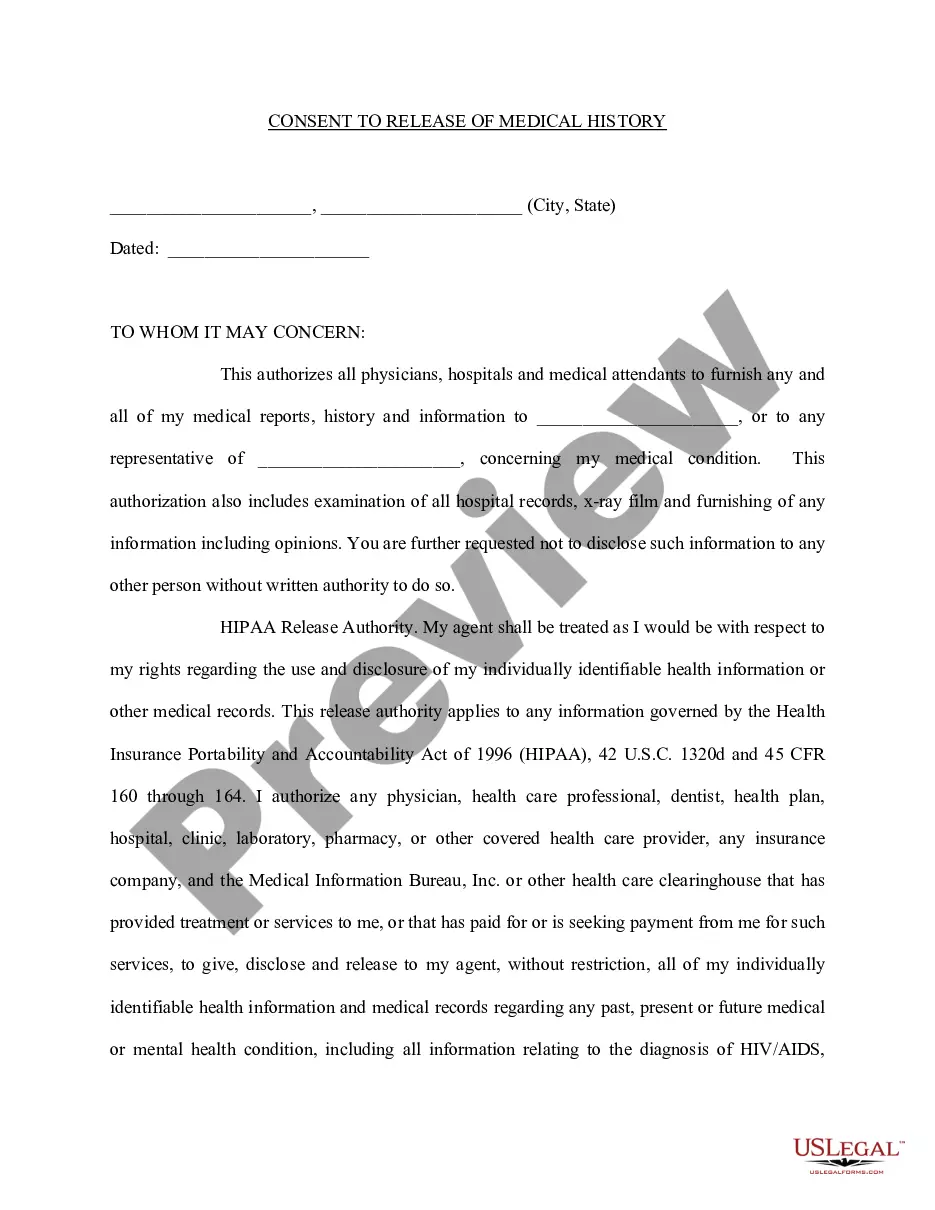
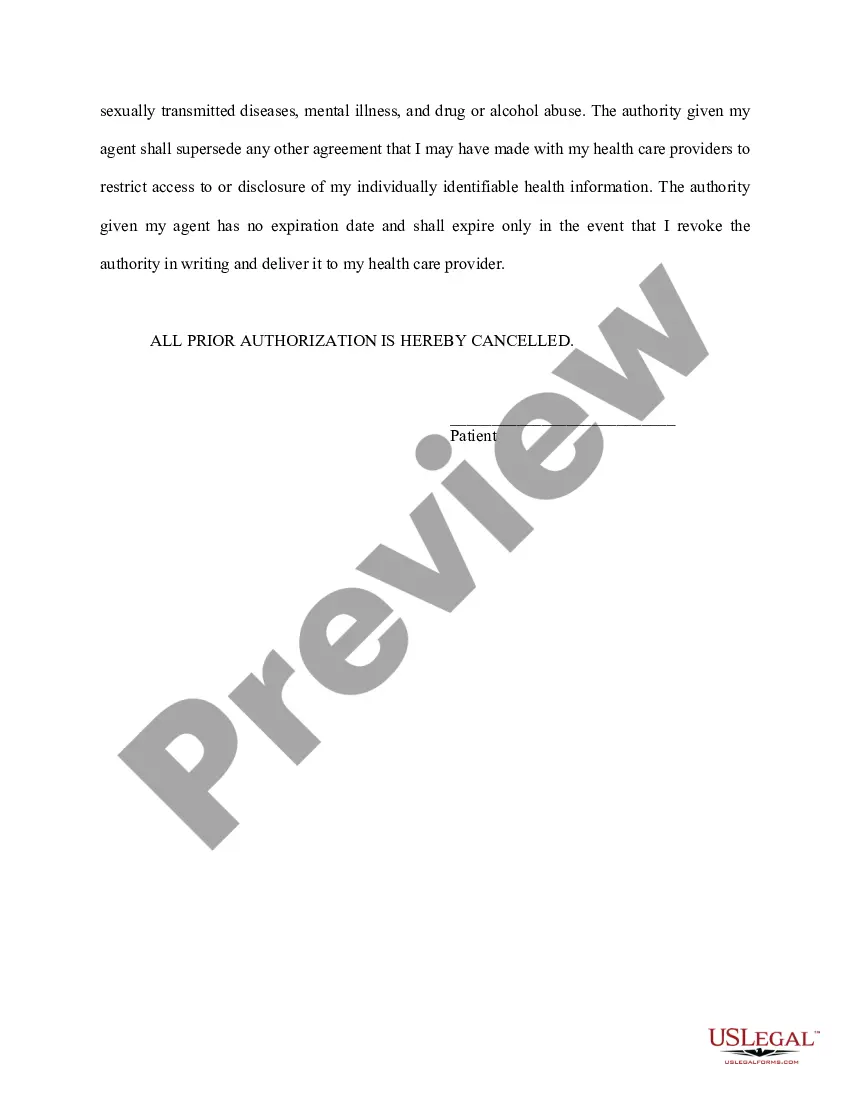

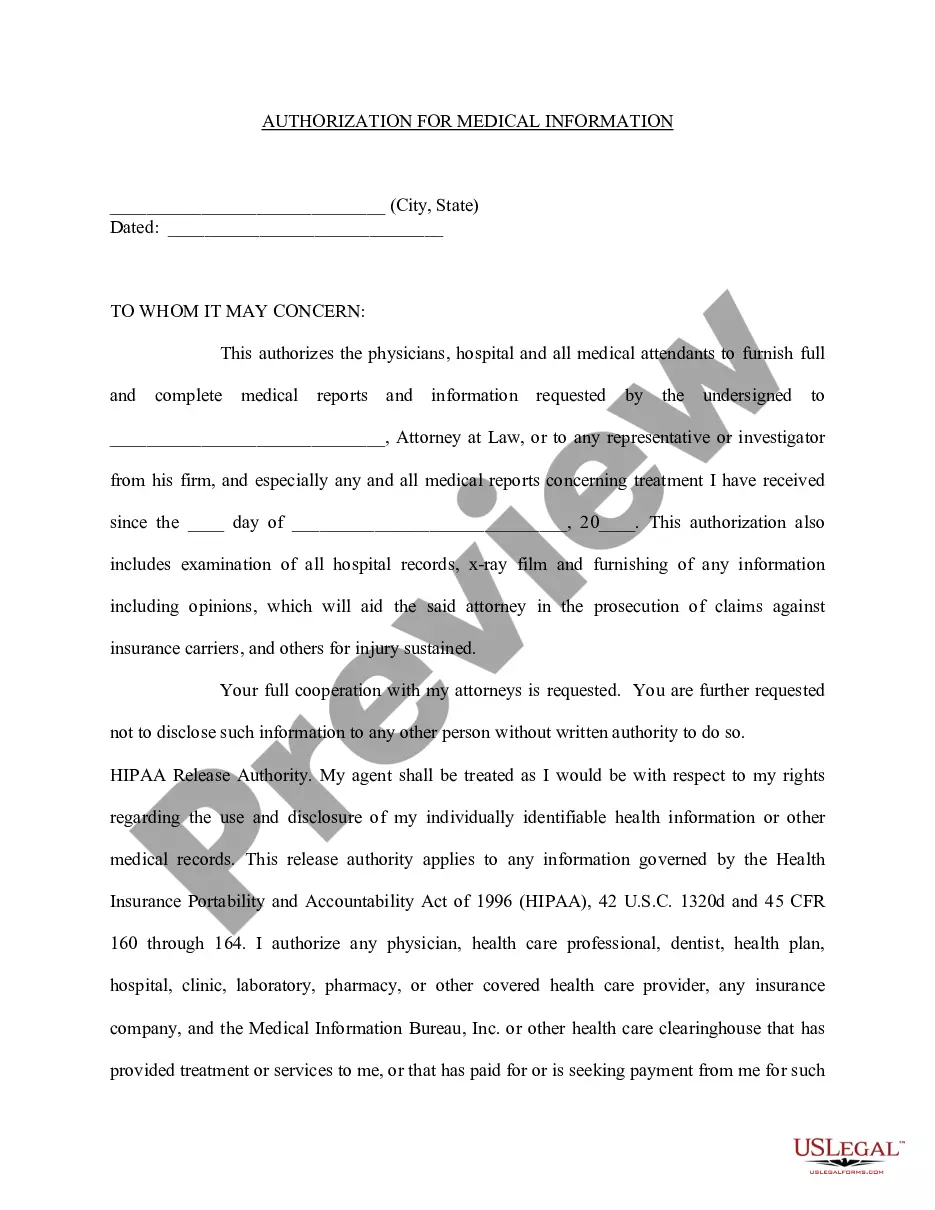
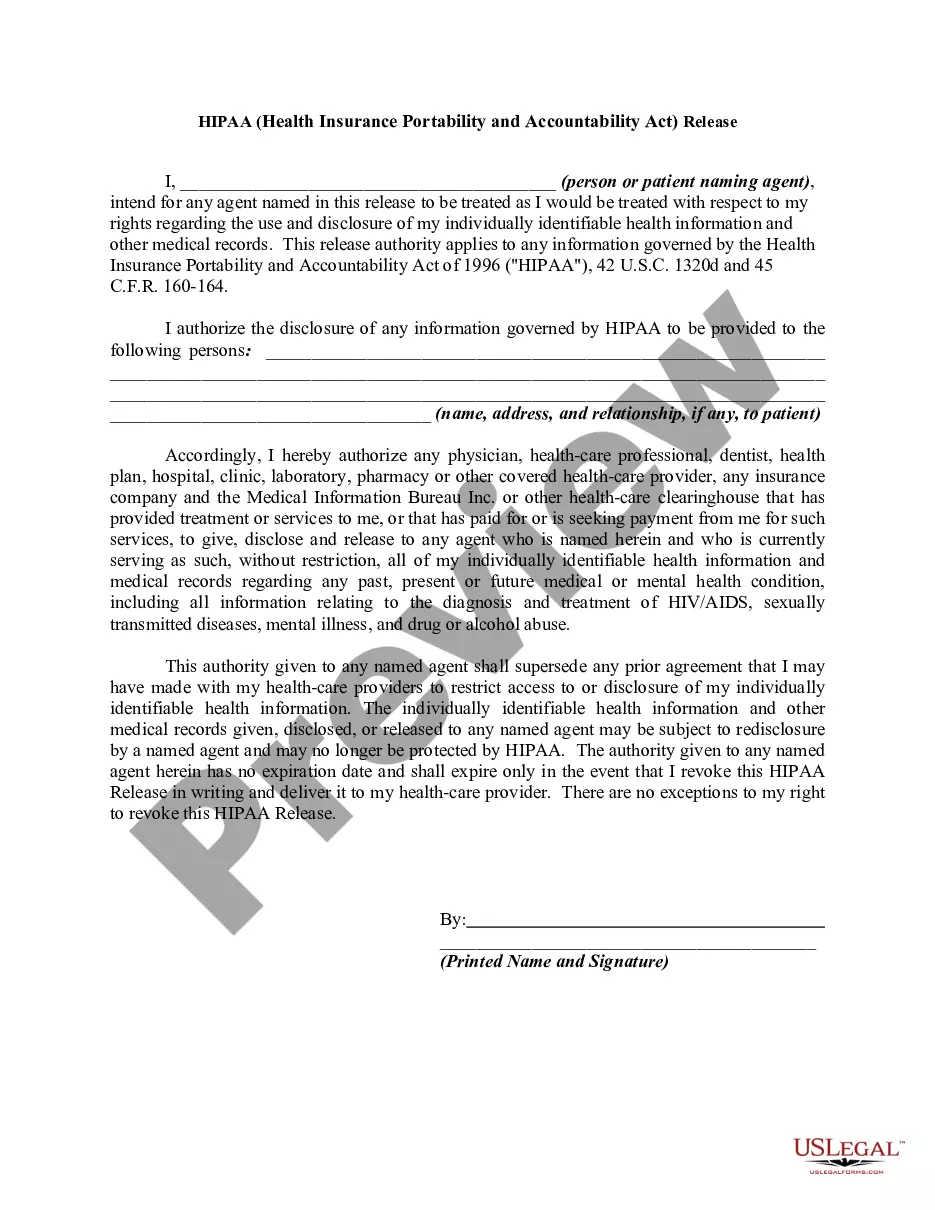
Get your form ready online
Our built-in tools help you complete, sign, share, and store your documents in one place.
Make edits, fill in missing information, and update formatting in US Legal Forms—just like you would in MS Word.
Download a copy, print it, send it by email, or mail it via USPS—whatever works best for your next step.
Sign and collect signatures with our SignNow integration. Send to multiple recipients, set reminders, and more. Go Premium to unlock E-Sign.
If this form requires notarization, complete it online through a secure video call—no need to meet a notary in person or wait for an appointment.
We protect your documents and personal data by following strict security and privacy standards.

Make edits, fill in missing information, and update formatting in US Legal Forms—just like you would in MS Word.

Download a copy, print it, send it by email, or mail it via USPS—whatever works best for your next step.

Sign and collect signatures with our SignNow integration. Send to multiple recipients, set reminders, and more. Go Premium to unlock E-Sign.

If this form requires notarization, complete it online through a secure video call—no need to meet a notary in person or wait for an appointment.

We protect your documents and personal data by following strict security and privacy standards.
Looking for another form?







Form popularity
FAQ
In summary, notarized documents do not expire and remain valid indefinitely unless there are specific laws or regulations that require them to be updated or renewed. It is important to understand your local laws in order to ensure that all documents remain up-to-date and legally binding.
Is online notarization legal in Georgia? Yes, an online notarization is valid and enforceable in Georgia because of interstate recognition. Even though Georgia does not have a remote online notarization (RON) law, Georgia recognizes notarizations that are properly performed by notaries of other states.
(a) Notaries public shall have authority to: (1) Witness or attest signature or execution of deeds and other written instruments; (2) Take acknowledgments; (3) Administer oaths and affirmations in all matters incidental to their duties as commercial officers and all other oaths and affirmations which are not by law ...
Under Georgia law, for a contract to be valid, there must be an offer, acceptance, consideration, and mutual assent. See O.C.G.A. § 13-3-1. In the context of email communications, an offer can be made through an email, or contemporaneous emails, containing terms of a proposed agreement.
Make certified copies, provided that the document presented for copying is an original document and is neither a public record nor a publicly recorded document, certified copies of which are available from an official source other than a notary; and provided that the document was photocopied under supervision of the ...
Starting January 1, 2025, Georgia's notaries public must comply with new provisions enacted by House Bill 1292. The law introduces updates to the obligations of notaries, focusing on journal-keeping, identity verification, and training requirements.
5. The Notary Chamber of Georgia is a legal entity of public law. 1. A notarial act is performed by a notary in the cases prescribed by this Law upon the request of an individual or legal entity and it has legal effect.
In order to complete an online notarization in Georgia, you'll need the following: An original, unsigned document (Don't sign it before uploading! ... A computer, iPhone, or Android phone with audio and video capabilities. A valid government–issued photo ID. A U.S. social security number for secure identity verification.
A notarized letter or document is certified by a notary public, a licensed public officer who serves as an impartial witness to the signing of documents and establishes the authenticity of the signatures. A notary's signature and seal are required to authenticate the signature on your letter or legal document.
How to draft a contract in 13 simple steps Start with a contract template. Understand the purpose and requirements. Identify all parties involved. Outline key terms and conditions. Define deliverables and milestones. Establish payment terms. Add termination conditions. Incorporate dispute resolution.
