Authorization Release Form For Medical Records In Florida
Description
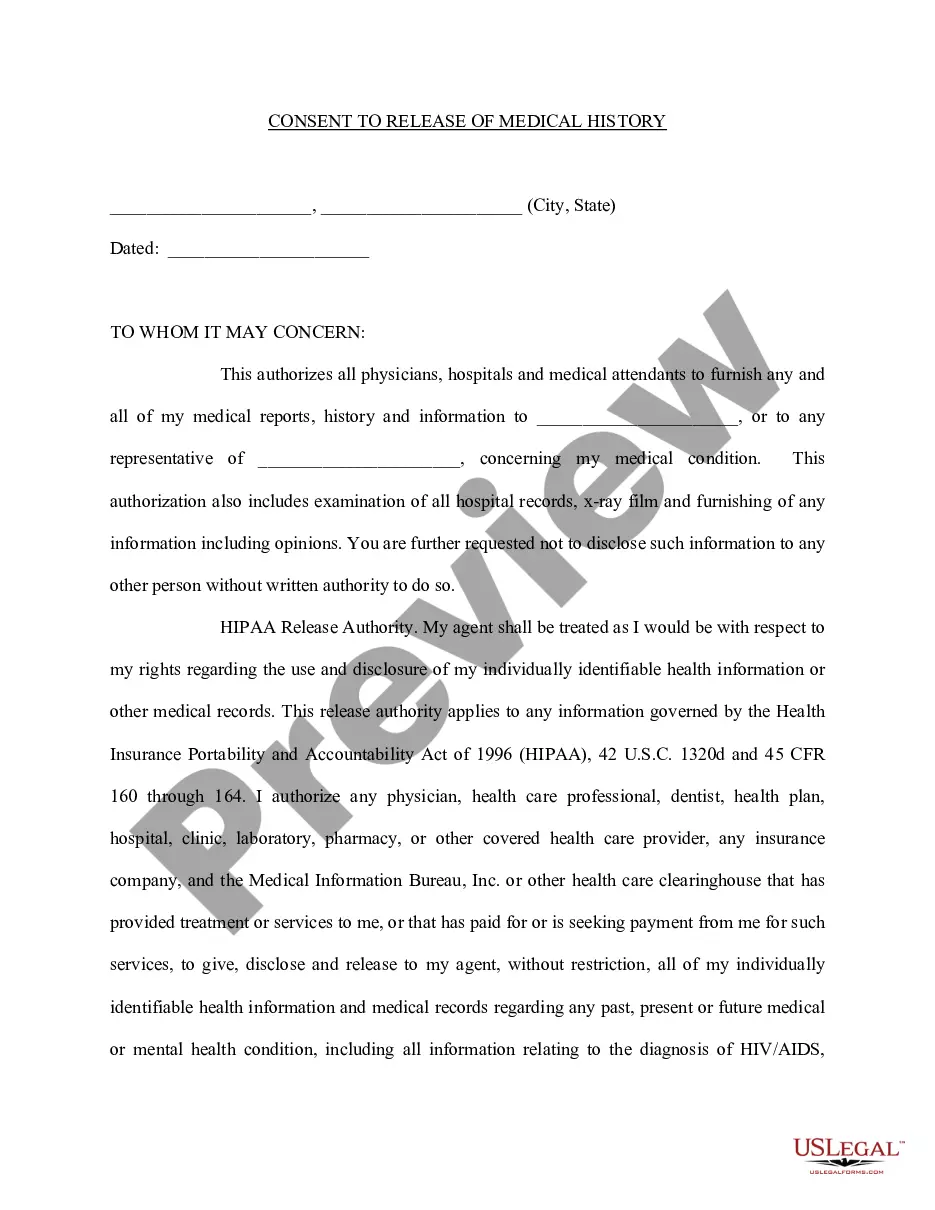
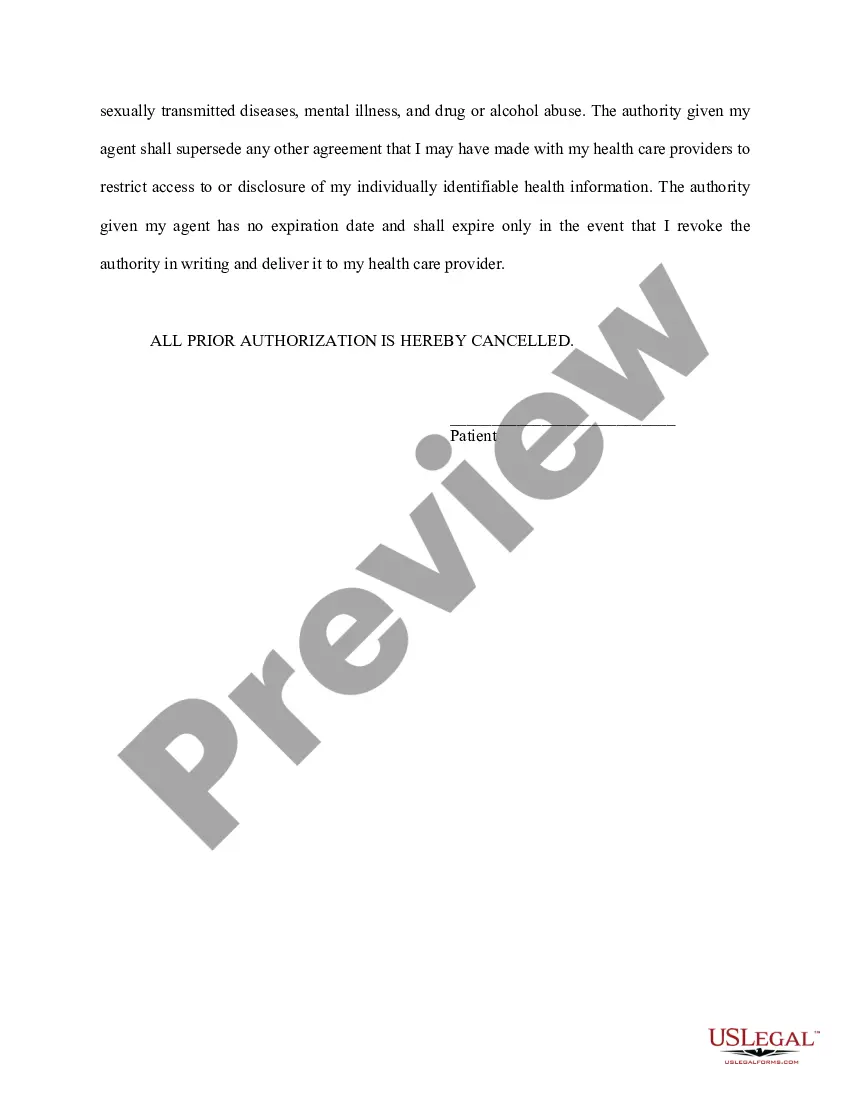

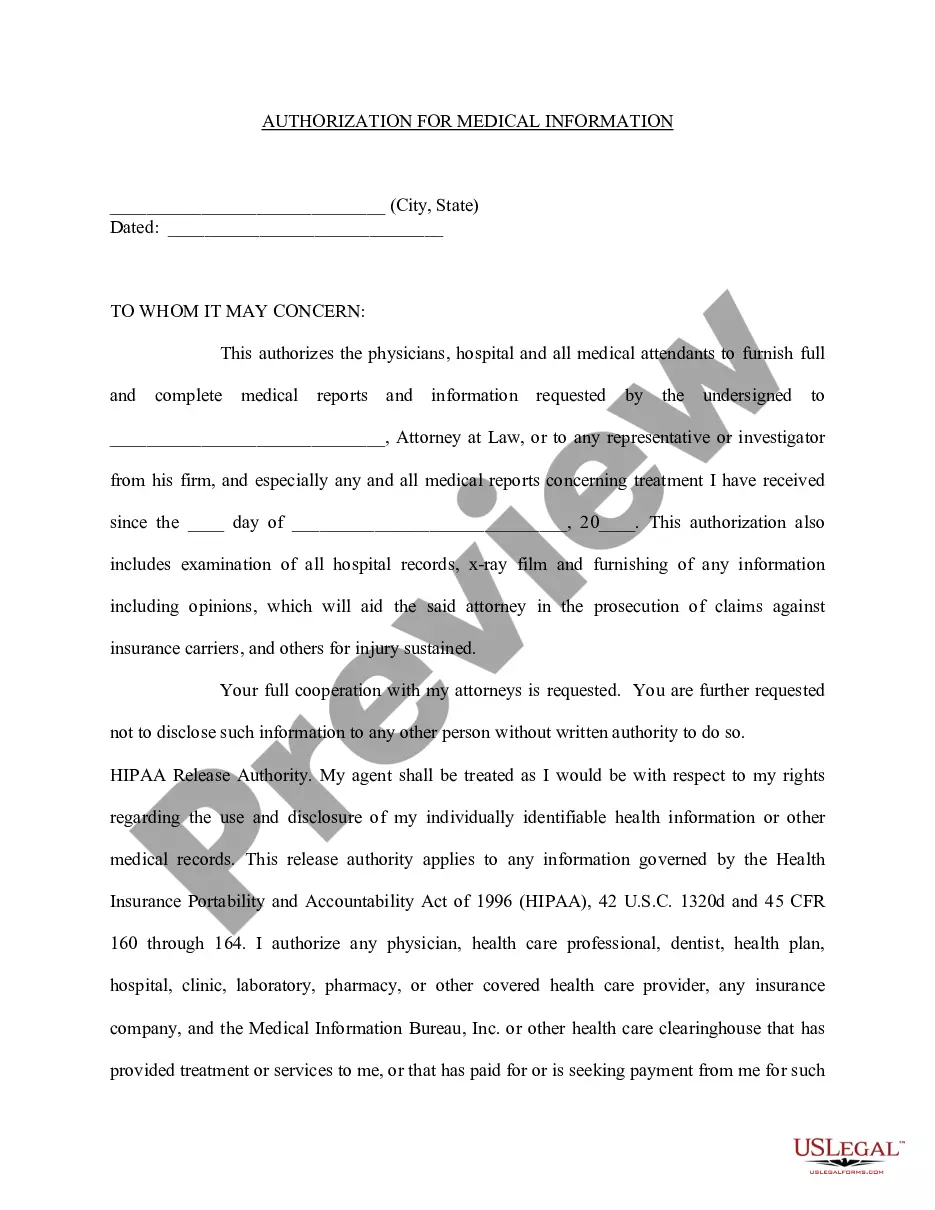
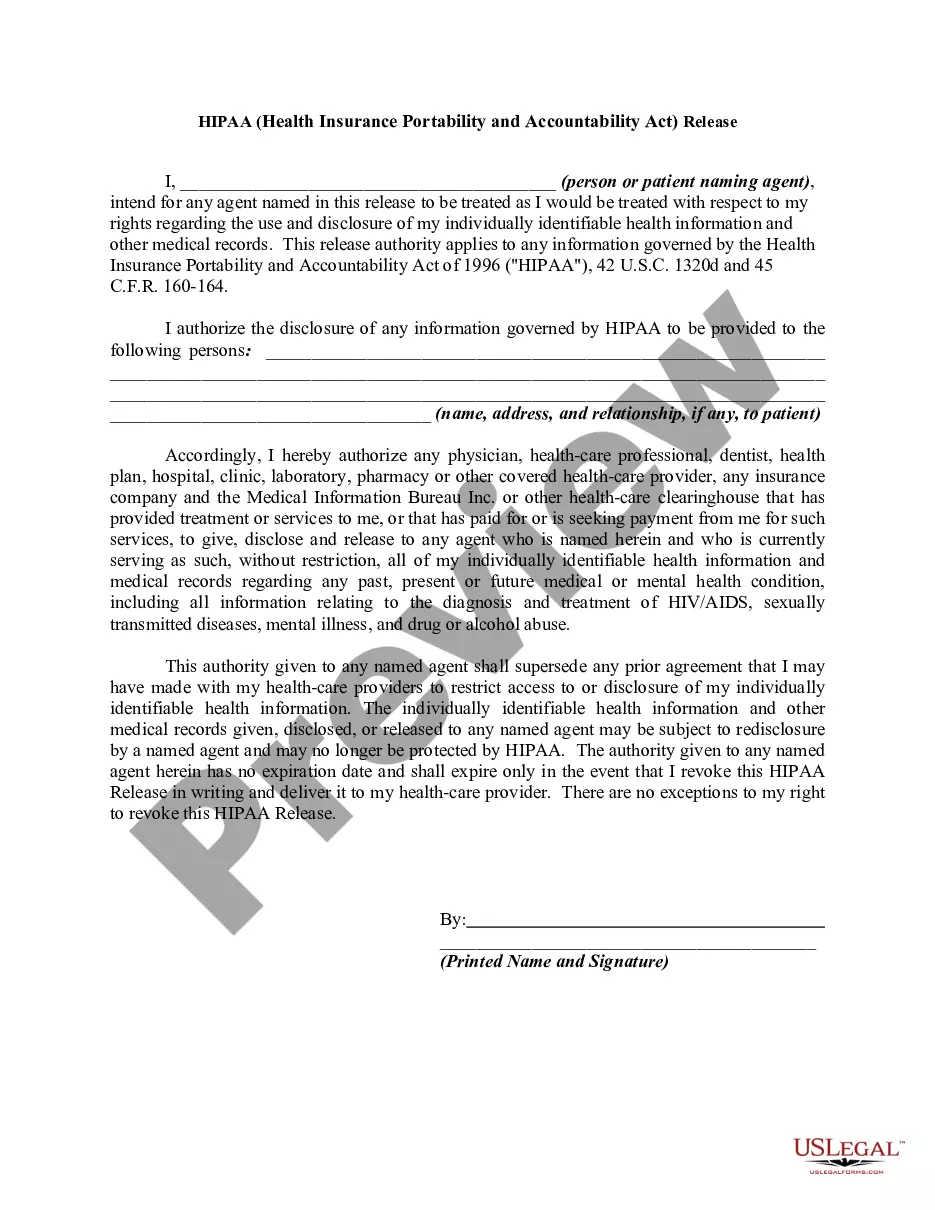
Get your form ready online
Our built-in tools help you complete, sign, share, and store your documents in one place.
Make edits, fill in missing information, and update formatting in US Legal Forms—just like you would in MS Word.
Download a copy, print it, send it by email, or mail it via USPS—whatever works best for your next step.
Sign and collect signatures with our SignNow integration. Send to multiple recipients, set reminders, and more. Go Premium to unlock E-Sign.
If this form requires notarization, complete it online through a secure video call—no need to meet a notary in person or wait for an appointment.
We protect your documents and personal data by following strict security and privacy standards.

Make edits, fill in missing information, and update formatting in US Legal Forms—just like you would in MS Word.

Download a copy, print it, send it by email, or mail it via USPS—whatever works best for your next step.

Sign and collect signatures with our SignNow integration. Send to multiple recipients, set reminders, and more. Go Premium to unlock E-Sign.

If this form requires notarization, complete it online through a secure video call—no need to meet a notary in person or wait for an appointment.

We protect your documents and personal data by following strict security and privacy standards.
Looking for another form?







Form popularity
FAQ
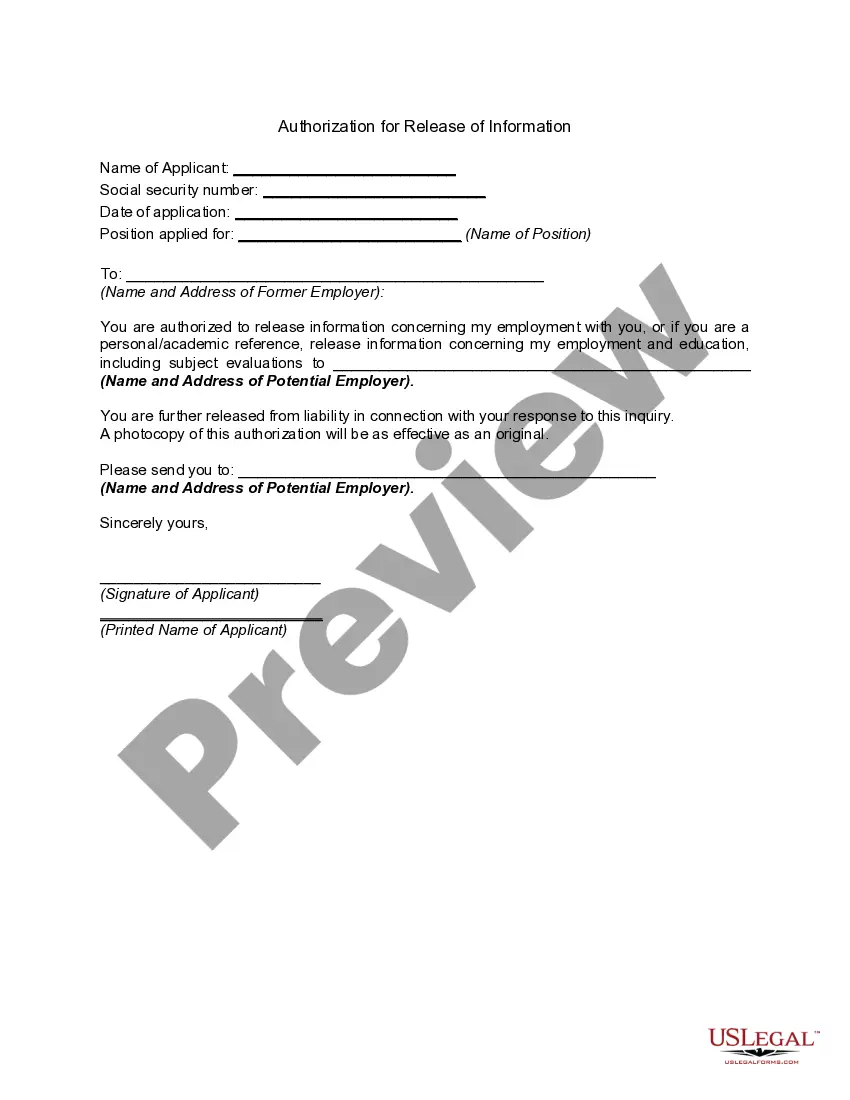
Florida law requires patient authorization for disclosure of some sensitive health data with certain exceptions in medical emergencies. An authorization form can be used by a patient or his/her authorized legal representative to authorize a healthcare provider to obtain the patient's records from another provider.
(1) As used in this section, the term “records owner” means any health care practitioner who generates a medical record after making a physical or mental examination of, or administering treatment or dispensing legend drugs to, any person; any health care practitioner to whom records are transferred by a previous ...
If you believe that a doctor is wrongfully denying you or a loved one access to your medical records, you can file a complaint with the Florida Department of Health. If you suffered harm due to the loss of your medical records, you may need to go one step further and file a medical malpractice lawsuit.
To request a copy of your records, complete the Authorization to Disclose Confidential Information form and bring it to the Medical Records department. You may also fill out the form at the Records window. You may request records for your children until they turn 18. There are some exceptions.
Release of Information Authorization Under the HIPAA Privacy Rule, when a release of information is intended for purposes other than medical treatment, healthcare operations, or payment, you'll need to sign an authorization for ROI.
Florida law requires patient authorization for disclosure of some sensitive health data with certain exceptions in medical emergencies. An authorization form can be used by a patient or his/her authorized legal representative to authorize a healthcare provider to obtain the patient's records from another provider.
A Florida patient generally must given written consent to the release of medical records. Florida physicians, meanwhile, must report cases of tuberculosis and STDs to the state Department of Health.
Content for a valid authorization includes: The name of the person or entity authorized to make the request (usually the patient) The complete name of the person or entity to receive the protected health information (PHI) A specific description of the information to be used or disclosed, including the dates of service.
