Consent Release Form With More Costly Wrapping In Clark
Description
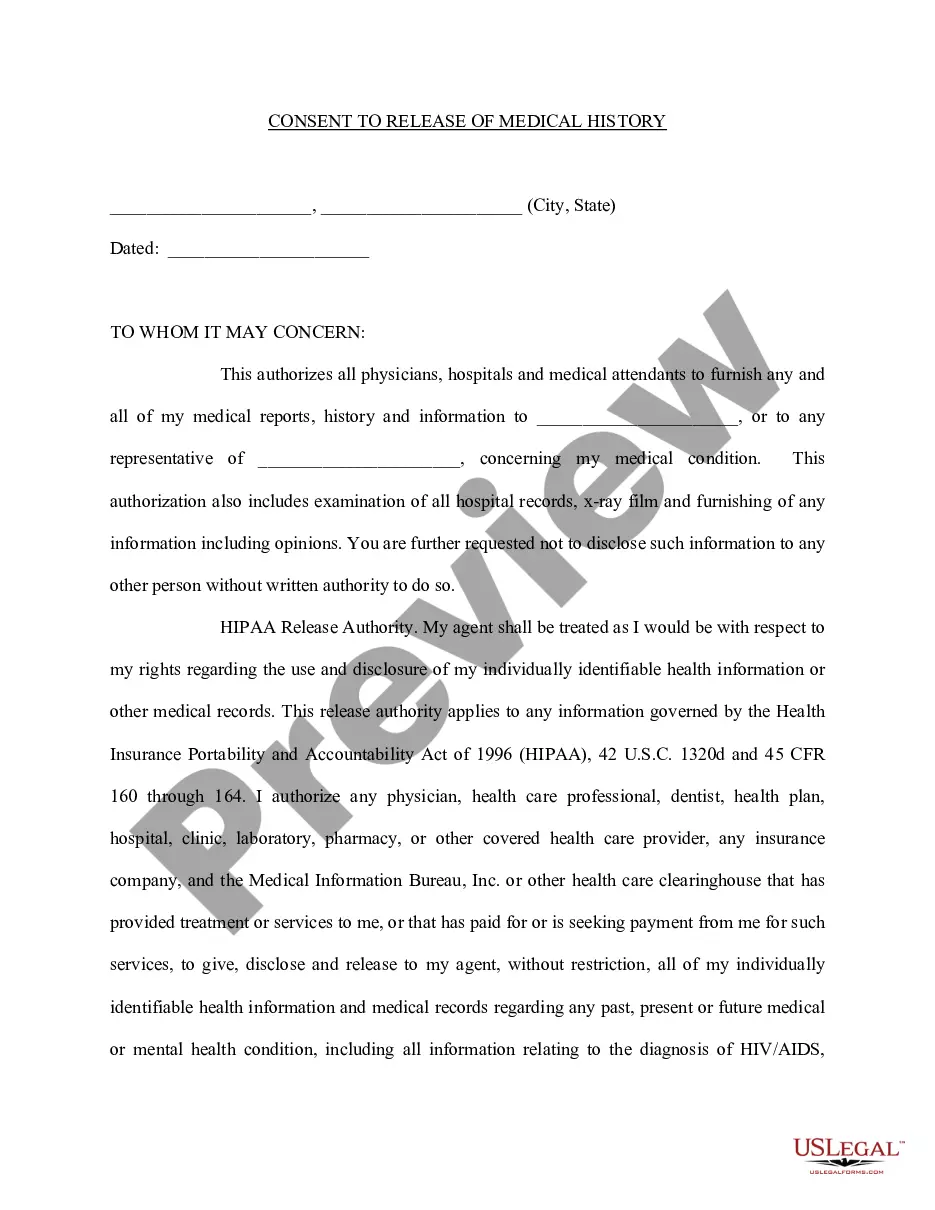
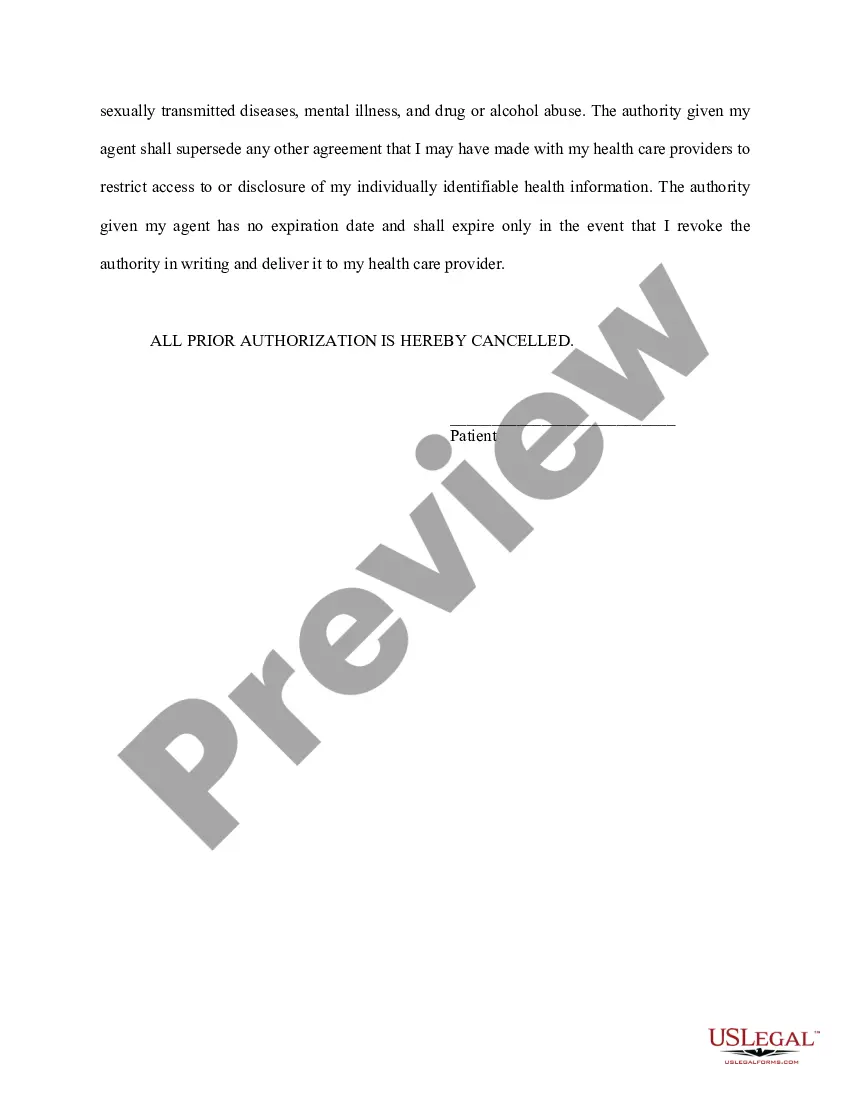

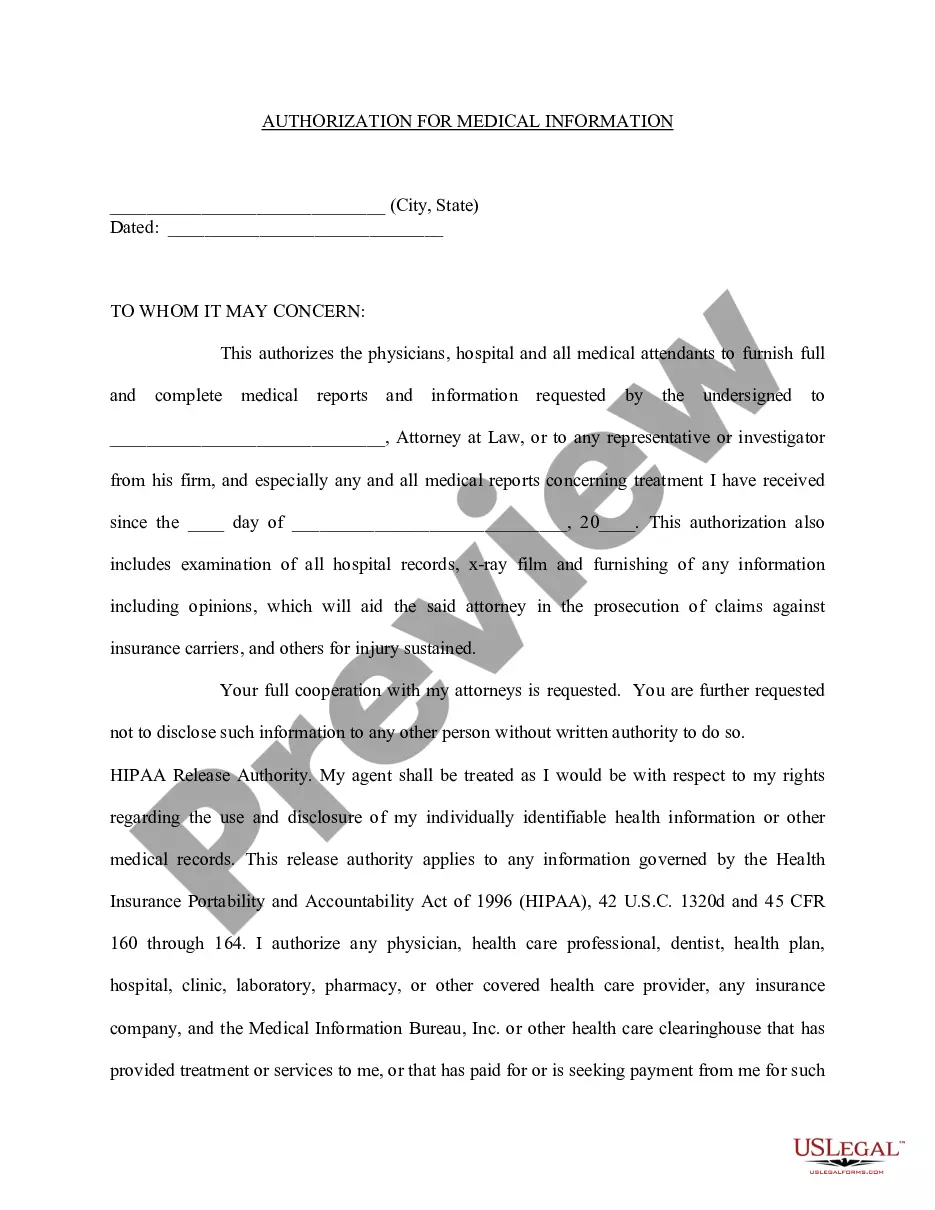
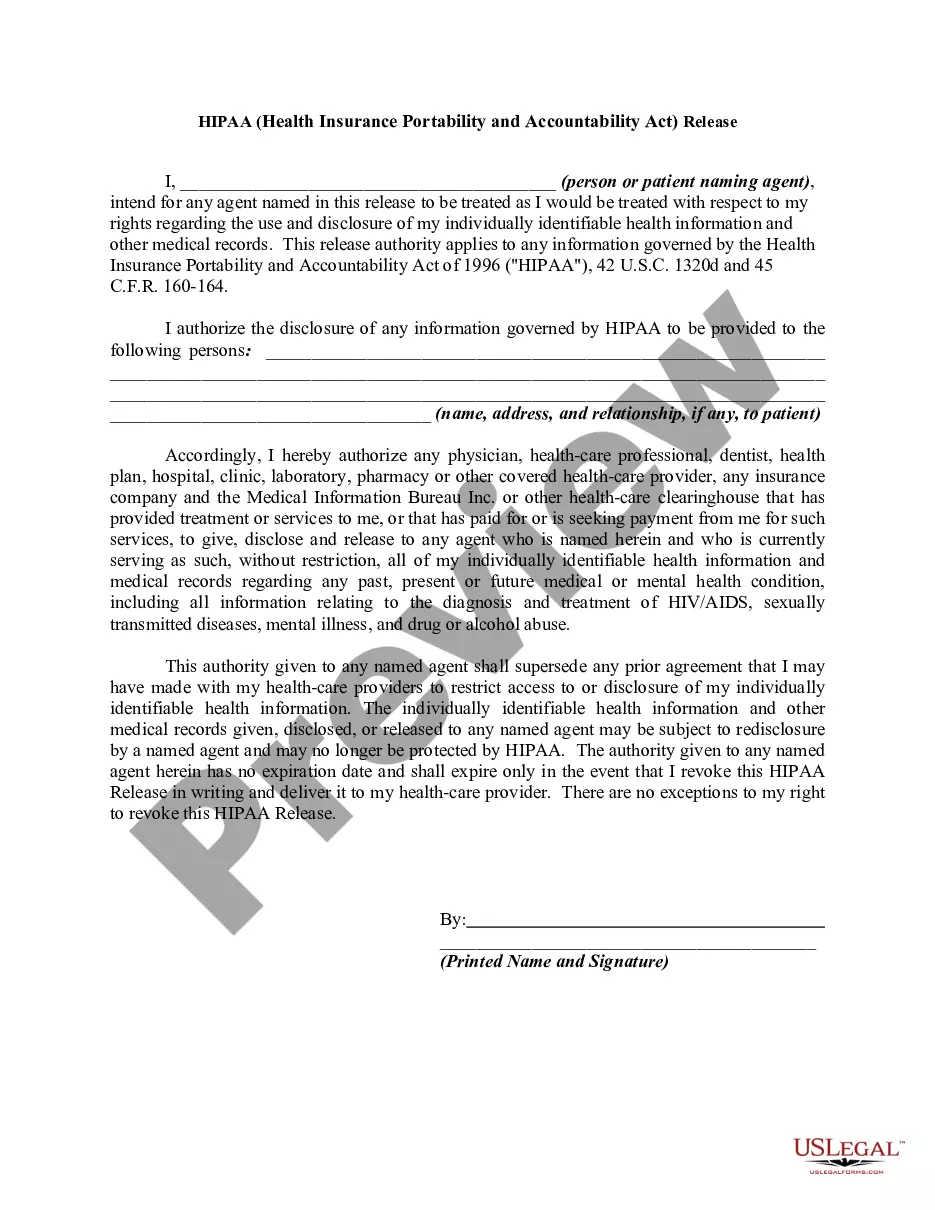
Get your form ready online
Our built-in tools help you complete, sign, share, and store your documents in one place.
Make edits, fill in missing information, and update formatting in US Legal Forms—just like you would in MS Word.
Download a copy, print it, send it by email, or mail it via USPS—whatever works best for your next step.
Sign and collect signatures with our SignNow integration. Send to multiple recipients, set reminders, and more. Go Premium to unlock E-Sign.
If this form requires notarization, complete it online through a secure video call—no need to meet a notary in person or wait for an appointment.
We protect your documents and personal data by following strict security and privacy standards.

Make edits, fill in missing information, and update formatting in US Legal Forms—just like you would in MS Word.

Download a copy, print it, send it by email, or mail it via USPS—whatever works best for your next step.

Sign and collect signatures with our SignNow integration. Send to multiple recipients, set reminders, and more. Go Premium to unlock E-Sign.

If this form requires notarization, complete it online through a secure video call—no need to meet a notary in person or wait for an appointment.

We protect your documents and personal data by following strict security and privacy standards.
Looking for another form?





Form popularity
FAQ
-Agreements, releases, and consents are documents that clearly describe what the client is participating in, the risks involved and the rights of the client and the facility. If signed by the client, he or she is accepting some of the responsibility and risk by participating in this program.
Fourth, consent forms are legal documents. Courts have characterized consent forms as establishing contractual relationships between investigators and subjects, which imply legal duties.
By signing a consent form, the client acknowledges their understanding of the treatment and the risks involved and gives their informed consent for the service to proceed. Release forms are legal documents that limit the spa from liability in case of unforeseen consequences that may arise during or after the treatment.
A release form and a consent form serve different purposes, even though they may seem similar. A consent form typically grants permission to use someone's personal information or image, while a release form often signifies that a person waives their rights to claim against the use of that information or image.
Some of the crucial information in a release includes: Name of the parties involved, i.e., releasor and releasee. Detailed information about the project. Explicit information of the permissions granted. Any special considerations, including payment obligations or credit, if any. A space for all parties to sign.
A media consent form is necessary to get explicit permission from any person who is not a student, faculty or staff member at Washington University whose name, likeness or words appears in your group's communications, promotions or other media.
What is a Release Form? A release form, or general release form, is a legal document that serves as consent in writing to release the legal liability of a releasee by a releasor. The document is a formal acknowledgment that, once signed, is a legal release of all a releasee obligations within an agreement.
How Do You Write a Media Release Form? Name of the parties involved, i.e., releasor and releasee. Detailed information about the project. Explicit information of the permissions granted. Any special considerations, including payment obligations or credit, if any. A space for all parties to sign.
A model release form is a liability waiver. It is signed by a model, actor, or other performer that grants a producer the right to publish their brand commercially. The brand may include the name, voice, image, likeness, and performance. In other words, it's a legal contract.
A photo release form — sometimes called a media release or consent form — is an agreement between a photographer and an individual (most often, the subject of the photo), which gives the photographer the right to commercialize the picture.
