Corporation Status In Texas In Tarrant
Description



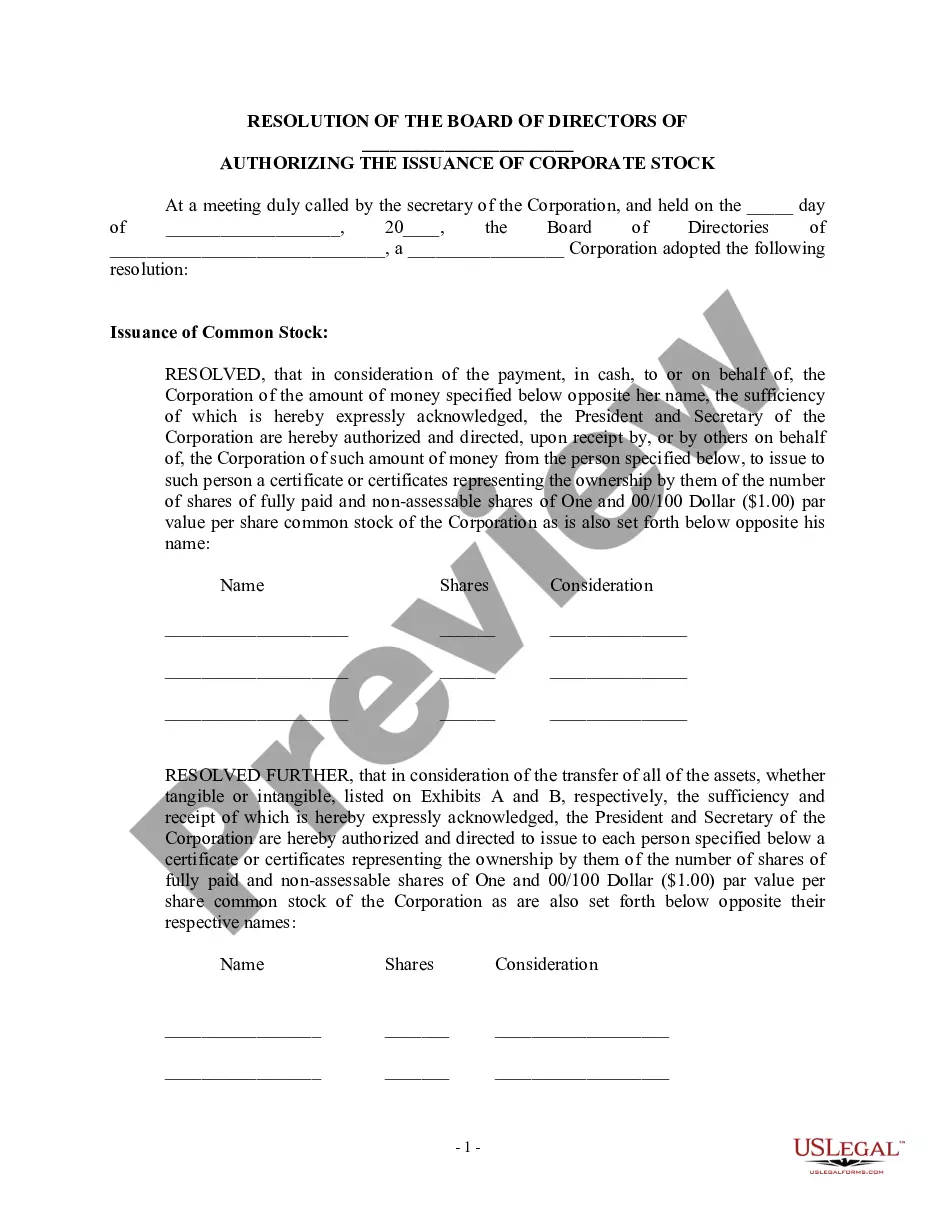
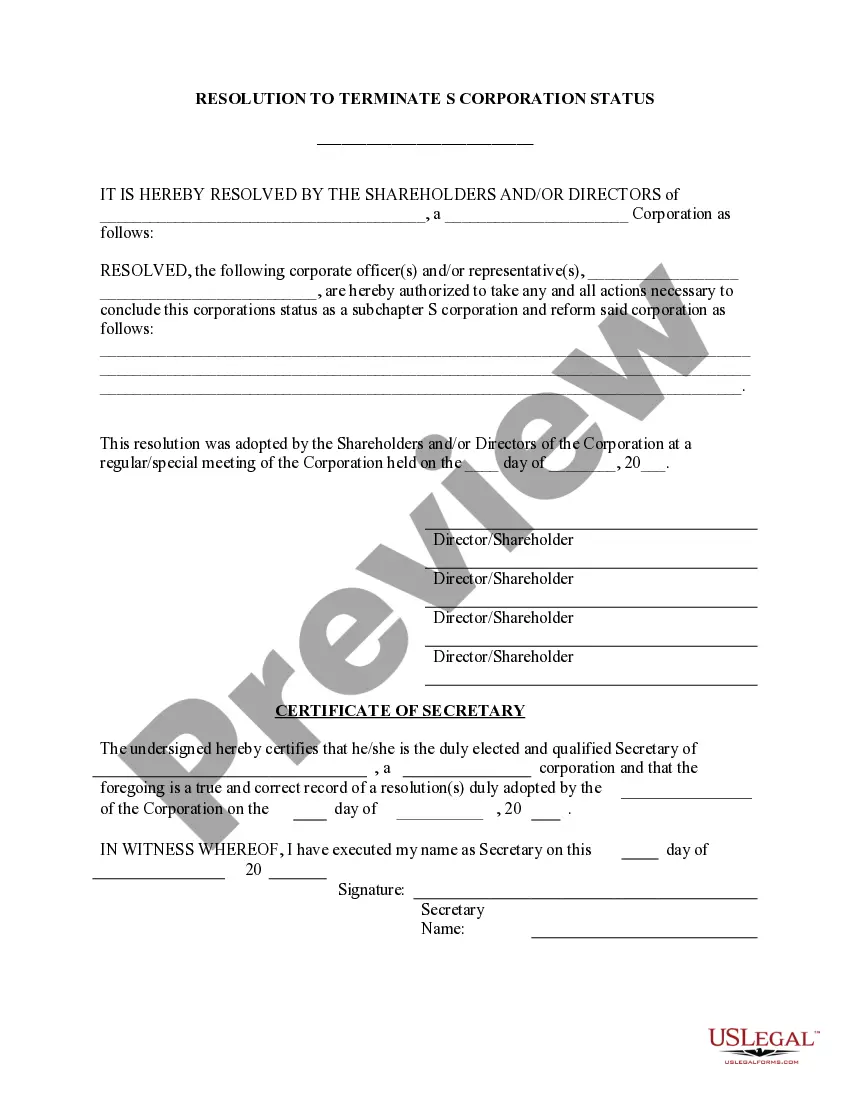
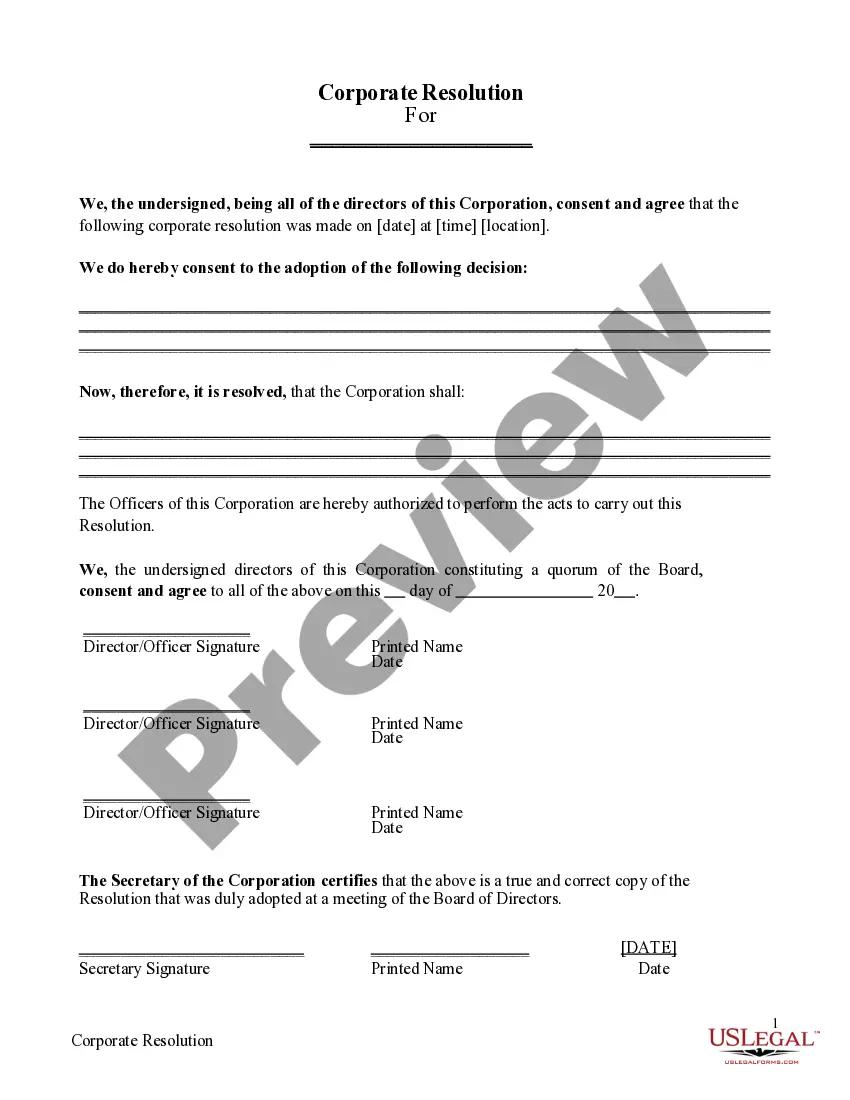
Get your form ready online
Our built-in tools help you complete, sign, share, and store your documents in one place.
Make edits, fill in missing information, and update formatting in US Legal Forms—just like you would in MS Word.
Download a copy, print it, send it by email, or mail it via USPS—whatever works best for your next step.
Sign and collect signatures with our SignNow integration. Send to multiple recipients, set reminders, and more. Go Premium to unlock E-Sign.
If this form requires notarization, complete it online through a secure video call—no need to meet a notary in person or wait for an appointment.
We protect your documents and personal data by following strict security and privacy standards.

Make edits, fill in missing information, and update formatting in US Legal Forms—just like you would in MS Word.

Download a copy, print it, send it by email, or mail it via USPS—whatever works best for your next step.

Sign and collect signatures with our SignNow integration. Send to multiple recipients, set reminders, and more. Go Premium to unlock E-Sign.

If this form requires notarization, complete it online through a secure video call—no need to meet a notary in person or wait for an appointment.

We protect your documents and personal data by following strict security and privacy standards.
Looking for another form?










Form popularity
FAQ
Once you confirm you meet the requirements, you may apply for S Corporation status with the IRS by filing Form 2553. The State of Texas recognizes the federal S Corp election. Your business will still be subject to franchise taxes with the State of Texas.
LLC vs Corporation: Governance and Management Texas law also requires corporations to keep certain records, including written minutes of shareholder and director meetings. In contrast, an LLC affords members the flexibility to decide their own management structure and governance.
A general business license is not required in Texas.
Register with Tarrant County While a general business license is not required in Texas, sole proprietorships and partnerships operating in Fort Worth need to register and file their business name – also known as a DBA ("doing business as") or assumed name – with Tarrant County.
Unlike an LLC, a business license is not a business structure, it is a legal requirement for conducting business operations within a particular location.
Some businesses can be operated out of a home if they do not increase the level of activity in a neighborhood. These businesses are referred to as home occupations. Certain criteria must be satisfied and licensing may be required.
There are seven steps you'll complete to start an S corp in Texas. Step 1: Check Name Availability. Step 2: Choose a Business Name. Step 3: Registered Agent. Step 4: Complete Form 201. Step 5: Bylaws and Regulations. Step 6: Obtain EIN. Step 7: File Form 2553.
Register with Tarrant County While a general business license is not required in Texas, sole proprietorships and partnerships operating in Fort Worth need to register and file their business name – also known as a DBA ("doing business as") or assumed name – with Tarrant County.
