S Corporation Without Payroll In Suffolk
Description



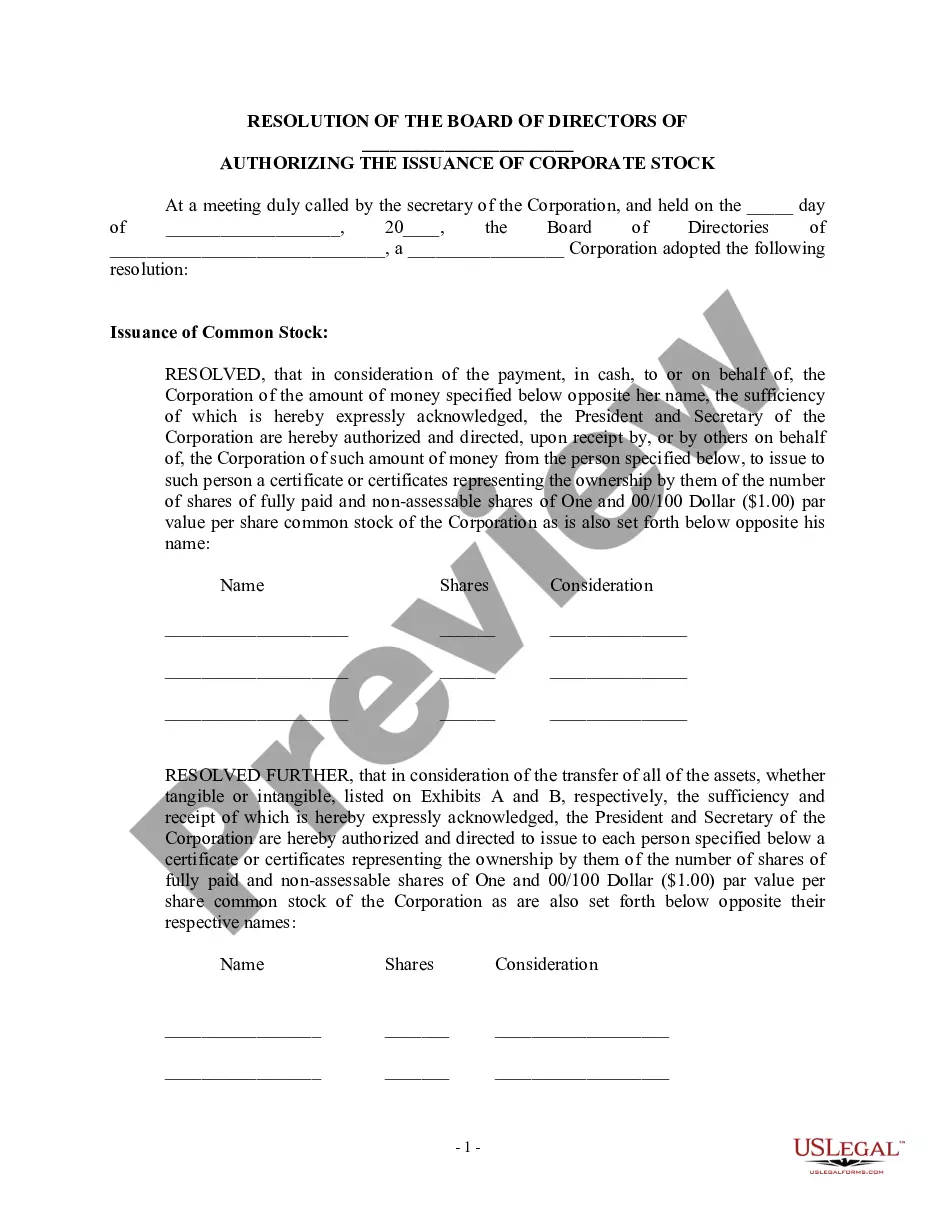
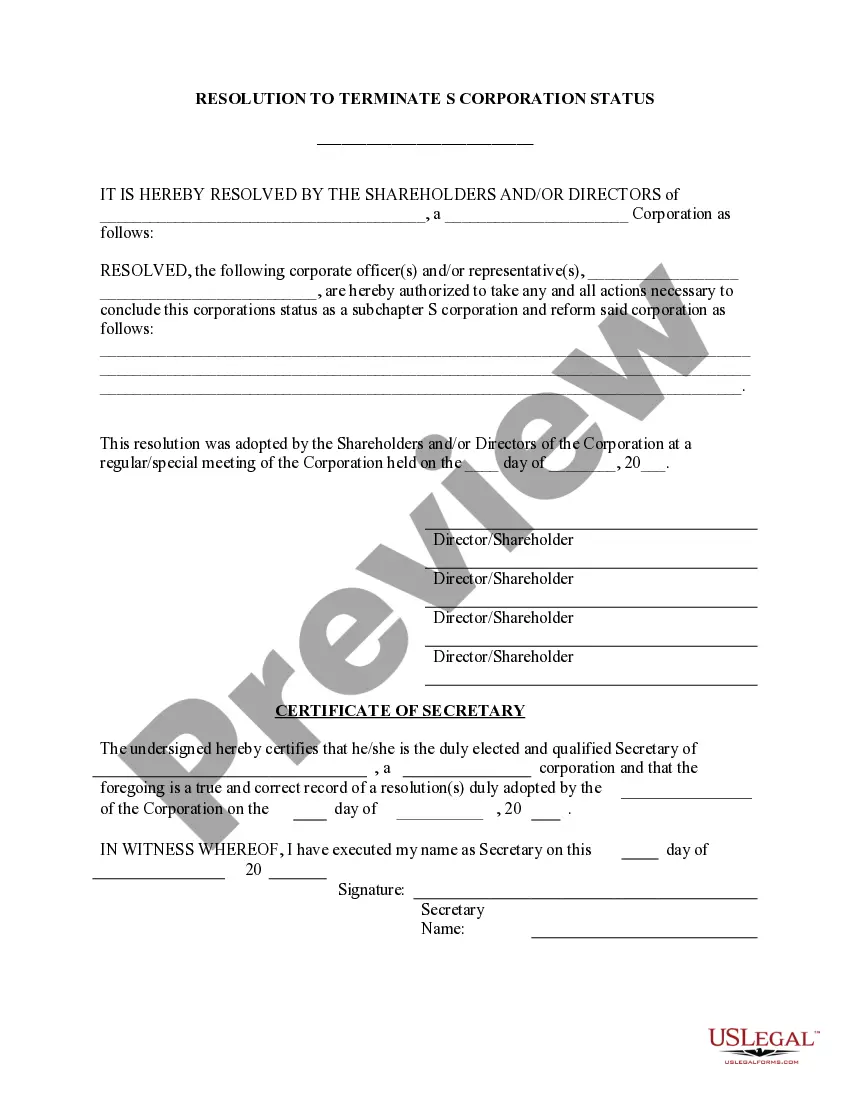
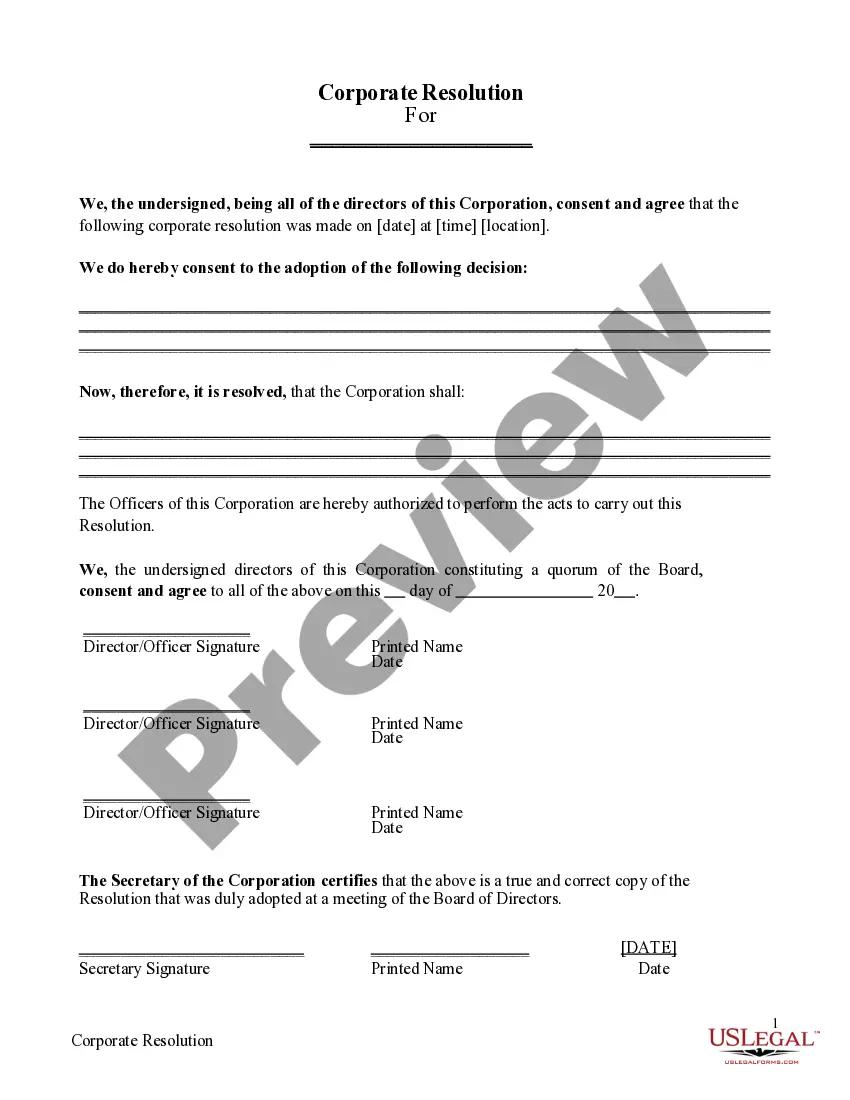
Get your form ready online
Our built-in tools help you complete, sign, share, and store your documents in one place.
Make edits, fill in missing information, and update formatting in US Legal Forms—just like you would in MS Word.
Download a copy, print it, send it by email, or mail it via USPS—whatever works best for your next step.
Sign and collect signatures with our SignNow integration. Send to multiple recipients, set reminders, and more. Go Premium to unlock E-Sign.
If this form requires notarization, complete it online through a secure video call—no need to meet a notary in person or wait for an appointment.
We protect your documents and personal data by following strict security and privacy standards.

Make edits, fill in missing information, and update formatting in US Legal Forms—just like you would in MS Word.

Download a copy, print it, send it by email, or mail it via USPS—whatever works best for your next step.

Sign and collect signatures with our SignNow integration. Send to multiple recipients, set reminders, and more. Go Premium to unlock E-Sign.

If this form requires notarization, complete it online through a secure video call—no need to meet a notary in person or wait for an appointment.

We protect your documents and personal data by following strict security and privacy standards.
Looking for another form?








Form popularity
FAQ
Even if an S Corp has no income, it must file IRS Form 1120S annually to maintain compliance. Filing establishes a tax record, prevents IRS assumptions about tax liability, and avoids penalties. Business expenses can still be deducted, potentially resulting in a loss that carries forward.
S corps need payroll because the IRS needs to have a way to collect taxes from the business. Because the business is separate from the business owner, they are not responsible for paying Social Security and Medicare taxes on distributions.
Yes, one person can form an S corporation and serve as its sole board member and employee. Note, however, that you'll still need to hold annual board of directors meetings and take minutes at those meetings, even if you're the only attendee.
Any S corp business owner can tell you S corp payroll taxes are complicated. This is why QuickBooks' tax penalty protection is so important. Even if you experience errors that lead to tax penalties, QuickBooks can resolve those errors and reimburse penalties and interest.
If you're just starting out in business and had a year with no income, that's ok. Many new businesses have little to no income in their first year. It's important to focus on building a brand and marketing to your target customer in order to gain a following and bring in more income.
All new businesses, regardless of location within Suffolk County, must register with the State of New York through the Suffolk County Clerk's Office in Riverhead. The Suffolk County Clerk's Office can be reached at (631) 852-2000.
Choose a Business Name. As a sole proprietor in New York, you can use your own legal name or an assumed name—also known as a "fictitious name" or "DBA" (for "doing business as"). File an Assumed Name With Your County. Apply for Licenses, Permits, and Zoning Clearance. Obtain an EIN.
To do business in New York as a foreign corporation, you'll need to file an Application for Authority with New York's Department of State, Division of Corporations. You can submit this document by mail, by fax, or in person. The Application for Authority for a foreign New York corporation costs $225 to file.
How to Register a Business in New York State Step 1: Choose and Reserve Your Business Name. Step 2: Determine Your Business Structure. Step 3: Register Locally with Your County Clerk's Office. Step 4: Register with the New York State Department of State. Step 5: Obtain a Certificate of Authority for Sales Tax.
Organizers form an LLC by filing the Articles of Organization, pursuant to Section 203 of the Limited Liability Company Law, with the Department of State. Organizers prepare, sign and file the Articles of Organization that creates the LLC. Any person or business entity may be an organizer.
