S Corporation Foreign Shareholder In San Bernardino
Description

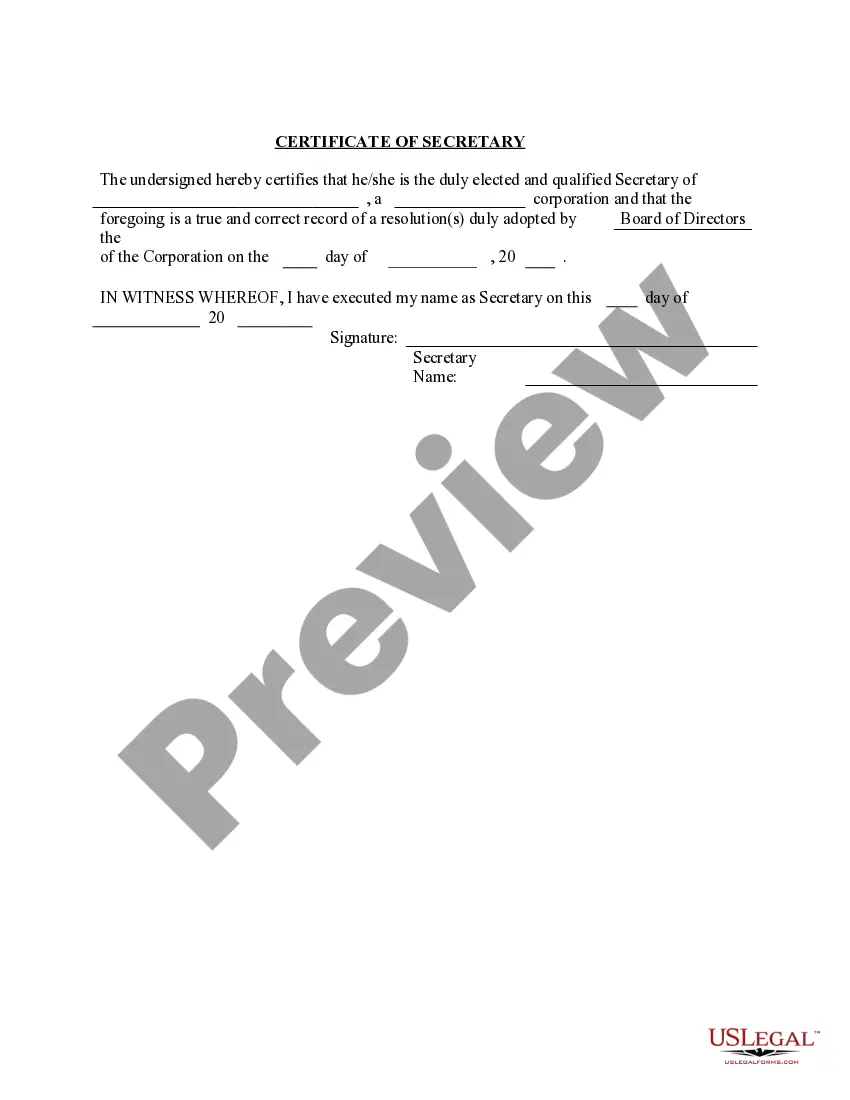

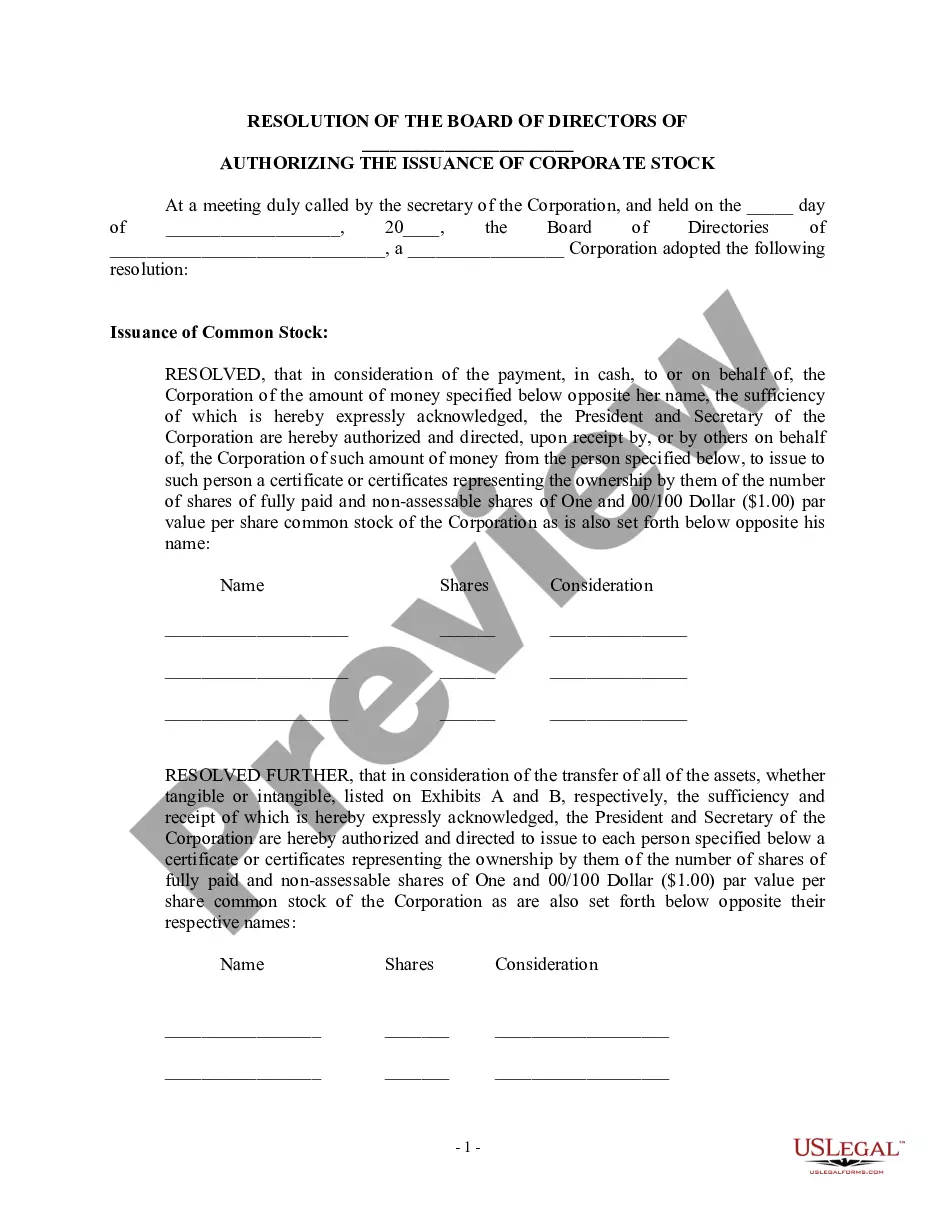
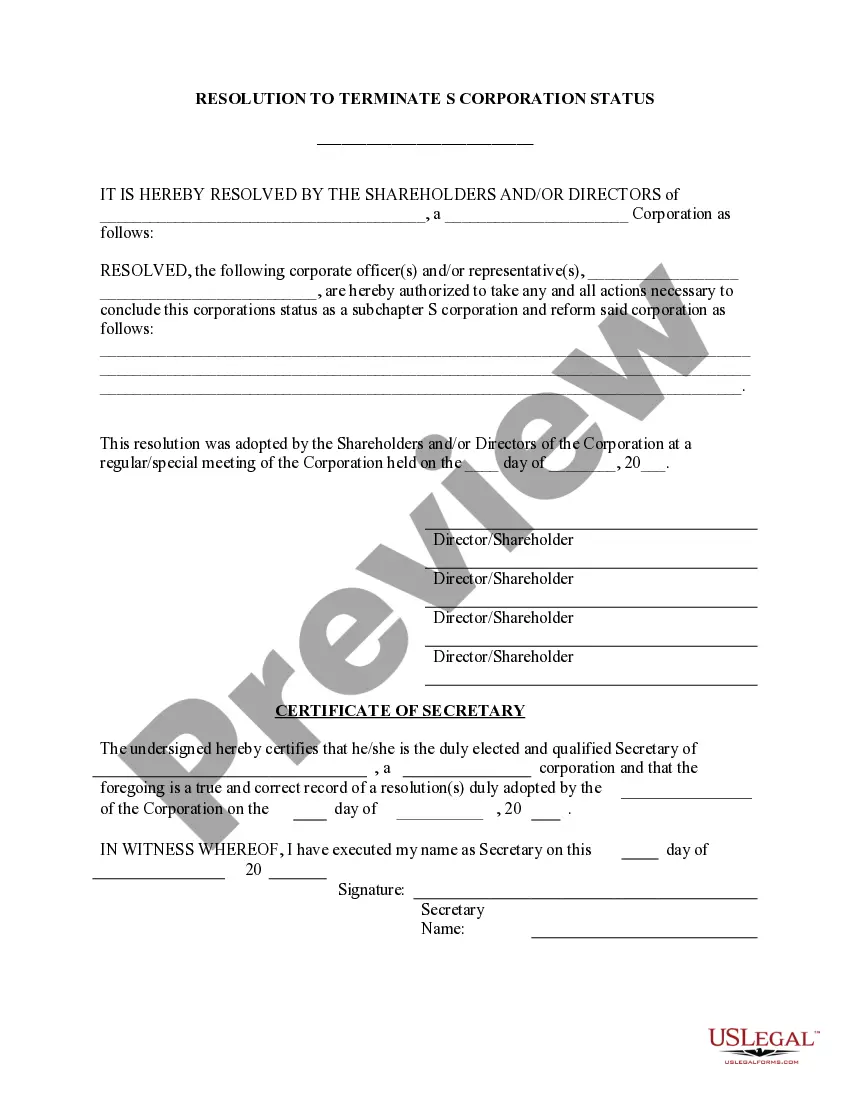
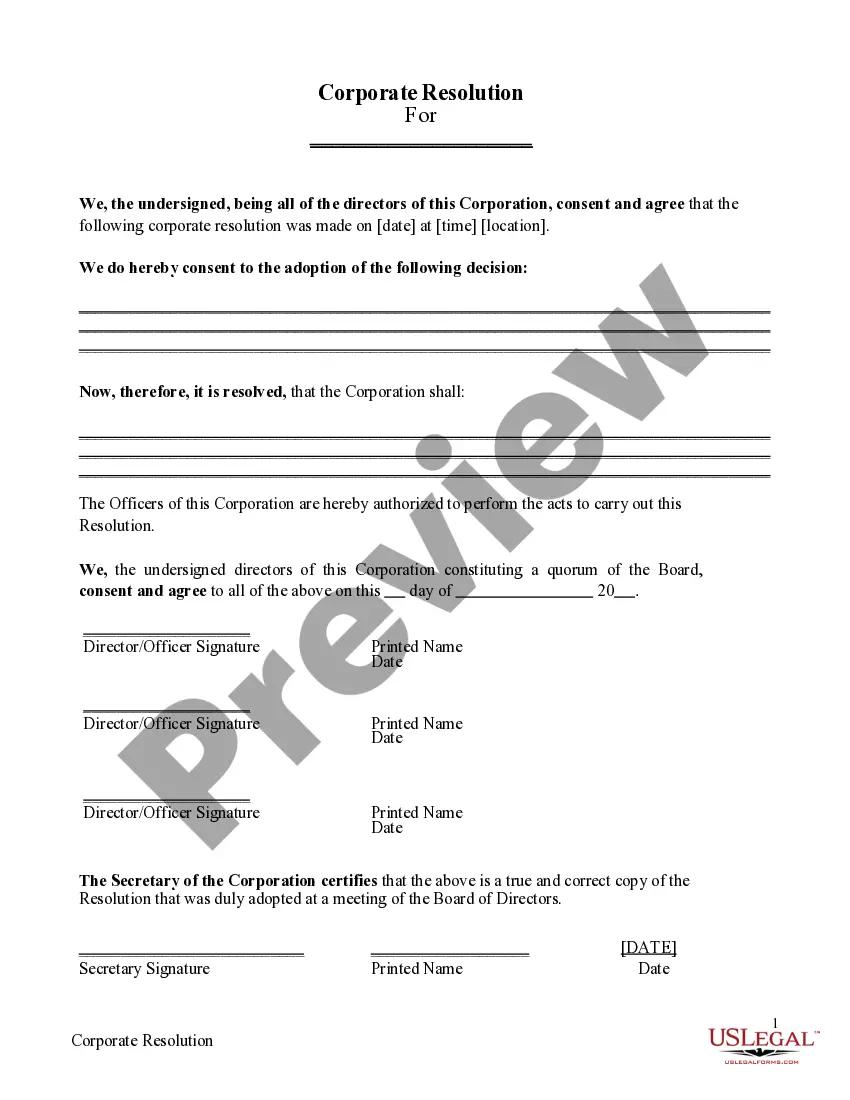
Get your form ready online
Our built-in tools help you complete, sign, share, and store your documents in one place.
Make edits, fill in missing information, and update formatting in US Legal Forms—just like you would in MS Word.
Download a copy, print it, send it by email, or mail it via USPS—whatever works best for your next step.
Sign and collect signatures with our SignNow integration. Send to multiple recipients, set reminders, and more. Go Premium to unlock E-Sign.
If this form requires notarization, complete it online through a secure video call—no need to meet a notary in person or wait for an appointment.
We protect your documents and personal data by following strict security and privacy standards.

Make edits, fill in missing information, and update formatting in US Legal Forms—just like you would in MS Word.

Download a copy, print it, send it by email, or mail it via USPS—whatever works best for your next step.

Sign and collect signatures with our SignNow integration. Send to multiple recipients, set reminders, and more. Go Premium to unlock E-Sign.

If this form requires notarization, complete it online through a secure video call—no need to meet a notary in person or wait for an appointment.

We protect your documents and personal data by following strict security and privacy standards.
Looking for another form?




Form popularity
FAQ
If you're not a citizen, you must qualify as a resident alien to own a stake in an S Corp. Resident aliens are those who have moved to the United States and have residency but aren't citizens. Of the below, only permanent residents can own an S Corp.
If you cancel your LLC within one year of organizing, you can file Short form cancellation (SOS Form LLC-4/8) with the SOS. Your LLC will not be subject to the annual $800 tax for its first tax year.
How to Start an S Corp in California Step 1: Check Name Availability. Step 2: Choose a Business Name. Step 3: Obtain an EIN. Step 4: File Articles of Incorporation. Step 5: Registered Agent. Step 6: Corporate Bylaws. Step 7: S Corp Director Election. Step 8: Meeting Requirements.
There's no citizenship requirement for owning stocks of American companies. There are some extra hoops that non-U.S. investors may have to jump through before investing in U.S. stocks because foreign owners and holders of U.S.-based assets are subject to an array of U.S. laws intended to protect U.S. interests.
Owning an S Corporation requires compliance with specific guidelines, including a maximum of 100 shareholders who must be U.S. citizens or resident aliens (non-US residents who've passed the test of green card), as well as certain trusts and estates.
Foreign ownership refers to the ownership of a portion of a country's assets (businesses, natural resources, property, bonds, equity etc.) by individuals who are not citizens of that country or by companies whose headquarters are not in that country.
LLCs can have an unlimited number of members; S corps can have no more than 100 shareholders (owners). Non-U.S. citizens/residents can be members of LLCs; S corps may not have non-U.S. citizens/residents as shareholders. S corporations cannot be owned by corporations, LLCs, partnerships or many trusts.
Yes, it is possible to establish an S-corp as a one-person business. While traditionally S corporations are formed with multiple shareholders, the IRS allows a single individual to set up an S corporation. As an individual, you can be the sole shareholder, director, and employee of the S-corp.
Any foreign individual or company can own a C-corp in the US. It is not exclusively for US residents. Ownership in a C-corp is given out by offering company's stock. Ones who own this stock are the called the shareholders of the corporation.
