S Corporation For Real Estate In Queens
Description

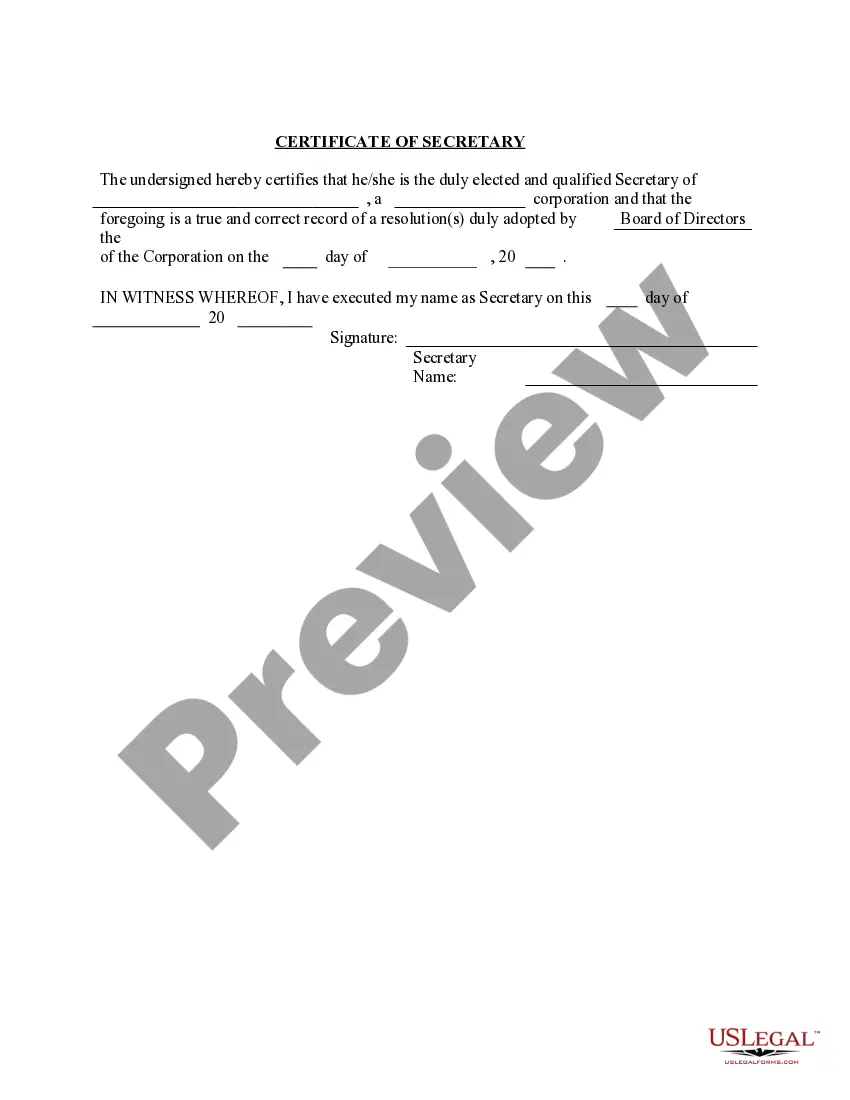

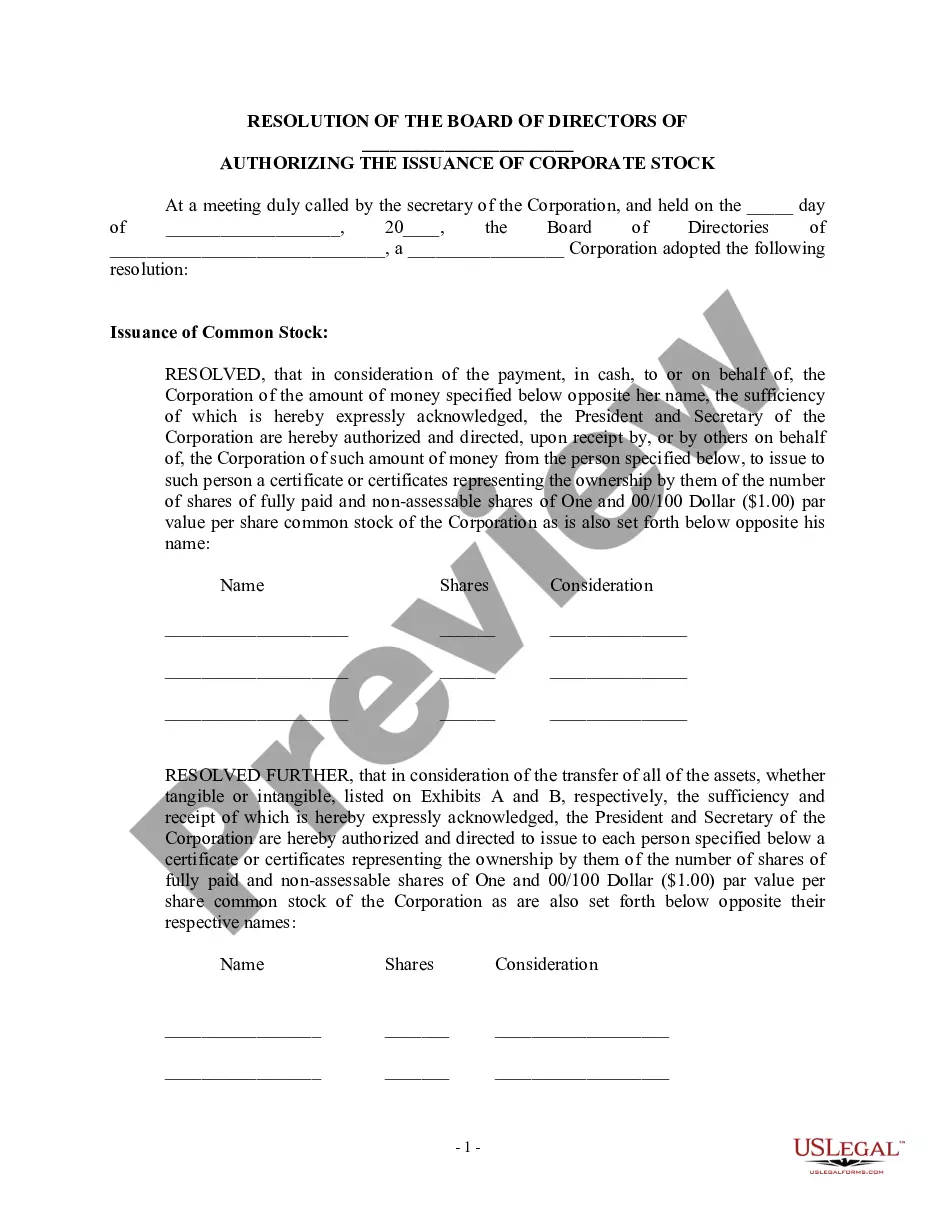
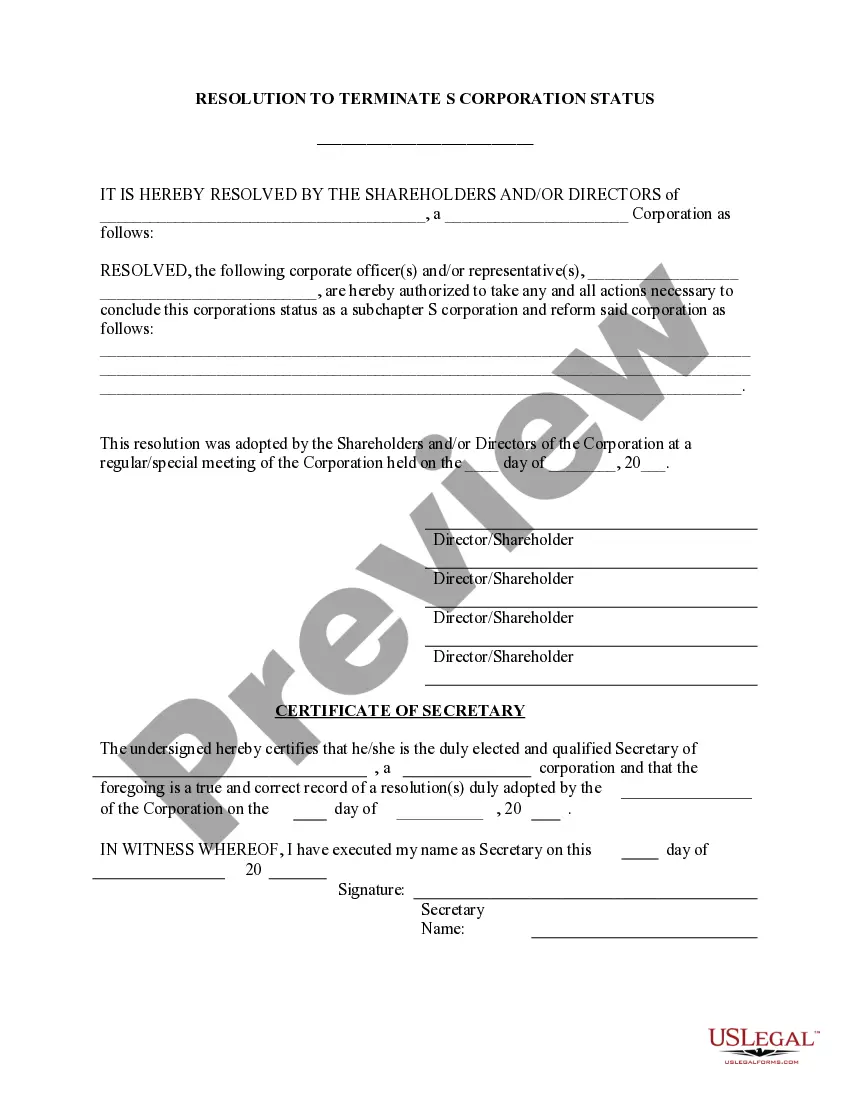
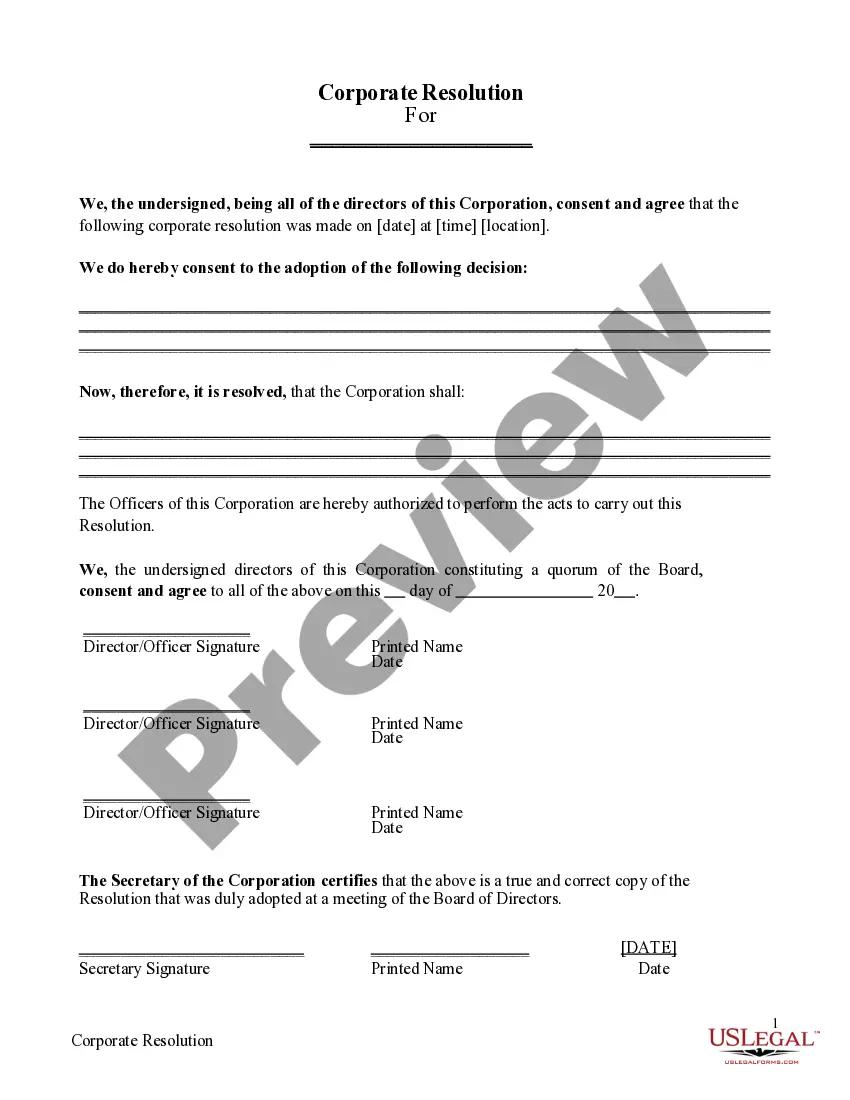
Get your form ready online
Our built-in tools help you complete, sign, share, and store your documents in one place.
Make edits, fill in missing information, and update formatting in US Legal Forms—just like you would in MS Word.
Download a copy, print it, send it by email, or mail it via USPS—whatever works best for your next step.
Sign and collect signatures with our SignNow integration. Send to multiple recipients, set reminders, and more. Go Premium to unlock E-Sign.
If this form requires notarization, complete it online through a secure video call—no need to meet a notary in person or wait for an appointment.
We protect your documents and personal data by following strict security and privacy standards.

Make edits, fill in missing information, and update formatting in US Legal Forms—just like you would in MS Word.

Download a copy, print it, send it by email, or mail it via USPS—whatever works best for your next step.

Sign and collect signatures with our SignNow integration. Send to multiple recipients, set reminders, and more. Go Premium to unlock E-Sign.

If this form requires notarization, complete it online through a secure video call—no need to meet a notary in person or wait for an appointment.

We protect your documents and personal data by following strict security and privacy standards.
Looking for another form?








Form popularity
FAQ
Please note New York City does not have an S corporation election and does not recognize a New York State S corporation election. In general, federal subchapter S corporations and qualified subchapter S subsidiaries are subject to the GCT.
An S-corp has annual member meetings, bylaws, meeting minutes, and other corporate records. LLCs do not have as many requirements. S-corps tend to work better for property flippers who have multiple projects at any given time. If you flip properties with a friend, an S-corp may be a good idea.
In general, rental property owners may receive the most benefit by making an LLC for each rental property. Individual LLCs limit liability to just the actual property each LLC possesses, along with any other assets the LLC owns.
The easiest and most affordable way to protect and separate your business and personal assets is to structure your rental property business as an LLC. If you need a more rigid management structure or your business is larger, than an S corp may be more appropriate for you.
While the profits from an S-corp are generally taxed at a lower rate than those of other corporate structures, the state and local tax rates to which an S-corp is subject can often be the deciding factor as to whether it or not it makes sense to use this entity structure from a tax perspective.
There are ten steps you'll complete to start an S Corp in New York. Step 1: Choose a Business Name. Step 2: Obtain EIN. Step 3: Certificate of Incorporation. Step 4: Registered Agent. Step 5: Corporate Bylaws. Step 6: Directors and Meeting Requirements. Step 7: Stock Requirements. Step 8: Biennial Statement.
Please note New York City does not have an S corporation election and does not recognize a New York State S corporation election. In general, federal subchapter S corporations and qualified subchapter S subsidiaries are subject to the GCT.
Every corporation, domestic or foreign, must have a Registered Agent with a registered office within the State of New York at all times.
How to Start an S Corp in New York Step 1: Choose a Business Name. Step 2: Obtain EIN. Step 3: Certificate of Incorporation. Step 4: Registered Agent. Step 5: Corporate Bylaws. Step 6: Directors and Meeting Requirements. Step 7: Stock Requirements. Step 8: Biennial Statement.
