Corporation Status In Texas In Oakland
Description

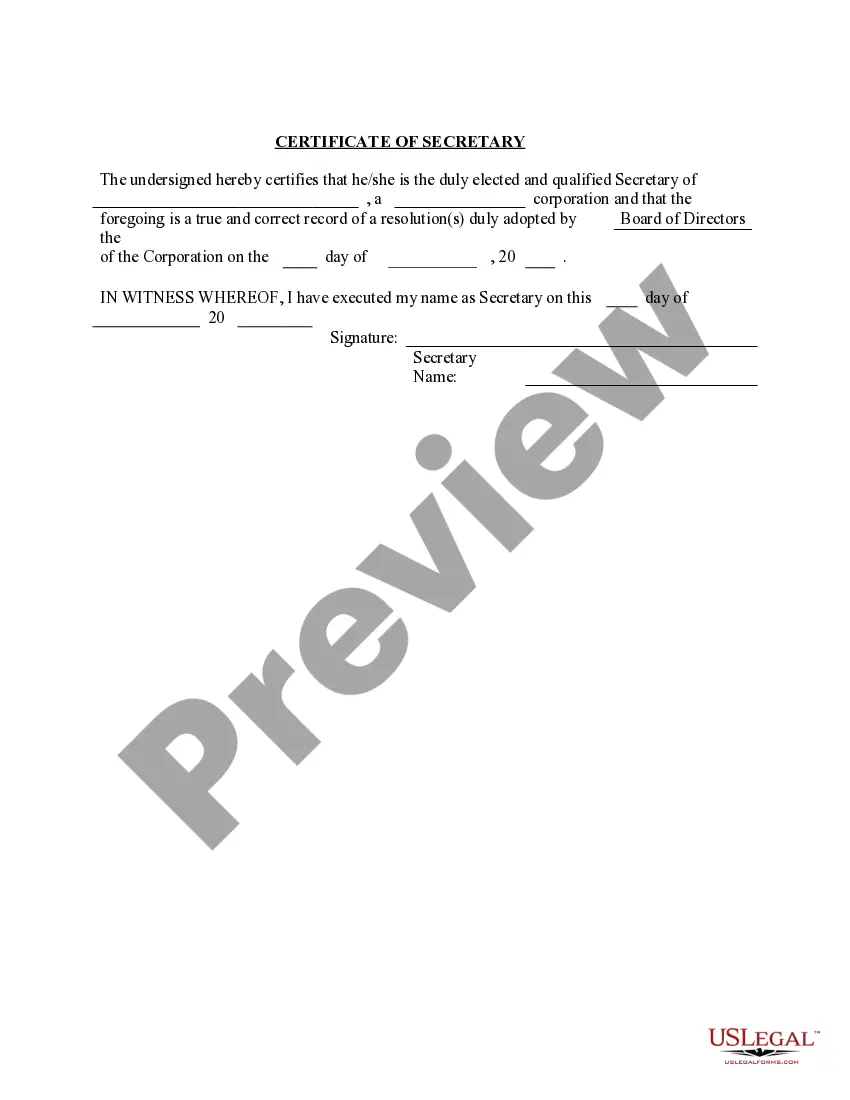

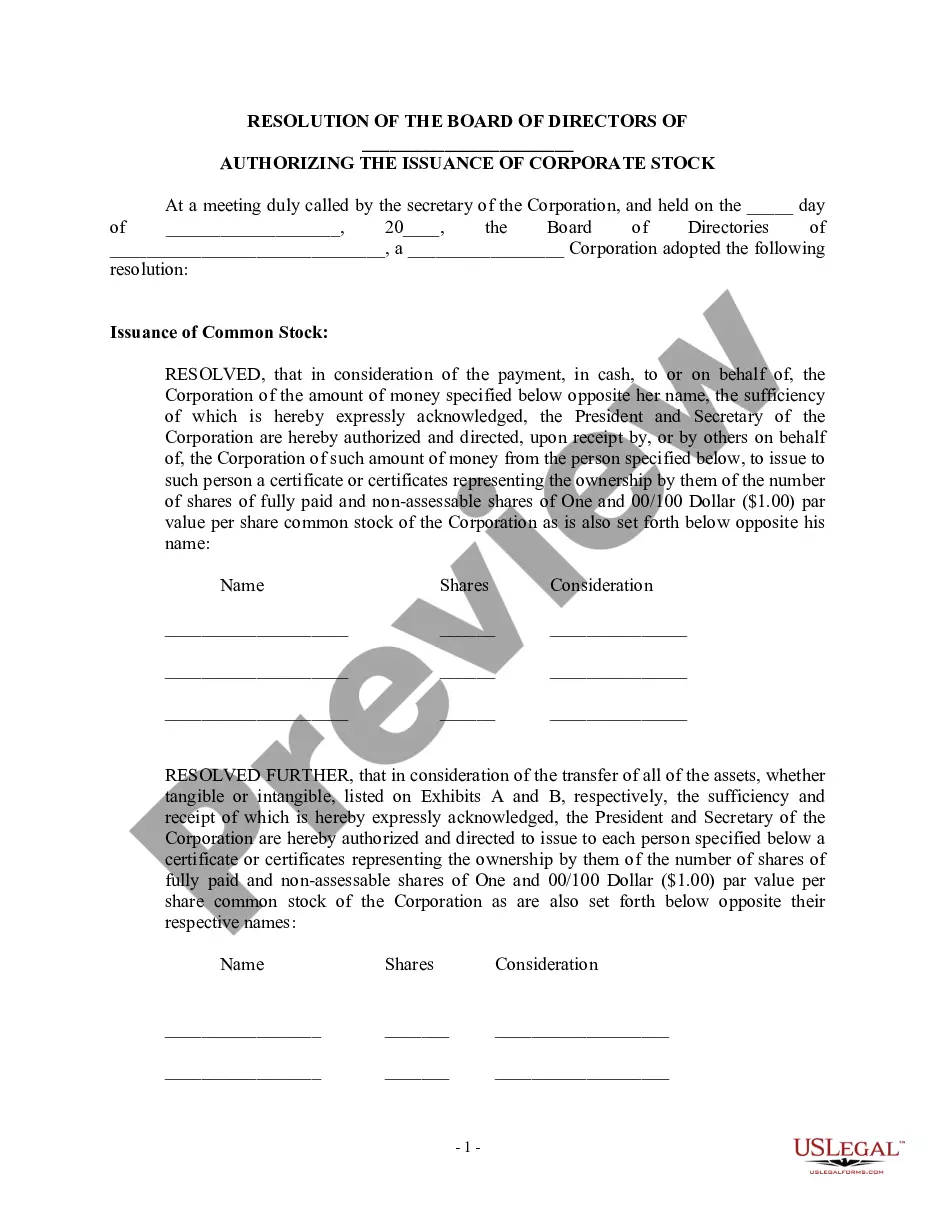
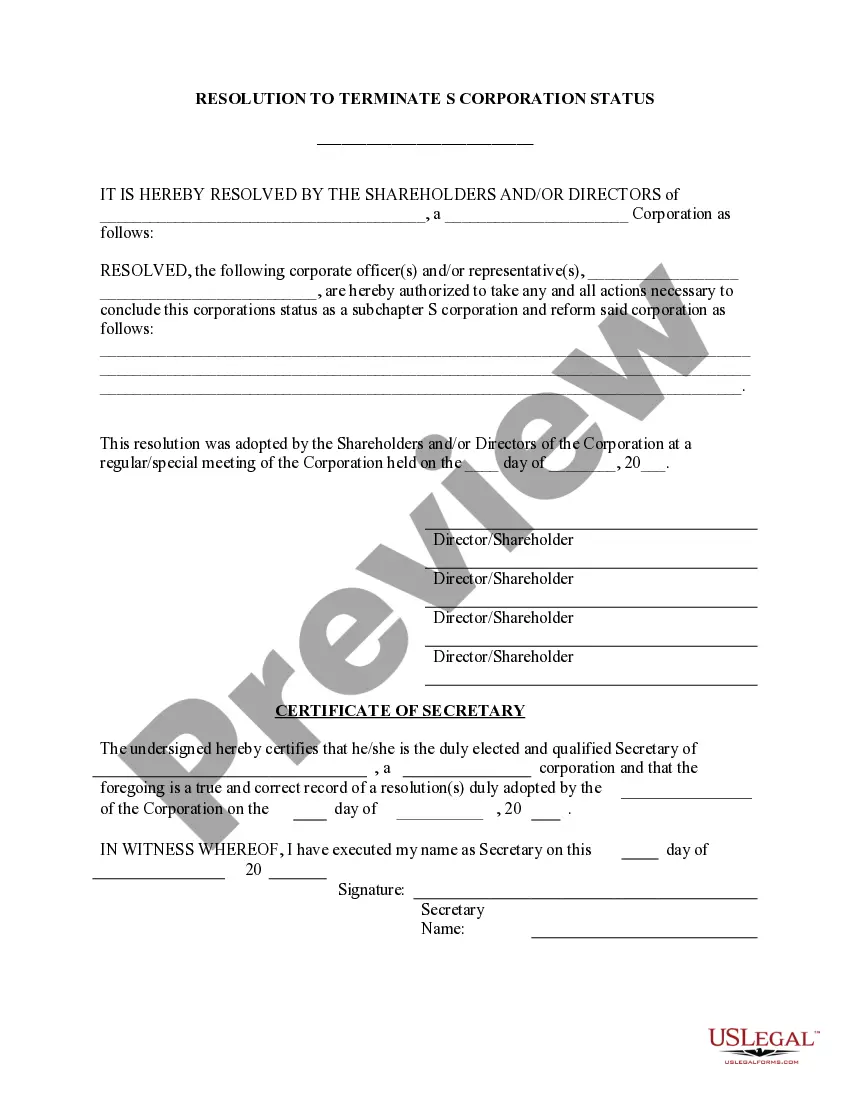
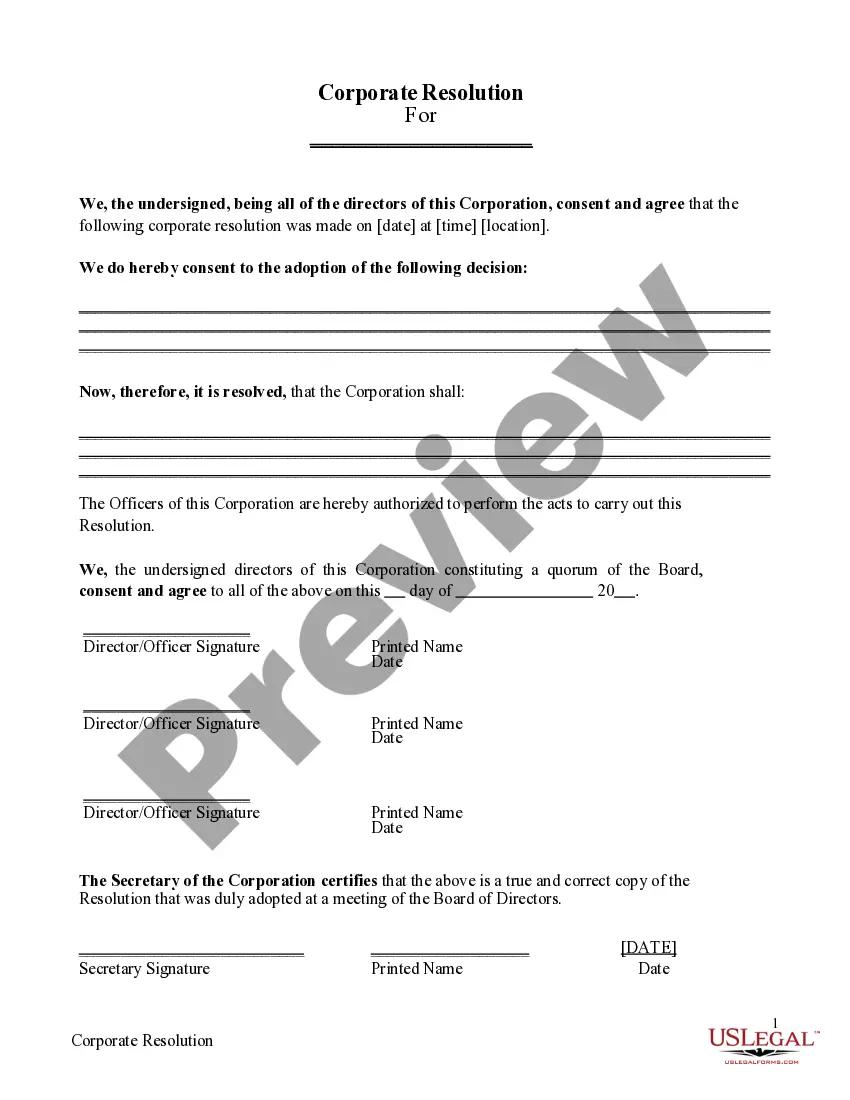
Get your form ready online
Our built-in tools help you complete, sign, share, and store your documents in one place.
Make edits, fill in missing information, and update formatting in US Legal Forms—just like you would in MS Word.
Download a copy, print it, send it by email, or mail it via USPS—whatever works best for your next step.
Sign and collect signatures with our SignNow integration. Send to multiple recipients, set reminders, and more. Go Premium to unlock E-Sign.
If this form requires notarization, complete it online through a secure video call—no need to meet a notary in person or wait for an appointment.
We protect your documents and personal data by following strict security and privacy standards.

Make edits, fill in missing information, and update formatting in US Legal Forms—just like you would in MS Word.

Download a copy, print it, send it by email, or mail it via USPS—whatever works best for your next step.

Sign and collect signatures with our SignNow integration. Send to multiple recipients, set reminders, and more. Go Premium to unlock E-Sign.

If this form requires notarization, complete it online through a secure video call—no need to meet a notary in person or wait for an appointment.

We protect your documents and personal data by following strict security and privacy standards.
Looking for another form?




Form popularity
FAQ
Information about certificates of account status is available from the comptroller. You may contact the comptroller at (800) 252-1381 for assistance as well. Certificates of account status are often confused with certificates of fact - status issued by the Secretary of State.
Once you confirm you meet the requirements, you may apply for S Corporation status with the IRS by filing Form 2553. The State of Texas recognizes the federal S Corp election. Your business will still be subject to franchise taxes with the State of Texas.
While there is no general business license requirement at the state level, there are franchise tax obligations for any taxable entity doing business in Texas. Businesses may have to obtain licenses and permits (such as a general business license) at the city and/or county levels.
If you have a foreign filing entity that is transacting business in Texas, you must file an application for registration with the secretary of state. See Forms 301-312.
If you have a foreign filing entity that is transacting business in Texas, you must file an application for registration with the secretary of state.
First, the name must include the words “Limited Liability Company” or one of its abbreviations, such as “LLC” or “L.L.C.” This requirement helps clarify the legal structure of the business to the public. Second, the name must be distinguishable from other LLC names already on file with the Texas Secretary of State.
In general, sole proprietorships and partnerships need to register and file the business name (DBA or assumed name) with their local county clerk's office. If you decide to incorporate, the Secretary of State's Office (SOS) website has information on choosing the right legal structure for you.
The turnaround time to incorporate or form an LLC varies by state. It can take anywhere from a few business days to a couple of months, and sometimes even longer.
If you do not know the file number, click on Find Entity. On the Find Entity Name Search screen, input the name of the entity for which you need to change entity information or status and click on Search.
There are seven steps you'll complete to start an S corp in Texas. Step 1: Check Name Availability. Step 2: Choose a Business Name. Step 3: Registered Agent. Step 4: Complete Form 201. Step 5: Bylaws and Regulations. Step 6: Obtain EIN. Step 7: File Form 2553.
