S Corporation For Rental Property In Montgomery
Description
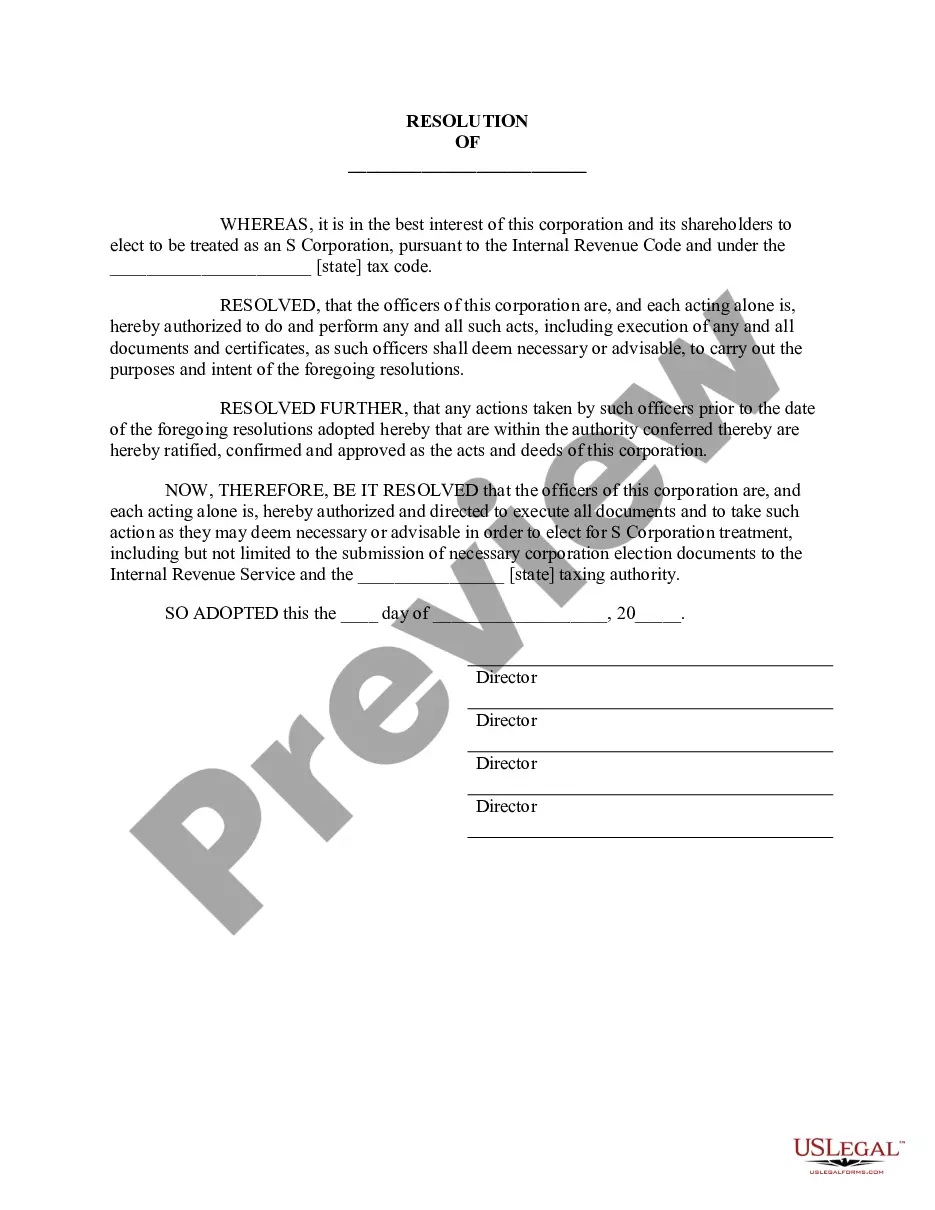
Get your form ready online
Our built-in tools help you complete, sign, share, and store your documents in one place.
Make edits, fill in missing information, and update formatting in US Legal Forms—just like you would in MS Word.
Download a copy, print it, send it by email, or mail it via USPS—whatever works best for your next step.
Sign and collect signatures with our SignNow integration. Send to multiple recipients, set reminders, and more. Go Premium to unlock E-Sign.
If this form requires notarization, complete it online through a secure video call—no need to meet a notary in person or wait for an appointment.
We protect your documents and personal data by following strict security and privacy standards.

Make edits, fill in missing information, and update formatting in US Legal Forms—just like you would in MS Word.

Download a copy, print it, send it by email, or mail it via USPS—whatever works best for your next step.

Sign and collect signatures with our SignNow integration. Send to multiple recipients, set reminders, and more. Go Premium to unlock E-Sign.

If this form requires notarization, complete it online through a secure video call—no need to meet a notary in person or wait for an appointment.

We protect your documents and personal data by following strict security and privacy standards.
Looking for another form?


Form popularity
FAQ
The easiest and most affordable way to protect and separate your business and personal assets is to structure your rental property business as an LLC. If you need a more rigid management structure or your business is larger, than an S corp may be more appropriate for you.
LLCs offer simplicity, liability protection, and flexibility for rental property owners.
Generally, it's always better for real estate investors to own a rental building in an LLC rather than an S-Corp or C-Corp. However, remember that LLCs can opt to be taxed like S-Corps or C-Corps, in which case they lose all the aforementioned tax advantages.
An S corp is a tax classification, not a legal business structure like an LLC. These entities have a management team of salaried directors and officers, but the business is owned by shareholders. S corps are also popular with real estate investors, rental property owners, and property flippers.
One of the primary issues with holding real estate in an S-Corp is the limitation on the shareholder's debt basis. In an S-Corporation, a shareholder's ability to deduct losses is limited to their stock basis plus any direct loans they've made to the corporation.
While both the Florida LLC and Florida S-Corporation protect the owners' individual assets from business liabilities, only the LLC shields business ownership from creditors of the shareholders. An S-Corp offers similar liability protection but requires specific ownership and tax structure considerations.
Choose a business name for your S corp. File articles of incorporation. Issue stock for your S corp. Elect a board of directors and appoint officers. Meet other S corp eligibility requirements. Obtain an employer identification number. Elect S corp status. Apply for state and local S corp business licenses.
Now that you know what an S corp is and its requirements, follow these five steps to form your business as an S corp in Florida. Step 1: Choose a Business Name. Step 2: Articles of Incorporation. Step 3: Apply for a Business License. Step 4: Obtain EIN. Step 5: Complete and Submit IRS Form 2553.
Filing an S Corp in Florida Step 1: Choose a Name. Use the Florida Department of State to find a business name that's not being used by another entity. Step 2: File your Articles of Incorporation. Step 3: Apply for a Business License. Step 4: Get Your EIN. Step 5: Submit the Form.
Step 1: Name Your Alabama LLC. Step 2: Choose a Registered Agent. Step 3: File the Alabama Certificate of Formation. Step 4: Create an Operating Agreement. Step 5: File Form 2553 to Elect Alabama S Corp Tax Designation.