Company For Status In Houston
Description

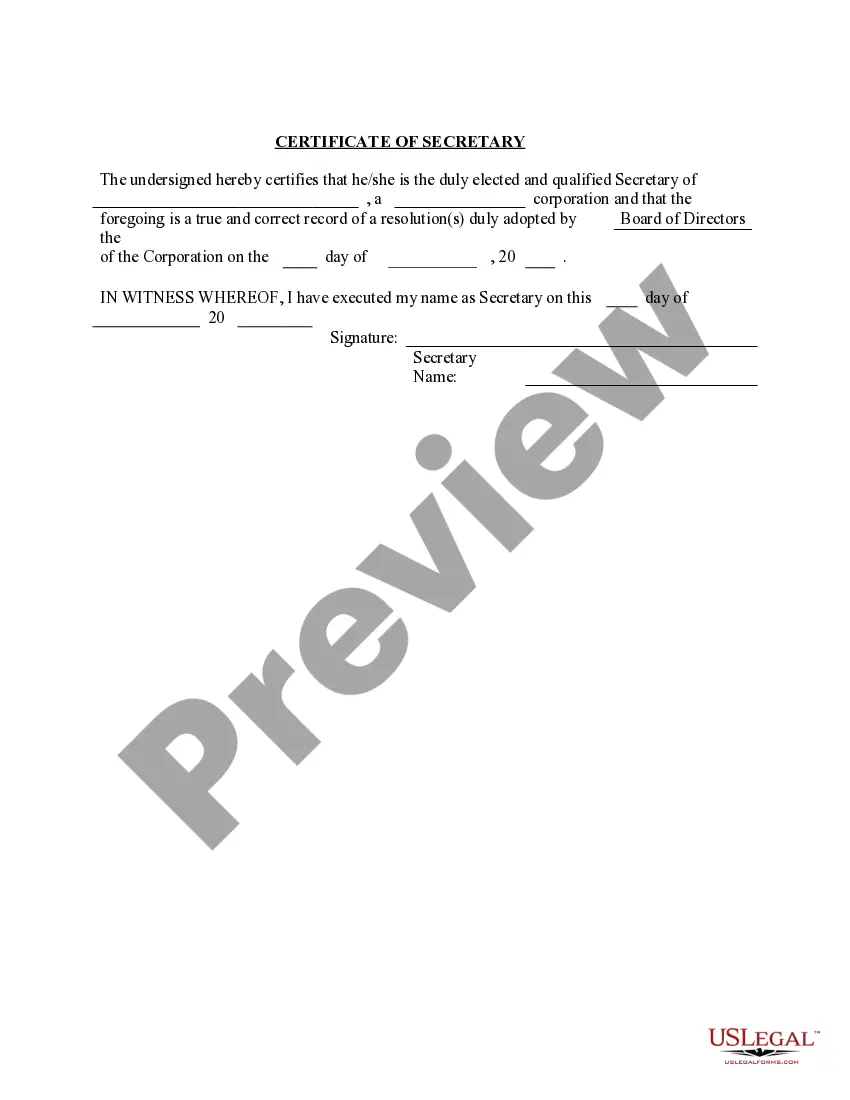

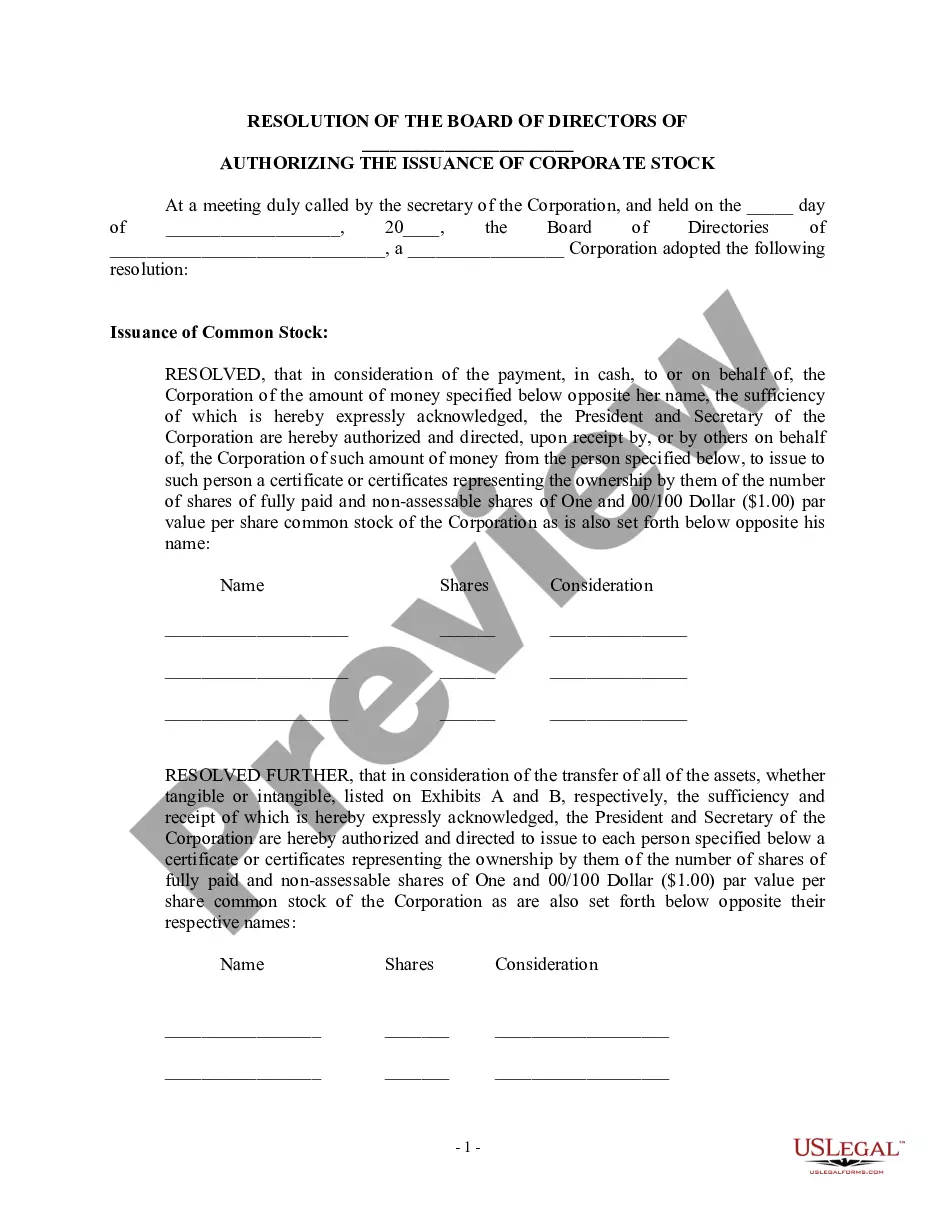
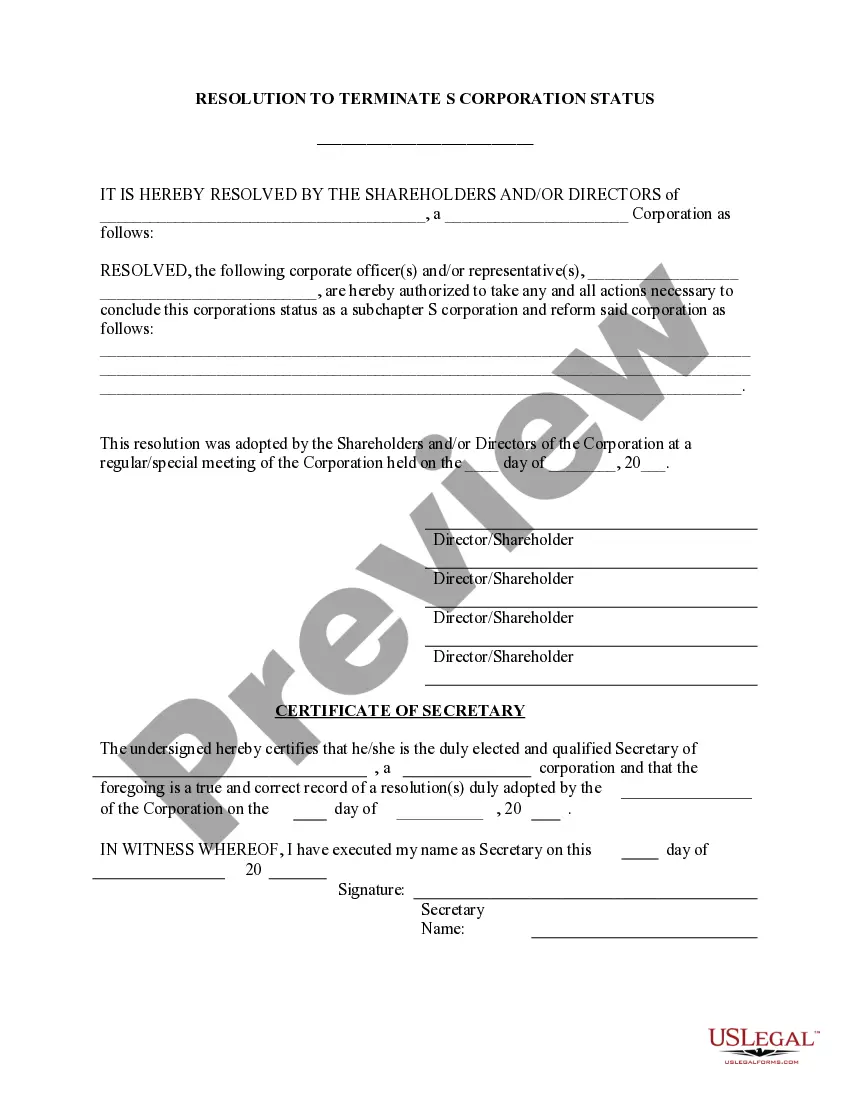
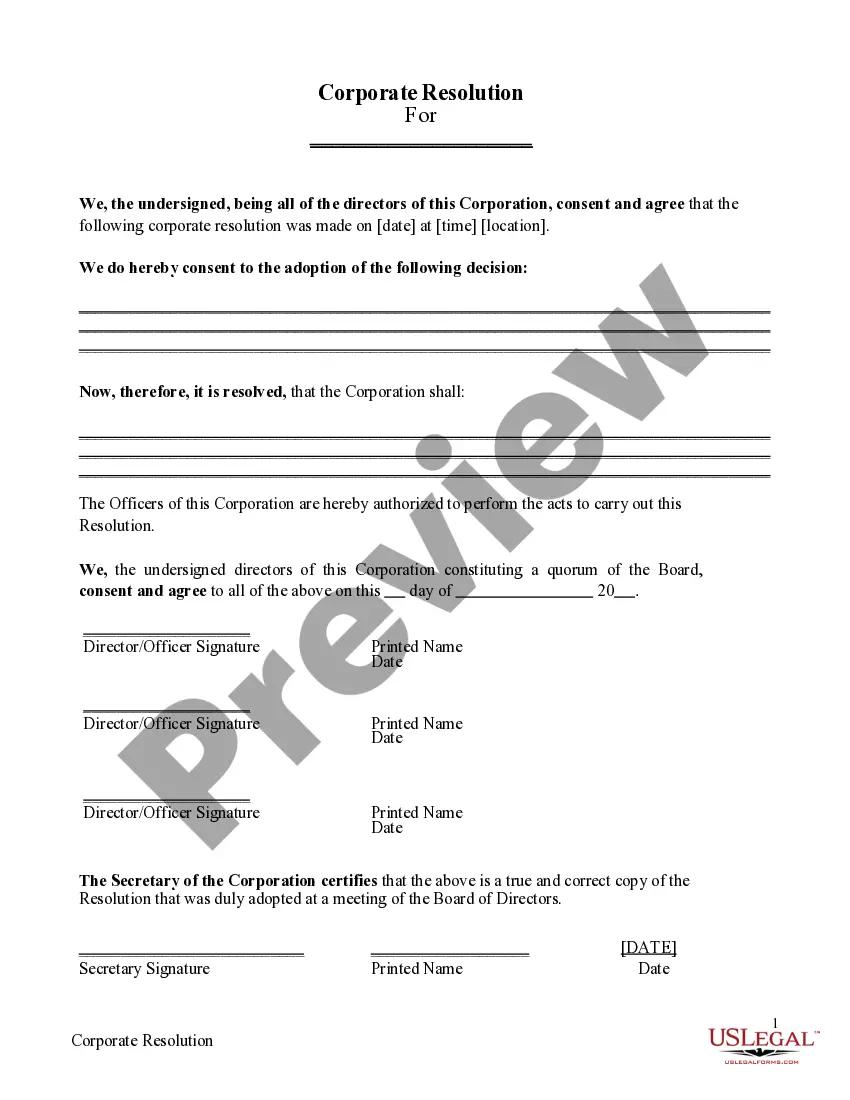
Get your form ready online
Our built-in tools help you complete, sign, share, and store your documents in one place.
Make edits, fill in missing information, and update formatting in US Legal Forms—just like you would in MS Word.
Download a copy, print it, send it by email, or mail it via USPS—whatever works best for your next step.
Sign and collect signatures with our SignNow integration. Send to multiple recipients, set reminders, and more. Go Premium to unlock E-Sign.
If this form requires notarization, complete it online through a secure video call—no need to meet a notary in person or wait for an appointment.
We protect your documents and personal data by following strict security and privacy standards.

Make edits, fill in missing information, and update formatting in US Legal Forms—just like you would in MS Word.

Download a copy, print it, send it by email, or mail it via USPS—whatever works best for your next step.

Sign and collect signatures with our SignNow integration. Send to multiple recipients, set reminders, and more. Go Premium to unlock E-Sign.

If this form requires notarization, complete it online through a secure video call—no need to meet a notary in person or wait for an appointment.

We protect your documents and personal data by following strict security and privacy standards.
Looking for another form?








Form popularity
FAQ
Let's start by checking your LLC status. Go to the Texas Taxable Entity Search linked here: . You will then enter the name of your LLC in the search. Select the “details” button when your LLC search result appears. Check that the “Right to Transact Business in Texas” is ACTIVE.
There are seven steps you'll complete to start an S corp in Texas. Step 1: Check Name Availability. Step 2: Choose a Business Name. Step 3: Registered Agent. Step 4: Complete Form 201. Step 5: Bylaws and Regulations. Step 6: Obtain EIN. Step 7: File Form 2553.
There's no need to convert your LLC to a corporation at the state level. If you'd like to convert your LLC to an S corporation, then you must elect S corporation tax status. To convert to an S corporation, file an IRS Form 2553 at the federal level.
As an employee of your S Corp, you can reduce self-employment tax liability by taking a salary from the business and other distributions. Setting up your Business-of-One as an LLC taxed as an S Corp – especially if it's a newbie – will appear more credible to potential customers and vendors.
What are the Steps to Starting an LLC in Texas? Step 1: Name Your Texas LLC. Step 2: Designate a Registered Agent. Step 3: File Articles of Organization (or similar document) ... Step 4: Receive a Certificate From the State. Step 5: Create an Operating Agreement. Step 6: Get an Employer Identification Number.
There are seven steps you'll complete to start an S corp in Texas. Step 1: Check Name Availability. Step 2: Choose a Business Name. Step 3: Registered Agent. Step 4: Complete Form 201. Step 5: Bylaws and Regulations. Step 6: Obtain EIN. Step 7: File Form 2553.
This protection is essential for any business owner. To conduct an LLC check, visit the state's Secretary of State website. Most states offer online tools for this purpose. Enter the LLC name or registration number to obtain the necessary information.
Let's start by checking your LLC status. Go to the Texas Taxable Entity Search linked here: . You will then enter the name of your LLC in the search. Select the “details” button when your LLC search result appears. Check that the “Right to Transact Business in Texas” is ACTIVE.
Steps to Forming a Texas LLC Step 1: Craft a Distinctive Name. Step 2: Appoint a Reliable Registered Agent. Step 3: File the Certificate of Formation (Form 205) Step 4: Develop a Comprehensive Operating Agreement. Step 5: Obtain an Employer Identification Number (EIN) Step 6: Secure Necessary Permits and Licenses.
If no date is stated, the LLC does not expire but continues on. Additionally, Texas does not require an annual report so the expiry date can be set at the owner(s)' leisure.
