S Corporation For Real Estate In Chicago
Description

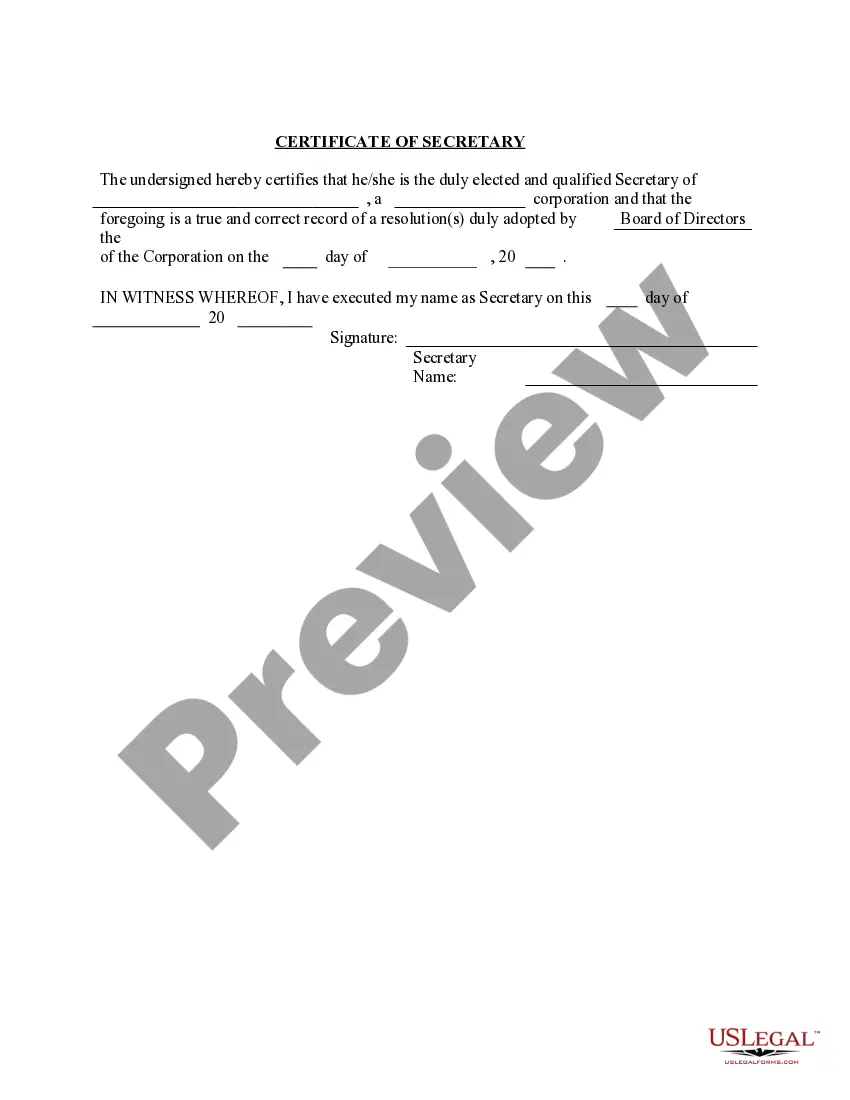

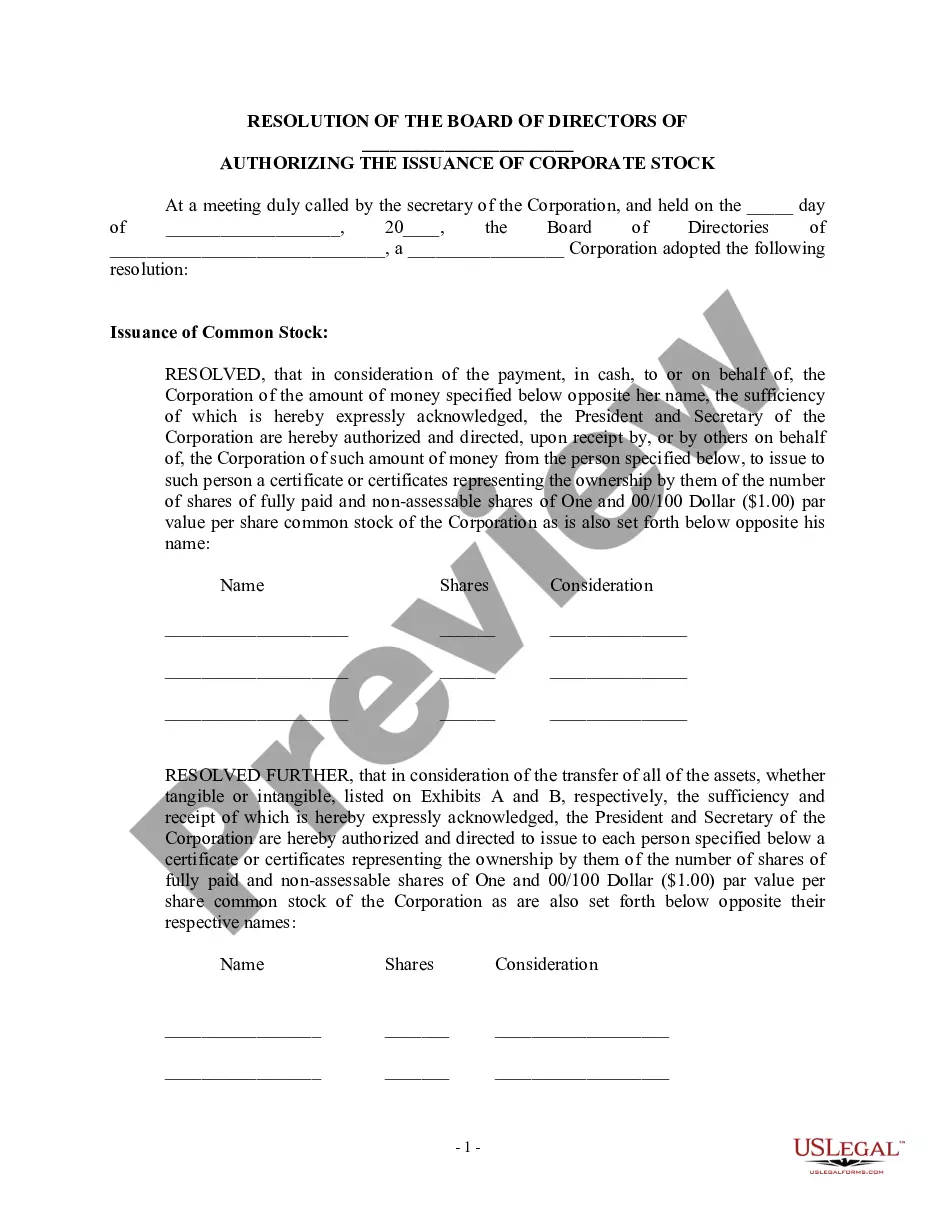
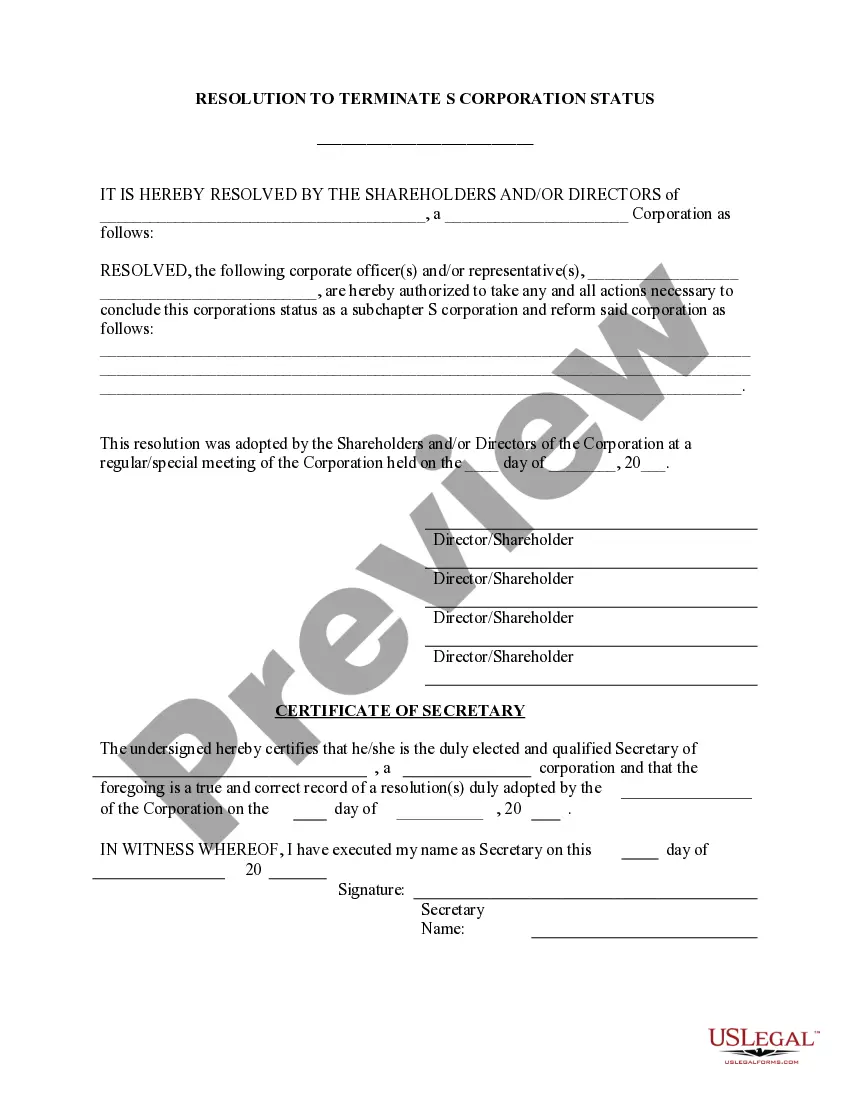
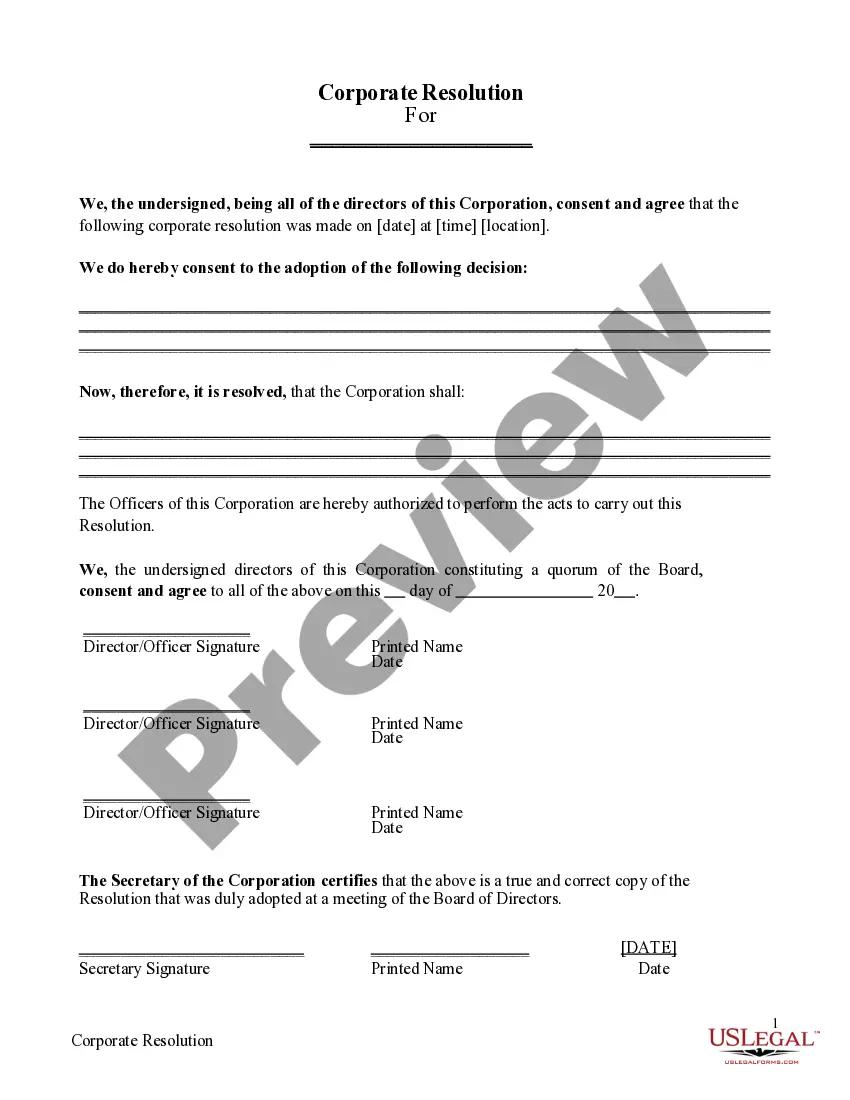
Get your form ready online
Our built-in tools help you complete, sign, share, and store your documents in one place.
Make edits, fill in missing information, and update formatting in US Legal Forms—just like you would in MS Word.
Download a copy, print it, send it by email, or mail it via USPS—whatever works best for your next step.
Sign and collect signatures with our SignNow integration. Send to multiple recipients, set reminders, and more. Go Premium to unlock E-Sign.
If this form requires notarization, complete it online through a secure video call—no need to meet a notary in person or wait for an appointment.
We protect your documents and personal data by following strict security and privacy standards.

Make edits, fill in missing information, and update formatting in US Legal Forms—just like you would in MS Word.

Download a copy, print it, send it by email, or mail it via USPS—whatever works best for your next step.

Sign and collect signatures with our SignNow integration. Send to multiple recipients, set reminders, and more. Go Premium to unlock E-Sign.

If this form requires notarization, complete it online through a secure video call—no need to meet a notary in person or wait for an appointment.

We protect your documents and personal data by following strict security and privacy standards.
Looking for another form?




Form popularity
FAQ
The biggest difference between S corporations and LLCs is how they are taxed. S corporations are taxed as pass-through entities, meaning that the profits and losses are passed through to the shareholders' personal tax returns, while LLCs can choose to be taxed as either a pass-through entity or a corporation.
In general, rental property owners may receive the most benefit by making an LLC for each rental property. Individual LLCs limit liability to just the actual property each LLC possesses, along with any other assets the LLC owns.
To qualify as an S Corporation in Illinois, a business must first be registered as a corporation in the state. It should then elect S Corporation status through the IRS by filing Form 2553.
S corporations The taxable income of a corporation is not subject to federal tax (although some states, including Illinois assess a tax – Illinois' S corporation tax rate is 1.5%). The income flows through to the owners and is subject to tax at the owners' tax rate.
Corp Election teps for LLCs tep 1 Choose a business name. tep 2 Choose a registered agent. tep 3 File Illinois Articles of Organization. tep 4 Create an operating agreement. tep 5 Apply for an EIN. tep 6 Apply for Corp status with IR Form 2553.
Corp Election teps for LLCs tep 1 Register a business name. tep 2 Get an agent for service of process in CA. tep 3 File California Articles of Organization. tep 4 File California tatement of Information. tep 5 Create an operating agreement for corporation election. tep 6 Apply for an EIN.
Corp Election teps for LLCs tep 1 Choose a business name. tep 2 Choose a registered agent. tep 3 File Illinois Articles of Organization. tep 4 Create an operating agreement. tep 5 Apply for an EIN. tep 6 Apply for Corp status with IR Form 2553.
How to Start an S Corp in Colorado Picking the right name for your business. Appointing a Colorado registered agent. Filing the Articles of Organization. Drafting an operating agreement. Registering your business with the Internal Revenue Service (IRS) and reviewing your tax responsibilities.
