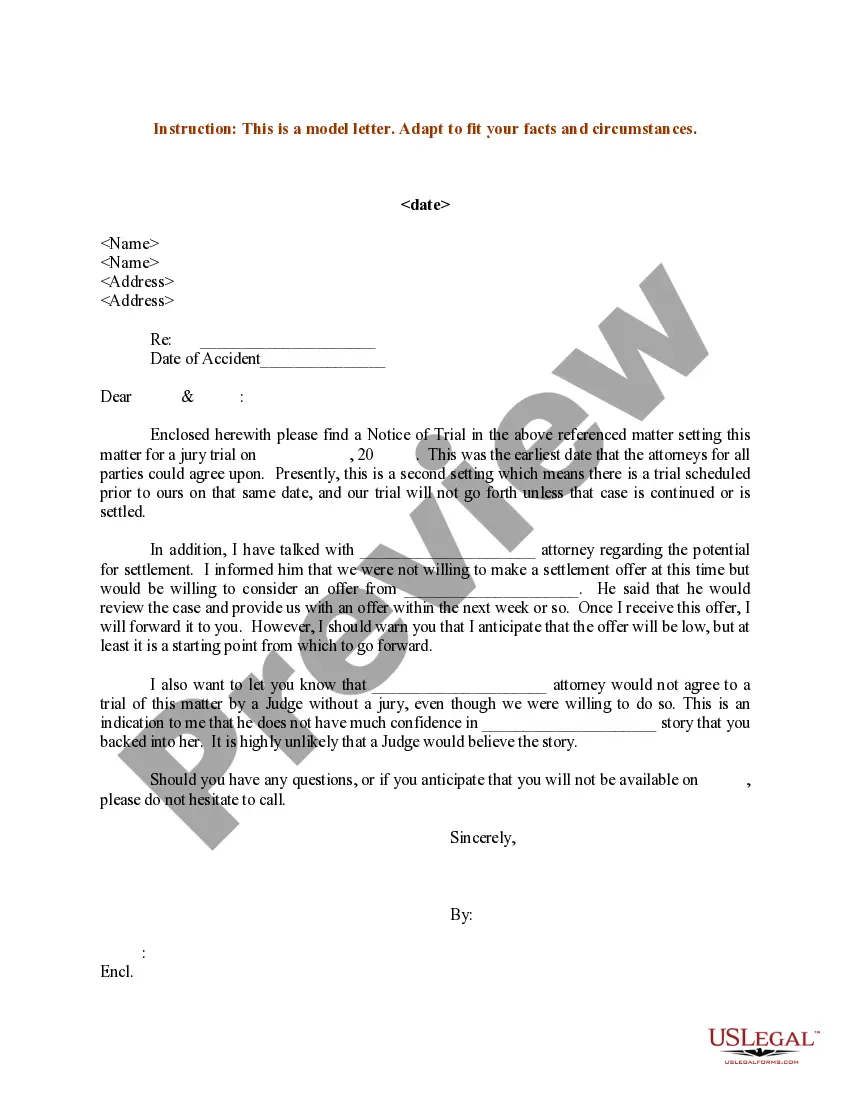
Trial Would Attorney Withdraw In Virginia
Description
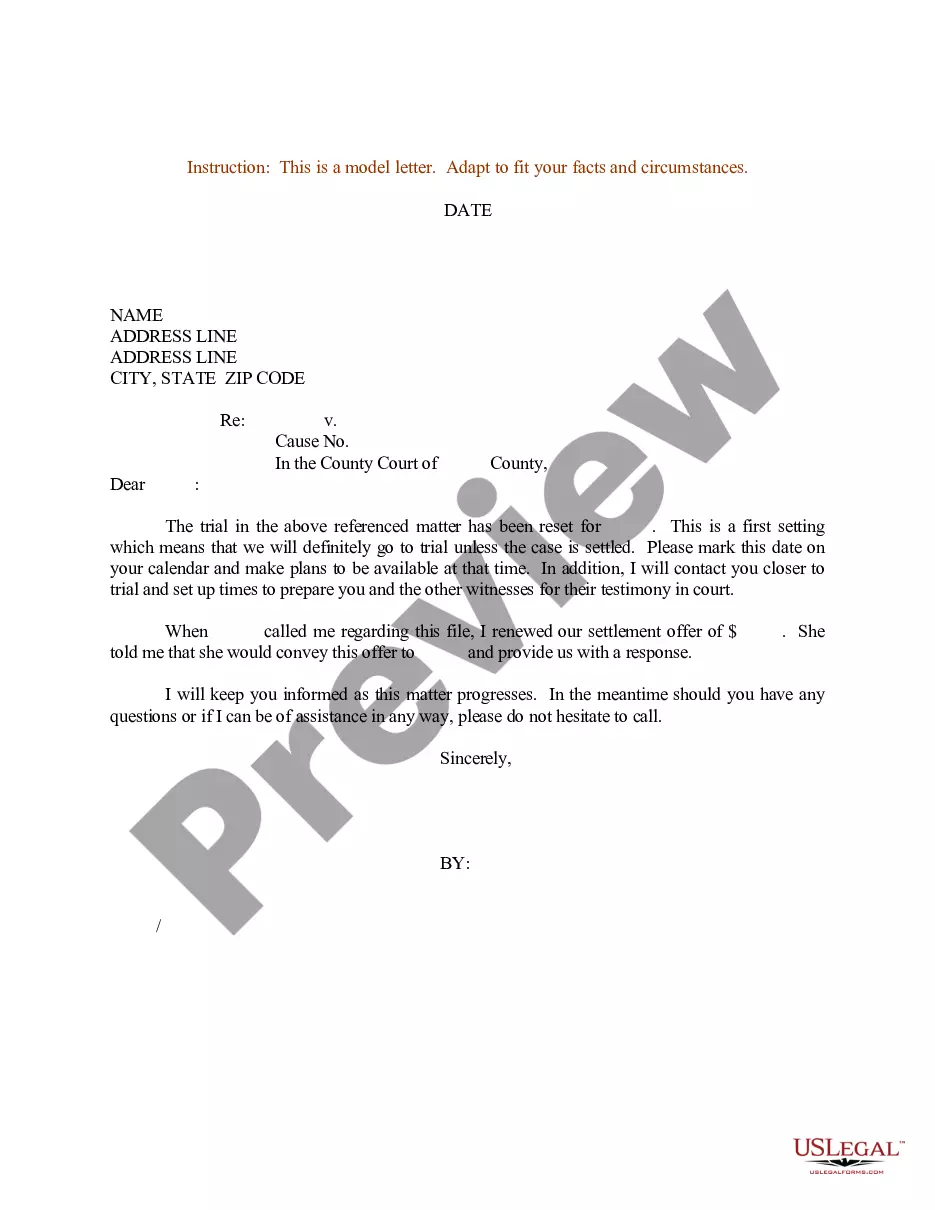
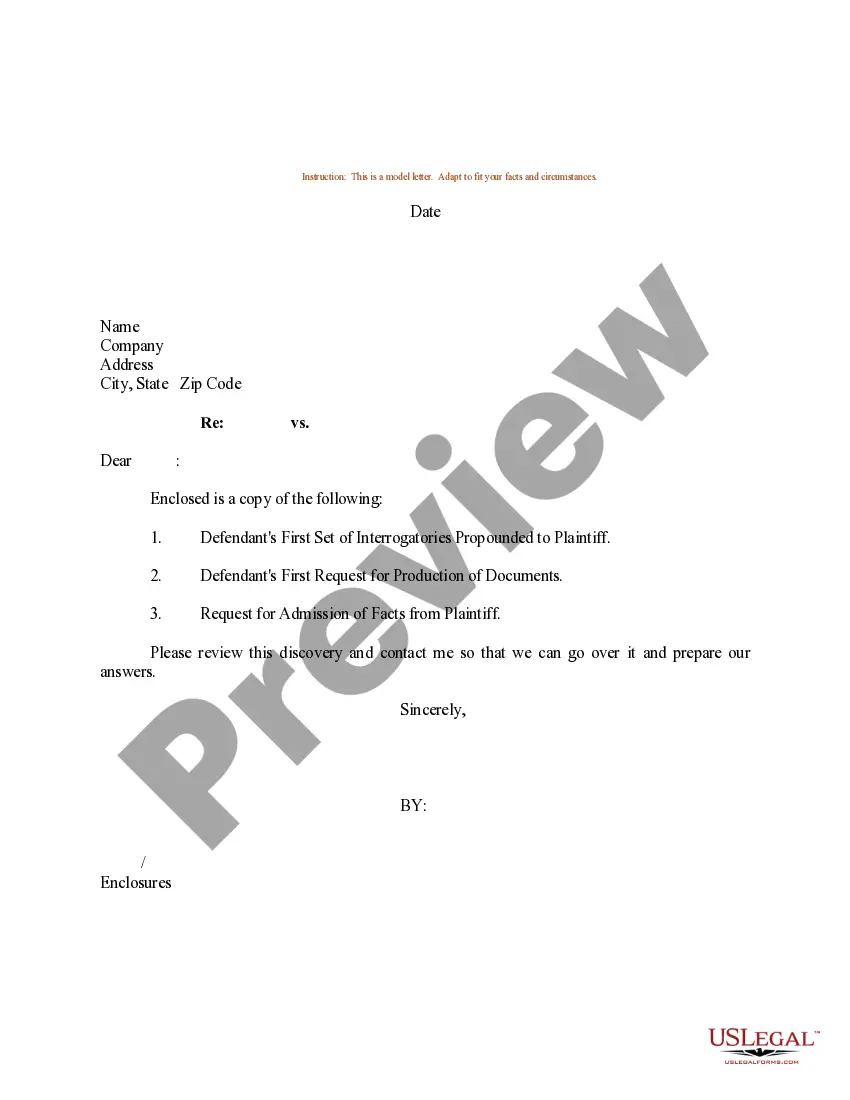
Get your form ready online
Our built-in tools help you complete, sign, share, and store your documents in one place.
Make edits, fill in missing information, and update formatting in US Legal Forms—just like you would in MS Word.
Download a copy, print it, send it by email, or mail it via USPS—whatever works best for your next step.
Sign and collect signatures with our SignNow integration. Send to multiple recipients, set reminders, and more. Go Premium to unlock E-Sign.
If this form requires notarization, complete it online through a secure video call—no need to meet a notary in person or wait for an appointment.
We protect your documents and personal data by following strict security and privacy standards.

Make edits, fill in missing information, and update formatting in US Legal Forms—just like you would in MS Word.

Download a copy, print it, send it by email, or mail it via USPS—whatever works best for your next step.

Sign and collect signatures with our SignNow integration. Send to multiple recipients, set reminders, and more. Go Premium to unlock E-Sign.

If this form requires notarization, complete it online through a secure video call—no need to meet a notary in person or wait for an appointment.

We protect your documents and personal data by following strict security and privacy standards.
Looking for another form?



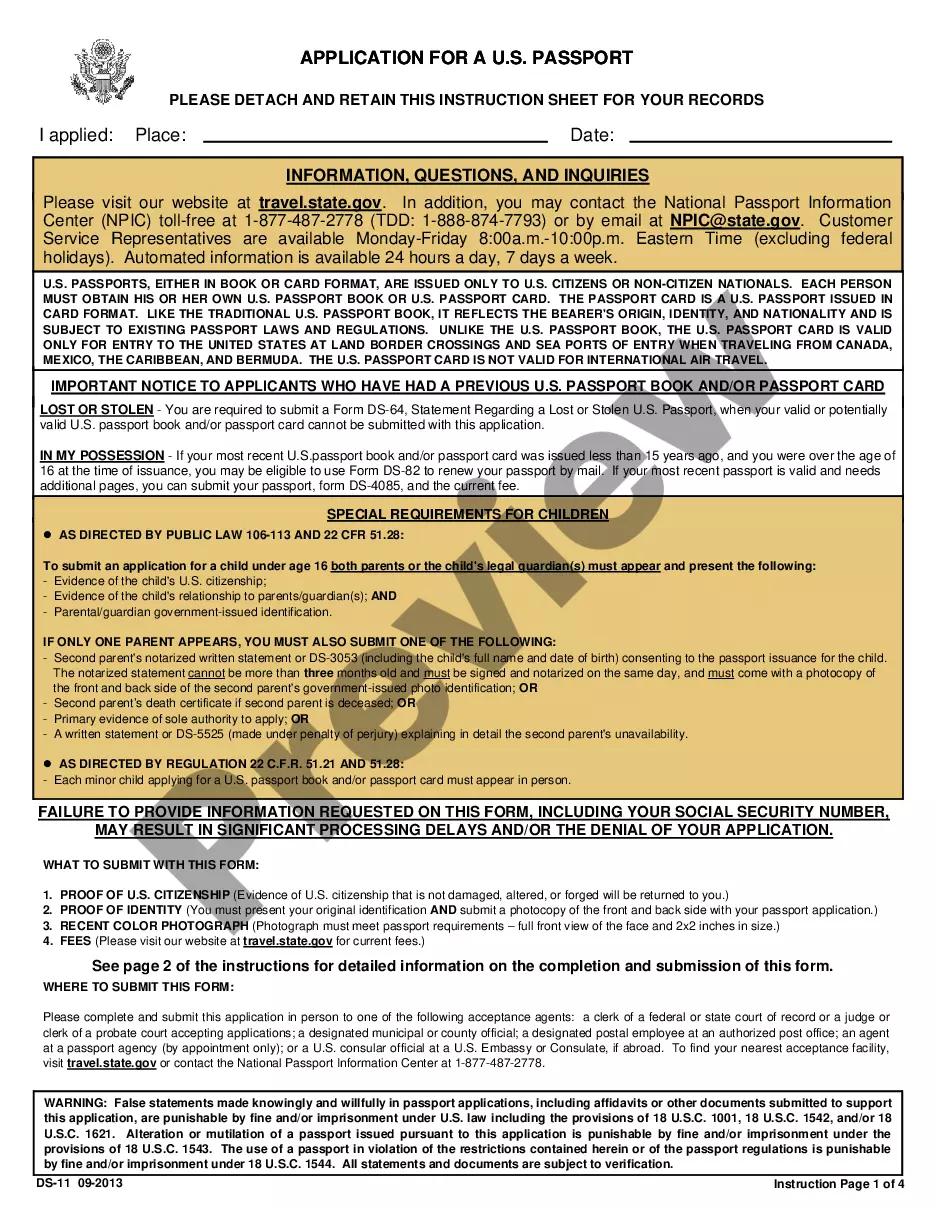


Form popularity
FAQ
Rule 1.5(e), ing to the Committee, “encourages a lawyer to fulfill other ethical obligations to a client by referring the client to another attorney if he or she believes they lack the required competence or if there is a conflict.”
Rule 1.5(e), ing to the Committee, “encourages a lawyer to fulfill other ethical obligations to a client by referring the client to another attorney if he or she believes they lack the required competence or if there is a conflict.”
Some Virginia courts require the lawyer who has been retained to appear in court on behalf of the client, while other Virginia courts simply require the lawyer to file a formal notice with the court informing the court that the lawyer will be representing the accused.
A person, upon whom process has not been served within one year of commencement of the action against him, may make a special appearance, which does not constitute a general appearance, to file a motion to dismiss.
It depends. Many Virginia courts do not require the accused to appear for the arraignment, as long as an attorney has been hired and the lawyer takes the necessary steps to excuse the accused from having to appear.
Rule . — All final judgments, orders, and decrees, irrespective of terms of court, remain under the control of the trial court and may be modified, vacated, or suspended for twenty-one days after the date of entry, and no longer.
A motion to withdraw a plea of guilty or nolo contendere may be made only before sentence is imposed or imposition of a sentence is suspended; but to correct manifest injustice, the court within twenty-one days after entry of a final order may set aside the judgment of conviction and permit the defendant to withdraw ...
Rule 3.8(d) requires a prosecutor “make timely disclosure” of the “existence of evidence” that the prosecutor knows tends to negate the guilt of the accused, mitigate the degree of the offense, or reduce the punishment, but the rule does not specify what form that disclosure must take, nor whether disclosure requires ...
(1) Unless the court upon motion, for the convenience of parties and witnesses and in the interests of justice, orders otherwise, methods of discovery may be used in any sequence and the fact that a party is conducting discovery, whether by deposition or otherwise, shall not operate to delay any other party's discovery ...