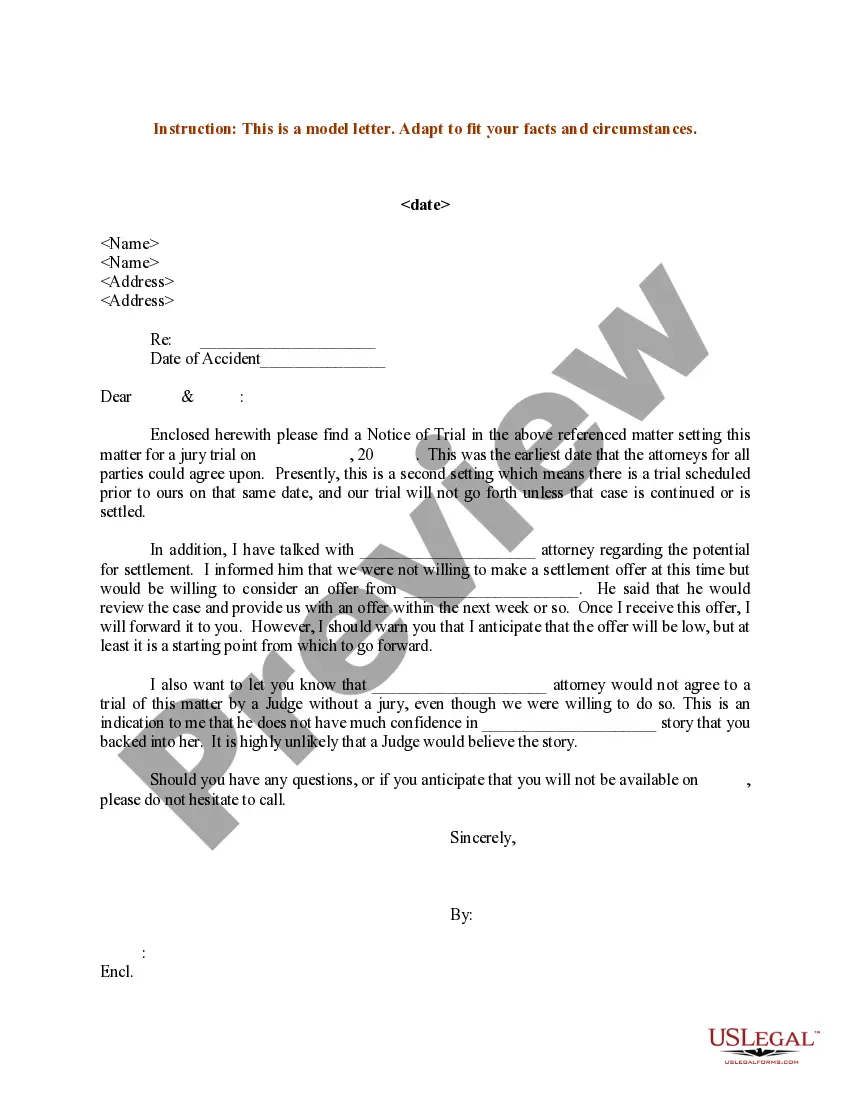
Trial Would Attorney Withdraw From Case In Pennsylvania
Description
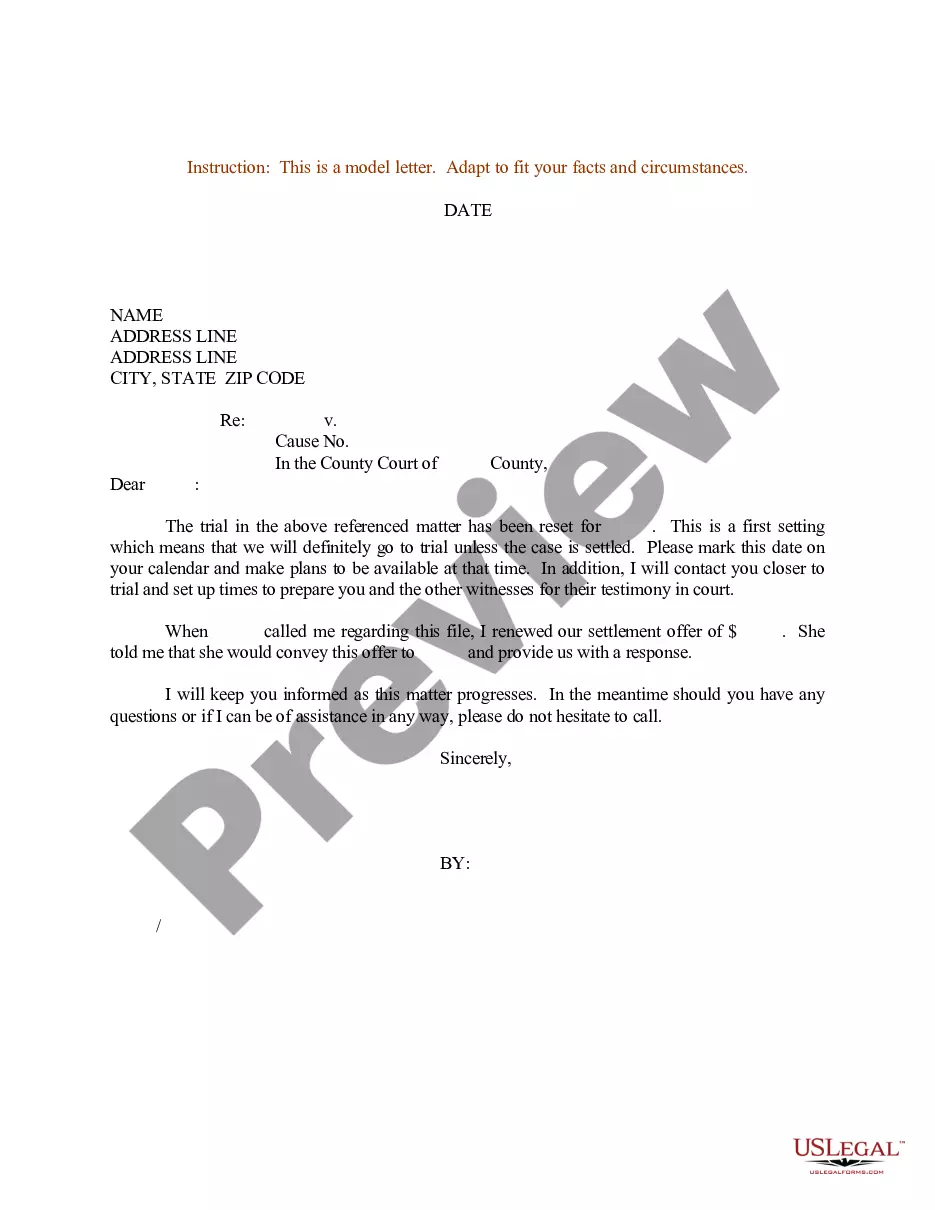
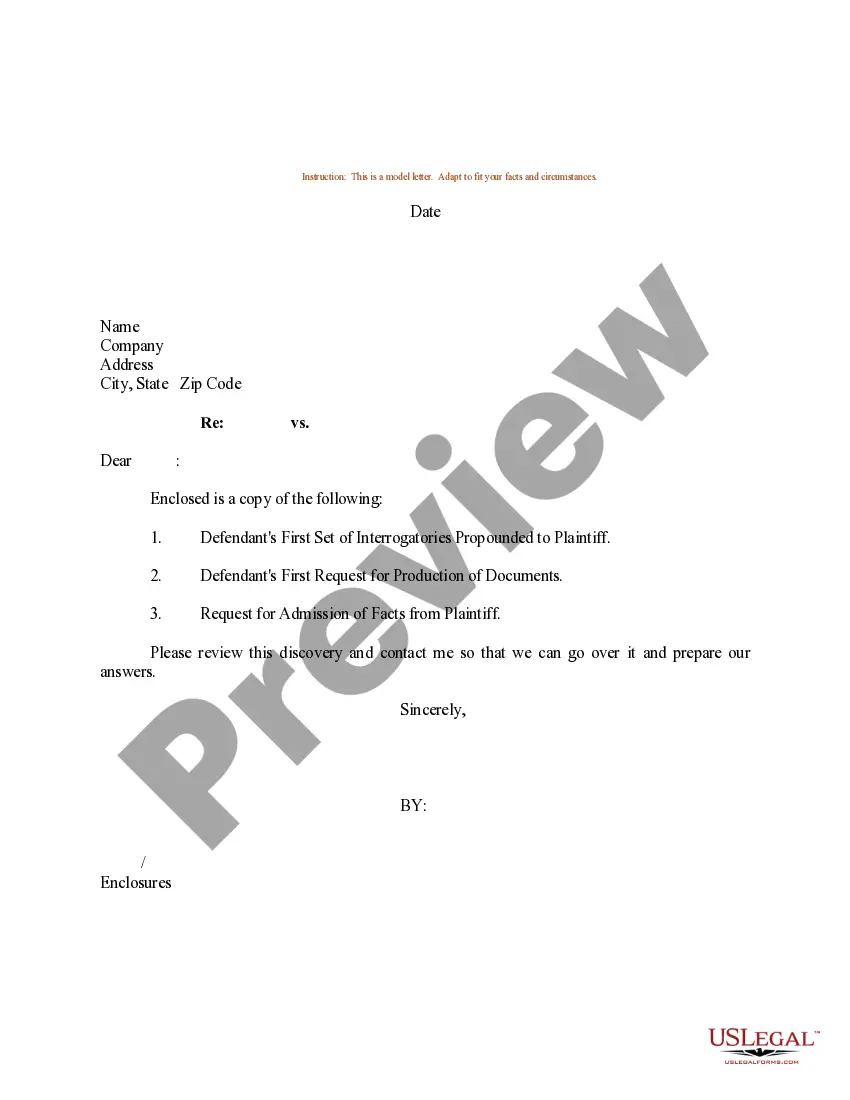
Get your form ready online
Our built-in tools help you complete, sign, share, and store your documents in one place.
Make edits, fill in missing information, and update formatting in US Legal Forms—just like you would in MS Word.
Download a copy, print it, send it by email, or mail it via USPS—whatever works best for your next step.
Sign and collect signatures with our SignNow integration. Send to multiple recipients, set reminders, and more. Go Premium to unlock E-Sign.
If this form requires notarization, complete it online through a secure video call—no need to meet a notary in person or wait for an appointment.
We protect your documents and personal data by following strict security and privacy standards.

Make edits, fill in missing information, and update formatting in US Legal Forms—just like you would in MS Word.

Download a copy, print it, send it by email, or mail it via USPS—whatever works best for your next step.

Sign and collect signatures with our SignNow integration. Send to multiple recipients, set reminders, and more. Go Premium to unlock E-Sign.

If this form requires notarization, complete it online through a secure video call—no need to meet a notary in person or wait for an appointment.

We protect your documents and personal data by following strict security and privacy standards.
Looking for another form?
Form popularity
FAQ
The elements of a legal malpractice claim are 1) the employment of the attorney or other basis for duty, 2) failure of the attorney to exercise ordinary skill and knowledge, and 3) such failure proximately causing damages to the plaintiff.
The Supreme Court in Pennsylvania has upheld that you can sue an attorney over a settlement amount in cases in which fraud or negligence is alleged.
Several states have laws on the books mandating the physical presence of an attorney or other types of involvement at real estate closings, including: Alabama, Connecticut, Delaware, District of Columbia, Florida, Georgia, Kansas, Kentucky, Maine, Maryland, Massachusetts, Mississippi, New Hampshire, New Jersey, New ...
To win compensation for emotional distress, you will need to prove that the symptoms of your mental suffering are so severe that they interfere with daily living, reduce your quality of life, or cause monetary losses.
(1) A lawyer should not accept representation in a matter unless it can be performed competently, promptly, without improper conflict of interest and to completion. Ordinarily, a representation in a matter is completed when the agreed-upon assistance has been concluded.
To challenge a power of attorney, the first step is to file a petition with the appropriate court, requesting an official review of the POA. This legal action typically requires gathering documentation, such as medical records or witness statements, to support your claim.
Sometimes the attorney is the one who feels that the client and the lawyer should no longer work together. When this happens, the attorney “withdraws” from the case and terminates the relationship and ceases to represent the client.
FDA recognizes that a subject may withdraw from a study; however, the withdrawal does not extend to the data already obtained during the time the subject was enrolled.
• If a participant no longer wishes to. remain in a study, that is considered. withdrawal of consent.